Throughout the year we send out press releases to individuals and organisations who have signed up to receive these. This page holds details of the press releases posted over the past two years. For press and media enquiries, please email press@bto.org.
Cuckoo class of ‘24 makes it safely back to Africa (mostly …)
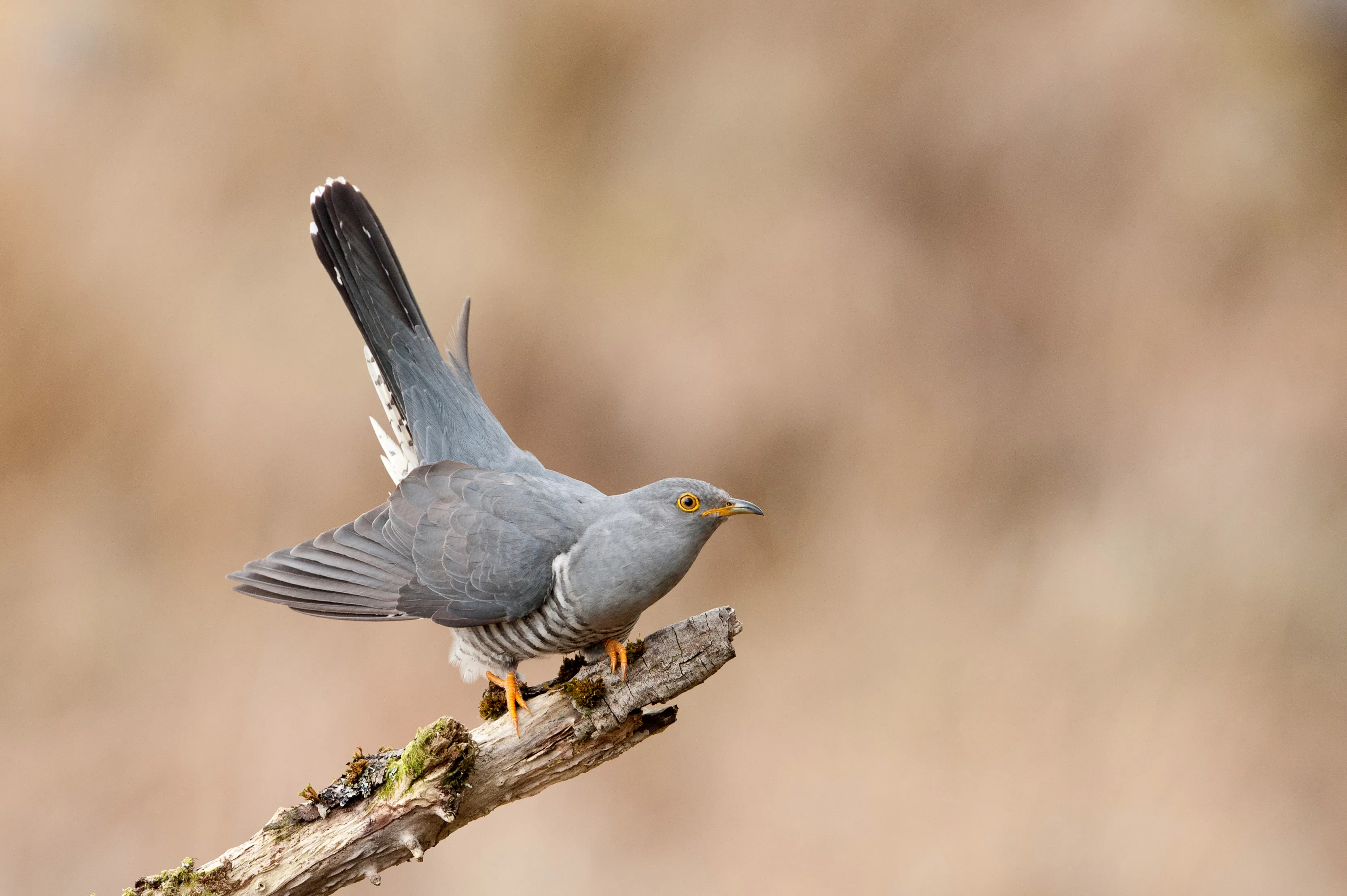
Migrating birds face many perils on their long and arduous journeys, and thanks to ongoing work to track and monitor UK breeding Cuckoos, we are continuing to learn about these incredible feats of nature. A cohort of Cuckoos, fitted with satellite tags by researchers at the British Trust for Ornithology (BTO), have now made their way from UK breeding sites to tropical Africa where they will spend the winter months. Tracked by both the scientists, and thousands of fascinated members of public via an online map depicting their real-time movements, the Cuckoos have provided extraordinary insights into their peripatetic ways. The song of the Cuckoo is amongst the most recognisable of all wild bird sounds and was once a much-anticipated clarion of summer across much of the UK. Sadly, we have seen sharp declines in the number of Cuckoos in recent years, but the reasons why are still not fully understood. Since 2011, BTO has fitted more than 120 individual Cuckoos with state-of-the-art satellite tags to unravel the mysteries of their migrations and help their conservation. BTO scientists studying these enigmatic birds are gaining a clearer understanding of the routes the birds take and how they may respond to the complex array of challenges that they face along the way. With new birds tagged in May and June 2024, the total number of Cuckoos that set off from the UK after the breeding season this year numbered 13, with 12 of those successfully making the mammoth journey south through Europe, across the Mediterranean and then flying over the expansive Sahara Desert to their wintering grounds in the vast African intra-tropical rainforests. Among the many discoveries made from the tagging project so far, is that male Cuckoos spend far less time in the UK than previously thought. Most male birds arrive in Britain towards the end of April or beginning of May and most leave again during June. One of the Cuckoos, originally tagged in Killarney National Park, Ireland in May 2023, returned to the same area in May of this year; a mere 28 days later, he was off, heading south and back toward his wintering grounds once again! The BTO study has also identified that different Cuckoos use distinctly different routes. Interestingly, in parts of the UK where Cuckoos are most clearly declining as breeding birds, they have a tendency to use a westerly migratory route via Spain, while birds summering in regions with less apparent declines are more more likely to migrate to Africa via a more eastern route, through Italy or Greece. With further research, it is hoped that scientists can unravel what is driving the differences in survival that we have seen, and to determine what can be done to alleviate the problems the birds encounter. Comparing survival rates of the tagged birds with the environmental conditions recorded along the two flyways, for birds both breeding in parts of the UK where the population is declining, and those where it is stable or increasing, will help us to further understand the causes of decline. Dr Chris Hewson, lead scientist on the project, said, “Understanding the dangers that many of these birds face as they migrate vast distances, can help us to consider how we might help to protect them. Each satellite-tagged bird provides essential data, uncovering mysteries that we could only have guessed at previously. This ongoing project opens a significant window on the wonders of migration, and our discoveries are helping to shape the way we look at bird migration more widely.” Thanks to the generosity of donors, who have helped fund this research, it is hoped that this work will continue to provide new data and insights that will help conservationists to shape measures that will safeguard these remarkable birds, so that generations may enjoy hearing that distinctive ‘cuck-coo’ for many years to come. Follow the Cuckoos’ progress and learn more about the individual birds at www.bto.org/cuckoos
01-09-2024
Rare breeding birds continue to colonise the UK
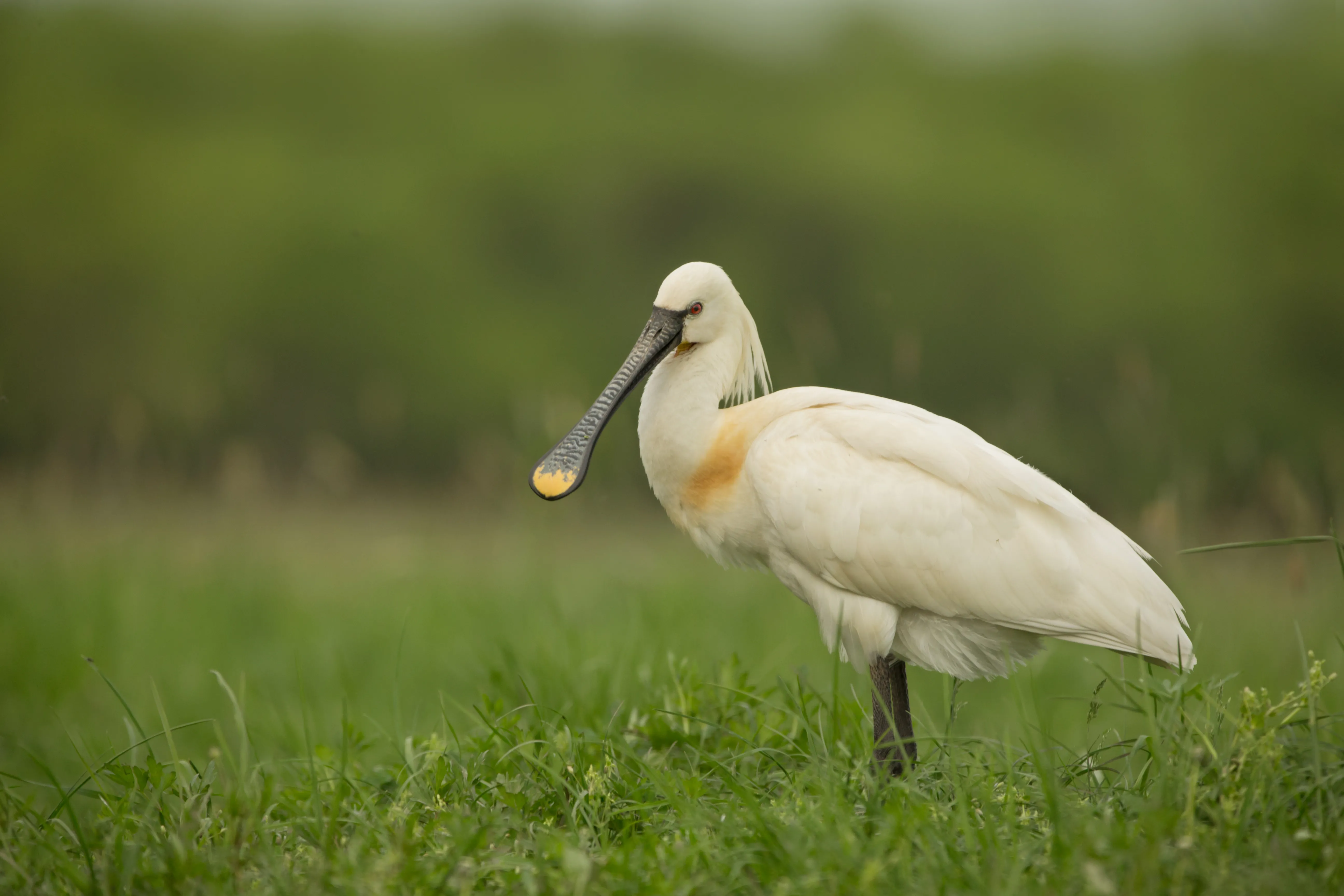
The latest report by the Rare Breeding Birds Panel (RBBP), the independent body that monitors the populations of the UK’s rarest breeding birds, reveals that 108 species and races of rare native birds were reported breeding, or attempting to breed, in the UK in 2022. This is the second-highest total since the Panel began reporting in 1973, and suggests a continuation of the increasing trend in the number of rare breeding bird species in the UK, largely driven by the arrival of colonising species. 2022 saw the first confirmed breeding in the UK by Glossy Ibis, with a pair raising one chick at a wetland site in Cambridgeshire. This elegant wading bird was once only found on Mediterranean coasts in Europe but has been moving northwards in recent decades. As well as this newly arrived species, other recent colonists are prospering. Of the 14 colonists and reintroduced species to have established new populations in the UK since the RBBP began reporting in 1973, five – Mediterranean Gull, White-tailed Eagle, Eurasian Spoonbill, Little Egret and Great White Egret – reached record levels in 2022. Most of these species are expanding their ranges into the UK from the south, and more appear to be on the way. Black-winged Stilts bred for the ninth successive year, with pairs in Norfolk and Yorkshire both rearing four young each. Two pairs of Bee-eaters fledged four young at Trimingham in Norfolk, to the delight of thousands of visiting birdwatchers and wildlife enthusiasts – this was the fourth breeding attempt in the UK by this multi-coloured migrant in the last decade. As well as colonists, a number of species continue to recover from historical depletion, with three raptors being reported in greater numbers than in any previous RBBP report. The number of Northern Goshawk pairs reported leapt by 24% since 2021 (which itself was a record year), Marsh Harriers are increasing in much of their range, as is the Osprey which bred in Dorset and Yorkshire for the first time in centuries. Sadly, the impact of Highly Pathogenic Avian Influenza (HPAI) H5N1 is a concern for our seabirds – at least 90 adult Roseate Terns died from the disease reaching the colony at Coquet Island, Northumberland in 2022, along with an even greater number of chicks. There is evidence that the disease also impacted the productivity of raptors such as White-tailed Eagle and Golden Eagle in 2022. Other rare breeding species are also struggling for a range of reasons, in some cases despite focused conservation efforts. With just 20 pairs found, Slavonian Grebes remained at their lowest level since the start of annual monitoring in 1971 and had extremely poor breeding success in 2022 with only seven young known to have fledged. This species looks increasingly threatened as a UK breeding bird. Numbers of Corn Crakes have declined by 28% in the last 10 years. Although many raptor species are showing welcome recoveries from population lows caused by pesticide use and persecution, Montagu’s Harriers continue to struggle. A displaying male did its best to attract a mate in Wiltshire, but for the third year in a row there was no breeding pair anywhere in the UK. Dr Mark Eaton, RBBP Secretary, said, “The RBBP collates thousands of records of rare breeding birds every year, which allows us to track the populations of the UK’s rarest and often most vulnerable breeding birds in order to aid their conservation. This recording allows us to detect the arrival of new breeding birds, and to celebrate the recovery of threatened species, as well as direct urgent action to those which are struggling.” Dawn Balmer, BTO Head of Surveys and RBBP Chair said, “Birdwatchers play a critical role in our monitoring of rare breeding birds. We thank the network of volunteer County Recorders and the support of Bird Clubs across the UK. We can all help improve the data that are collated by RBBP by submitting our records through BirdTrack, with counts and breeding evidence, which allows the County Recorders to provide county summary data to RBBP.”
01-09-2024
Unusual plumage variation in birds not so black and white
Familiar garden birds with unusual plumage features, such as a Blackbird or sparrow with striking white feathers, will often catch our eye, and the British Trust for Ornithology (BTO) is asking for help in mapping these scarce occurrences. Each year BTO receives multiple calls and messages from members of the public who have spotted something a little out of the ordinary in their garden. These sightings often refer to a common bird, that doesn’t look quite right… a Starling with a white head? A sparrow with white wings? An all-white Magpie? A Robin without its distinctive red breast? Many birds can show unexpected plumage abnormalities, and ornithologists are hoping to unravel some of the mysteries relating to these widespread phenomena. There are numerous types of plumage aberration, ranging from birds with a few random paler or darker feathers, to full albinos, and several other variations in between. Amongst the most common birds that get reported sporting odd plumage features are Blackbirds, and many homeowners across the UK report seeing unusual, pied variants in their gardens. Often, these distinctive birds will have a mixture of the regular black feathering with patches of white here and there. This is known as leucism – which is caused by a lack of the dark pigment melanin, and its absence results in white feathers. This reduction in pigment can also result in weaker feathers, making them more prone to wear and tear. A bird with excessive leucism may find that it is less agile, as well as being more noticeable, and is therefore more likely to fall prey to predators. Also, a lack of pigment can reduce insulation qualities and such birds may suffer excessively in cooler conditions. When melanin is entirely absent, pure albinos can occur, resulting in all-white birds with pink eyes. Sadly, the odds of these rare individuals surviving to adulthood are slim, due to associated issues such as poor eyesight. Occasionally, the amount of melanin can be partially reduced in the feathers and birds can have a washed-out, pale appearance. This is known as dilution. The reverse can also occur, and too much dark pigment can cause a rare condition known as melanism. This results in much darker birds, though this is often less obvious than leucism. Some other rarer forms of pigmentation change include erythrism, where a chestnut-red pigment replaces certain other pigments, and xanthochromism, where there is an excess of yellow pigment, often replacing red feathering. Santiago Cárdenas, Garden BirdWatch Survey Organiser, said, “Since we launched the Abnormal Plumage Survey in 2011, we have received thousands of records. Blackbirds have, so far, been the real stars of the show, with many of the reports relating to this common garden species. However, many other birds, sporting a wide range of plumage abnormalities, have also been spotted. We still have a lot to learn about the distribution of such unusual birds, and we welcome all records from garden birdwatchers across the UK.” If you happen to spot one of these exceptional birds in your garden, BTO would love to hear from you: Report your sighting on the Abnormal Plumage Survey
21-08-2024
If you go down to the woods tonight…
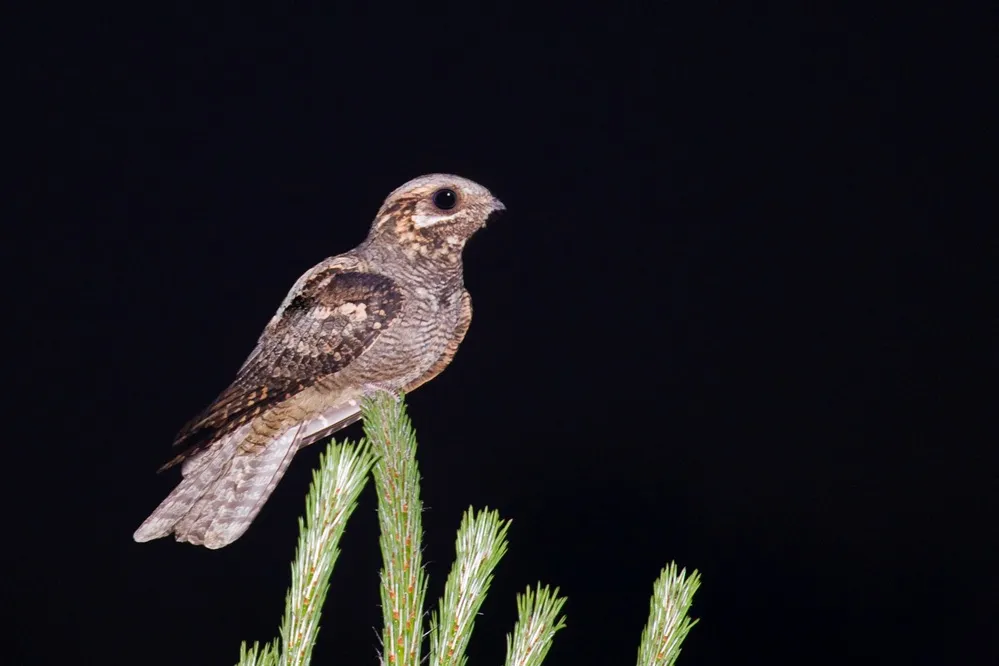
One of the UK’s weirdest, and least understood, birds is facing increasing challenges as a result of wetter springs and ongoing insect declines. Researchers from the British Trust for Ornithology (BTO) have been tagging rare nocturnal Nightjars, in the hope of better understanding the secret life of these peculiar visitors. As dusk falls, an eerie sound drifts across the heath. A strange, almost mechanical, insistent purr. This is the sound of a male Nightjar, a bird that most people have never even heard of, let alone heard or seen for themselves. Historically, these nocturnal birds were treated with suspicion, and earned such curious names in folklore as ‘fern-owl’ and ‘goatsucker.’ Nightjars are summer visitors to the UK, flying here from their wintering grounds 6,500 km away in sub-tropical Africa. They nest on heaths, moorlands, and forest clearings, where they spend the day tucked away, perfectly camouflaged, on the ground. At night, they emerge, singing their evocative ‘churring’ song, wing-clapping and searching for food, primarily moths and flying beetles. But the Nightjar’s story has not always been a happy one here in the UK. For many decades, they had been in steep decline and in a twenty-year period from 1972 to 1992 their numbers and breeding distribution halved, as their preferred habitat was destroyed to make way for developments and agriculture. Now, after years of active conservation, Nightjars are returning and re-establishing themselves in suitable habitat across England, Wales, and Scotland, though they remain absent from Northern Ireland. However, around half of the former breeding range still remains unoccupied. While we may be celebrating a modest success for our nesting Nightjars, they still face multiple challenges. For example, the very wet and stormy weather we experienced across much of Europe in spring both this year and in 2023, hampered the Nightjars’ migration and delayed their arrival. Data gathered from BTO’s BirdTrack app, clearly show a reduction in Nightjars reported on UK breeding grounds, following severe weather events on the Continent during this year’s migration period. Even those that made it have found fewer large insects, resulting in less food for themselves and their chicks. And the continued wetter, cooler summer so far this year is likely to have impacted negatively on their breeding success once again. There is still much to learn about their lives outside of the UK, and little is known about the challenges that they may face on migration and in their tropical wintering grounds. In recent summers, BTO scientists have been donning headtorches, applying midge repellent, and heading out into the night to locate, catch and fit GPS tags to Nightjars to better understand the habitat requirements, and movements, of these cryptic birds. Initial discoveries have revealed that the birds, once they leave the UK, take around six to eight weeks to cross Europe, the Mediterranean and the Sahara Desert, before passing the equatorial rainforests and arriving in the scrubby grasslands of the Democratic Republic of Congo. This contradicted what ornithologists had longed presumed, thinking that Nightjars only wintered in East and West Africa. Understanding the routes and ultimate destinations of migratory birds can help inform conservationists of the challenges the birds face away from the breeding grounds. By having more information about the birds’ movements and needs en route, we can hope to implement measures that may help these long-distance travellers in the long term. While the Nightjar breeding population in the UK still has a long way to go to match is pre-decline levels, there is optimism. A better understanding of their requirements while they are here allows conservationists to provide more suitable habitat. By collaborating with landowners and commercial forestry enterprises, ornithologists can help ensure a mix of ideal nesting and feeding areas for the Nightjars. Greg Conway, Senior Ecologist with BTO, says, “When we last conducted a thorough nationwide Nightjar survey in 2004, we saw a notable increase of 36% in breeding numbers in the UK in just a decade. That upward trend is expected to have continued, with warmer breeding season temperatures helping Nightjars move further north as well as re-occupying areas where they had been lost. However, there are concerns that the accompanying changes in weather could impact on migration patterns and breeding success. A new national survey is now required to find out how well the species if faring. With a better understanding of these remarkable birds’ needs we can hope to make the mysterious song of the Nightjar a more familiar sound in the coming years.” Visit the Nightjar Tracking Project for more information
16-07-2024
Welsh birds of prey in the spotlight
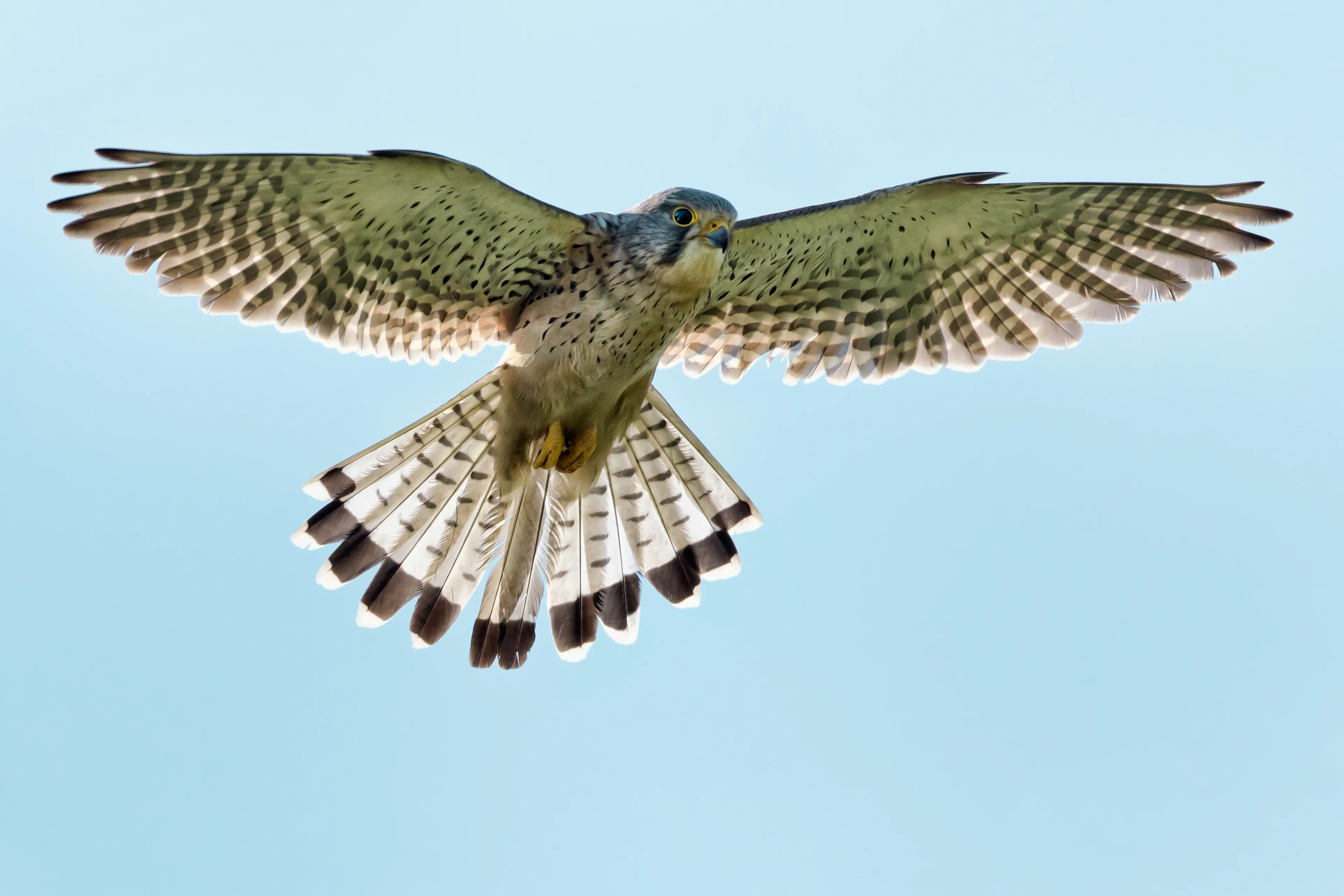
The British Trust for Ornithology (BTO) is excited to announce the launch of Cudyll Cymru, a brand-new citizen science project aimed at enhancing our understanding of birds of prey across Wales. BTO is seeking volunteers across Wales to help locate and observe birds of prey, particularly within the country's Protected Areas. This unique project, named Cudyll Cymru (part of a new Welsh Raptor monitoring initiative), will build a network of dedicated volunteers to monitor the health and habitats of four widespread raptor species: Buzzard, Kestrel, Red Kite and Sparrowhawk, along with one crow species, the Raven. Raptors are critical to the health of ecosystems, acting as top predators. Their sensitivity to changes in prey availability, habitat conditions, and climate makes them pivotal for researchers when detecting and monitoring environmental shifts. The five chosen species covered by the study are widespread across Wales, and relatively familiar to most residents: Common Buzzard A large bird of prey, these can be seen in a wide range of habitats. Their preferred food includes Rabbits and other small animals and birds, carrion, insects and earthworms. Kestrel These pigeon-sized falcons are frequently seen hovering over fields and roadside verges, searching for voles, mice and other small mammals. Red Kite Once threatened with extinction, these majestic birds can now be seen in many parts of Wales following successful, targeted conservation efforts. Primarily a scavenger, Red Kites mainly eat carrion, along with small animals and birds. Sparrowhawk Another pigeon-sized raptor, these dashing hawks feed almost entirely on other birds. Mainly confined to woodlands, Sparrowhawks will also regularly visit gardens and parks. Raven The largest member of the crow family, Ravens are not strictly raptors but share many characteristics of birds of prey. These distinctive birds will eat a wide range of food from berries to carrion, as well as small animals and birds. The study will collect data to assess raptor and Raven population trends and breeding success, with a particular focus on Wales’ Protected Area network, which includes Sites of Special Scientific Interest (SSSIs) and Special Protection Areas (SPAs). This information will be vital in supporting conservation strategies and for informing government commitments to wildlife protection, especially as Wales faces ecological pressures from land use and climate change. How to get involved BTO is seeking volunteers of all levels of experience to join Cudyll Cymru. You only need to identify at least one of the key species and count the birds, nests, or territories in your chosen ‘patch’. Training will be provided through bird identification videos, written guides, and 1-on-1 mentoring. Flexible participation means you can contribute as little as two hours a month, making it easy to fit into your schedule. Core surveys run from March through August, with data submitted through an easy-to-use online portal. Volunteers will receive full support, ensuring a smooth and rewarding experience. Cudyll Cymru officially launches in January 2025, but you can register your interest now to be among the first to start monitoring. For more information and to sign up, visit the project webpage at: www.bto.org/cudyll-cymru-english www.bto.org/cudyll-cymru-cymraeg Charlotte Griffiths, Welsh Raptor Monitoring Coordinator – Project Lead, said, The five species we're focusing on are significantly under-reported, and the data collected through these surveys will provide crucial insights into their breeding populations across Wales. In developing and supporting a future network of monitors, we’re taking great strides in securing the future of Welsh raptors. Dr Callum Macgregor, Senior Research Ecologist at BTO Cymru, added, Participating in bird surveys is a wonderfully rewarding way to spend time outdoors. Anyone can take part and make an important contribution to conservation. We hope that Cudyll Cymru will provide the opportunity for lots of people to experience this for the first time, gaining valuable skills and knowledge in the process. This project is funded by the Nature Networks Programme. It is being delivered by the Heritage Fund, on behalf of the Welsh Government. Contact details Jon Carter, BTO Media Manager Mobile: 07585 440910 Email: press@bto.orgImages Download images for which you will need to enter the password 2024-26Raptors Alternatively, please contact press@bto.org quoting reference 2024-26
01-07-2024