Throughout the year we send out press and media releases to individuals and organisations who have signed up to receive these. This page holds details of the press releases posted over the past two years. For press and media enquiries, please email press@bto.org.
Breeding Bird Survey celebrates 30 years of citizen science in Scotland
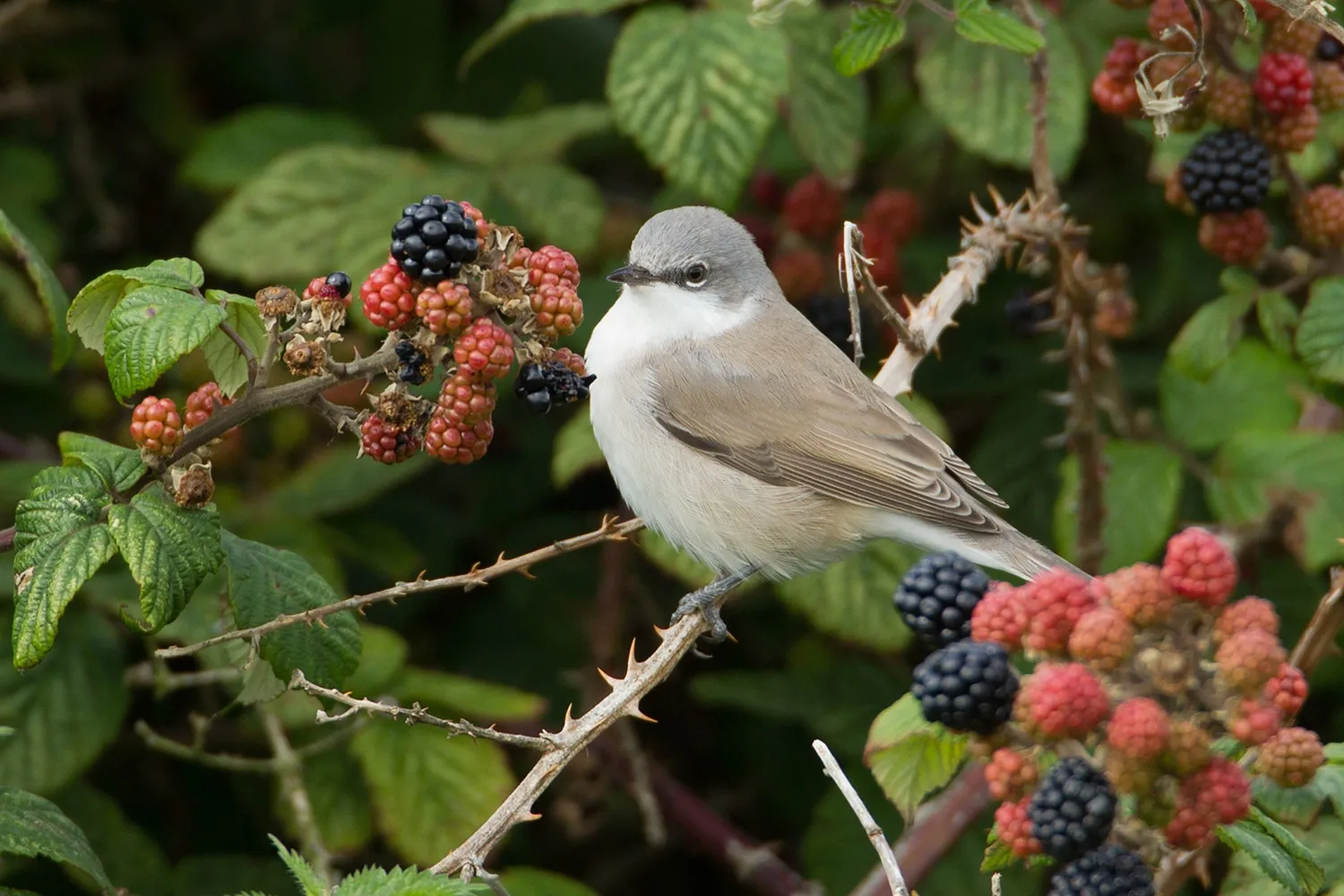
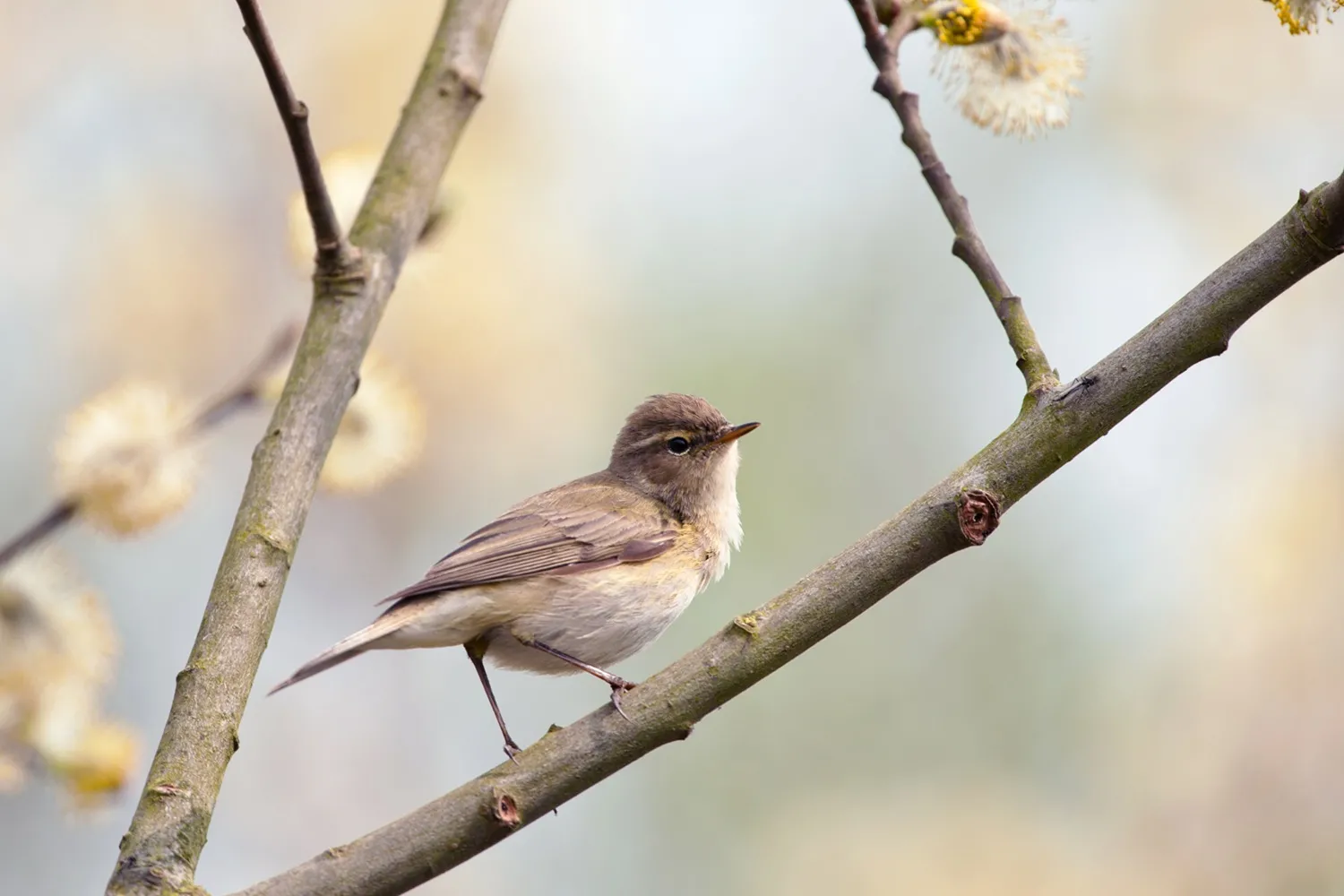
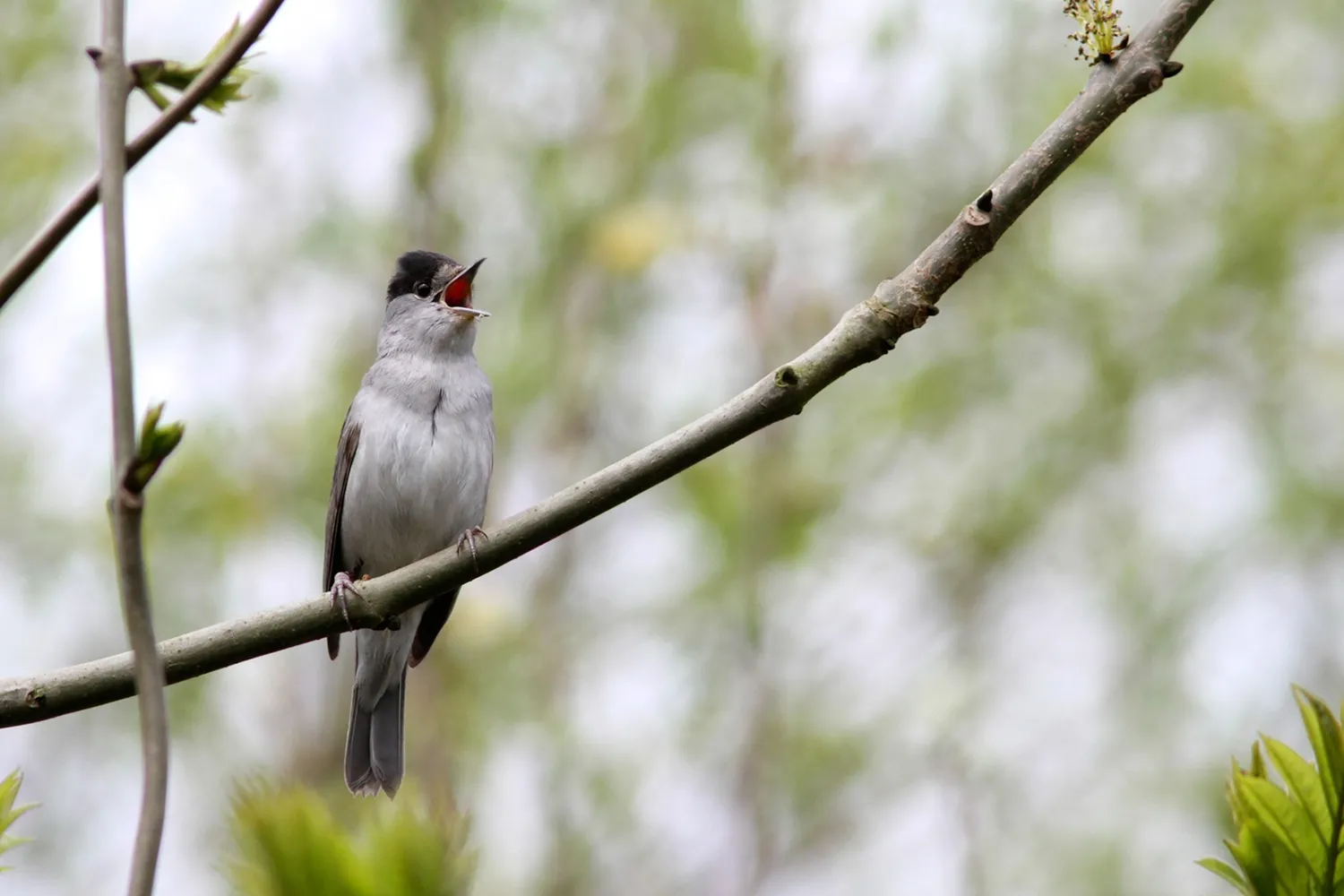
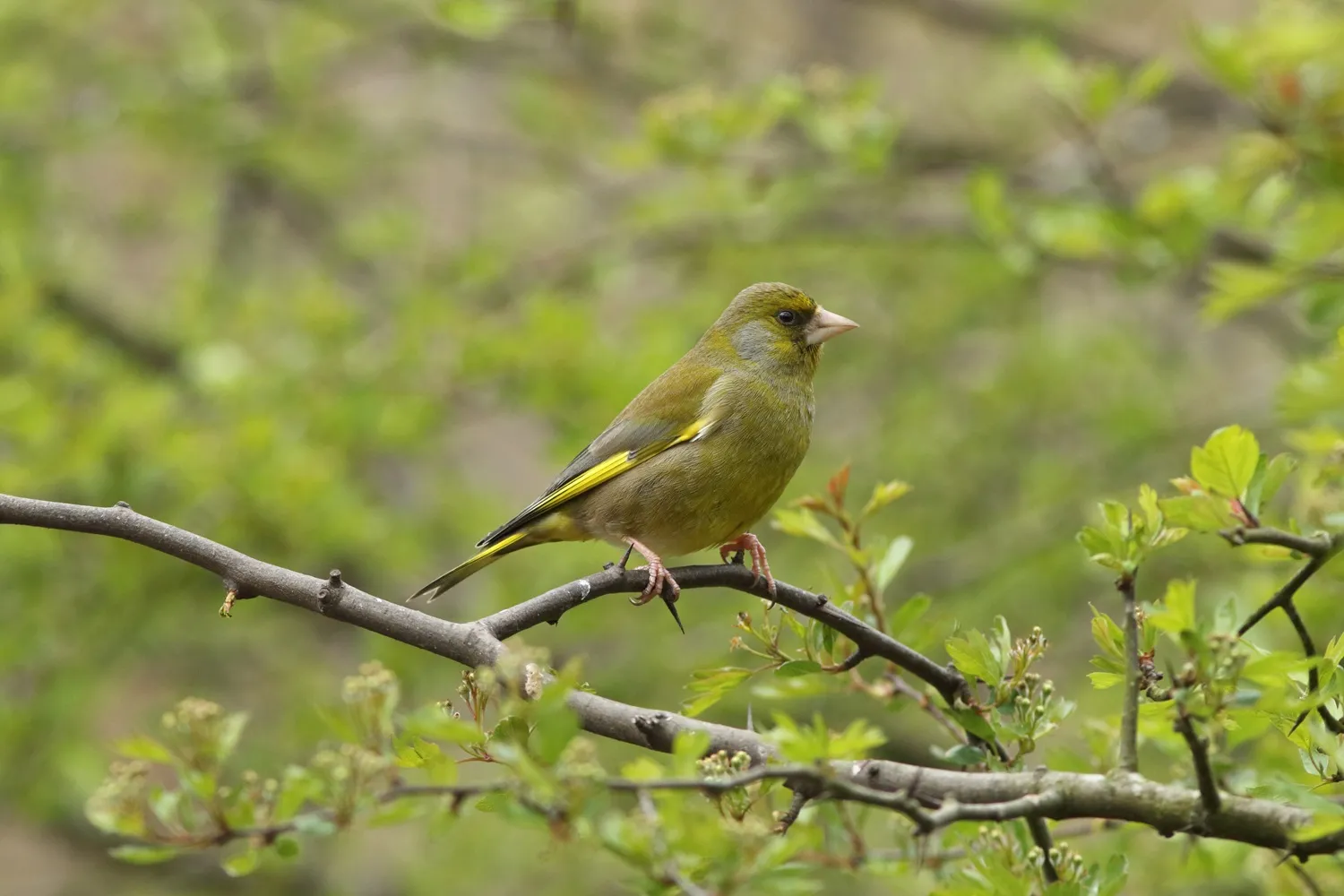
Published today, the latest BTO/JNCC/RSPB Breeding Bird Survey (BBS) Report shows continued declines for Scotland’s Swifts, Curlews and Kestrels. This press release is specific to Scotland. Alternatively, view the press release for: UK Wales Northern Ireland The report reveals good news for Willow Warbler, a summer visitor that is on the up in Scotland, bucking the UK-wide trend of major declines. Cuckoos and Chiffchaffs too are doing well in Scotland. BBS is the main scheme for monitoring the population changes of the UK’s common and widespread breeding birds, producing population trends for 75 species in Scotland. During the breeding season, birds are at their busiest and wherever we may live, there will be a nest not too far away. Whether it is a Blackbird in the park or a Mallard with ducklings on the canal, many of us can witness the frenzied activity that this season brings. For many birdwatchers, however, this is not just a time to casually observe these annual rituals - it signifies a period of dedicated, systematic information gathering which can help shape conservation outcomes. For 30 years, a total of nearly 9,000 enthusiasts have been contributing essential data to the Breeding Bird Survey (BBS), one of the UK’s longest-standing citizen science initiatives. The BBS is a partnership project organised by the British Trust for Ornithology (BTO), the Joint Nature Conservation Committee (JNCC) and the Royal Society for the Protection of Birds (RSPB). With around 400 volunteers taking part each spring and summer, Scotland’s birders have collectively provided approximately 660,000 records since BBS was launched, allowing scientists to identify any notable changes in the status of our breeding birds. At least four of these keen-eyed contributors have been submitting their observations from Scotland for the entire three decades that the survey has been running. The BBS, following on from its predecessor, the Common Birds Census, gathers information from across the UK and helps paint a clear picture of just how well, or not, the UK’s and Scotland’s common and widespread land-based birds are faring. By analysing the collected data, scientists can see that while some birds such as Goldfinch, Great Spotted Woodpecker and Long-tailed Tit are faring reasonably well in Scotland, others including Swift, Curlew, Greenfinch, Lapwing and Kestrel are in steep decline. The reasons for these population changes are varied and the survey data allow scientists to investigate the potential causes for each species. Since the start of BBS, the data have shown that, in Scotland alone, Swifts have suffered significant declines of 60% since 1995 while Swallow numbers have dropped by a third in the last ten years, similar to what is seen in the rest of the UK. For birds such as these, which rely heavily on aerial insects, any decline in these invertebrates means that there is simply less food for adult birds and their growing chicks. A reduction of breeding sites can be mitigated by the provision of artificial nesting sites, but the issue of finding a diminishing food source is much more difficult to resolve. These birds are not alone; of the 75 species monitored by BBS in Scotland, 16 have decreased since 1995. However, 23 species are on the increase in Scotland, including a number of woodland birds such as Willow Warbler, Garden Warbler and Tree Pipit, as well as Cuckoo, and which are faring less well south of the border. Understanding what drives these differences will be a major conservation focus for the coming years. Starling numbers in Scotland have dropped by almost a third since the survey began, though there is some good news as three species of warbler are doing well in Scotland with Chiffchaff having increased by 1,089%, Blackcap by 679% and Whitethroat by 121% since the start of the survey. Dr James Heywood, BBS National Organiser, said: “Without the dedication of Scotland’s BBS surveyors, we would not be able to see the changing fortunes of bird populations north of the border, and with it look to identify causes and potential solutions. This report, with an additional five trends, highlights the dedication of our volunteers – with greater coverage, scientists can produce more and more robust trends. Given that Scotland poses some of the greatest challenges to volunteers in terms of remoteness and terrain, their efforts are to be especially celebrated.” Dr Paul Walton, Head of Habitats and Species, RSPB Scotland said: “The BBS provides a truly vital assessment of our common and widespread terrestrial breeding birds. The results from the incredible BBS Surveyor volunteers, taken alongside dedicated surveys of seabirds and our rarer, more localised species, give wild bird conservation in Scotland its essential evidence base. In a rapidly changing world, the importance of this work cannot be overstated. The increases in species like Great Spotted Woodpeckers and Goldfinches will be delighting and enriching the lives of many thousands of people across Scotland, and I am one. The plight of our Curlews, Lapwings and Swifts clearly signals the need for renewed vision and determination for nature conservation across Scotland.”
15-05-2024
Breeding Bird Survey celebrates 30 years of citizen science in Wales
Published today, the latest BTO/JNCC/RSPB Breeding Bird Survey (BBS) Report looks at the fortunes of our bird populations in Wales and across the UK, and celebrates the Pearl Anniversary of a pioneering volunteer-led national study. This press release is specific to Wales. Alternatively, view the press release for: UK Northern Ireland Scotland The report reveals that birds such as Goldfinch, Great Spotted Woodpecker and Red Kite are on the up in Wales. Meanwhile, numbers of Swift, Greenfinch and Yellowhammer are all falling while Welsh Curlews continue to decline at a faster rate than elsewhere in the UK. BBS is the main scheme for monitoring the population changes of the UK's common and widespread breeding birds, producing population trends for 60 species in Wales. During the breeding season, birds are at their busiest and wherever we may live, there will be a nest not too far away. Whether it is a Blackbird in the park or a Mallard with ducklings on the local canal, many of us can witness the frenzied activity that this season brings. For many birdwatchers, however, this is not just a time to casually observe these annual rituals – it signifies a period of dedicated, systematic information gathering which can help shape conservation outcomes. For 30 years, a total of 9,000 enthusiasts have been contributing essential data to the Breeding Bird Survey (BBS), one of the UK’s longest-standing citizen science initiatives. The BBS is a partnership project organised by the British Trust for Ornithology (BTO), the Joint Nature Conservation Committee (JNCC) and the Royal Society for the Protection of Birds (RSPB). With around 200 volunteers taking part throughout Wales each spring and summer, collectively the country’s birders have provided over half a million records since BBS was launched in 1994, allowing scientists to assess any notable changes. Four of these keen-eyed contributors have been submitting their observations for the entire three decades that the survey has been running. The BBS, following on from its predecessor the Common Birds Census, gathers information from across the UK and helps paint a clear picture of just how well, or not, the UK’s and Wales’s common and widespread birds are faring. By analysing the collected data, scientists can see that while some birds such as Goldfinch, Stonechat, Great Spotted Woodpecker and Red Kite are faring well in Wales, others, including Swift, Curlew, Greenfinch and Yellowhammer are in steep decline. Curlews are declining across the UK, but the fastest rate of those declines is in Wales. The reasons for these population changes are varied and the survey data allow scientists to investigate the potential drivers of change for each species. In Wales, woodland and farmland species in particular are struggling. Birds that have a high proportion of their UK population in Wales, such as Pied Flycatcher and Wood Warbler, are not recorded widely enough for Welsh population trends to be published with confidence. Increasing coverage for these woodland species will be a focus in the coming years. Since the start of BBS, the data have shown that Swifts across Wales have suffered significant declines of 76% since 1995 while House Martin numbers have dropped by more than half in the last ten years. For birds such as these, which rely heavily on aerial insects, any decline in these invertebrates means that there is simply less food for adult birds and their growing chicks. A reduction of breeding sites can be mitigated by the provision of artificial nesting sites, but the issue of finding a diminishing food source is much more difficult to resolve. These birds are not alone; of the 60 species monitored by BBS in Wales, almost a third have decreased since 1995. The species with the greatest decline is Greenfinch, which has seen its numbers plummet by a staggering 79%, mostly in just a 10-year period. Red Kite is the native bird with the greatest increase, and now breeds in most counties in Wales having recovered from a tiny population in the 1930s. Greatest declines and increases across Wales between 1995 and 2022Losses% loss (1995-2023) Gains% gain (1995-2023) Greenfinch-79 Canada Goose+596 Curlew-77 Red Kite+522 Swift-76 Stonechat+360 Yellowhammer-76 Great Spotted Woodpecker+231 Starling-66 Blackcap+183 Dr James Heywood, BBS National Organiser, said, “Wales is the most important part of the UK for some of our most threatened woodland birds. Whilst we can produce trends for these species at the UK level, we currently cannot for Wales, which has an impact on the quality of decision-making. Increasing coverage in Wales is a big focus for the scheme, in order for BBS to continue to support conservation in Wales for the long term. We extend our sincere thanks to all BBS volunteers in Wales for their dedication, particularly those who have been in it for the long haul.” Julian Hughes, Head of Species, RSPB Cymru, said, “I love visiting my two survey squares each spring to undertake the count, knowing that it helps to assess long-term changes across Wales. It’s sobering that almost a third of the well-monitored species have declined since I started my BBS counts, and so have many others that are not so well-monitored. The Nature and Climate Emergency is deepening, especially for birds such as Curlew and Yellowhammer that have already gone from many parts of Wales, and this must be a clarion call for changes to bring them back from the brink.”
15-05-2024
Breeding Bird Survey celebrates 30 years of citizen science in Northern Ireland
Published today, the latest BTO/JNCC/RSPB Breeding Bird Survey (BBS) Report looks at the fortunes of our bird populations in Northern Ireland and across the UK, and celebrates the Pearl Anniversary of a pioneering volunteer-led national study. This press release is specific to Northern Ireland. Alternatively, view the press release for: UK Wales ScotlandThe report shows continued increases for such species as Goldfinch and Buzzard in Northern Ireland while also revealing continued severe declines for other birds, including Skylark and Swallow. BBS is the main scheme for monitoring the population changes of the UK’s common and widespread breeding birds, producing population trends for 38 species in Northern Ireland. During the breeding season, birds are at their busiest and wherever we may live, there will be a nest not too far away. Whether it is a Blackbird in the park or a Mallard with ducklings on the local canal, many of us can witness the frenzied activity that this season brings. For some birdwatchers, however, this is not just a time to casually observe these annual rituals, but it signifies a period of dedicated information gathering. And for 30 years, a total of nearly 9,000 skilled enthusiasts have been contributing essential data to the Breeding Bird Survey (BBS), one of the UK’s longest-running citizen science initiatives. The BBS is a partnership project organised by the British Trust for Ornithology (BTO), the Joint Nature Conservation Committee (JNCC) and the Royal Society for the Protection of Birds (RSPB). With dedicated volunteers taking part each spring and summer, Northern Ireland’s birders have provided almost a quarter of a million records since the BBS was launched in 1994, allowing scientists to identify any notable changes in the status of our breeding birds. In an effort to better understand shifts in the populations of birds across Northern Ireland, BTO is seeking more volunteers to help gather this vital information. Birdwatchers are being asked to sign up to help provide the essential information that will help paint a more accurate picture of the country’s avian landscape. The BBS gathers information from across the UK and helps provide details of just how well, or not, the UK’s birds are faring. By analysing the collected data, scientists can see that while some birds such as Goldfinch, Buzzard and Blackcap are doing well in Northern Ireland, others including Skylark, Swallow and Chaffinch are in steep decline. The reasons for these population changes are varied and the survey data allow scientists to investigate the potential drivers for change for each species. Since the start of BBS, the data have shown that Blackcap, a migratory warbler that visits in the summer, has increased in Northern Ireland by a staggering 1795% while once common birds such as Greenfinch have declined by more than 80%. Of the 38 common and widespread species monitored by BBS in Northern Ireland, two – Skylark and Greenfinch – have decreased significantly since 1995. Greatest declines and increases across Northern Ireland between 1995 and 2022 (unless otherwise stated). Losses% lossGains% gainGreenfinch-81Blackcap+1,795Skylark-38Buzzard+1,169Linnet-35 (2002 – 2022)Goldfinch+565 Dr Jemma Davies, Engagement Coordinator for BTO Northern Ireland, said: “We often find ourselves saying that the work of BTO wouldn't be possible without the volunteers who generously give of their time and skills to help us collect data. We send a massive thank you to all those who have contributed to us getting a clearer picture of what's been happening with Northern Ireland's breeding birds over the years. As we look ahead to the coming breeding season there are lots of opportunities to get involved with BTO NI and we would be delighted to have even more people in our corner as we continue to learn more about our breeding birds." Dr James Heywood, BBS National Organiser, said: “The sheer volume of information that allows us to see the highs and lows of our breeding birds is all volunteer gathered. Without the dedication of the UK’s BBS surveyors, we would not be able to see the changing fortunes of our bird populations, and with it look to identify causes and potential solutions. Northern Ireland is of real importance to some of the UK’s breeding birds and, in some cases, such as House Martin, some species are doing better in Northern Ireland than in Britain. However, our ability to monitor Northern Ireland’s birds has always been constrained by the difficulties of coverage, particularly in the west. For the 2023 to 2027 breeding seasons, we are very grateful to the DAERA Environment Fund for providing funding for a programme of work to help boost volunteer numbers for systematic bird recording schemes in Northern Ireland, including BBS.” Anne-Marie McDevitt, Head of Species, RSPB Northern Ireland, said: “The BBS is a hugely important barometer of how our wild birds are faring, whether these are resident species like Dunnock or long-distance migrants such as the Swallow. Species can fluctuate naturally due to weather conditions but when we start to see long-term declines, we know something is wrong. The BBS is an essential tool for our conservation work, picking up declines at an early stage and helping us focus our conservation efforts on species that need it most. We are hugely grateful to all those who have volunteered their time over the last 30 years and ask that anyone interested in taking part contact BTO”.
15-05-2024
Bird and biodiversity benefits of better managed landscapes
A new study led by the British Trust for Ornithology (BTO) examines the benefit of well-managed protected areas for declining bird populations. Nature is declining faster than at any time in human history, with an estimated one million species across the globe currently threatened with extinction due to human activities. In December 2022, a landmark agreement called the Kunming-Montreal Global Biodiversity Framework was established by world leaders from 196 nations, to halt nature loss and prevent ecosystem collapse. One of the Framework’s key targets, known as ‘30 by 30’, was to protect 30% of the world’s land, coastal waters, and oceans by 2030. This has led to a rapid expansion in land being designated as specially protected in recent years. We know that protected areas benefit biodiversity. It’s also true that some protected areas are in a better state than others – for example, some experience pressures from pollution, non-native species, or unsustainable practices. So, as well as designating new protected areas, we need to understand how much could be gained from managing protected areas to reduce pressures and recover from previous impacts. In the UK, protected areas are categorised as being in favourable or unfavourable ‘condition' for biodiversity based on attributes such as habitat extent and structure, or the species present, with management generally needed to improve unfavourable sites. The BTO-led research, in partnership with the UK Centre for Ecology & Hydrology (CEH) and Joint Nature Conservation Committee (JNCC), compared protected areas that were in a favourable versus an unfavourable condition, and how breeding bird populations fared across the various types. As expected, the areas in the best condition generally saw positive impacts for more species. For example, Common Tern, Dunlin, Tree Sparrow, Red Kite, and Swift, showed improved abundances or population trends. However, across the UK, even protected areas in poor condition allowed some scarce and specialist birds such as Cuckoo, Marsh Tit and Sand Martin to benefit to a degree, since the rare habitats on which they depend are often found only within these areas. The findings of this research suggest that by improving protected areas in unfavourable condition we can deliver benefits to species recovery. The study highlights the importance for policy actions to include effective conservation management, as well as the provision of land itself. If biodiversity targets are to be met, the condition of the protected areas, as well as their size and number, is also important. Simply achieving the ‘30 by 30’ target, without ensuring that the areas are managed well, is unlikely to be sufficient to restore biodiversity. Dr Caroline Brighton, BTO Research Ecologist, said, By looking at the condition of protected areas in relation to bird numbers, we were able to shed light on what we’d long suspected – the quality of the areas matters if we want to boost biodiversity. Even small well-managed sites might be considerably more productive for common birds than significantly larger areas that are in poor condition. By improving our understanding of quality over quantity we can hopefully demonstrate how protected areas might be designated and maintained in order to deliver on the ‘30 by 30’ targets in the most effective way for birds and broader biodiversity. Hannah Hoskins, from JNCC, said, We are interested in how best to achieve nature recovery so we need to understand how important different policies are for reaching that goal. This study provides important evidence to show that improving protected area management complements increasing the extent of protected areas, and so both will be needed to reverse biodiversity declines. It also illustrates the need to consider policy options in combination rather than individually, and the value of long-term large-scale citizen science datasets such as the Breeding Bird Survey for building this understanding. Diana Bowler, Interdisciplinary Ecologist at UKCEH, said, While the long-term declines of many UK species are troubling, these findings highlight the success that can be achieved when conservation action is implemented on the ground. Protected areas are a key part of this conservation action and need to be cherished for the long-term. Read the full paper
24-04-2024
BTO to launch bird droppings identification app
British Trust for Ornithology (BTO) has developed an app that will enable birdwatchers and scientists to delve deeper into species identification by analysing bird droppings. BTO has been involved in the development of Acoustic Pipeline technology for several years. This innovative tech utilises ultrasonic and audible sound recordings in the detection and identification of wildlife, including birds, bats, and even bush-crickets and moths. Building on these developments, scientists at BTO have now created an app, nicknamed ‘The Poopline’ that will allow naturalists to accurately identify bird droppings to species and subspecies level. Using ultrasound DNA sampling, any bird faeces can now be scanned in the field, to confidently reveal the identity of the bird responsible for the deposit. Want to know whether that splatter on your window came from a Herring or Lesser Black-backed Gull? Keen to know which bird has been roosting under your eaves? Trying to determine the exact race of that tricky, pale late-autumn Lesser Whitethroat Previously, the only way to carry out this kind of work was to physically collect a sample and send it the University of Aberdeen for screening. Of course many cryptic species’ identities have been revealed this way (Stejneger’s Stonechat, Eastern Yellow Wagtail, Pale-legged Leaf Warbler, Acadian Flycatcher, etc.) but there are still a number of pitfalls with this methodology. Indeed, currently there is only a 50% chance of successfully generating an ID from a faecal sample. It is hoped that the new app, which is scheduled for launch today (1 April 2024), will help birders and researchers unlock the many mysteries contained within avian evacuations. Prof. S. Platter, Systems Head (Information Technology) at BTO, said, This new technology, with easy-to-use software and machine-learning algorithms, will help take the guess work out of tricky identifications, and will expand our knowledge of vagrancy in birds. With a simple photo, we can gather essential data without having to scrape the bottom of the barrel, branch or fencepost.
27-03-2024