Throughout the year we send out press and media releases to individuals and organisations who have signed up to receive these. This page holds details of the press releases posted over the past two years. For press and media enquiries, please email press@bto.org.
It’s official – the Wren is our commonest bird
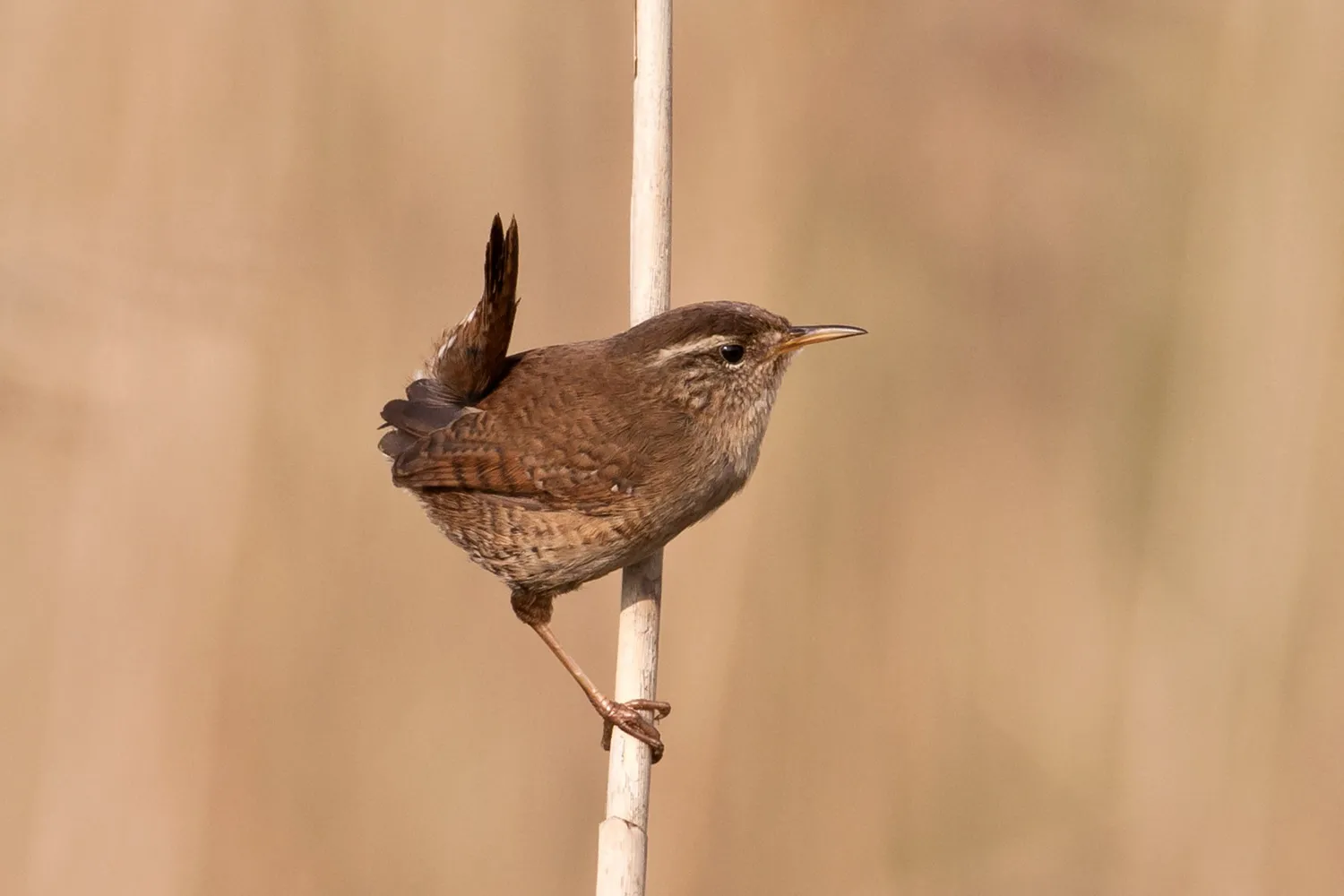
In the latest report looking at the size of our bird populations the Wren tops the list with 11 million pairs across the UK. The latest report, Population estimates of birds in Great Britain and the United Kingdom shows that the Wren continues to hold the title of our commonest bird – the last report in 2013 also had Wren at the top of the list but with a population of just over 8.5 million pairs. Wren numbers are known to fluctuate according to environmental conditions and it may be that generally milder winters are benefitting one of our smallest birds. The top five are made up of Wren, Robin (7,350,000 pairs), House Sparrow (5,300,000), Woodpigeon (5,150,000) and Chaffinch and Blackbird share the number five spot at 5,050,000 territories each. It is estimated that there are around 85 million breeding pairs of birds in the UK altogether, just over one and a quarter pairs for each of us. This is similar to the last estimate calculated in 2013. There are also 20 species whose populations are more than 1 million pairs. As always there have been winners and losers. One of the most shocking falls in numbers is that seen by the Turtle Dove, down from 75,000 pairs in 1997 to an estimate of just 3,600 pairs in the latest report, and, there are now no breeding waders in the UK that have a breeding population greater than 100,000 pairs, with Lapwing and Oystercatcher falling below this for the first time. Almost as surprising is the fall in number for one of our most familiar of birds, the Chaffinch. Since the last report, seven years ago, the Chaffinch breeding population has fallen by 1.15 million pairs - the drivers of which are unclear and need further investigation. Lead author of the paper, Ian Woodward of the British Trust for Ornithology (BTO), said, “It is great to have these latest estimates of the numbers of our birds. Knowing how many of which species we have is important for many reasons, not least of which is the ability to make better informed decisions when it comes to conservation policy and site management. It is thanks to the thousands of volunteers that take part in a variety of bird surveys that we have the data and are able to produce these figures at all.” There have been three other avian population estimates all published in the journal British Birds, the first in 1997, followed by others in 2006 and 2013. For more on the report
04-02-2020
Welsh Yellowhammers in long-term decline
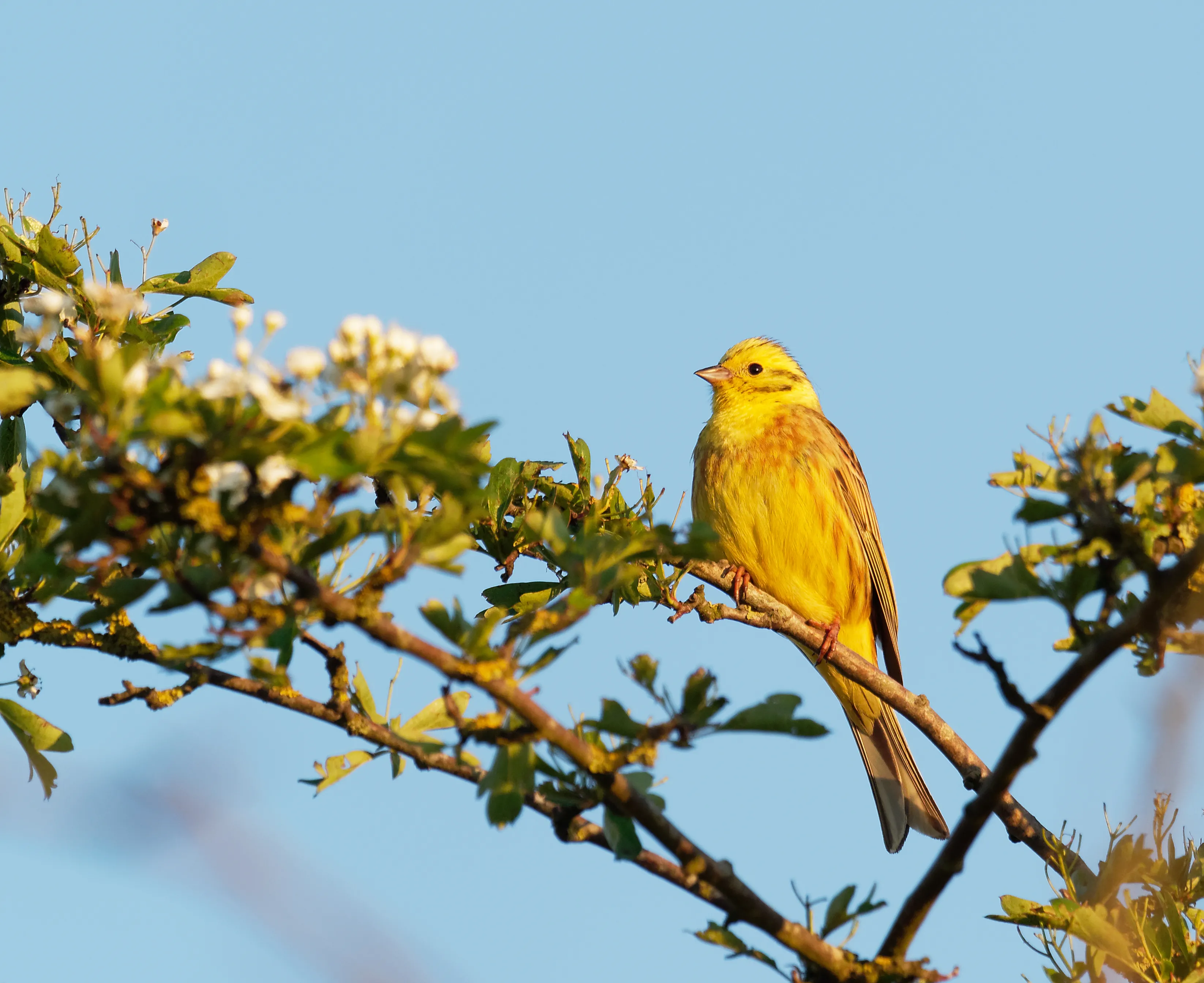
Since 1994, Yellowhammer numbers have declined by 57% in Wales. The Yellowhammer is often thought of as a bird of arable farmland, with declines linked to agricultural intensification in this habitat specifically. However, the decline monitored by Breeding Bird Survey volunteers in Wales suggests the problem is a wider issue, as shown in the latest Breeding Bird Survey report. The move towards more efficient grass-based livestock rearing and the resultant loss of potentially seed-rich arable and fodder crops, that provide a critical source of seeds during the winter months for Welsh Yellowhammers, is thought to be a driver behind the decline. There is also additional pressure on breeding Yellowhammers in Wales because the high level of grazing in the country results in fewer unimproved, unfertilised and uncut field margins. Combined with increased herbicide spraying, this is reducing the availability of the invertebrate prey the Yellowhammers need to feed their young – thus reducing their overall breeding success. Added to this is the reduction in nest site availability due to the loss and degradation of farmland margins and hedgerows. Sarah Harris, BBS Organiser at the British Trust for Ornithology, said, “Yellowhammers are a familiar feature in the Welsh countryside and a decline of 57% shows these colourful buntings are in real trouble. Breeding Bird Survey coverage in Wales has increased in recent years, thanks to local efforts to encourage more volunteers to take part and to mentor those who take on a 1-km survey square for the first time. In time, this will increase the number of species for which we can calculate trends for Wales. Many thanks to all involved.” Dr Siân Whitehead, Natural Resources Wales’ Terrestrial & Freshwater Ornithologist, said, “This research will make sure that we’re making key decisions based on sound evidence, such as the importance of ensuring these wild bird populations have access to suitable habitat at all stages in their lifecycle. It’s not just a question of providing suitable sites for nests, but we are also making sure that birds can find enough food in both the breeding and non-breeding seasons.” Stephen Bladwell, RSPB Cymru’s Biodiversity Manager, said, “Like many of our farmland wildlife, these colourful little characters remain a key concern. Being a predominantly seed-eating bird about the size of a sparrow, shelter and food is vital for their continued survival. Thankfully, research has shown that there are ways of providing seed food throughout the colder months, as grass fields are left to set seed over the winter. Combined with the protection of hedgerows and diverse habitats such as ffridd this can make a real difference, helping to ensure the high pitched song of the Yellowhammer - often likened to ‘a little bit of bread and no cheese’ - is enjoyed for years to come.”
07-07-2016
Marsh Award for Local Ornithology
The Marsh Local Ornithology Award was presented to Dr Jim Cassels of Arran Natural History Society (ANHS) yesterday evening (30 October) by Professor Ian Newton, BTO Chair, and Jo Winyard and Professor Bill Sutherland, on behalf of The Marsh Christian Trust. In nominating Arran Natural History Society for the Marsh Award for Local Ornithology, Dawn Balmer, UK Coordinator for Bird Atlas 2007-11, reflected upon the commitment of the Arran Natural History Society and Dr Jim Cassels’ personal drive. During the early stages of the national Bird Atlas project, Jim Cassels persuaded the Arran Natural History Society to attempt a more-detailed local breeding and wintering atlas of the birds of Arran, despite having only a handful of keen bird surveyors available to support the work. To complete the project, Jim and the ANHS engaged the whole community on Arran, encouraging people to submit records for the Atlas. They did this by writing regular articles for the local weekly paper the Arran Banner, giving talks and building special atlas pages on the Arran birding website. Visitors to the Island were persuaded to contribute records. Bird walks were organised to give local people valuable fieldwork experience and to build their confidence levels. Nearly 700 people submitted records for the Atlas, between them achieving complete coverage of the 139 tetrads (2-km squares) on Arran over five winters and five breeding seasons. Jim Cassels has been the Atlas Regional Organiser for Bird Atlas 2007–11, coordinating fieldwork and undertaking validation of records on the Isle of Arran. The project is now in the writing and map production phase, again led by Jim. The Arran local Atlas will advance the knowledge of the status of breeding and wintering birds on Arran and will provide an important baseline against which to measure change in the future. Dr Jim Cassels said, I was delighted to accept the Marsh Award for Local Ornithology on behalf of the Arran Natural History Society. It was a most unexpected yet welcome accolade, a fitting tribute to all who had contributed to this work. BTO Director, Dr Andy Clements said, We have been delighted to work with local birdwatching groups during the Bird Atlas 2007-11 project. The achievements of the Arran Natural History Society, and Jim Cassels in particular, should not be underestimated. This is tough terrain in which to look for birds and we are inspired by the coverage that has been achieved. The Marsh Local Ornithology Award is made to a bird club or group that publishes a book, completes a study or conducts any other exceptional activity that advances knowledge about birds. Images are available for use alongside this News Release. Please contact images@bto.org quoting reference 2013-42 The BTO has an ISDN line available for radio interviews. Please contact us to book an interview Office: 01842 750050
31-10-2013