Throughout the year we send out press and media releases to individuals and organisations who have signed up to receive these. This page holds details of the press releases posted over the past two years. For press and media enquiries, please email press@bto.org.
British gulls contribute to plastic pollution in European wetlands
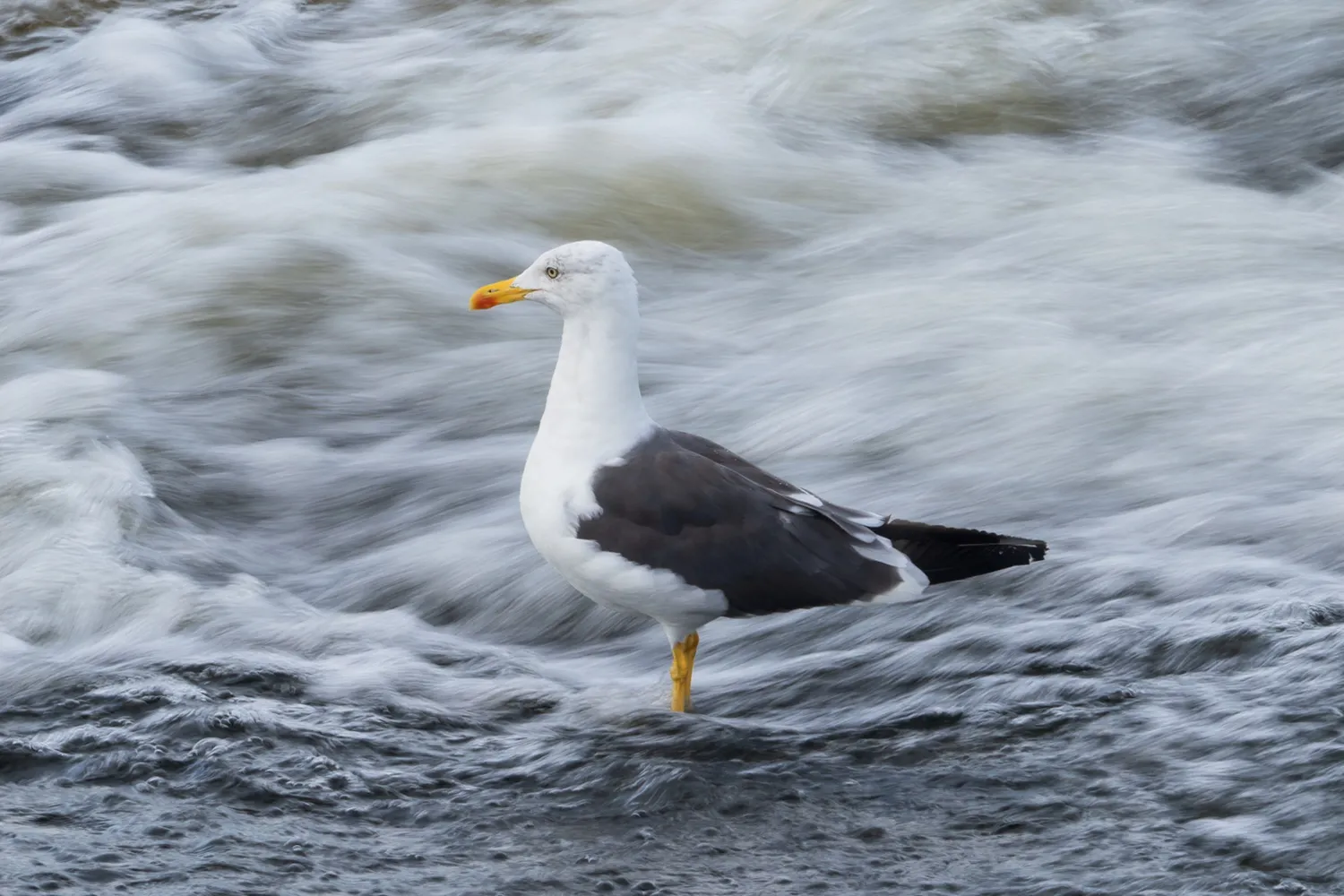
Researchers in Spain have discovered that gulls visiting from Britain are transporting significant amounts of plastic waste from landfill sites to key wetland areas. The threats posed by plastic pollution to marine environments have long been understood but this study sheds new light on the potential problems faced by freshwater sites. A paper recently published by the Doñana Biological Station, of the Spanish Science Council (CSIC), and in collaboration with the British Trust for Ornithology (BTO), shows how birds feeding on landfill sites ingest significant amounts of plastic and other debris then later deposit these indigestible fragments while roosting at natural wetlands. Gulls, like birds of prey and owls, regurgitate pellets often containing fish bones, feathers and other non-edible items. However, those birds feeding on open landfills often ingest plastic, glass and textiles along with human food waste. And while we know that eating these pollutants can cause serious direct harm to birds’ health, this research shows that the problems could have far greater ecological impact than previously expected. The study focused on Lesser Black-backed Gulls, a common wintering bird in Andalusia, south-west Spain. The birds, which had been fitted with GPS tags at breeding sites in the UK including colonies in Cumbria and Pembrokeshire, were monitored as they fed at the landfills and moved to roost and bathe at the internationally important Fuente de Piedra lake nature reserve in Malaga. Pellets disgorged by the gulls were collected at the lake and 86% of these were found to contain plastics. Researchers revealed that around 400 kg of plastic is deposited by gulls into the lake, famous for its colony of Flamingos, each winter. Once in the lake, these plastics have nowhere to go and will eventually break down in microplastics, causing possible long-term threats to other wildlife and the wider environment. Senior author on this research study, Professor Andy Green said, “When we throw plastics away, some of them are likely to end up on being carried by birds into wetlands. It’s another reason we need to reduce the amount of plastic waste we generate.” Throughout Europe, gulls feed widely on landfills and other waste sites, before heading to roost at wetlands, lakes and other freshwater locations. Dr Chris Thaxter, Senior Research Ecologist with the BTO said, “This study suggests that the translocation of harmful plastics could be more widespread and problematic than we’d assumed. Gulls are highly mobile and act as highly efficient biovectors, transporting these pollutants considerable distances, posing yet more threats to important wetland habitats across the globe.” Publication details Read the full research paper on Science Direct
07-02-2024
Mixed fortunes for UK’s herons and egrets
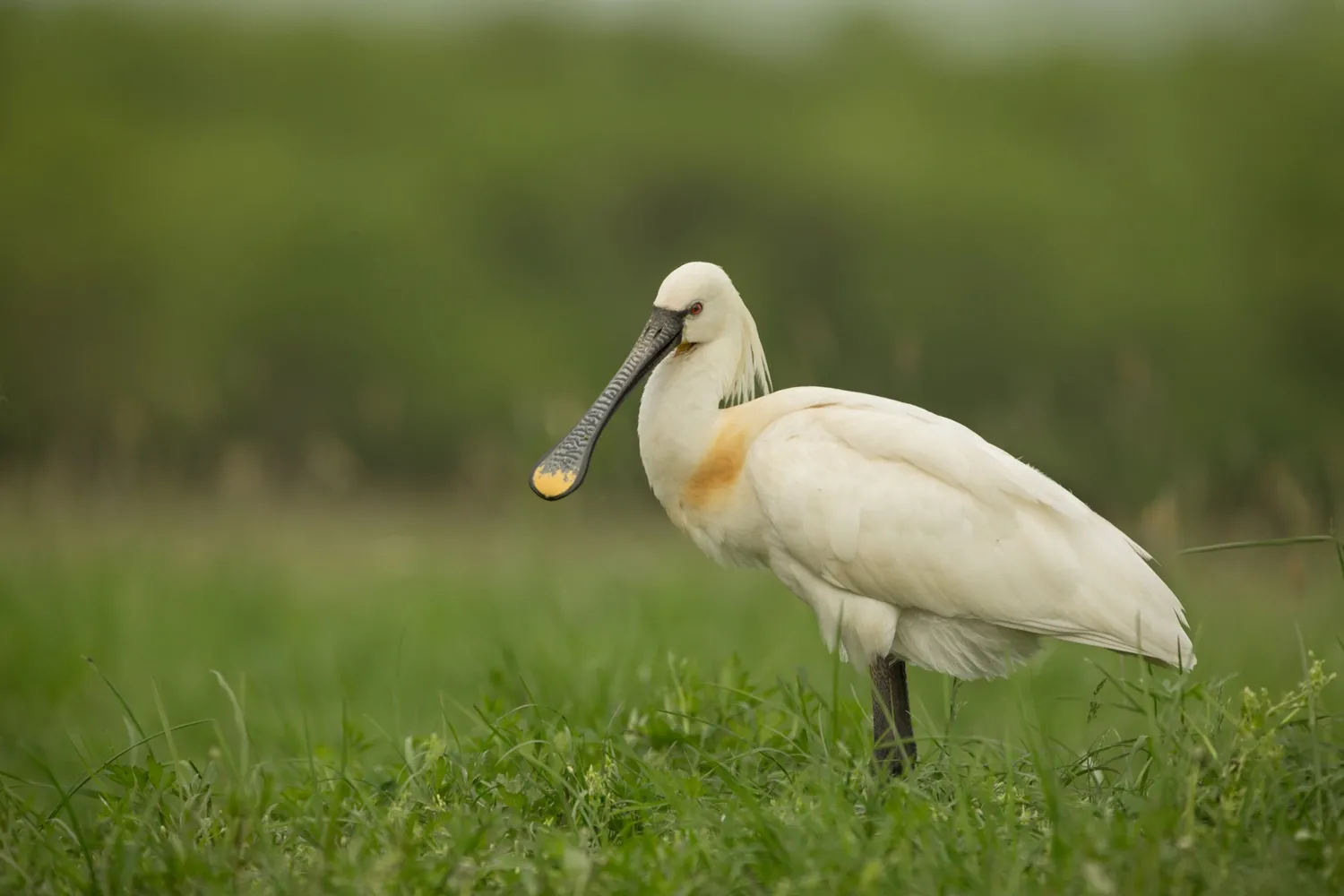
Surveys show colonising egrets and Spoonbills continuing to increase in many parts of the UK, while breeding Grey Herons seem slow in bouncing back following recent declines. The British Trust for Ornithology (BTO) is marking World Wetlands Day (2 February) with the latest findings from its long-running Heronries Census. First launched back in 1928, the study set out to monitor and estimate the numbers of Grey Herons nesting in Britain. In recent years, the species covered in the census has grown as egrets and other waterbirds formerly restricted to the continent have colonised the UK’s wetlands, considered by many to be a direct result of climate change. Little Egrets first nested in the UK in 1996 and over the past couple of decades they have been joined by Great White Egrets, Cattle Egrets and Spoonbills. Another bird covered by the census is the Cormorant, which has seen a change in nesting behaviour, with some birds now breeding inland in trees as opposed to on traditional coastal cliffs. Grey Herons have shown ‘boom and bust’ population rises and dips since the census began almost a century ago, with temporary declines often associated with severe winters. However, the current reduction in breeding numbers is showing little sign of recovery and researchers are concerned that this familiar bird may be heading for the Birds of Conservation Concern Amber List. Ian Woodward, Research Ecologist at the BTO said, “This ongoing survey helps us monitor the overall well-being of nesting heron species across the UK. Thanks to the wealth of information gathered by our dedicated volunteers we can see just how these birds are responding both positively and negatively to changes in the environment. It also goes to show just how important the UK’s wetlands are as essential habitats for many of our resident species as well as those already colonising from the continent, such as Spoonbills, and those showing signs of doing so, such as Glossy Ibis.” The Heronries Census is a valuable tool in the BTO’s research into the changes occurring within populations of wetland birds and more volunteers are being sought to help fill in some of the missing gaps. Ian added, “Many birdwatchers may be aware of new or small nesting colonies that haven’t yet been recorded by the census, and these could be vital in our understanding of how these species are adapting to change, or colonising new areas. The more information we can gather, the better we will understand just how our nesting herons and egrets are faring in an ever-changing landscape.” More about the BTO Heronries Census
02-02-2024
Travel far, breed hard, die young! The surprising lifestyle choices of Short-eared Owls
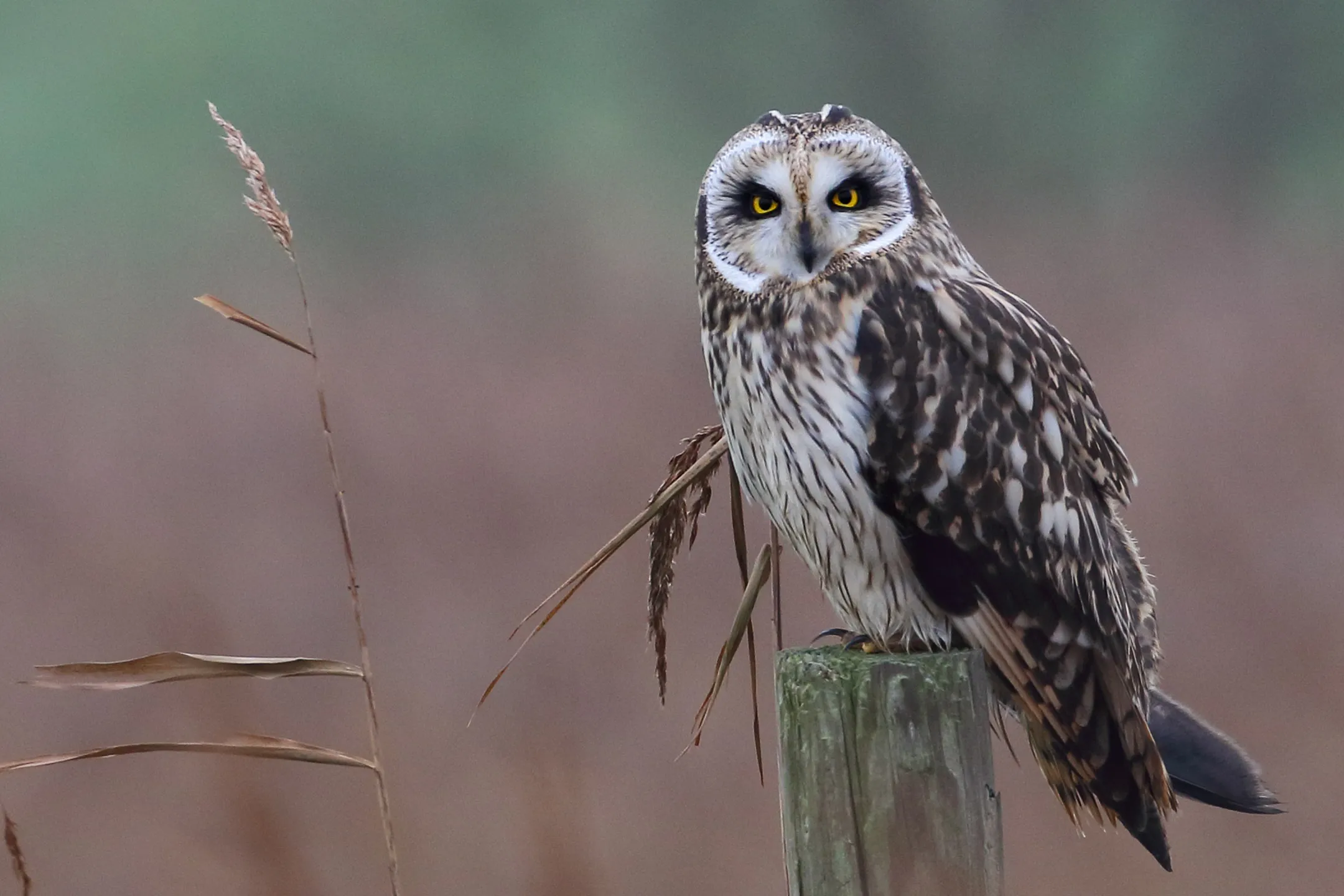
'Travel far, breed hard, die young' – while this might sound like a hedonistic rock-and-roll lifestyle, a new study by researchers at the British Trust for Ornithology (BTO), with collaborators in Iceland and Spain, reveals this is how Short-eared Owls live their lives. Describing the incredible and surprising movements of Short-eared Owls across Europe and south into Africa, these new results underline a need to plan conservation action for this species at larger scales than previously considered. The Short-eared Owl, whose appearance and disappearance from regions has fascinated birdwatchers and ecologists for decades, was a bird for which we lacked key information on movements and the degree of connectivity between populations. A new study by BTO researchers, along with the University of Iceland and the Spanish National Research Council (CSIC), just published in the journal Ibis, fills this important knowledge gap and provides new evidence that will enable us to better protect and conserve this enigmatic species. The Short-eared Owl has an extensive, but declining, distribution, across which it is predominantly a specialist predator of small mammals. The abundance of its favoured vole prey can vary markedly, both in time and space, making these rodents an unpredictable food resource. While Short-eared Owls can switch to other prey when voles are not available, their more common response is to move to other areas, resulting in irruptive or nomadic movements. Studying these movements has proved challenging, but advances in tracking technologies have enabled BTO Senior Research Ecologist John Calladine and colleagues to collect new information. The movements of 47 Short-eared Owls, from multiple European locations (Iceland, Scotland, and Spain), were tracked with GPS devices. The study reveals an unexpectedly large degree of movement in the tracked individuals, with some of the birds tagged in Scotland and Spain travelling widely across Europe and North Africa, and one bird tagged in Iceland travelling to Britain. Nine individuals of these 47 were monitored while nesting over two seasons, and the distances between nest sites used by the same individuals in sequential years ranged from 41 to 4,216 km. As far as we are aware, these represent some of the longest known distances between nest sites by any bird. Of two females tagged while nesting just 2 km apart on the Isle of Arran (Scotland) in 2021, one went on to breed in northern Norway in 2022 and the other to the Pechora Delta in Arctic Russia. Incredibly, another female tagged at its nest in Scotland in 2017 – bred twice in 2018, once in Scotland and again in Norway. However, travelling so widely to find places where there is sufficient prey where large broods can be reared does have its consequences – less than half the adult birds survive from one year to the next. So, rather than leading a hedonistic lifestyle, these birds are actually behaving selflessly. Their extensive travel to find enough voles to rear the next generation of owls has a knock-on effect on the condition of the individual and its chances of surviving for another year. Out of 18 successful breeding attempts by 14 tagged females, in all but two instances the females departed before the youngest chick was fully independent, leaving the male to finish rearing the brood. Again, this is new information that was not even suspected before this study. The types of movements recorded in this study, and the scale of these, implies that there are not distinctly separate populations of Short-eared Owls across much of Europe. Rather, there is a single potentially integrated population across most of the range, albeit with some comparatively more – but not completely – isolated populations (such as that in Iceland). John Calladine, BTO and lead author on the research paper, said, This new knowledge has significant implications for attempts to protect and conserve this species, and underlines a need to collect information on Short-eared Owl populations from sufficiently wide geographic scales and/or over the long term. Importantly, conservation action for the birds will need to be on a similarly wide scale. This study was only possible because of the generosity of those individuals and organisations who provided the funding necessary to purchase and deploy the tracking devices fitted to these amazing birds. Neil Morrison, of the Tay Ringing Group and who has been key to the study right from its conception, said, I've been studying these owls for decades and thought I knew what they did. How wrong could I have been! To think that owls breeding in 'my glens' could then go on to breed in the Arctic or try and cross the Sahara –, who would have thought that! It's been a real privilege to be able to follow these birds in such detail. Now we have the knowledge to help ensure they continue to amaze us into the future.
16-01-2024
Evidence suggests that protected areas should be extended.
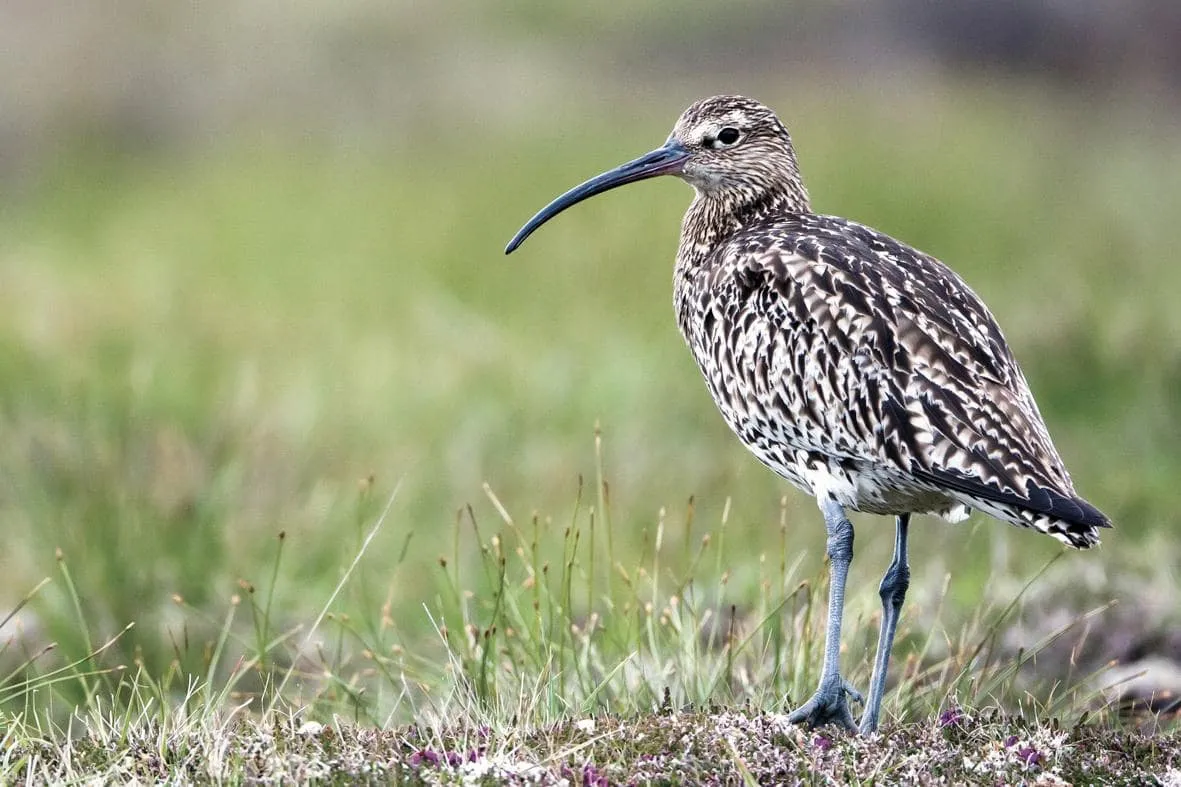
A new study, involving BTO and the Wash Wader Research Group, has highlighted the importance of agricultural fields adjacent to The Wash for wintering Curlews. These sites, which fall outside of the current protected areas, were particularly important for the shorter-billed males. With pressures on land around The Wash for development, the current lack of conservation protection on these sites is a concern. Ongoing declines have been reported for many of our wader species, and there is an urgent need to both understand the reasons for these declines and assess the effectiveness of any associated conservation action. Intertidal habitats are often well-used by waders outside the breeding season, but some species also make use of other adjacent habitats during this period, including agricultural fields. Understanding the importance of these non-tidal habitats for waders is crucial, especially as such land is rarely included within the protected areas designated for these species. A new study, just published in the journal Wader Study, highlights the importance of agricultural land adjacent to The Wash in eastern England, for wintering Curlews. The Curlew has been described as our highest conservation priority and is a Red-listed species of conservation concern because of its rapidly declining numbers. Information on the winter-feeding distribution of Curlews was collated from resightings of individually colour-marked birds, caught and ringed at sites around The Wash by the Wash Wader Research Group. The sex of individual birds was determined from measurements taken in the field, and this provided an opportunity to establish if males and females differed in their use of the available habitats. Colour-marked Curlews were regularly observed feeding on agricultural fields adjacent to The Wash. Importantly, those Curlews seen feeding in fields were significantly more likely to be male and those on the estuary more likely to be female. Although there is a small degree of overlap, female Curlews have longer bills than males. The difference in habitat use evident in the resighting data probably reflects the fact that the longer-billed females can access more intertidal worms and are more efficient feeders when probing. Shorter-billed individuals may be better suited to feeding in the denser substrate typical of agricultural fields, and they may also struggle to find sufficient prey when using intertidal areas. Rob Robinson, BTO Associate Director and one of the authors of the study, said, “That inland fields are used by increasing numbers of Curlews, particularly males, through the winter months has implications for existing conservation approaches. The Wash is protected by various national and international designations, but these relate primarily to the intertidal habitats; the inland fields are not protected and are subject to pressure on land for development. Should these inland feeding sites be lost this is likely to affect males (particularly those with the shortest bills) disproportionately, which may have implications for the wider Curlew population.” Jacquie Clark, Wash Wader Research Group and one of the authors of the study, said, “The study’s findings, that fields adjacent to The Wash are important to wintering Curlews, suggests that serious consideration should be given to extending the area around The Wash receiving protection. Without this, there is a risk that these important sites will be lost to development, to the detriment of a species whose populations are already under significant pressure.”
04-01-2024
Declining seabirds on a cliff edge
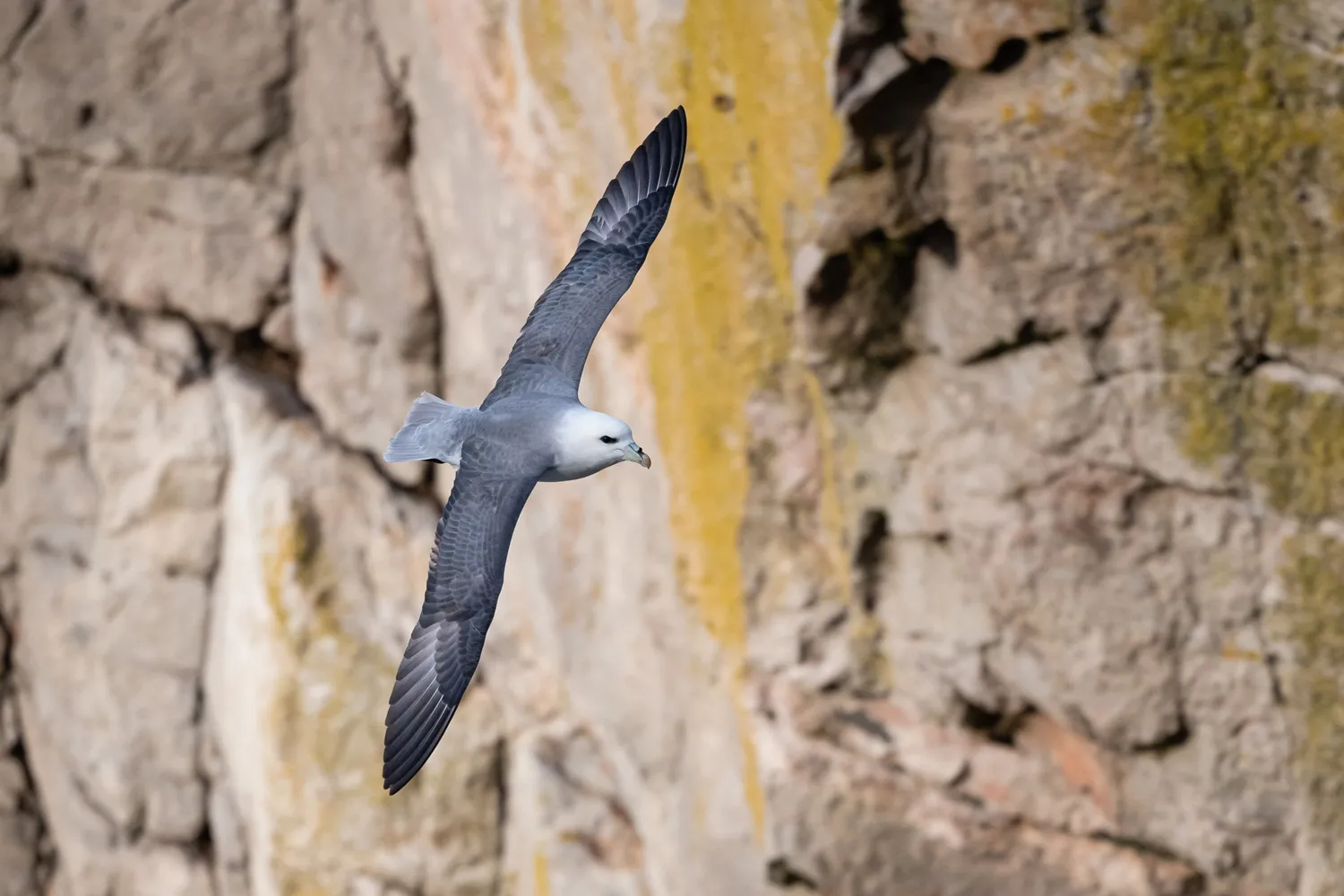
Globally important seabird colonies have suffered catastrophic impacts of avian influenza over the last two years. Now, newly published research led by the British Trust for Ornithology (BTO) suggests that the majority of seabird species in Britain and Ireland are also likely to suffer long-term impacts from climate change that may even surpass these recent losses. The study, published today in the journal Marine Ecology Progress Series, projects that under a scenario of 2°C warming by 2050, some species such as Puffin, Fulmar and Arctic Tern could see population declines of more than 70% compared to their numbers at the turn of the millennium. The results suggest that marine specialist species, including terns, auks and petrels, are at greater risk than more generalist and adaptable species such as gulls. Some species may colonise new areas of Britain and Ireland, but for most species this is not likely to compensate for declines in areas where they currently breed. The study found that seabirds are generally present in lower numbers where the air temperature is higher during the breeding season, although each seabird species responded in its own way to different aspects of the marine and terrestrial climate. However, it concludes that most seabird species in Britain and Ireland will struggle due to impacts from warming air and sea temperatures, as well as changes in rainfall patterns and other aspects of the marine environment. These changes could potentially reduce food availability for seabirds or increase the likelihood of death due to extreme weather events. Dr Jacob Davies, BTO Research Ecologist and lead author of the study said: “Here in Britain and Ireland, we are fortunate to host internationally important breeding colonies of seabirds. Our research suggests that many of our much-loved seabird species such as the Kittiwake and Puffin are particularly sensitive to the negative effects of warming and are seriously threatened by climate change.” “Alongside the potential negative future effects of climate change, many of our seabirds are already in steep decline, due to a range of factors including overfishing and avian influenza. The better we understand the problems these iconic species face and how birds may respond to them, the better placed we will be to help them.” Dr Rich Howells, Senior Marine Ornithologist, Marine Directorate, Scottish Government, who co-authored the study said: “Climate change is the greatest threat to our internationally important seabird populations. This study provides important information on potential climate change impacts over the long-term, which can be used to inform our conservation actions to increase resilience in seabird populations.” This paper is available at https://www.int-res.com/ The work was part of the MarPAMM project, funded by the European Union’s INTERREG VA programme and managed by the Special EU Programmes Body. Marine Directorate is responsible for the integrated management of Scotland's seas. Its purpose is to manage Scotland's seas for prosperity and environmental sustainability, working closely with our key delivery partners and others.
22-12-2023