Throughout the year we send out press and media releases to individuals and organisations who have signed up to receive these. This page holds details of the press releases posted over the past two years. For press and media enquiries, please email press@bto.org.
Heathland Birds Survey new for 2025
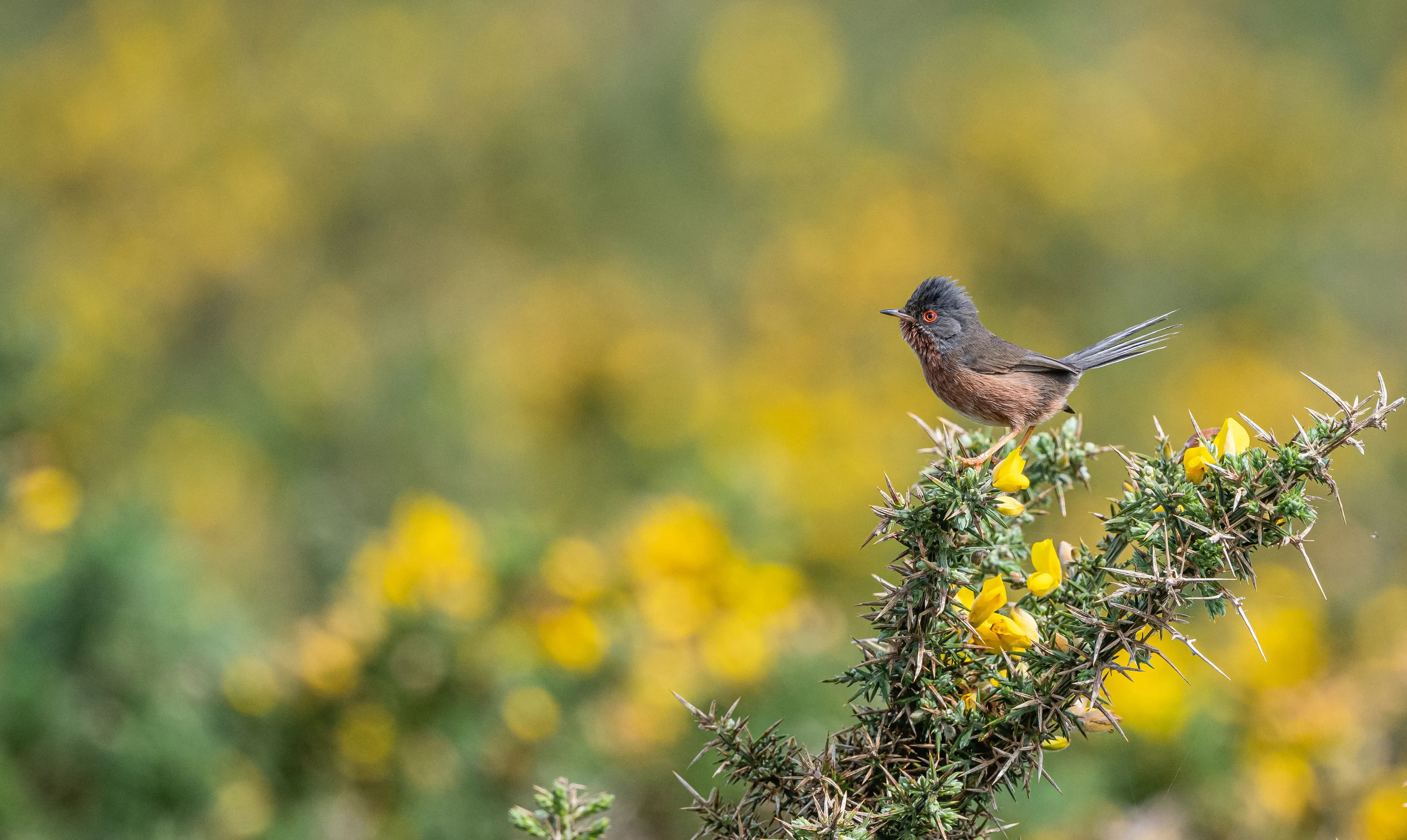
The UK’s heathlands are incredibly special places. These, and other similar open habitats, support a wide variety of rare plants, insects, birds, and animals. Now, for the first time in two decades, the British Trust for Ornithology (BTO) is asking UK birdwatchers to help survey these extraordinary landscapes. Heathlands are characterised by sparse open vegetation, with low-growing plants such as heather, gorse and bracken, with scattered trees. These and similar habitats, such as clear-cut areas in commercial forests, moorlands, and coastal scrub, will be included in the survey, as they are also home to a similar selection of key species. The main focus of the survey, which is being launched in January 2025, in partnership with the RSPB, and funded by Natural England, is to determine the current status of three scarce birds across the UK and Channel Islands: Woodlark, Nightjar and Dartford Warbler. It will also record a number of other important heathland bird species such as Hobby, Grasshopper Warbler, Cuckoo, Curlew and Stonechat. The previous population estimates made for Woodlark, Nightjar and Dartford Warbler are now almost 20 years old, based on data from surveys undertaken at a time during which all three species had undergone a substantial increase, in both population size and distribution. At that time, both Woodlark and Dartford Warbler were at their most northerly recorded UK breeding ranges, while Nightjar was regaining ground in northern England and even into Scotland. It is hoped that the new survey will indicate how these birds are faring and where we may need to look at habitat protection to safeguard potential future expansion in range and population. Nightjar - a nocturnal bird which migrates to breed in the UK from tropical Africa, the Nightjar’s eerie churring song is a distinctive sound of summer heathlands. Woodlark - less familiar to most people than its relative the Skylark, this delightful songbird prefers lightly wooded heaths and adjacent farmland. Dartford Warbler - these characterful small birds can be found in selected areas in southern and eastern England, southern Wales, and the Channel Islands. All three species are highly reliant on protected sites, including Sites of Special Scientific Interest (SSSIs) and Special Protection Areas (SPAs), which can be vulnerable to habitat change and damage, such as that caused by fires and extreme weather events. David Norfolk, Senior Research Officer with BTO, says, “Given the large proportion of Nightjar, Dartford Warbler and Woodlark populations that depend upon protected habitats, it is vital that we have updated population estimates to ensure that these important sites are maintained appropriately and continue to support these rare species.” Andrew Stanbury from the RSPB, said, “The data collected from this survey will be vital to help us work out the latest population estimates for these heathland bird species across the UK as well as identifying the sites most in need of protection in order to give them a safe and secure future.” Hear the sound of a churring Nightjar Hear the sound of a singing Woodlark Hear the sound of a singing Dartford Warbler
17-01-2025
Saving birds through sharing science
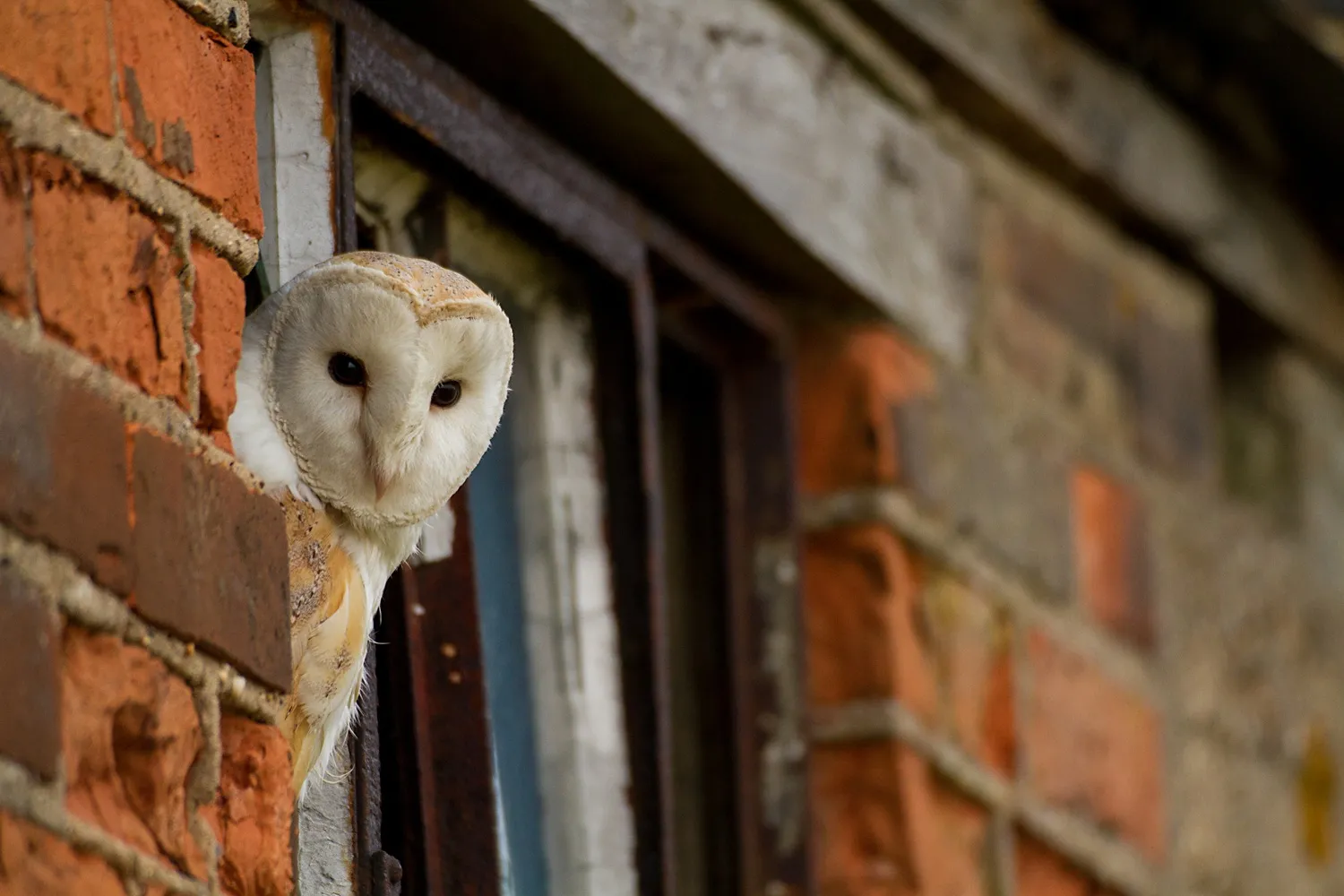
In a pioneering new move, the British Trust for Ornithology (BTO) is making decades of breeding bird data freely available to the wider conservation and research community. When it comes to the UK’s birdlife, BTO has been at the forefront of monitoring population trends for almost a century. Thanks to the tireless contributions of thousands of dedicated, active volunteers from across the UK countries, working alongside BTO scientists and partner organisations, we have a sound understanding of how our wild birds are faring in the modern world. Breeding Bird Survey (BBS) data are widely used in research and the information has always been available upon request, but now the vast volume of data which includes over seven million records, is to be made freely and openly available. Published in the journal Global Ecology and Biogeography, ‘The Breeding Bird Survey of the United Kingdom’ represents one of few structured national recording schemes for birds anywhere in the world which makes the information collected by its volunteers wholly available to anyone who wishes to access it. It is hoped that the significant volume of records will enable researchers, students, ornithologists, and conservation organisations to access the data for use in further work that may ultimately provide better futures for birds and other wildlife. The BBS is a long-running partnership project involving BTO, JNCC, and RSPB. It gathers data from across the UK and provides ornithologists with details that illustrate any changes in numbers, as well as distribution, of more than 100 of the nations’ commoner birds. This information, when combined with its predecessor survey, the Common Birds Census (CBC), also contribute significantly to the annual Wild Bird Indicators, which constitutes part of the UK government’s biodiversity framework. These survey results have highlighted the long-term declines of many of our farmland birds and confirmed more recent declines in our woodland species. BBS data are critical in creating such important measures as Birds of Conservation Concern (highlighted through the Green, Amber, and Red Lists) and help test which agricultural policies are working effectively for birds. Dr. Simon Gillings, BTO’s Principal Data Scientist, says, “To be able to share this vast amount of material to a wider audience is a real step forward. By making these incredible data, gathered by thousands of volunteer birdwatchers, freely available in one place will allow researchers, conservationists and a wide range of other interested stakeholders, to access decades of invaluable information. This will contribute to shaping our understanding, and ultimately the implementation of greater action to help protect our breeding wild birds.” Prof. Richard Gregory, the RSPB’s Head of Monitoring, said, “The UK has some of the best nature monitoring in the world and making this treasure trove of information available to others will help us answer some of the important questions about why our birds are in decline, and most importantly what we can do to reverse this.” Read the published, open access, article
13-12-2024
Committed volunteers and conservationists win prestigious awards
The outstanding contributions of six individuals and one organisation were celebrated at the British Trust for Ornithology’s annual awards ceremony in October. The event at London’s Mall Galleries brought together celebrated scientists, dedicated volunteers and BTO staff. It was co-hosted by the Society of Wildlife Artists (SWLA) Natural Eye Exhibition. The stunning environs of the Society of Wildlife Artists' Natural Eye exhibition at London's Mall Galleries played host to the 2024 Marsh Awards for Ornithology on Thursday 17 October. This annual event recognises outstanding contributions made by both professional and volunteer ornithologists. The awards are presented through a partnership between the British Trust for Ornithology (BTO) and the Marsh Charitable Trust. Over 130 invited guests attended the event, which coincided with the opening of the SWLA Natural Eye exhibition, to celebrate the ornithological achievements of the award winners. This year’s BTO Marsh Award for Ornithology went to Dirk Raes. This award recognises ornithologists who are making a significant contribution to the field. Dirk founded and remains the driving force behind the website cr-birding which helps coordinate nearly 7,000 colour ring projects across Europe – something he does entirely in his spare time, and despite not being a bird ringer himself! This year’s BTO Marsh Award for Young Ornithologist was won by Katie Monk. Katie is a real mover and shaker in BTO Youth and indeed other nature conservation organisations. She walked 1,300 miles from Land’s End to John O’Groats with Indy Green, to raise money for the Hebridean Whale and Dolphin Trust. The BTO Marsh Award for Local Ornithology is given to a bird club or group for an exceptional activity that advances our knowledge of birds. This year, BTO were delighted to award it to Ken and Linda Smith and Gus Robin, co-ordinators of the wonderful Woodpecker Network, who are doing so much to help understand and conserve the increasingly rare Lesser Spotted Woodpecker. Alongside the Marsh Awards for Ornithology, BTO also presented its Dilys Breese Medal, awarded to outstanding communicators who deliver science to new audiences, and the Jubilee Medal, which is awarded to individuals who have shown outstanding and committed devotion to BTO. BTO Dilys Breese Medal was awarded to Megan McCubbin. A well-known zoologist and broadcaster, Megan has given her time to support young bird and nature lovers through her involvement with BTO Youth events and her social media accounts. Her broadcast work on programmes like BBC Springwatch regularly sees her mentioning BTO’s work and she kindly contributed to BTO’s Into the Red publication and associated promotion, again increasing awareness of BTO and our work. The Jubilee Medal went to Penny Williams, who has been a committed BTO Regional Representative for Surrey since 2010. Two medals were also awarded to the following recipients in a small gathering at the BTO Scottish office in Stirling. The Bernard Tucker Medal for outstanding contribution to BTO's scientific work was presented to Mike Bell. Mike has made a valuable contribution to our knowledge of changes in Scotland's bird populations through long-term BTO monitoring and his own studies. The Jubilee Medal for outstanding and commitment to BTO went to Neil Bielby. Neil has been the BTO Regional Representative for Central Region in Scotland since 1995, and is a key BTO surveys organiser. Professor Juliet Vickery, BTO Chief Executive, said, “Each year we are astounded by the sheer dedication, and breadth of skills presented by the award nominees. Choosing winners is always a difficult task, but we were delighted to recognise the extraordinary efforts of all of this year’s winners in helping to conserve birds, while teaching and inspiring others.”
18-10-2024

Young birders take the prize at Spurn Migfest
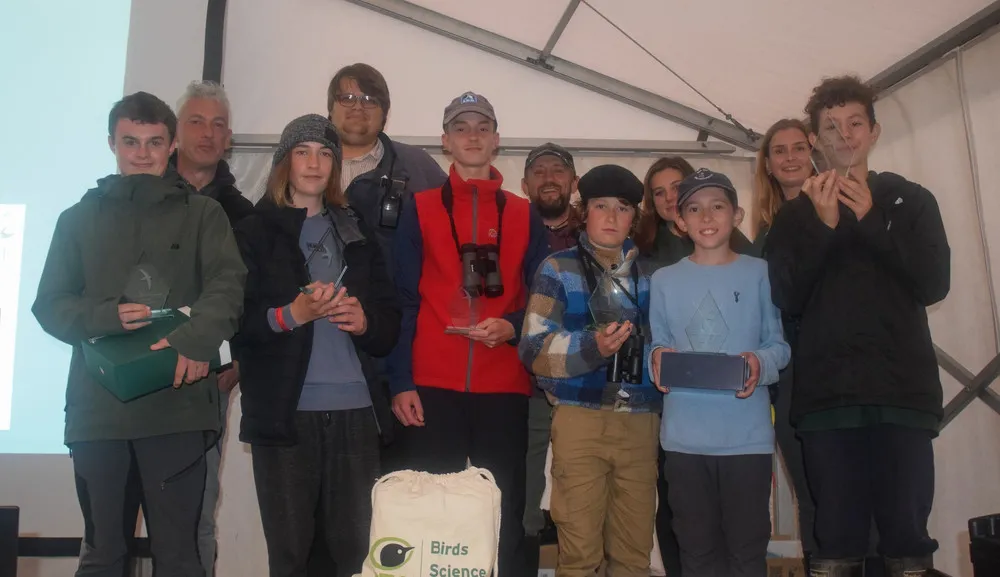
The 2024 Martin Garner Spurn Young Birders have been put through their paces, testing their general birding and identification at the Spurn Migration Festival, and the winners have been named. The Martin Garner Spurn Young Birder (MGSYB) awards celebrate and highlights the remarkable enthusiasm of keen young birdwatchers. Six youngsters, who have crafted their ornithological skills, knowledge and fieldcraft, are selected from the many impressive entries and invited to Migfest, where they set out to impress the judges via a series of challenges. Reaching the finals is in itself a huge achievement, and the six finalists are split into two categories: a 'junior category' for those ‘13 and under’ and a 'senior category' for those aged 14 to 16. The chosen six young birders have to demonstrate their skill, identifying birds in the field and answering questions related to four distinct habitat types: Estuary Watch, Seawatching, Visible Migration and Birding the Bushes. Also, part of the assessment includes an indoor theory session where they are assessed on bird calls and songs, topography, and general knowledge questions. The finalist with the highest score in their respective age category were awarded the top prize. Edgar Jolly, aged 11 was the winner of the junior grouping, while Sam O'Donnell aged 16, was awarded top marks in the senior category. Close behind this outstanding pair were the remaining junior finalists Felix Urwin (12), and Milo Dawes (11), and seniors Hugo (14) and Jac French (14). All participants were presented with an award to recognise their achievement, along with membership packages from sponsors Rare Bird Alert, British Birds and Oriental Bird Club, alongside BTO and Spurn Bird Observatory. The two winners also received a pair of Opticron (junior category) and Swarovski (senior category) binoculars. The competition was initially launched in 2015 by the late Martin Garner, a well-known and highly respected birder. A pioneer in bird identification, Martin was also devoted to helping develop the skills and knowledge of young birders. The competition was renamed the Martin Garner Spurn Young Birder award in honour of his memory, after he passed away in 2016. Sarah Harris, Spurn Bird Observatory Chair, said, “Every year, we are amazed by the incredibly high standard of bird identification and general knowledge of these young birders; the judges often remark how they themselves would have struggled with some of the questions that these finalists sailed through! One thing we noticed at Spurn Migfest this year was the encouraging number of younger people who were present. We hope that this event, among others, will continue to engage young people with birding and showcase the skills we need to ensure continued monitoring of our birdlife, and in turn, how we conserve it. Well done to everyone who applied to take part in the MGSYB 2024 and we’ll look forward to meeting yet more inspiring ‘ornithologists of tomorrow’ at Spurn in 2025!”
10-10-2024
Scotland’s seabird pirates in peril
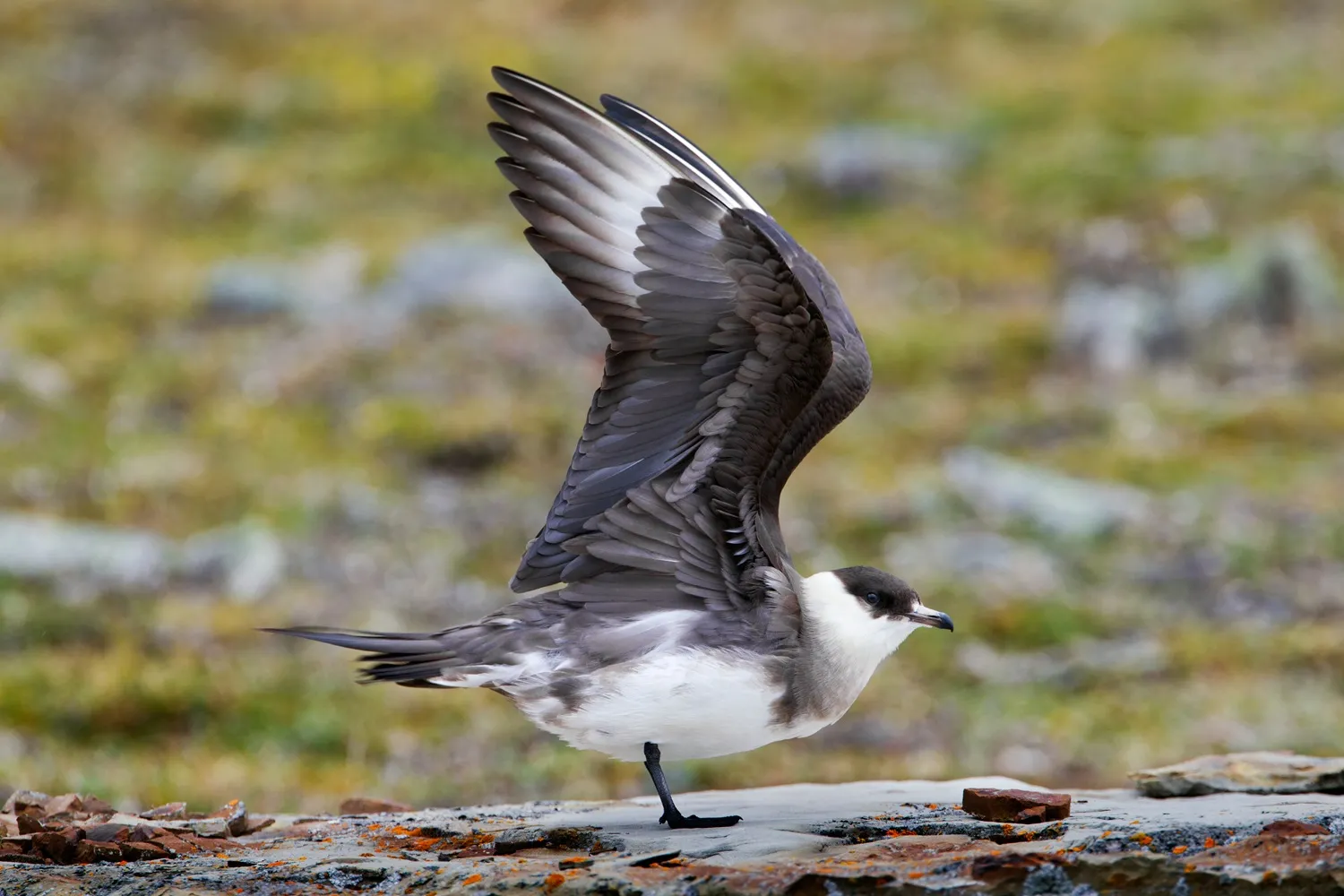
A new study led by the British Trust for Ornithology in Scotland (BTO Scotland) has unveiled the migration routes and wintering grounds of one of Scotland’s rarest and most endangered seabirds – the Arctic Skua. These discoveries are a crucial step towards understanding the threats these seabirds encounter when they are far from Scotland’s shores, and the steps we need to take to conserve them. During summer, Scotland’s coasts and islands provide a haven for breeding seabirds, from Puffins and Guillemots to Kittiwakes and Gannets. While Scotland hosts numerous bustling colonies, many of our seabird species are in decline and often much of our attention is focused on pressures experienced during the breeding season. However, seabirds spend only part of the year at these colonies – as autumn arrives, there is an eerie silence as birds leave and head out to sea. But what dangers do they face once they depart our shores? The key to addressing this question is in understanding where seabirds go outside of the breeding season. Arctic Skuas are attractive and impressive birds. Their preferred way of feeding is by stealing from other seabirds, which they relentlessly harass with remarkable agility and grace. Pursuing smaller species such as Puffins, terns and Kittiwakes, the oceanic pirates do not give up until their chosen victim has either surrendered a beak full of seafood or disgorged the fishy contents of their stomach. Sadly, despite their apparent invincibility, Arctic Skuas are the fastest declining seabirds in the UK and are on the Birds of Conservation Concern Red List. Scientists from BTO Scotland have been trying to better understand their movements and conservation needs through fitting miniature, long-term tracking devices to individuals nesting on Fair Isle in Shetland and Rousay in Orkney. Amazingly, this work revealed that skuas from both Fair Isle and Rousay, which are no further than 90 km apart, wintered thousands of kilometres away from one another. Some migrated to the Canary Current off West Africa, while most travelled further into the Southern Hemisphere, wintering off south-west Africa or south-east South America – covering distances of over 10,000 km. The study also mapped the routes taken by the skuas during their long migrations and pinpointed crucial refuelling areas where birds stopped to rest and feed during their journeys. After departing their breeding colonies in autumn, most Arctic Skuas headed south through the North Sea and English Channel, continuing along the Iberian Peninsula before heading south further still. In contrast, during spring migration, the skuas all converged on an important feeding hotspot in the mid-North Atlantic Ocean, where they could feed up ready for the upcoming breeding season back in Scotland. Dr Nina O’Hanlon, Senior Research Ecologist at BTO Scotland, said, “By identifying where these wide-ranging seabirds spend their time away from Scotland, we can begin to uncover the threats they may face, and how these may impact the skuas’ survival and future breeding success. This knowledge allows us to prioritise future research and conservation actions to protect this charismatic seabird.” BTO research was funded by several generous individual donors. The paper's authors would like to thank everyone who helped with fieldwork and all landowners, including Fair Isle Bird Observatory. Helen and David Aiton, who contributed to work on Rousay, were supported by grants from the Scottish Ornithologists’ Club and British Birds Charitable Trust.
04-09-2024