Throughout the year we send out press and media releases to individuals and organisations who have signed up to receive these. This page holds details of the press releases posted over the past two years. For press and media enquiries, please email press@bto.org.
BTO scientists call for urgent investment in long-term monitoring and improved approaches to disease response, as avian influenza decimates a suite of bird species
A devastating wave of high pathogenicity avian influenza (HPAI / bird flu) has triggered an unprecedented global wildlife emergency, decimating seabird and waterbird colonies across the UK and beyond.
26-06-2025

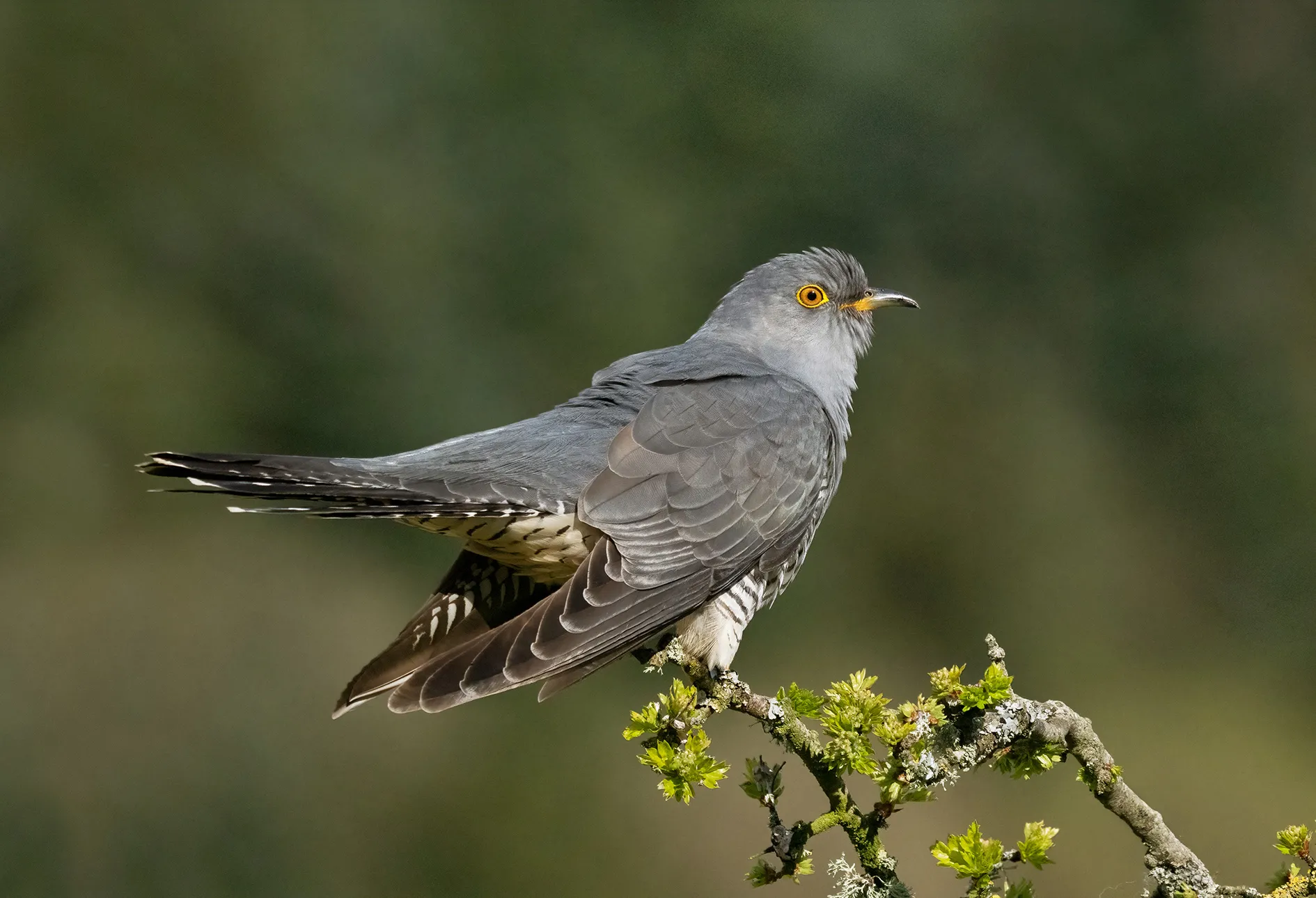
Cuckoos clock up the miles on migration
Satellite technology is helping scientists from the British Trust for Ornithology (BTO) to better understand the pressures that the UK’s breeding Cuckoos face as they make annual migrations of 16,000 km to central Africa and back. Cuckoos are a widespread and familiar bird across much of the UK, and many people can recognise the famously onomatopoeic song, but sadly we have lost more than a third of our breeding Cuckoos since 1995. Researchers from BTO have been delving into every aspect of these characterful birds’ lives, trying to better understand the causes behind these continuing, and concerning declines. Since 2011, more than 130 Cuckoos from around the UK and Ireland have been fitted with state-of-the-art tags which can be located by satellites passing overhead. Based on the frequency of the signals that the tags transmit, scientists can follow the birds’ routes in real time, allowing them to potentially identify significant obstacles and challenges that these remarkable travellers face as they make their epic cross-continental journeys. This spring an additional six birds have been fitted with these tags. And this year, for the first time, BTO have also deployed a series of highly accurate GPS tags to an additional sample of five Cuckoos that will allow the experts to see the birds’ routes and habitat use in even finer detail. These innovative tags, which record locations and can be downloaded via the mobile phone network, have been provided as part of the ‘Migratelane’ project, funded by Office Français de la Biodiversité and run by the Paris Natural History Museum, which aims to assess the potential impacts on migrating birds of proposed wind farms in the English Channel and Bay of Biscay. These new tags will also allow BTO scientists to look at the local movements and habitat use of Cuckoos in the UK during the breeding season, and just prior to migrating. Ultimately, the data gathered from the new tags should help conservationists understand how best to provide quality habitat in their breeding grounds, especially in the lowlands where their food supplies (largely caterpillars) have been heavily degraded in recent years. It is also hoped that this will give the birds a ‘head start,’ aiding the birds’ survival and migratory performance across their complex annual cycle, which involves a 16,000 km roundtrip to the Congo basin and back via Italy. Previous BTO work has shown that these birds are struggling to keep pace with climate change along this migration route and it is hoped that providing better feeding conditions for them before they set off from the UK will alleviate this pressure. This is likely to be best achieved through running field studies alongside the tracking work, allowing assessment of what the Cuckoos are eating in different habitats, and whether the presence and abundance of certain prey types is associated with subsequent migratory performance and survival. Among the many important discoveries of the Cuckoo tracking project so far, is the finding that two different migration routes are used to get to the same wintering grounds in tropical Africa. All of the Cuckoos tagged in Scotland, and other areas of upland Britain and Ireland, take an easterly route via Italy when heading south after the breeding season. These birds have proven to have a significantly higher survival rate than those taking the westerly route through Spain. Cuckoos from elsewhere in the UK, may take either route. However, the research has shown that Cuckoos from lowland England that take a westerly route have the lowest survival rates, especially those birds which leave the breeding grounds later. It is thought that the quality of habitat on the breeding grounds and during the early stages of migration is critical to the condition of the birds as they embark on their return journeys. The tagged birds will hopefully provide more invaluable insights, shedding further light on the worrying declines of our Cuckoos. Armed with a greater understanding, conservationists may be able to safeguard their future, so that future generations can enjoy hearing that iconic and instantly recognisable ‘cuck-coo’ sound, for many summers to come. Dr Chris Hewson, lead scientist on the project, said, “It’s fantastic to see six more Cuckoos heading off with satellite tags newly fitted in addition to the five cuckoos which have been fitted with GPS tags for the first time. Together, these samples of birds will provide information that will help us to more precisely understand not only why their populations are declining but also how best we can help them to successfully complete their arduous migrations in the rapidly changing world we share so that future generations can be delighted by the sound of the cuckoo announcing that spring has arrived.” Follow the Cuckoos’ progress and learn more about the individual birds at www.bto.org/cuckoos.
16-06-2025
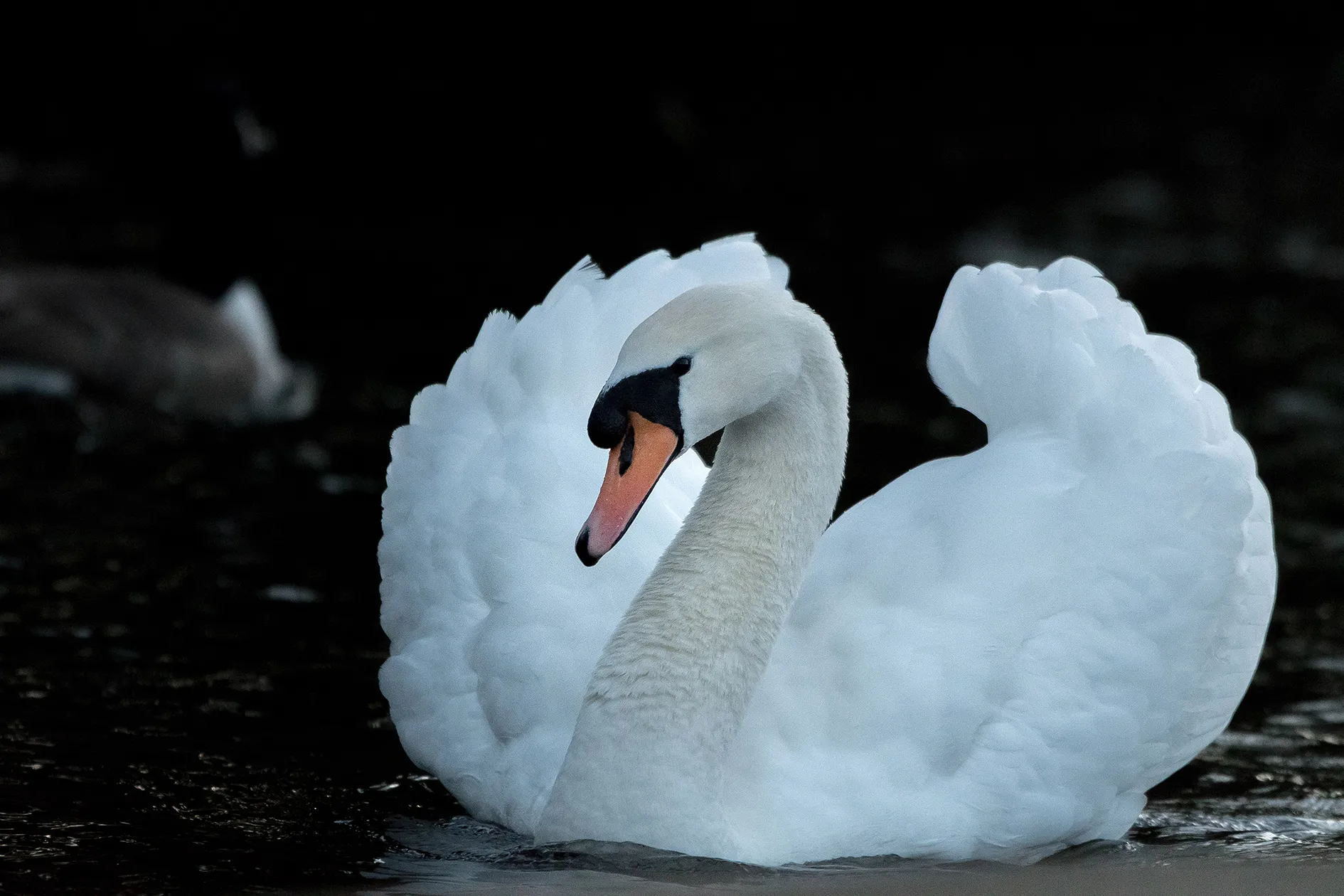
The silence of the swans: new report highlights concern for much-loved birds
A new report published today by the British Trust for Ornithology (BTO), in partnership with RSPB and JNCC, reveals impacts of Avian Influenza on Mute Swans across the UK. The Wetland Bird Survey (WeBS) report also highlights the importance of maintaining protected areas for key wintering and migratory wildfowl and waders. The UK is host to internationally important numbers of wintering waterbirds, and the long-standing WeBS and Goose and Swan Monitoring Programme (GSMP) provide essential data that inform decision makers when considering conservation measures for these birds. With data provided by over 3,800 dedicated volunteers across the UK, the surveys deliver an annual assessment of ducks, geese, swans, waders, and other waterbirds residing on, or passing through, our coasts, estuaries, lakes, reservoirs, and rivers. The 2023/24 WeBS report reveals yet more changes in the fortunes of many of our wildfowl and waders. Rarely far from the headlines, High Pathogenicity Avian Influenza, also known as bird flu, has been wreaking havoc in certain species in recent years. Along with seabirds, wildfowl are amongst those groups of wild birds that have been severely hit. This is due partly to the fact that these birds often congregate in large numbers, which allows the virus to spread rapidly. Mute Swans are amongst our most familiar waterbirds, and reports of dead and dying birds were prevalent across the country in 2021 and 2022. In 2021 more Mute Swans tested positive for bird flu than any other wild bird species, while it was the second most reported species in 2022. A paper, also published this week, collating reports estimates that around 1,000 Mute Swans were found dead between 2021-23. Annual population statistics of waterbirds, released today in the WeBS report, show that in the winter of 2023/24, Mute Swan numbers across England, Scotland and Wales dropped to their lowest level for 25 years. It is not possible to be sure if this decline is wholly a direct consequence of bird flu deaths, but it does indicate how vulnerable some of our most familiar wetland species can be to changes in their environment, along with other threats and pressures. Assessing protected areas Every few years, the annual WeBS report also includes ‘WeBS Alerts’. These are major ‘stocktakes’ that look at how wintering waterbirds are doing on sites which are legally designated to protect them, compared to how they may be faring in the wider landscape. Among the many findings, it is clear that several species are showing consistent declines across the UK’s protected areas. For example, long-term declines are pronounced in several seaduck species with Scaup, Velvet Scoter, and Long-tailed Duck having all declined by 70% or more. Other species showing persistent downward trends include Goldeneye, Curlew, Grey Plover, and Ringed Plover. These patterns are consistent with broader-scale population changes or shifts in habitat suitability, and they reflect pressures that may not be easily addressed at individual sites. In other words, the populations may be undergoing significant changes due to other factors, and the designated wintering or stop-off sites remain essential for those birds that do use them. Demonstrating site conservation success, for over half of all the 472 species assessments carried out, the population on the protected site was doing better than might be expected or recovering from historic site declines, compared with how the species was doing either regionally or nationally. There are also some species with increasing winter populations – such as Avocet and Black-tailed Godwit – where they have a reduction in the proportion that are on a Special Protection Area, as they spill out into other, less prime, wetlands. Only by measuring the quality of the protected areas, and their value to key species, can conservation decisions reflect the needs of the birds that use them, as well as flag concerns that may direct future conservation efforts. Dr Teresa Frost, BTO’s Head of Waterbird Monitoring said, “We live in a rapidly changing world, and wetland environments are exposed to all kinds of pressures that impact the numbers of swans, ducks, waders, and other waterbirds we see when we visit. Whilst we hope that bird populations can recover from disease-related deaths, it is vital to continue monitoring them, as many other factors affect their numbers locally and nationally.” Simon Wotton, Senior Conservation Scientist at the RSPB said, “Many of the sites surveyed under WeBS are of international importance and designated as Special Protection Areas. The large decline seen in several wetland species across many of these sites is concerning and demonstrates the wider impact of climate change in driving species decline and migration changes. The high-quality, long-term monitoring in this report will help us to ensure that these important habitats for wildlife remain protected.” Dr Kirsi Peck, Evidence Specialist at JNCC said, “In our environment impacted by climate change, habitat loss and unpredictable pressures such as disease, we cannot take for granted the waterbirds that rely on UK every winter in internationally significant numbers. Continued monitoring by WeBS and GSMP is vital to our understanding and helps targeting of conservation policies and action to maintain the important network of wetland sites these birds cannot survive without.” Read the 2023/24 WeBS report The Alerts work was funded by Natural England and WeBS partners.
22-05-2025
Major new report reveals changing fortunes for Northern Ireland’s breeding birds
Published today, the latest BTO/JNCC/RSPB Breeding Bird Survey (BBS) report shows encouraging news for Blackbirds, Song Thrushes, and Skylarks in Northern Ireland.
15-05-2025

Mixed fortunes for Welsh birds revealed in major new report
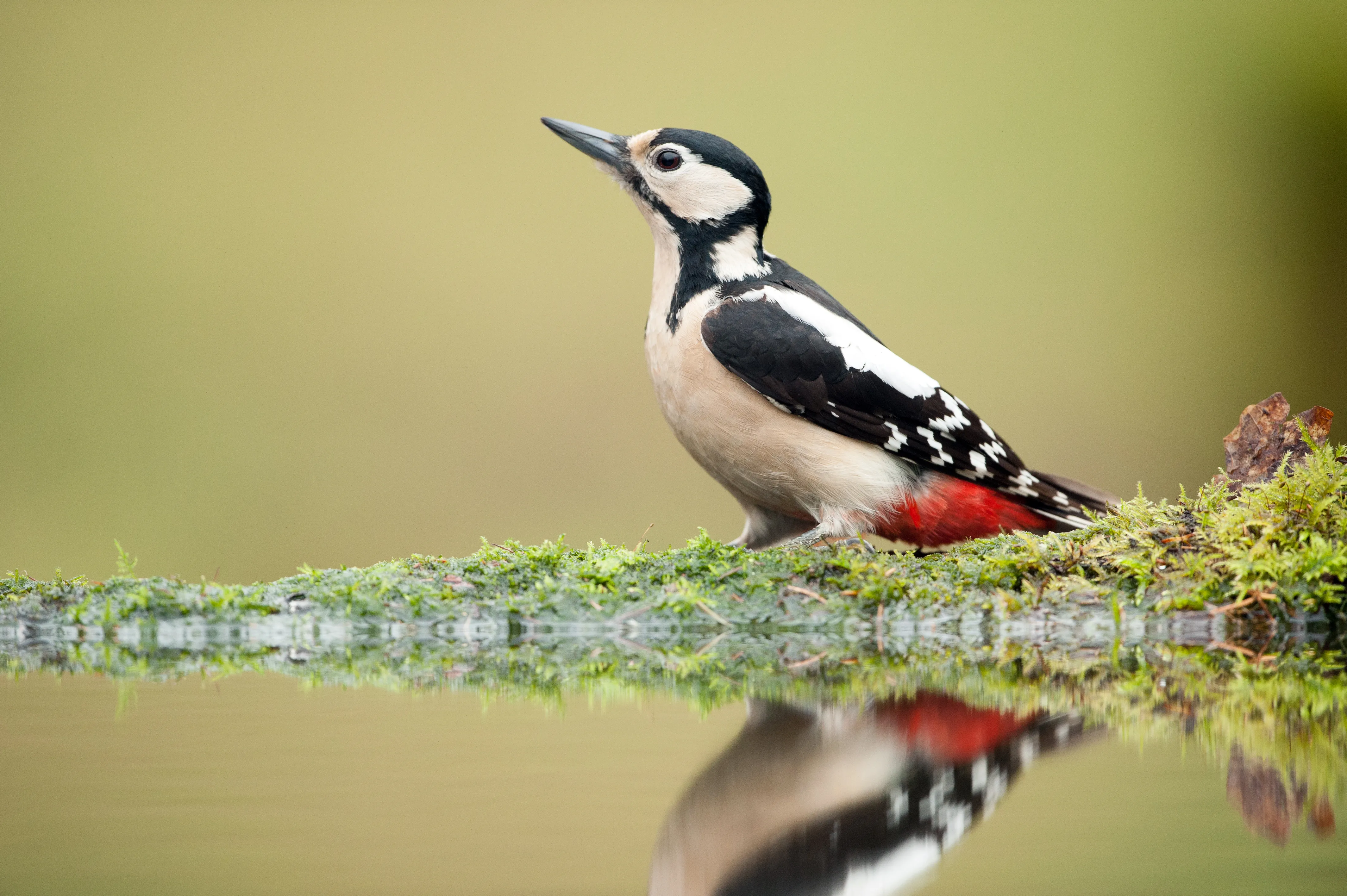
Published today, the latest BTO/JNCC/RSPB Breeding Bird Survey (BBS) report shows encouraging news for Great Spotted Woodpecker, House Sparrow, and Song Thrush, along with continued success for Red Kite in Wales. The report also shows that a range of farmland birds are still struggling in Wales, with the once-common Yellowhammer at an all-time low. Meanwhile, the worrying decline in Curlew in Wales continues apace, along with the long-term fall in the numbers of Rooks. BBS is the main scheme for monitoring the population changes of the UK’s common and widespread breeding birds, producing population trends for 60 species in Wales. Great Spotted Woodpecker is doing well across Wales with an increase of more than 240% since BBS began in 1994. In the last 10 years alone, this attractive woodland and garden bird has increased by almost 20%. A bird more often referred to as declining across much of the UK, the House Sparrow, has also been bucking the trend in Wales, having nearly doubled in the last 30 years. That icon of Welsh skies, the Red Kite, continued to soar through the survey period. Since the mid-1990s, numbers have gone up by an impressive 544%, as part of its recovery from just a handful of remaining pairs in the 1930s, though a notable drop in numbers since last year’s report may give cause for concern. Dipper, an aquatic songbird synonymous with fast flowing Welsh streams and rivers, declined by over 40% in the UK in the last five years and more than half since 1995. Whilst these figures are from the UK overall, Wales supports a large proportion of the UK population. Data from BBS and its sister survey, Waterways Breeding Bird Survey indicate UK-wide concerns for this bird whose population changes are widely linked to water quality. Curlews have declined dramatically across all parts of the United Kingdom, but nowhere more so than in Wales, where numbers continue to crash. These distinctive, and once-common, waders have suffered a massive 76% decline since 1995. The Welsh Curlew population has reduced by more than a quarter in the last five years alone. Dr James Heywood, BBS National Organiser, said, “Wales is the most important part of the UK for some of our most threatened woodland birds and so BBS coverage is something that we are really keen to increase and working hard to do. BBS coverage in Wales was up again in 2024 and it is the volunteers who give their time and skill every year that we must thank. That we can produce trends for 60 species in Wales is no mean feat, particularly given some of the challenging terrain and access.” Julian Hughes, Head of Species, RSPB Cymru, said, “Increases in familiar birds such as Song Thrush and House Sparrow is really welcome, but the silencing of others is a national tragedy. Almost half of our most common native birds on land and freshwater have declined since the mid-1990s. Many local communities, farmers and knowledgeable enthusiasts work hard to keep the summer sound of Swifts in our skies and Curlews in our countryside, but it requires transformational change, urgently and decisively, in government policies to restore nature at scale. Only this will ensure that the next generation can hear Yellowhammers singing in the hedges and House Martins over their rooftops.” Dr Paul Woodcock, Joint Nature Conservation Committee, said, “These results highlight both successes and challenges for Welsh bird populations. While some species show encouraging recoveries, the concerning declines in others emphasise why ongoing monitoring is essential. These long-term surveys provide the evidence base that underpins effective conservation action, allowing us to identify which species need help, where efforts should be focused, and whether interventions are working. The dedicated work of thousands of volunteer birdwatchers across the country doesn't just track numbers – it provides the scientific foundation for protecting the future of our birds and their habitats.” Read the Breeding Bird Survey 2024 report
15-05-2025