Throughout the year we send out press and media releases to individuals and organisations who have signed up to receive these. This page holds details of the press releases posted over the past two years. For press and media enquiries, please email press@bto.org.
Evaluating protected areas for migratory birds
New research by the British Trust for Ornithology (BTO) indicates that many highly migratory bird species are lacking consistency in protection as they move through Europe, between their northern breeding grounds and their wintering quarters in Africa. As countries across the globe strive to meet agreed targets to ensure protected areas for nature, how can we be sure that protected sites are ‘joined-up’ to provide quality habitats in every stage of a species’ lifecycle? Many species of migratory birds have been declining in recent decades. The UK’s Turtle Dove population, for example, has plummeted by 98% while such iconic birds as Cuckoo, Swift and Nightingale are returning to the UK from Africa each spring in ever-diminishing numbers. We may be aware of some of the challenges faced by these long-distance travellers, but each species face their own set of obstacles as they cover vast distances from north to south and back again. One of the many issues facing declining species, is the poor condition or loss of habitat at some, or all, of the stages of their lifecycle. For migratory birds especially, this can be particularly problematic as they rely on different areas at different life cycle stages. Researchers from the British Trust for Ornithology (BTO), in collaboration with the University of Durham and others, have been looking into the migratory routes of 30 different species of bird to see how much of their life cycles are spent in areas that provide adequate protection and quality habitat. What if their breeding areas are protected and in good condition, but their wintering grounds are not? What about those for whom the essential feeding and resting areas on their migratory routes are seriously denuded, resulting in key stop-over destinations being in far-from optimal condition? Habitat destruction, pollution, hunting, and climate change are all contributing to declining populations of multiple bird species. Protected areas may provide productive, safe habitats at certain points in the birds’ year, but there are critical periods where the landscapes they inhabit are of poor quality, or pose potential threats. In December 2022, Parties to the Convention on Biodiversity agreed a global target to conserve 30% of Earth's land and seas by 2030. This initiative is known as ‘30x30’ and seeks to ensure that countries are proactive in securing protected areas that not only meet the requirements on paper, but also deliver effectively for nature. Providing effective protection for migratory bird species can be difficult when they pass through several nations, and ensuring protected areas along the entirety of a bird’s flyway is rarely an achievable task. But by better understanding the peaks of movement in certain areas, temporary conservation measures such as seasonal hunting bans, or changes to livestock grazing regimes in specific places could help significantly. It is hoped that by using this study’s analytical method to identify specific weeks of the year when key migratory species are most vulnerable, due to a lack of protected area cover, conservationists can then focus on protecting primary sites at those particular times. For example, we have recently seen that seasonal hunting bans significantly benefited the declining Turtle Dove across areas of Europe. This approach could guide planning for new protected sites being designated under the 30x30 target. In this way we can help to ensure migratory species are adequately covered by protected areas in the future and hopefully help to halt or reverse their declines. Jennifer Border, Senior Research Ecologist at BTO, says, “Many migratory birds are lacking effective protection or access to protected areas, when it matters most. By better understanding each migratory species’ requirements at all stages of their lifecycle, we can hope to implement practical protection for key sites, at peak periods of their journey. This study provides important new evidence that protected areas make an important contribution to the conservation of migratory bird species, as the species whose distributions overlap the least with protected areas have declined the most. Increasing protected area coverage, in line with internationally agreed targets, should therefore make an important contribution to the future conservation of these declining migratory birds that have so much cultural significance across Europe.” Read the full paper on Nature Communications
10-04-2025

Welsh bird survey off to a flying start
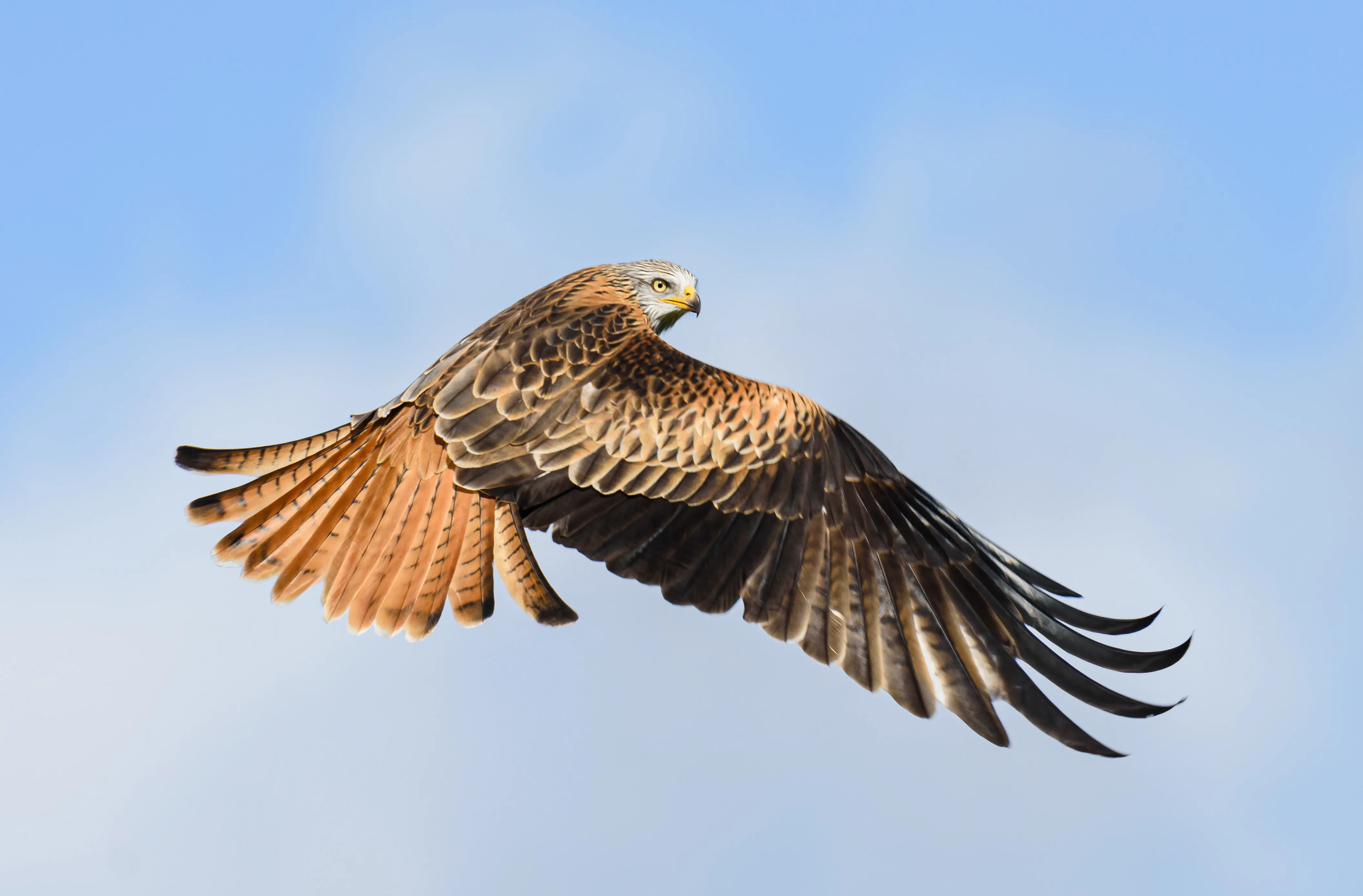
How are Wales’ birds of prey faring? That is a question that The British Trust for Ornithology (BTO) hopes to answer, following the launch of its new citizen science project Cudyll Cymru aimed at enhancing our understanding of these dynamic birds of prey across the country. As top predators, birds of prey, or raptors, are essential components of a healthy ecosystem. Due to their sensitivity to changes in habitat, prey availability and climate, they are often early indicators of shifts in our environment. For these reasons, their abundance and distribution can offer essential insights into the well-being of the wider landscape. Since the launch of a new raptor monitoring project, Cudyll Cymru in autumn 2024, the response has been remarkable, with hundreds of volunteers across Wales signing up to take part. With the 2025 breeding season upon us, the first surveys will commence in earnest this spring. This new long-term initiative is focused on four familiar and widespread raptor species: Buzzard, Kestrel, Red Kite, and Sparrowhawk, plus Raven — which while not technically a bird of prey, exhibits many similar traits. BTO researchers are seeking yet more volunteers to help fill in some the gaps around the Welsh countryside. Participants only need to identify at least one of the key species and count the birds, nests, or territories in a chosen ‘patch.’ If required, training will be provided through bird identification videos, written guides, and 1-on-1 mentoring. Volunteers can contribute as little as three hours a month, making it accessible to many people who may wish to get involved but have limited time. Charlotte Griffiths, Welsh Raptor Monitoring Coordinator – Project Lead, said, “The five species we're focusing on are significantly under-reported, and the huge number of people who have registered will provide crucial data on their breeding populations across Wales. We are thrilled to be supporting this future network of new volunteers: they will be instrumental in helping us secure the success of Welsh raptors.” For further information and to sign up, visit the project webpage at: Cudyll Cymru (English) Cudyll Cymru (Cymraeg)
10-04-2025
Seeking the unsung heroes of the birding world
The British Trust for Ornithology (BTO) seeks your help in finding local birdwatchers, ornithologists and regional bird clubs who deserve to be recognised for their contributions in furthering knowledge of the UK’s birds. Do you know a particular individual who has spent countless hours, tirelessly surveying or ringing birds in your local area? Has your bird club produced an atlas of the birds of your region that will inform future generations? Do you know an outstanding young birder who is making significant contributions to ornithology? BTO is asking all birders to nominate worthy potential winners of the 2025 Marsh Awards! There are three main categories where you can propose nominees for consideration. Collectively, these are known as the Marsh Awards and are supported by the Marsh Charitable Trust and presented by BTO at the Society of Wildlife Artists (SWLA) Natural Eye exhibition at London’s Mall Galleries in the autumn. The categories are: Marsh Award for Ornithology - This is awarded to an individual or group who has had or is likely to have a significant impact in science, policy, practice, innovation, communication or engagement in the field of ornithology and particularly in relation to the UK’s birds. Marsh Award for Local Ornithology - Awarded to a bird club or group that publishes a book, completes a study, or conducts any other exceptional activity in the preceding calendar year that advances knowledge about birds or actively connects communities to local birdlife. Marsh Award for Young Ornithologist - Awarded to an individual (or group of people) under the age of 21 who has / have made a significant contribution to BTO either by contributing to BTO’s bird monitoring schemes or by spreading awareness of BTO with their peers, or both. Along with these awards, BTO also recognises individuals who have made notable contributions to ornithology. These include the Dilys Breese Medal, which acknowledges outstanding communication of BTO activities to a wide audience, along with the Bernard Tucker Medal and Jubilee Medal which both celebrate service and devotion to the Trust. Past winners of these awards include Mary Colwell, Chris Packham, Stephen Moss, Dominic Couzens, Megan McCubbin, Harriet Mead, and the late Tony Soper. Ieuan Evans, Director of Engagement at BTO, said, “Here in the UK we are fortunate to have a long tradition of birdwatching, but too many people making significant contributions to our knowledge and understanding of birds go unrecognised. Through the Marsh Awards for Ornithology, BTO seeks to celebrate some of the professional scientists, local groups and young birdwatchers who are making a significant contribution to our understanding and appreciation of birds. We need help to identify the individuals and groups who you think deserve to be celebrated for the contribution they make to birdwatching and ornithology.” BTO welcomes nominations from anyone, via a form on their webpage (nominations are now open and will close on 31 May). To find out more, visit www.bto.org/awards
10-04-2025

Householders asked to show the love for the birds this Valentine's
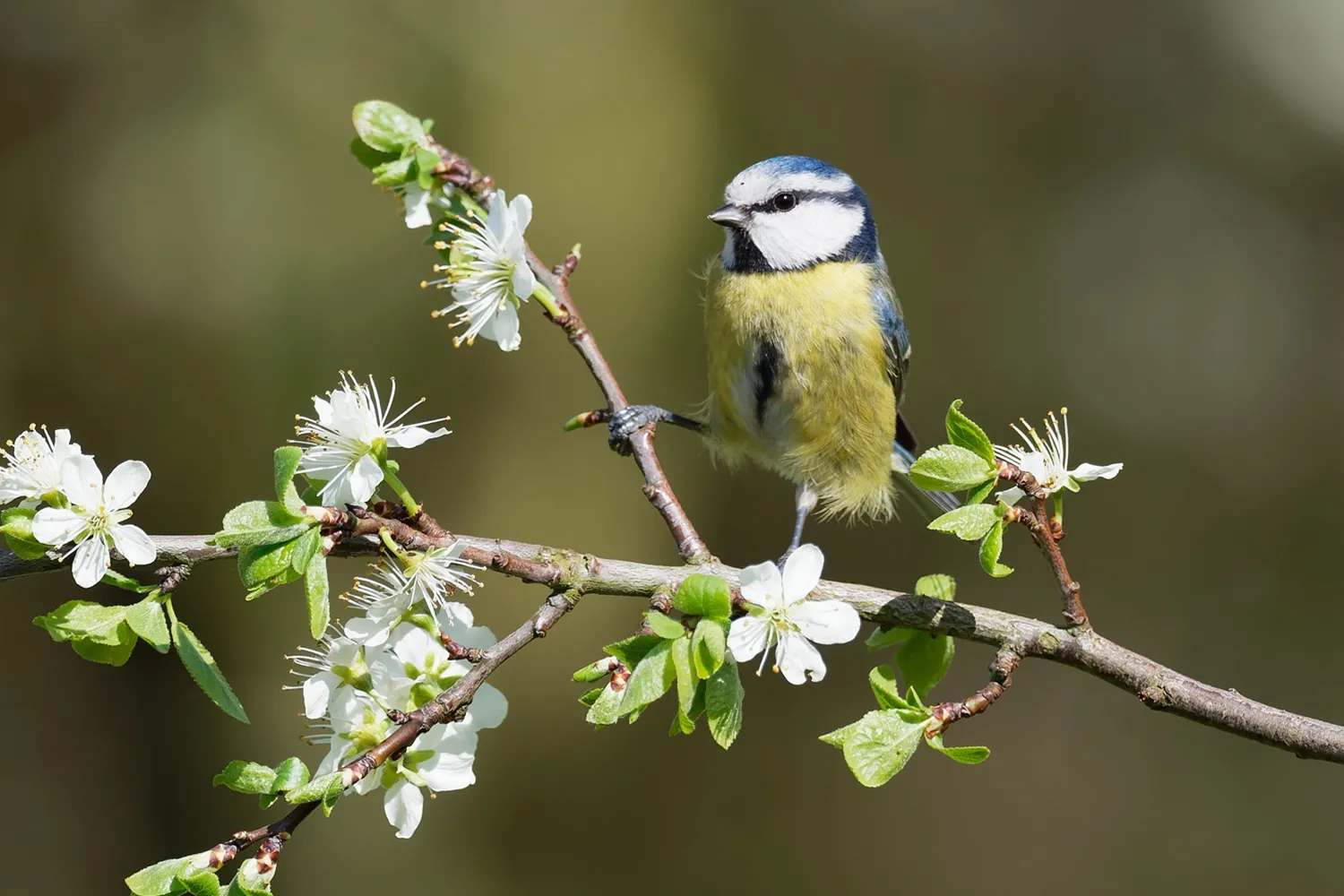
As we approach Valentine’s Day and the nations’ love birds are busy making amorous plans, the celebrated Saint’s day also marks the start of National Nest Box Week. Mid-February is also when many wild birds start to pair up and seek out suitable sites for the imminent breeding season, so now is a great time to put up new nest boxes, or spruce up your old ones, says the British Trust for Ornithology (BTO). Our gardens and green spaces provide a perfect home for many of our most familiar and much-loved birds, such as Blue Tit, House Sparrow, Starling and Robin. And while some individuals may be able to find a safe place to nest in planted areas, or around buildings, there is still very much a shortage of desirable nesting spots, particularly in urban and suburban areas. Loss of appropriate habitat, changes in land-use, ‘tidier’ gardens and other factors have impacted negatively on many of the UK’s breeding birds and it is increasingly important that we help provide a haven where our feathered neighbours can raise their broods. By providing nest boxes, we can help many of our garden visitors thrive. There is a staggeringly wide variety of boxes. From Blue Tits to Barn Owls, there are boxes designed to suit a range of different species. Whether you build your nest box or buy one ready-made, consider which birds you hope to attract. Make a note of the birds that you see in your garden to help you determine which species are most likely to nest there. Larger gardens should attract a wider range of birds, while smaller spaces may provide limited, but equally valuable, opportunities. As with our own homes, location is also an all-important feature. Boxes for most common garden birds should be located between 1-3 metres off the ground, away from bird feeders, and where the entrance is sheltered from prevailing wind, rain, and strong sunlight. Another bird that also takes readily to artificial nesting sites, but isn’t really a garden bird, is the Swift. These astonishing aerial acrobats have suffered major population declines in recent decades and many homeowners are now providing special boxes for these dynamic travellers, whose distinctive screaming calls were once a familiar summer sound in our cities and towns. Swifts typically favour older buildings for nesting, where they raise their chicks under the eaves, but modern household improvements and refurbishments have reduced suitable nesting sites. As well as providing an invaluable home for our garden birds and giving householders a rare glimpse into their private lives, nest boxes can also help supply important scientific data. BTO nest monitoring schemes offer a fabulous way for people to monitor the health of our nesting bird populations by sending in their records, contributing vital information to our understanding of birds’ breeding success. To find out more, go to: www.bto.org/nest-monitoring The BTO website also has a dedicated nest box page providing information and advice on the building, buying, and positioning of nest boxes and the different birds that can be attracted. For details visit: www.bto.org/nest-boxes Hazel McCambridge, BTO Nesting Neighbours survey organiser, says, “By putting up a nest box in your garden you are not only providing a place for birds to raise their family, it is an opportunity to deepen your relationship with the wildlife on your doorstep. If you can look inside your nest box or have a camera in the box, you will have the chance to learn about the birds around you and by submitting the details of the nest you can help us understand how habitats and climate change are impacting birds.”
01-02-2025
Understanding the plight of the much-loved English Nightingale
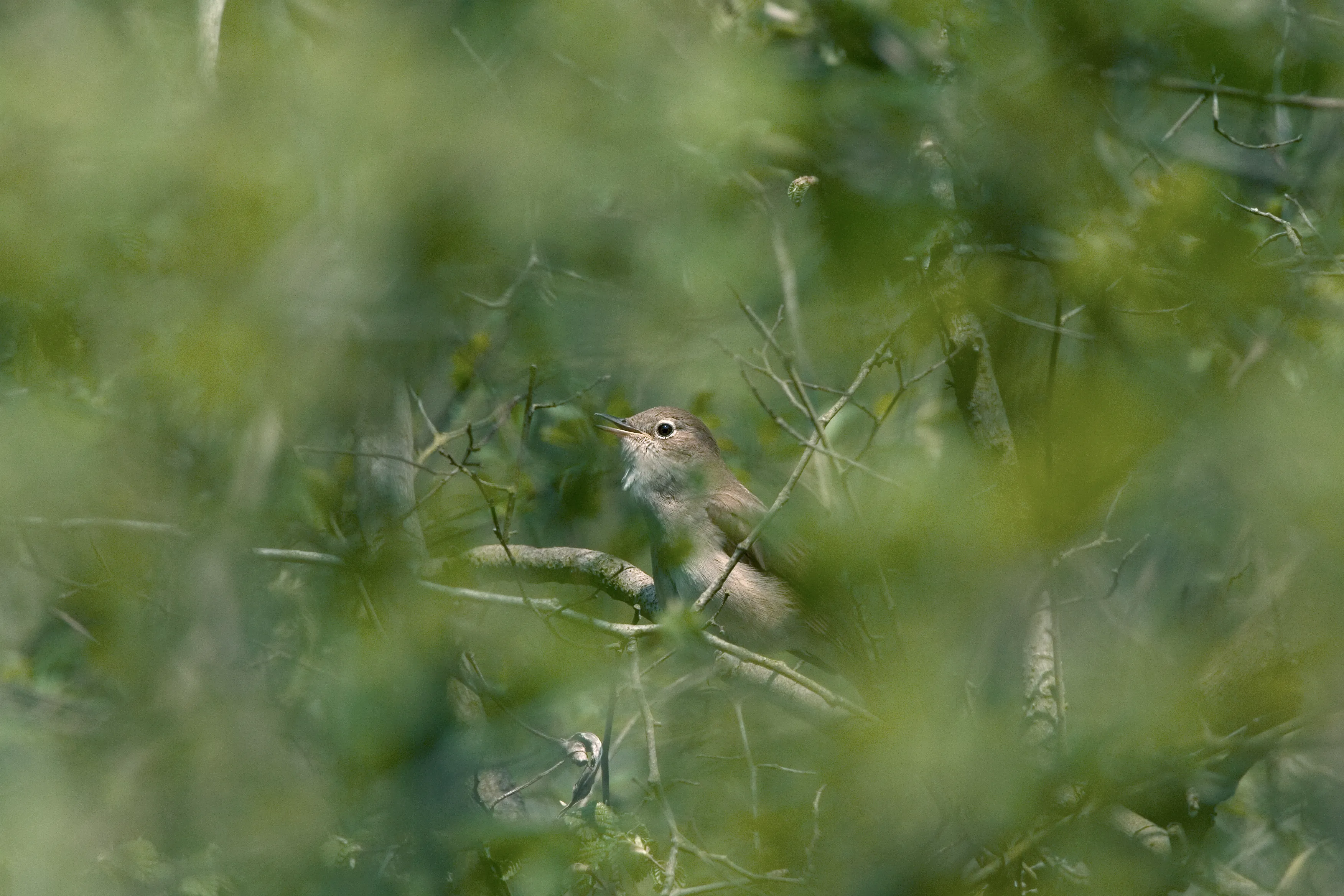
Long-famed for its complex and sweet-toned song, the Nightingale has been a source of inspiration for poets, musicians, and artists for centuries. Sadly, the mellifluous melodies of this secretive singer have become an increasingly scarce component of the English countryside’s soundscape in recent years. Now, following innovative research by the British Trust for Ornithology (BTO) we have a better understanding of what is driving this inspirational bird’s decline. Placed on the Birds of Conservation Concern’s Red List since 2015, the Robin-sized songster has not only declined in number as a breeding bird in the UK (-90% between 1967 and 2022), but it has also vanished from many of the areas where it was once commonly found. Habitat loss has been a major concern in the UK as the Nightingales, which migrate here from Africa each spring, have suffered from a reduction in suitable breeding sites. Once widespread across much of south and eastern England, the diminutive songbird has lost much of its favoured nesting areas of scrubby woodland through increased development or degradation, partly as a result of an increase in deer populations. But the Nightingale’s misfortune is not solely based on issues occurring in its traditional UK breeding areas. A new study conducted by BTO scientists has discovered, through the deployment of tiny data-gathering tags attached to a number of the birds, that British-breeding Nightingales spend the winter months isolated from other European Nightingales, in a specific, small region in and around The Gambia, West Africa. This means that this already declining population is at greater risk from deteriorating conditions in these winter quarters, through such threats as prolonged drought and loss of habitat. Nightingales that have been tracked nesting elsewhere in Europe, spend their non-breeding season in different, much broader, areas of West Africa, and are therefore less severely impacted overall by highly localised changes. Until now, it was not known that the regional populations of migratory songbirds had such defined connectivity; British breeding Nightingales rarely mix with other European populations while on the wintering grounds. It is hoped that advances in technology, through increasingly small and accurate tracking devices, may allow scientists to discover to what extent this phenomenon is widespread amongst other highly migratory species or restricted to certain species such as Nightingales. Dr Chris Hewson, Senior Research Ecologist at BTO, says, “Understanding how migratory birds are distributed in the non-breeding season in tropical Africa is both challenging and important for understanding their population declines. Through the use of increasingly miniaturised modern technology, we are rapidly gaining understanding which will put us in a much better position to be able to reverse the catastrophic declines of some of our most enigmatic and iconic species. Here, we show that the English Nightingale population has a unique distribution pattern during our winter season, which leaves them vulnerable to both climate and habitat changes in Africa. This helps to explain why the English, but not other European, populations of the Nightingale are currently in decline.” Read the full free-access paper, published in the Nature journal Scientific Reports. Listen to the song of a Nightingale
29-01-2025