Throughout the year we send out press and media releases to individuals and organisations who have signed up to receive these. This page holds details of the press releases posted over the past two years. For press and media enquiries, please email press@bto.org.
Where have our gulls gone?
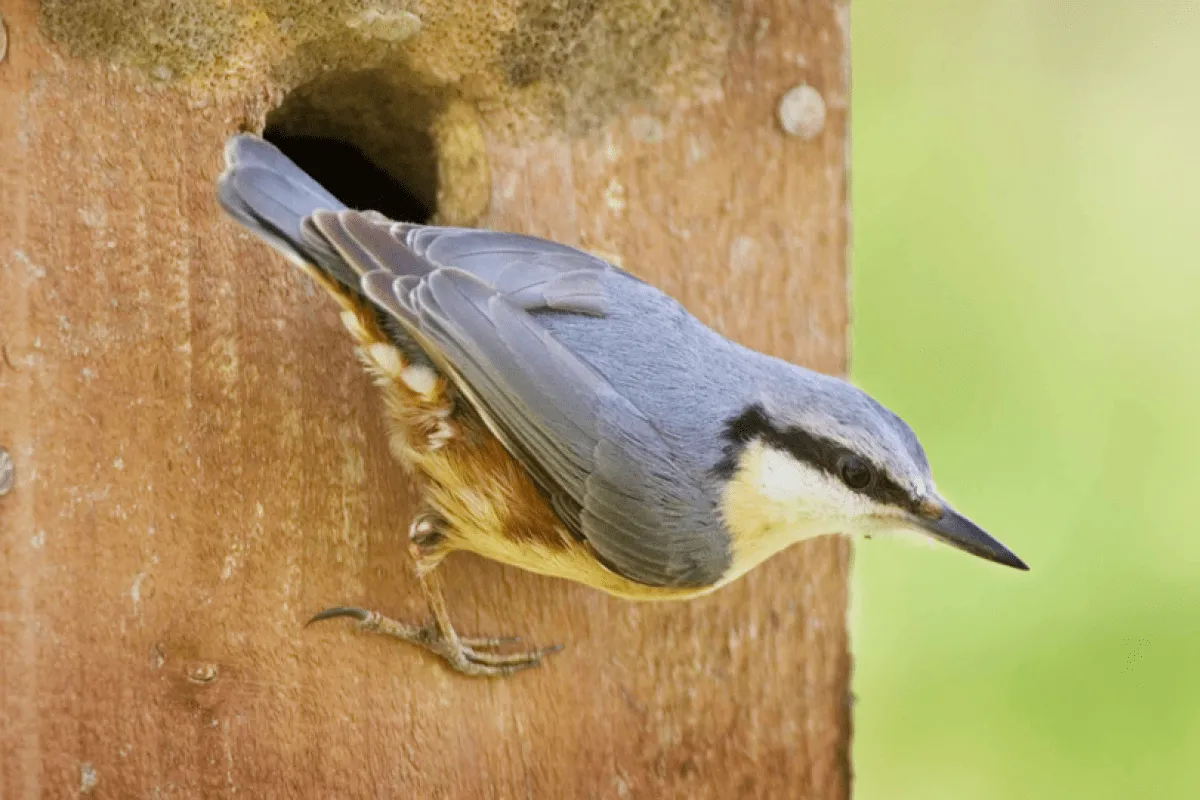
Birdwatchers across the UK are being asked to get out and count gulls this autumn, as the British Trust for Ornithology (BTO) continues to monitor populations of these characterful, if sometimes controversial, birds. While they may be associated with stealing chips, and are frequently characterised as a menace to families enjoying a seaside break, the UK’s gulls are in serious trouble. Researchers from BTO are trying to get to grips with the causes of population declines in our breeding gulls and to monitor those that visit us from further afield. In autumn and winter, gulls flock together to roost communally on lakes, reservoirs, and estuaries across the UK, in groups that can number many hundreds or even thousands of individuals. Understanding where these roosts occur, and the numbers of birds using them, is key to helping conservation organisations protect these familiar birds. The Winter Gull Survey (WinGS) is a long-running monitoring programme, which first took place in 1953. The project’s overarching aim is to provide robust information on the numbers and distribution of wintering gulls, many of which appear on either the Birds of Conservation Concern Red or Amber List. Now, for the first time, BTO is asking volunteers to count gulls in the autumn too as information on the whereabouts of gulls following the breeding season is limited. Some species will group in large concentrations in the autumn months, before dispersing to their wintering areas. Birdwatchers across the UK can help identify the locations of autumn aggregations and determine just how many gulls are taking advantage of each designated site. Along with the gulls that breed here in the summertime, and pass through in the autumn, thousands more head to the relatively mild UK in the winter months too, to escape the freezing conditions further north. BTO is keen to understand where the main areas of gull activity currently are, and identify those places where these seabirds now occur in much reduced numbers. WinGS covers survey sites in the UK, the Channel Islands, and the Isle of Man, and BTO is seeking more volunteers to help gather data. The volunteers will visit established roost sites used by migrating and wintering gulls, as well as random sites, across inland and coastal locations. Volunteers will count all gull species present, but with particular focus on six key species: Black-headed Gull, Common Gull, Lesser Black-backed Gull, Herring Gull, Mediterranean Gull, and Great Black-backed Gull. The volunteer birdwatchers should feel confident that they can: Count large numbers of birds accurately, in late afternoon as the light fades. Identify the six most abundant UK gull species: Black-headed Gull, Common Gull, Lesser Black-backed Gull, Herring Gull, Mediterranean Gull, and Great Black-backed Gull. Potential volunteers can find out more about the survey, the availability of survey sites near them, and how to sign up by visiting the WinGS project page. Emma Caulfield, the Survey Organiser for WinGS, said, “Information collected in these surveys will continue to fill the gaps in our knowledge. This is particularly important as declines are continuing to be seen in our breeding gulls, as well as those heading here for the winter months. These familiar seabirds have also been impacted by the ongoing outbreak of highly pathogenic avian influenza (HPAI), and we are still seeking to understand what the short, and long-term implications of this may be.” Dawn Balmer, BTO Head of Surveys, said, “Many of our gull species are experiencing significant declines in their breeding populations, hence their conservation status, and we urgently need to improve our understanding of where, and in what numbers, they gather in the autumn and winter.” The Winter Gull Survey is supported by Defra, the Country Nature Conservation Agencies and BTO.
19-06-2024
Ducks take a dive as milder winters keep birds in an unfrozen north
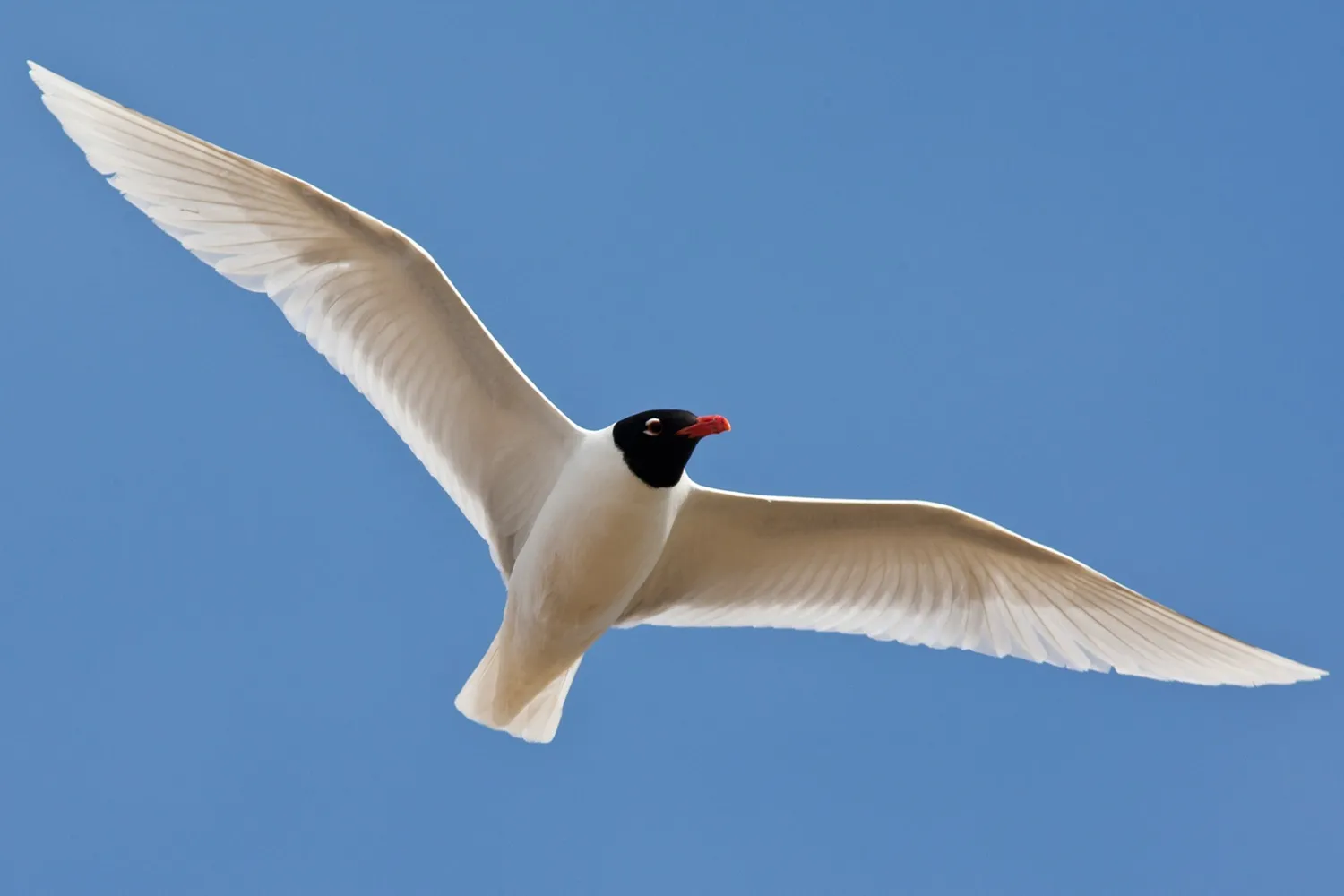
Fewer ducks, geese, swans and wader species are travelling to the UK as milder conditions continue to define northern European winters. The UK is host to internationally important numbers of wintering waterbirds, and the long-standing Wetland Bird Survey (WeBS) and Goose and Swan Monitoring Programme (GSMP) provide essential data that inform decision makers when considering conservation measures for these birds. With data provided by over 3,800 dedicated volunteers across the UK, the surveys deliver an annual assessment of ducks, geese, swans, waders and other waterbirds residing on, or passing through, our coasts, estuaries, lakes, reservoirs and rivers. Published today, the 2022/23 WeBS report reveals yet more changes in the fortunes of many of our wildfowl and waders. As winters continue to become milder and damper across much of northern Europe, many species are altering their behaviours in response. Historically, harsh conditions in northern and eastern Europe would see huge numbers of birds migrating to the relatively mild conditions of a British winter but now, as previously frozen landscapes become increasingly accessible, significant numbers of birds are staying closer to their breeding grounds, in a phenomenon known as short-stopping. Those that do still make the journey across the North Sea to spend the winter in the UK are often arriving later and leaving earlier, therefore staying with us for much shorter periods. This has become increasingly noticeable in such species as Bewick’s Swan, which has declined by 96% in the last 25 years, while Goldeneye numbers have halved and Dunlin have dropped by a third. Although 2022 and 2023 were the two warmest years on record in the UK, the 2022/23 winter was something of a mixed bag. December 2022 experienced a notable cold snap, followed by a period of milder weather before temperatures tumbled briefly in mid January. The rest of the winter period remained mostly mild and settled. As a consequence, there appeared to be little major cold weather-related movement of wildfowl and waders and once again many species remained on the continent. However, it is not just wildfowl from the north that are undergoing change. The survey has also revealed that other familiar waterbirds such as Coot are being affected by milder winters. The UK Coot population comprises both resident birds which breed here and some birds which join them for the winter. And while research suggests declines in our breeding population, we are also seeing a notable reduction in wintering birds. Coot are not generally considered as migratory but ringing recoveries have demonstrated that they can cover considerable distances. For example, one Coot that was ringed in London in 2017, was spotted in St. Petersburg, Russia, in April 2021, three months after last being seen in London. It was then seen again in London in March 2022, showing that it completed a round trip of 4,000 km! Not only are we seeing a reduction in birds arriving for the winter, but the survey also reveals that some birds which would have left the UK in autumn are now staying, rather than heading to warmer climes. We have seen an increase in the numbers of such species as Black-tailed Godwit, a striking wading bird of freshwater marshes and estuaries, remaining on our shores as opposed to migrating to southern Europe, as they did in the past. As our waders and wildfowl continue to adapt to a changing climate, degraded landscapes and multiple other challenges, it is essential that we continue to monitor their movements and distribution, so that we may inform future conservation decisions and considerations. Dr Teresa Frost, WeBS Manager at the British Trust for Ornithology, said, “The cold snaps during the winter forced ducks like Mallard to congregate on large wetlands covered by the survey. While it’s fascinating to see short-term weather impacts like this in the data, the bigger story is research showing migratory short-stopping has contributed to the declines we are seeing in the survey for at least 25 of our commonest waterbird species that winter in the UK.” Simon Wotton, Senior Conservation Scientist at the Royal Society for the Protection of Birds (RSPB), said, “The Wetland Bird Survey alongside the Goose and Swan Monitoring Programme is an invaluable tool for better understanding the impact of climate change on our wintering waterbirds that typically breed further north and east. The scientific community owe a debt of gratitude to the volunteers whose coordinated efforts make these long-term studies possible “ Dr Kirsi Peck, Evidence Specialist at the Joint Nature Conservation Committee, said, “Long-term monitoring by the Wetland Bird Survey and Goose and Swan Monitoring Programme has revealed short-stopping as a contributor to the observed changes, mostly declines, to our wintering waterbird populations. However, we must not forget that some of these species, such as the Bewick’s Swan, are also experiencing declines in their breeding populations. Continued monitoring here in the UK and international collaboration on flyway scale are important to tracking future population changes as migratory bird populations continue to be impacted by climate change–induced changes in their breeding and wintering habitats.” NatureScot’s Ornithology Adviser, Dr Jessica Shaw, said, “The Goose and Swan Monitoring Programme continues to be a critical tool in keeping track of the population status of our geese in a changing world. The importance of this work has been highlighted particularly over the past few years with our two Barnacle Goose populations heavily impacted by avian influenza, although in different years. Results from this year show signs of recovery in the earlier impacted Svalbard population, but we have not yet seen that in the Greenland population. Such information is vital for species conservation both nationally and internationally.” Read the full the 2022/23 WeBS report
16-06-2024
Satellite-tagged Cuckoos clocked crossing continents
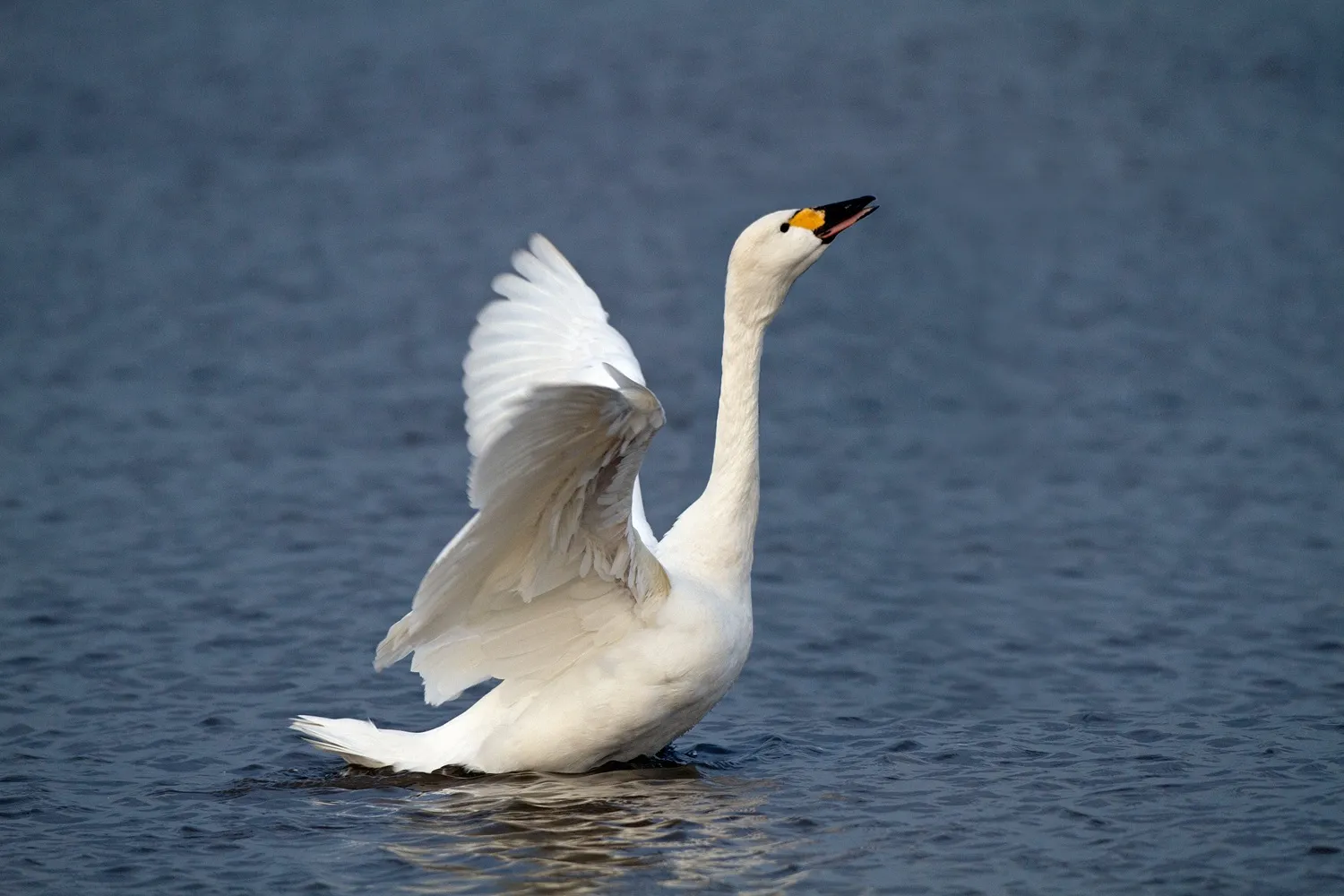
The instantly recognizable song of the Cuckoo was once a familiar summer sound across much of the UK. Sadly, we have lost more than a third of our Cuckoos in the past 25 years, but the reasons why are still not fully understood. Satellite technology is helping researchers from the British Trust for Ornithology (BTO) to better understand the pressures these remarkable birds face as they migrate to central Africa and back. Since 2011, the British Trust for Ornithology (BTO) has fitted more than 120 Cuckoos with state-of-the-art satellite tags to unravel the mysteries of their migrations and help their conservation. BTO scientists studying these enigmatic birds are hoping to gain a clearer understanding of the consequences of the routes the birds take and how they may respond to the many challenges they encounter along the way. Cuckoos are classic summer visitors, arriving here in spring from their wintering grounds around the African Congo. Unlike other migratory birds, these long-distance travellers do not build nests and raise their young themselves. Cuckoos are what are known as brood parasites; they lay their eggs in other birds’ nests and let the unwitting foster parents do all the hard work raising the chick. But Cuckoo numbers have plummeted across much of the UK and Ireland in recent years and BTO scientists are trying to determine the causes. Curiously, Cuckoo numbers in Scotland are bucking the trend and researchers are seeking to further understand just why these birds are doing so well, compared to their Cuckoo counterparts elsewhere in the UK. Among the many important discoveries of the Cuckoo tracking project so far, is the finding that UK Cuckoos take two different migration routes to get to the same wintering grounds in tropical Africa. All of the Cuckoos tagged in Scotland and other areas of upland Britain and Ireland take an easterly route via Italy when heading south, and have a significantly higher survival rate than those taking a westerly route via Spain. Cuckoos from elsewhere can take either route, but those moving westwards through Europe tend to fare worse. By comparing the relative success of some Cuckoos over others, the BTO scientists hope to identify the impact of conditions here in the UK versus those encountered on migration on Cuckoo population trends. Are the differences between Scotland and the rest of the UK wholly down to the birds’ migration routes, or are some birds also facing challenges closer to home? Cuckoos eat large insects and caterpillars, and a reduction in these food items both on the breeding grounds and along their migration route will impact on their survival rates. As they prepare to cross the Mediterranean and the vast expanse of the Sahara Desert, the south-bound Cuckoos need to be well-fed and healthy. Drought, excessive rainfall and forest fires, all exacerbated by the impacts of climate change, along their migration routes add to the birds’ obstacles. It is also clear that the timing of the Cuckoos’ arrival in the UK in spring is constrained by conditions at the stopovers that they use in West Africa, prior to heading over the Sahara, which they do in one continual non-stop flight. This can result in the birds taking risky migrations that may result in higher mortality, particularly if the birds are not in peak physical condition at the time of departure. During May and early June 2024, BTO experts tagged a further nine Cuckoos in England and Scotland. This group of amazing birds will hopefully provide more invaluable insights, shedding further light on the worrying decline of our Cuckoos. Armed with a greater understanding, conservationists may be able to safeguard their future, so that future generations can enjoy hearing that distinctive ‘cuck-coo’, for years to come. Dr Chris Hewson, lead scientist on the project, said, “It’s fantastic to see nine more Cuckoos heading off with satellite tags newly fitted. These birds will help us to better understand the factors that determine their survival rates and hence the reasons for the population declines they are undergoing in large parts of the UK. Ultimately, we need to know how we can help them to successfully complete their arduous migrations in the rapidly changing world we share.” You can follow the tagged Cuckoos as they make their way through Europe toward their African wintering grounds and back on Cuckoo our migration map. The Cuckoo tags for this project were generously funded and named by a number of individual donors. Nick 2, tagged in Suffolk, was funded by Nicholas Watts Cleeve, tagged in Norfolk, was funded by an anonymous donor MacSporran, tagged at Dundonnell, was funded by Donald Rice Severn and Hafren, tagged in Worcestershire were funded by Severn Trent Water George 2 and Henry, tagged at Dundonnell, were funded by Ann Masters Wilfrid, tagged in Suffolk, was funded by an anonymous donor Cuthbert, tagged in Norfolk, was funded by Vine House Farm
11-06-2024
Much-loved songbird threatened by mosquito-borne virus
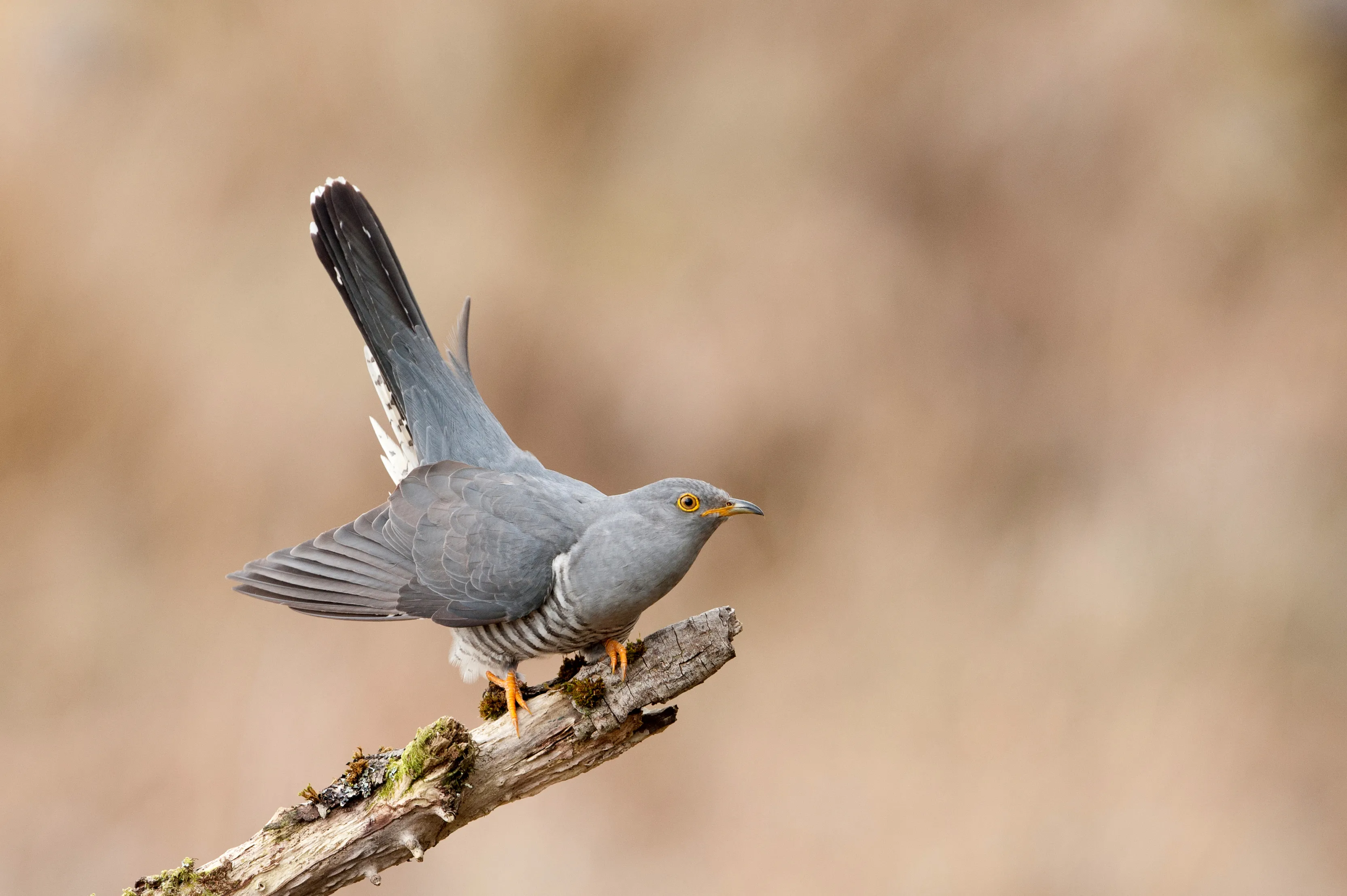
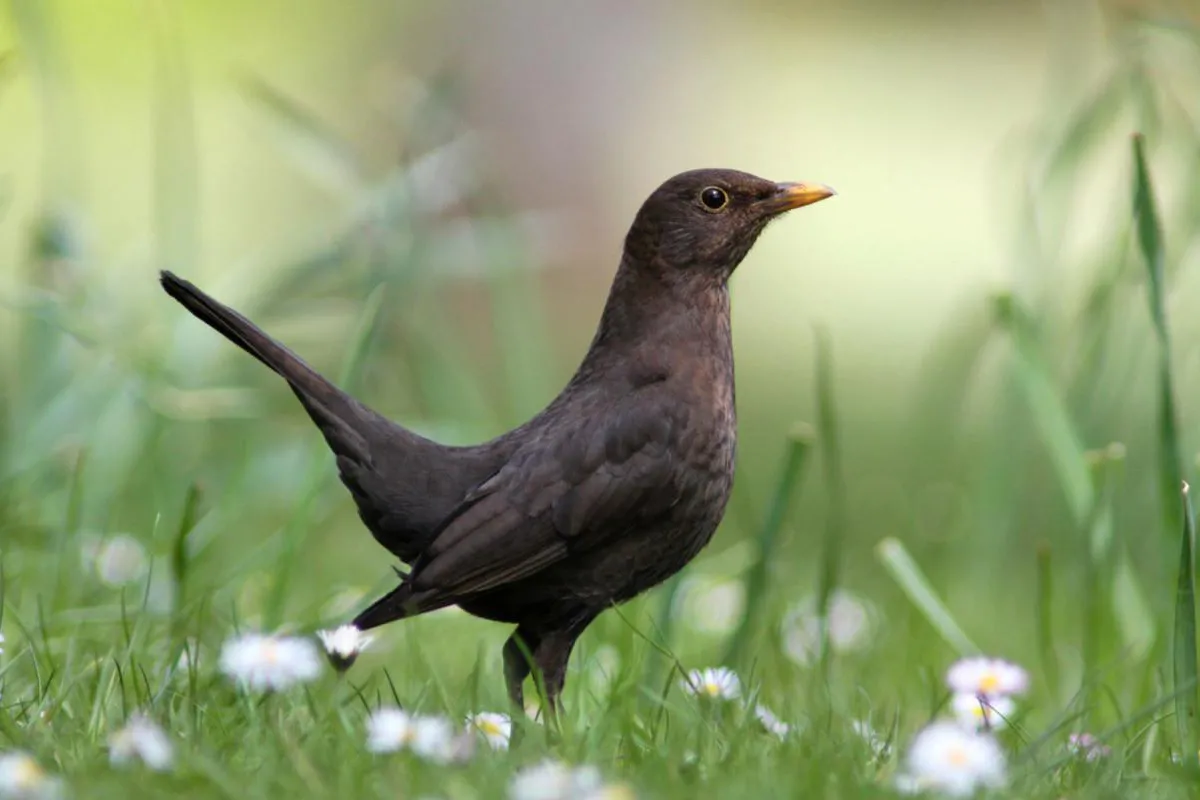
One of the UK’s favourite garden birds, the Blackbird, is in rapid decline, and members of the public are being asked to help scientists find out why.
22-05-2024
Breeding Bird Survey celebrates 30 years of citizen science
Published today, the latest BTO/JNCC/RSPB Breeding Bird Survey (BBS) looks at the fortunes of our bird populations and celebrates the Pearl Anniversary of a pioneering volunteer-led national study. The report shows continued increases for such species as Red Kite and Nuthatch while also revealing continued severe declines for other birds, including Swift and Curlew. BBS is the main scheme for monitoring the population changes of the UK’s common and widespread breeding birds, producing population trends for 119 species. This press release is specific to the UK. Alternatively, view the press release for: Scotland Wales Northern Ireland During the breeding season, birds are at their busiest and wherever we may live, there will be a nest not too far away. Whether it is a Blackbird in the local park or a Mallard with ducklings on the local canal, many of us can witness the frenzied activity that this season brings. For thousands of birdwatchers however, this is not just a time to casually observe these annual rituals - it signifies a period of dedicated, systematic information gathering which can help shape conservation outcomes. For 30 years, a total of nearly 9,000 skilled enthusiasts have been contributing essential data to the Breeding Bird Survey (BBS), one of the UK’s longest-running citizen science initiatives. The BBS is a partnership project organised by British Trust for Ornithology (BTO), the Joint Nature Conservation Committee (JNCC) and the Royal Society for the Protection of Birds (RSPB). With around 3,000 volunteers taking part in any given spring and summer, collectively the nations’ birders have provided nearly 8 million records since the BBS was launched in 1994, allowing scientists to identify any notable changes in the status of our breeding birds. Amazingly, at least 100 of these keen-eyed contributors have been submitting their observations for the entire three decades that the survey has been running. Around 7,000 individual sites across the UK have been covered in this time. The Breeding Bird Survey, following on from its predecessor, the Common Birds Census, gathers information from across the UK and helps paint a clear picture of just how well, or not, the UK’s common and widespread land-based birds are faring. By analysing the collected data, scientists can see that while some birds such as Goldfinch, Great Spotted Woodpecker and Nuthatch are doing reasonably well, others including Swift, Curlew, Greenfinch and Tree Sparrow are in steep decline. The reasons for these population changes are varied and the survey data allow scientists to investigate the potential drivers of change for each species. Since the start of BBS, the data have shown that Swifts across the UK have suffered significant declines of up to 66% since 1995, the first year for which trends can be created. For every ten Swifts that you may have seen screaming overhead thirty years ago, today you will only see four. Swallow numbers have dropped by almost a half in the last ten years. For birds such as Swifts, Swallows and House Martins that rely heavily on aerial insects, any decline in these invertebrates means that there is simply less food for adult birds and their growing chicks. A reduction of breeding sites can be mitigated by the provision of artificial nesting sites, but the issue of diminishing food resources is much more difficult to resolve. These birds are not alone; of the 118 species monitored by BBS in the UK, 42 have decreased since 1995, while 35 have increased. The species with the greatest decline is Turtle Dove, which has seen its numbers plummet by a staggering 97%. Other farmland birds, like Grey Partridge (27-year decline of 62%), Yellowhammer (31%), Lapwing (51%) and Curlew (50%) are in a similar predicament. Several species are increasing and expanding their range. Red Kites represent a major conservation success story of recent years and numbers have increased by 2,232% since the start of the BBS. Little Egret, a relatively recent colonist, is the species with the greatest increase as numbers grew by 2,347% during the same time period. A fifth of the species showing increases are non-native birds such as Ring-necked Parakeet and Egyptian Goose. Dr James Heywood, BBS National Organiser, said, “The sheer volume of information that allows us to see the high and lows of our breeding birds is all volunteer gathered. Without the dedication of the UK’s BBS surveyors, we would not be able to see the changing fortunes of our bird populations, and with it look to identify causes and potential solutions. The report highlights declines in wide ranging groups of species, from birds reliant on insects, farmland and woodland birds, as well as pointing to additional and acute challenges like avian flu.” Dr Paul Woodcock, Joint Nature Conservation Committee, said, “Long-standing monitoring schemes, such as the Breeding Bird Survey, are critical to better understand the status of our natural environment and the pressures faced by our wildlife. Thanks to the collaborative effort of thousands of volunteers we have an invaluable dataset that informs policy, targets conservation action and evaluates success, as evidenced by the Red Kite recovery and by our understanding of which species are experiencing large declines.” Simon Wotton, RSPB Senior Conservation Science, said, “The Breeding Bird Survey provides us with invaluable information about the state of our bird populations. By looking at this valuable long-term data we can see which species most need our help and where our efforts are best spent when addressing the nature and climate emergency. The changes in range and abundance of some of our bird species should give us cause for concern, and impetus for action.”
16-05-2024