Throughout the year we send out press and media releases to individuals and organisations who have signed up to receive these. This page holds details of the press releases posted over the past two years. For press and media enquiries, please email press@bto.org.
Volunteers needed to count winter gulls
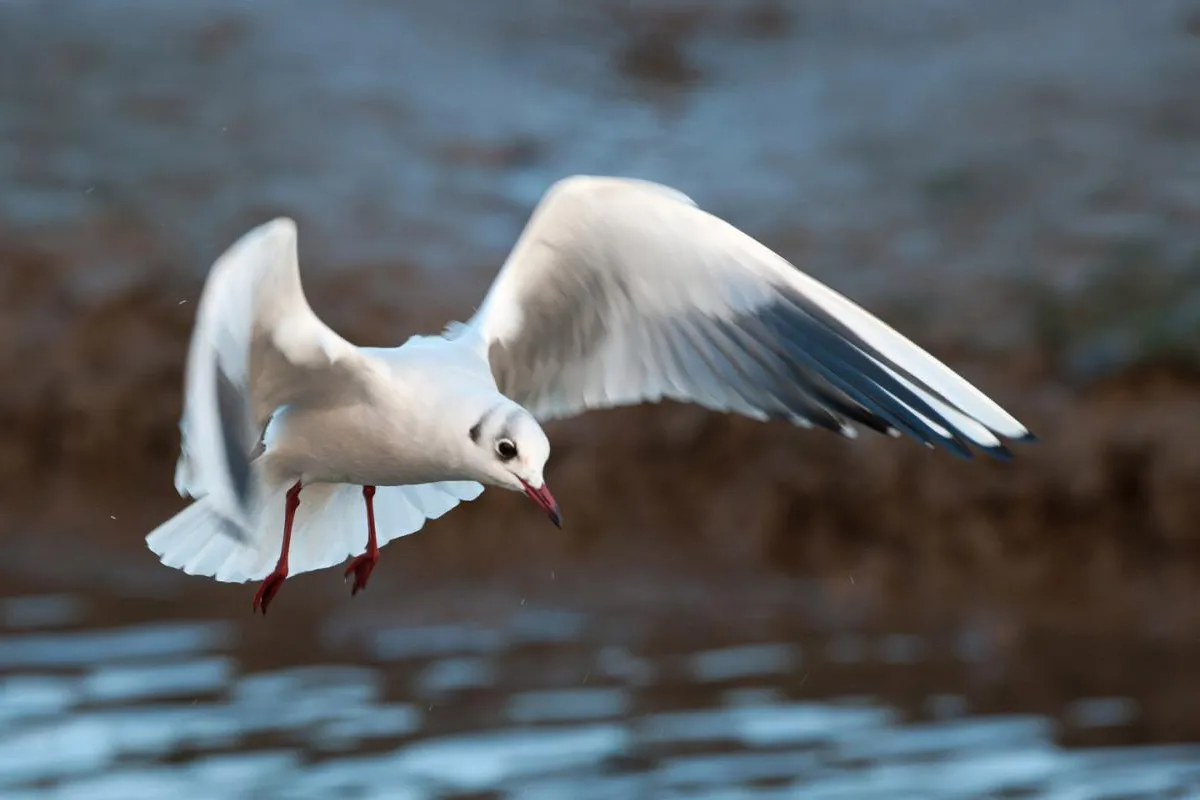
The British Trust for Ornithology (BTO) has put today out a call for volunteers, able to identify our common wintering gull species, as part of an important project to understand and conserve these birds, which are of conservation concern because of their declining breeding populations. In winter, gulls flock together to roost communally on lakes, reservoirs and estuaries across the UK, in groups that can number many hundreds or even thousands of individuals. Understanding where these roosts occur, and the numbers of birds using them, is key to helping us to protect these birds. The Winter Gull Survey is a long-running monitoring programme, which has taken place approximately every 10 years since 1953. However, there has been a gap of nearly 20 years since the last survey so a new survey is much-needed. The project’s overarching aim is to provide robust information on the numbers and distributions of wintering gulls, many of which are of conservation concern and appear on either the Birds of Conservation Concern Red or Amber List. The Winter Gull Survey (WinGS) will run over the winters of 2023/24 and 2024/25 and volunteers are needed to cover survey sites in the UK, the Channel Islands and the Isle of Man. The volunteers will visit roost sites used by wintering gulls, counting all gull species but with particular focus on six key species: Black-headed Gull, Common Gull, Lesser Black-backed Gull, Herring Gull, Mediterranean Gull and Great Black-backed Gull. BTO is seeking volunteer birdwatchers who are confident that they can: count large numbers of birds accurately – roosts can number thousands of individuals and birds gather in late afternoon as the light fades. identify the six most abundant UK gull species: Black-headed Gull, Common Gull, Lesser Black-backed Gull, Herring Gull, Mediterranean Gull and Great Black-backed Gull. Potential volunteers can find out more about the survey, the availability of survey sites near them, and how to sign up by visiting the project webpage /wings Emma Caulfield, the Survey Organiser for WinGS, said, “Information collected in this winter’s survey will start to fill the gaps in our knowledge which have developed since the last survey 20 years ago. This is particularly important given that gulls have been impacted by the ongoing outbreak of highly pathogenic avian influenza (HPAI), and we are still seeking to understand the full implications of this.” Dawn Balmer, BTO Head of Surveys, said, “Many of our gull species are experiencing significant declines in their breeding populations, hence their conservation status, and we urgently need to improve our understanding of where and in what numbers they winter.”
05-12-2023
Young birders fly high
This year's Martin Garner Spurn Young Birders have been been put through their paces, testing their bird identification and general birding skills at the Spurn Migration Festival, and the winners named. Launched in 2015, the Martin Garner Spurn Young Birder awards celebrate and showcase the fantastic skills of young people. Six young birders, who have crafted their skills and knowledge over the years, are selected from the many impressive entries and invited to MigFest, where they are put through their paces via a series of birding challenges. To reach the finals is a huge achievement in itself and the six finalists are split into two categories: a 'junior category' for those ‘13 and under’ and a 'senior category' for those aged 14 to 16. The finalists have to demonstrate their skill, identifying birds in the field and answering questions related to four habitat types; Estuary Watch, Seawatching, Visual Migration and Birding the Bushes. Also part of the assessment is an indoor theory session where they are tested on calls and songs, bird topography and general knowledge questions. From the two categories, the finalists with the most correct answers were awarded the top prize in their age category; Alfie Seastron, aged 13 and William Lambourne, aged 14 became the winners of the junior and senior categories respectively. The remaining junior finalists were Felix Urwin (11), and Milo Dawes (10), and seniors were Toby Middlemist (15) and Sam Glennie (16). Sarah Harris, Spurn Bird Observatory Chair and coordinator for the competition, said, “Every year, we are blown away by the standard of bird identification and general knowledge of these young birders; we assessors know we would have struggled with the questions these finalists sailed through! Well done to everyone who applied to take part in the MGSYB 2023!” Sarah continued, “We hope that this event, among others, will continue to engage young people with the hobby and showcase the skills we need to ensure continued monitoring our birdlife, and in turn, conserve it.” The Martin Garner Spurn Young Birder event is only possible because of the kind sponsorship received. We would like to thank Swaroski for the binoculars won by William, Opticron for the binoculars won by Alfie, and to the other valued sponsors offering memberships and t-shirts (British Birds, Oriental Bird Club, Rare Bird Alert, Yorkshire Coast Nature and of course memberships from the event hosts, BTO and Spurn Bird Observatory). Spurn Bird Observatory has a long standing tradition of supporting young people with a keen interest in birding, ringing, and all things ornithological. Over the years, many birders have spent time at the Obs in their younger days, where they have been encouraged to hone their skills and experience and develop a life-long passion for birds. There's been a Bird Observatory at Spurn since 1946, which occupies a superb location on the tip of the coast of the East Riding of Yorkshire.
01-12-2023
New partnership to make a positive impact for birds
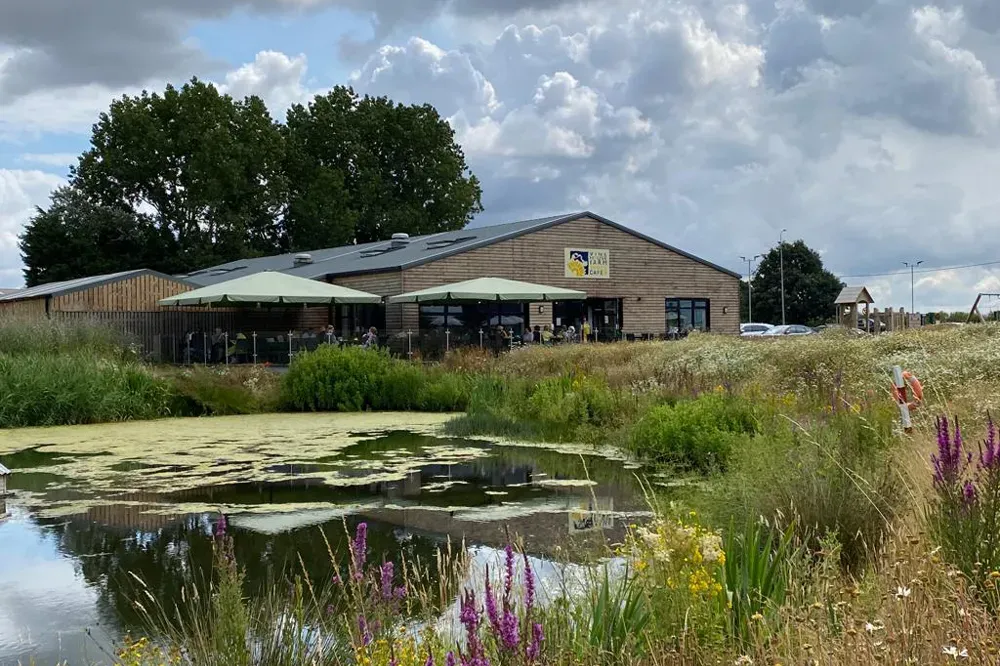
The British Trust for Ornithology (BTO) has announced today that it is forging a long-term partnership with family-run Lincolnshire-based bird-care business Vine House Farm.
17-11-2023
Avian Flu experts urge beachgoers to report dead birds
Thousands of threatened seabirds suspected to have died from Avian Influenza are once again washing up on UK beaches. Members of the public are urged to report all dead birds to BirdTrack and to Defra (or DAERA in Northern Ireland). This unprecedented outbreak of Avian Influenza began in 2021 and has had a devastating impact on birds in the UK and beyond. Hopes have been dashed that this summer’s wave of Avian Influenza might be less severe than in 2022, say researchers from the British Trust for Ornithology (BTO). The disease is once again having a devastating impact, with threatened seabirds washing up on beaches across the UK. Experts are calling for the public to report all dead birds to BirdTrack and Defra in Great Britain and DAERA in Northern Ireland to help them understand more about the disease’s spread. Birds are dying from suspected cases of the Avian Influenza the length and breadth of the UK. Recent weeks have seen hundreds of dead Guillemots washed up on beaches in Wales and thousands of terns and gulls – including Kittiwakes, which were already on the UK Birds on Conservation Concern Red List because of population declines before avian influenza hit, dead at colonies in eastern Scotland and England. Black-headed Gulls remain the worst affected birds in Northern Ireland. Just last week, NatureScot recorded 1,443 Guillemots, 1,570 Kittiwakes and 236 Herring Gulls suspected to have died from Avian Influenza, but the true scale of the losses will not be clear for some time. Earlier in the season, major outbreaks of Avian Influenza were mostly restricted to inland colonies of Black-headed Gulls, though the disease quickly spread to the coast and into colonies of Common Terns. Many thousands of each species are now known to have been killed. Reports suggest that as many as 20,000 Black-headed Gulls (adults and young) may have died at one Lancashire site alone. More than 10% of the total UK breeding population may have been lost. This unprecedented UK outbreak of Avian Influenza began in 2021. Estimates of the total number of birds killed vary but more than 70 species are known to have been affected. Many colonies are being hit this year for the first time; others, sadly, are experiencing a second summer of disease. Alongside the annual surveillance of some seabird colonies through the BTO/JNCC Seabird Monitoring Programme, there is additional work underway this year to assess the situation of species, such as Great Skua and Gannet, that were worst hit last year but are not usually monitored annually. All dead and sick birds of any species should be reported to BirdTrack and to Defra/DAERA. BirdTrack allows researchers to follow the geographical spread of Avian Influenza and rapidly assess its potential impact. Defra/DAERA will decide whether to collect the dead birds and test them for the disease. Members of the public are reminded not to touch dead or sick birds and to keep dogs on leads to prevent the further spread of disease. BTO Head of Surveys, Dawn Balmer, said: “As our beaches get busier over the summer holidays, do look out for dead birds, report them and keep your dogs on leads and away from carcasses. It’s devastating to see the impact of Avian Influenza again this year. You can help us monitor the situation by continuing to report dead birds to Defra (GB) and DAERA (NI), and also to BirdTrack.” RSPB Senior Policy Officer for Highly Pathogenic Avian Influenza, Claire Smith, said: “It’s heart-breaking to see Avian Influenza sweep through seabirds again this year. The disease is one of several threats impacting the UK’s internationally important seabird populations. These long-lived and slow-breeding birds cannot simply bounce back. We need to do all we can to remove other human-induced pressures, such as by reducing bycatch and closing sandeel fisheries. We must also carefully consider the location of coastal developments and step up measures to tackle climate change.” Natural England Principal Advisor for Highly Pathogenic Avian Influenza, Nik Ward, said: “Avian Influenza has again had a big impact on many of our important seabird colonies in England affecting chicks and adults in different proportions. Future monitoring will be crucial for assessing the lasting effects of these mortality events.”
26-07-2023
Thetford-based national bird charity celebrates big birthday
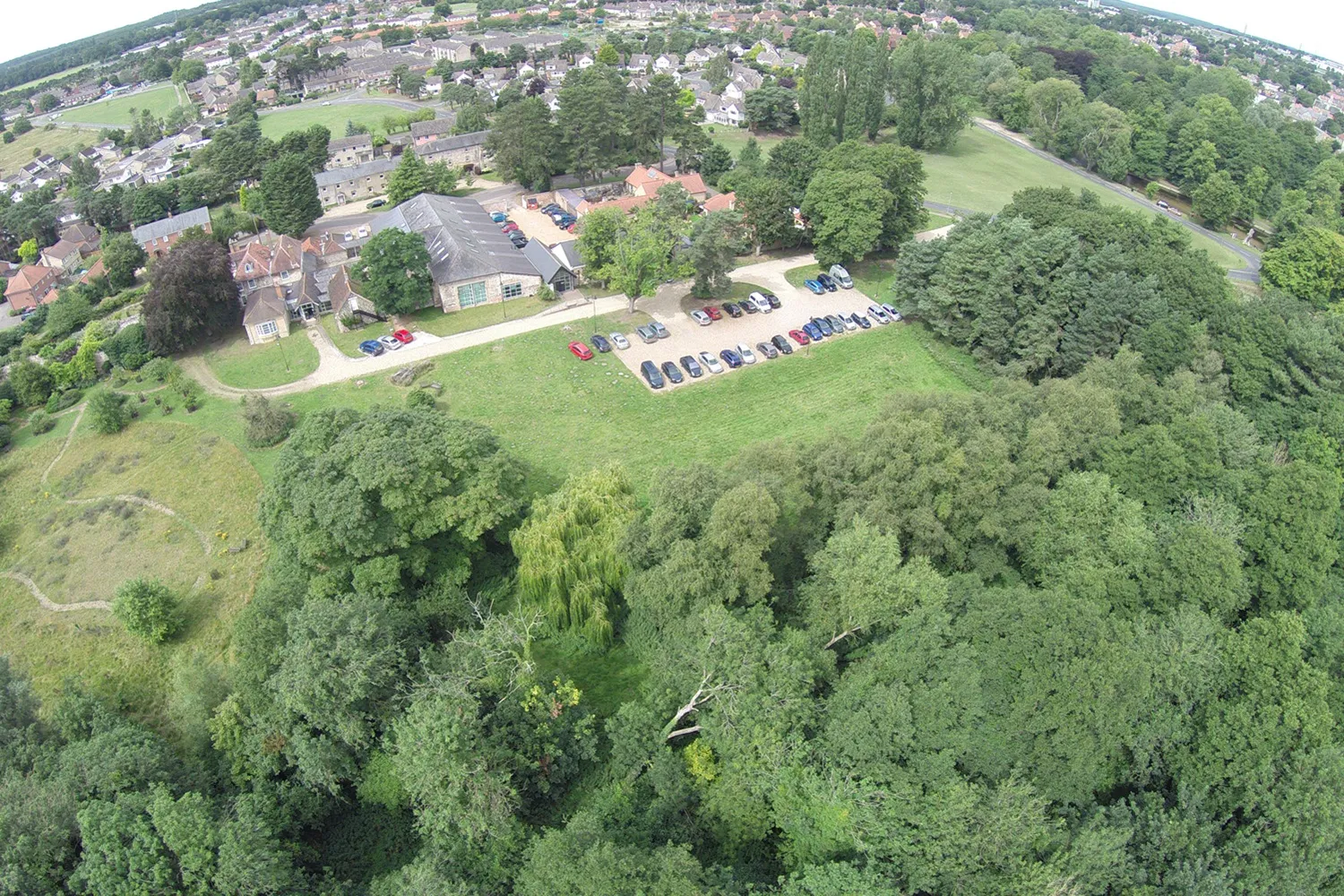
Members and supporters of the British Trust for Ornithology (BTO) came together this weekend to celebrate the leading bird research and monitoring charity’s 90th birthday at its headquarters in Thetford, Norfolk. BTO president and BBC Security Correspondent Frank Gardner joined BTO Chief Executive Professor Juliet Vickery, staff from across the organisation and around 200 guests – many of whom have made huge contributions to its work as volunteers – on Saturday 1 July. Visitors enjoyed a day of talks, guided walks and lots of birthday cake, 90 years to the day since a letter in The Times called for people to support establishing a new organisation to monitor UK bird populations. Staff from the organisation presented updates on its vital conservation work and helped to showcase the varied wildlife of the BTO Nunnery Lakes reserve. Visitors enjoyed talking to like-minded people from across the UK and seeing a variety of species up close at bird ringing and moth trapping demonstrations. On hand to help cut the BTO’s birthday cake was longstanding BTO member Rose Newsom, also celebrating her 90th birthday this year. At the other end of the spectrum, members of the BTO Youth Advisory Panel spoke about their work to engage more young people with birds and conservation. BTO has been based in Thetford since 1991, when it moved to its current home at The Nunnery, just outside the town centre. BTO Chief Executive Professor Juliet Vickery said, “We were delighted to celebrate our 90th birthday with so many of our wonderful supporters. It’s thanks to their dedication and expertise that we have such an extraordinary understanding of the UK’s birds. Together, we will continue to play a vital role in conserving our birds and other wildlife for other generations to enjoy.”
04-07-2023