Throughout the year we send out press and media releases to individuals and organisations who have signed up to receive these. This page holds details of the press releases posted over the past two years. For press and media enquiries, please email press@bto.org.
New report paints a mixed picture for Northern Ireland’s internationally important seabirds
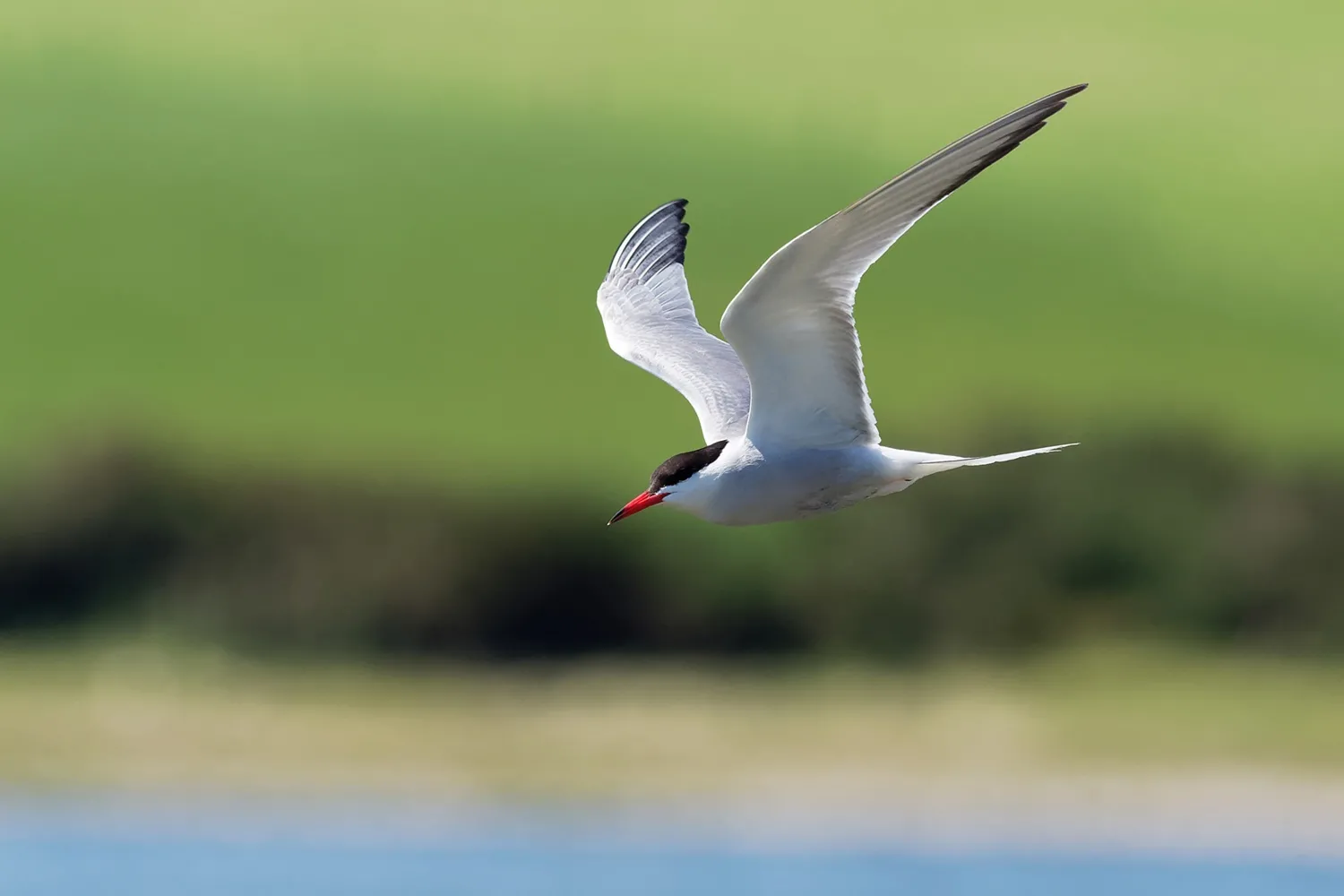
The tenth annual Northern Ireland Seabird Report has been published today by the British Trust for Ornithology (BTO). It shows very different results for two species classified by the IUCN as Vulnerable at the European level, Fulmar and Kittiwake, as well as reporting concerning information on the breeding success of Common Terns. All but one of the 22 species covered are on the Red or Amber lists of Birds of Conservation Concern in the UK, something partly explained by the long-term declines charted in the report. The report is a comprehensive analysis of the numbers of seabirds that bred in Northern Irish colonies in 2022. It draws on data collected by a dedicated and highly skilled network, led by BTO, of volunteers and staff of National Trust, Ulster Wildlife and RSPB on behalf of the Northern Ireland Environment Agency (NIEA). 2022 was the first year in which monitoring of seabird colonies was expected to return to ‘normal’ following restrictions due to Covid-19. However, access was greatly reduced from late June, when Highly Pathogenic Avian Influenza (HPAI) made landfall. Luckily, the disease reached Northern Ireland later in the breeding season than elsewhere in the UK, where it devastated seabird colonies and halted fieldwork. Kittiwake numbers were found to have increased since 2021 at almost all surveyed sites, with an increase of 18% at Portrush and the highest total on Muck Island since 1987. This is in contrast to the species’ status in the UK as a whole, where numbers have halved since the late 1980s. Although Fulmars remain widespread breeding birds in Northern Ireland, their numbers are at a low ebb. The declines are particularly alarming in County Londonderry, where the species has all but vanished from a number of sites. Northern Ireland’s Common Tern colonies appear to have recovered from a bad breeding year in 2020, with 44% more nesting birds in Strangford Lough than in 2021. However, surveys found evidence of very low and declining breeding success, with an average of 0.23 chicks fledged per nest. For some colonies in Strangford Lough, this dropped to just 0.09 chicks per nest, due to a combination of flooding and predation by American Mink. The report notes that volunteers managed exceptionally high coverage during surveys of Black Guillemot, an iconic Northern Irish species. This is just one remarkable example of the dedication and passion of the volunteers who work tirelessly to help us understand how to and preserve the region's seabirds. Dr Katherine Booth Jones, BTO Senior Research Ecologist and Northern Ireland Seabird Report Editor, said, This report would not exist without the Northern Ireland Seabird Network, a special collaboration between volunteer seabird surveyors, the BTO, NIEA, RSPB, the National Trust and Ulster Wildlife. The monitoring work, which revealed both winners and losers in 2022, allows scientists to better understand how Northern Ireland’s internationally important seabird populations are responding to their changing environment.
17-03-2023
Bird flu report spotlights impact of the disease on UK wild birds
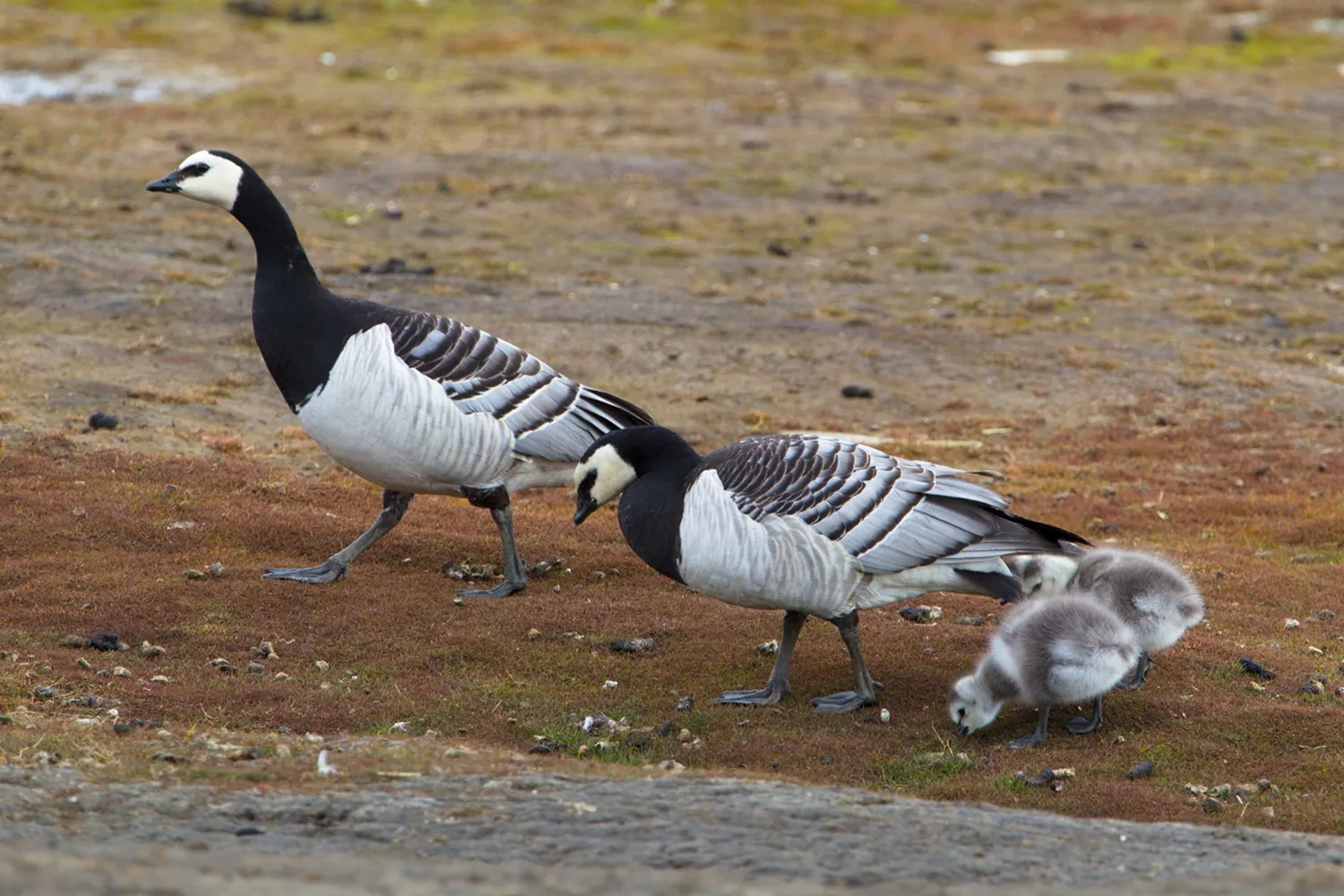
Following a meeting of more than 100 experts, a report into the continuing Highly Pathogenic Avian Influenza (HPAI or ‘bird flu’) outbreak has been published by the British Trust for Ornithology (BTO) and Joint Nature Conservation Committee (JNCC). The report lays bare the impact of the disease on wild birds and identifies knowledge gaps that need to be addressed for the effective conservation of vulnerable species. It will inform the ongoing response to a disease that continues to have a devastating impact on vulnerable populations of wild birds. HPAI has caused mass mortalities in the UK’s internationally important wild waterbirds and seabirds since the current outbreak began in October 2021. Across the UK, more than 60 species have been affected, and data collected by the governments’ country conservation bodies, other organisations and volunteers indicates that many more than 20,000 wild birds have died. Especially badly affected species include wintering Barnacle Geese on the Solway Firth, breeding Great Skuas in northern Scotland, and Gannets in colonies around the UK coast. Great Britain and Ireland are home to more than 50% of the world population of both Great Skuas and Gannets, so these impacts are of global significance. Recognising the global spread of HPAI, JNCC and BTO invited animal health experts, virologists, ecologists and conservation practitioners to a two-day workshop to assess the impact of the disease, discuss management options and identify information needs. Access the HPAI report The report identifies three major knowledge gaps which urgently need addressing. First, we need a better understanding of how the virus spreads between individual birds. Second, we need to be able to accurately assess the scale of losses at our internationally important seabird colonies, and finally, we need to determine the best practical approaches to managing and mitigating future outbreaks. The report also highlights just how well existing monitoring schemes have worked to identify species that have been particularly badly affected. Reports of dead birds carrying uniquely-numbered metal leg rings, for example, have revealed extremely high mortality compared to previous years for seven species: Gannet, Great Skua, Guillemot, Arctic Tern, Sandwich Tern, Kittiwake and Mute Swan. The monitoring of wild bird populations remains critical if we are to fully understand the impact of HPAI and deliver conservation solutions. Seabird experts, including those involved in the national seabird monitoring scheme, the BTO/JNCC Seabird Monitoring Programme, have assessed which species and sites need monitoring in the coming breeding season. The report also assessed the potential for different interventions to reduce the impact of bird flu on populations; this suggested that there is probably little that can be done to reduce the spread amongst wild birds, butbirds but highlighted the removal of carcasses of dead infected birds as the intervention most likely in certain circumstances to have an impact, particularly on species that may become infected through by scavenging dead infected birds. Professor James Pearce-Higgins, BTO Director of Science, said, “Over the last year, bird flu has had an unprecedented impact on wild bird populations in the UK. It is vital to prioritise the monitoring of our wild bird populations, so we can identify and conserve the species that are most at risk. In the longer-term, bird conservationists, virologists and the poultry industry need to work closely together to reduce the risk of transmission between domestic and wild birds.” Professor Phil Atkinson, BTO Head of International Research, who organised the workshop, said, “Getting input from over a hundred people from the UK and Europe, as well as from Canada and South Africa, really demonstrates what a global problem bird flu is. Wild birds are an unfortunate victim of this global pandemic.” Dr Helen Baker, Marine Species Team Leader at JNCC, who co-led the workshop, said, “It is important that we work together within the UK, and internationally, to understand the virus, share knowledge and work out how best to adapt conservation solutions to protect and recover vulnerable species. Whilst there may be few interventions that can prevent the spread of bird flu in the short-term, we need to consider longer-term action and where feasible trial new approaches and learn from the results.”
02-03-2023
Act now to save migratory birds, scientists say
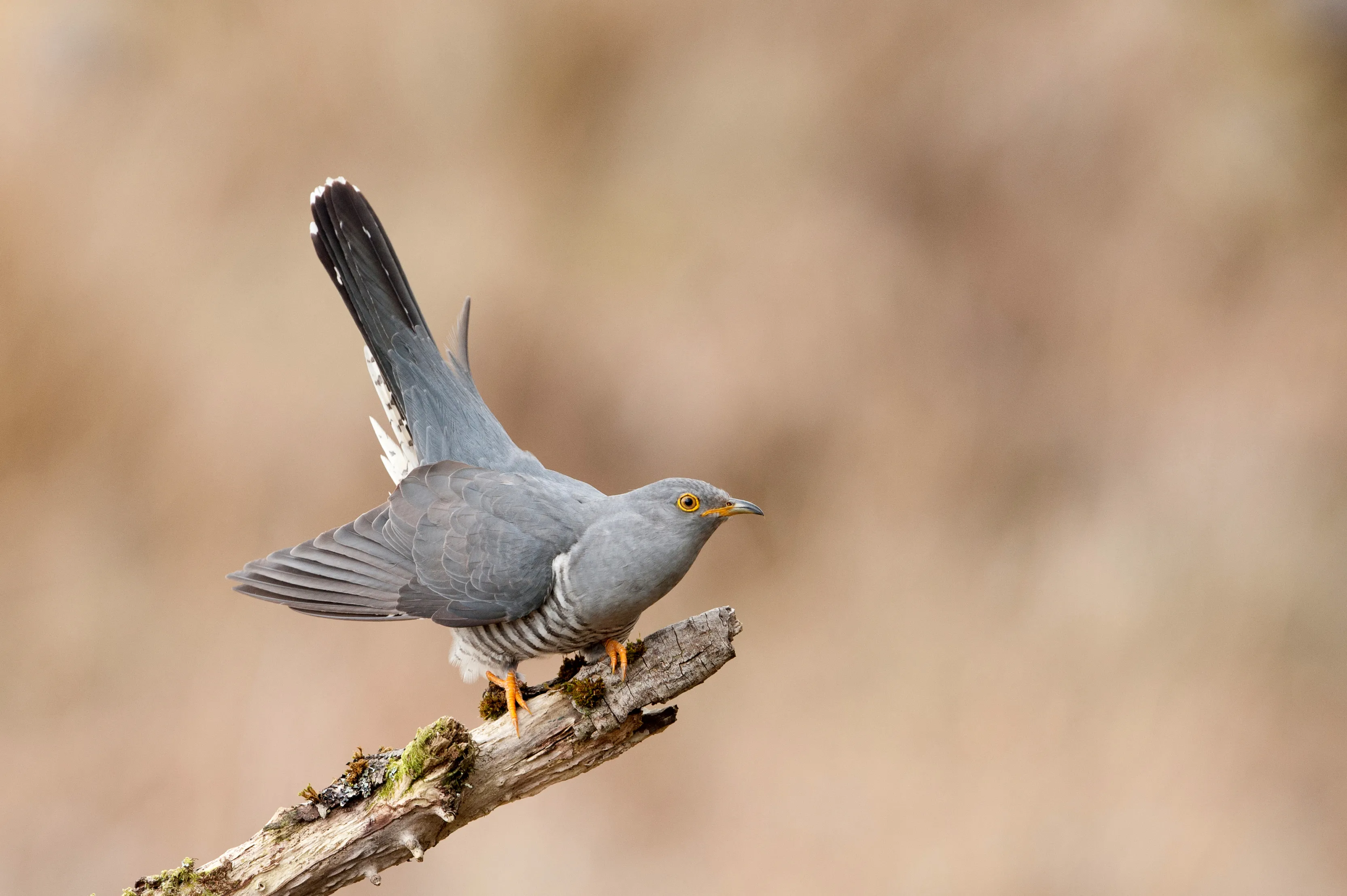
A new paper by RSPB and BTO researchers calls for the focus to shift from diagnosis to treatment of migrant bird declines Birds that breed in Europe and winter in Africa have declined by more than 25% since 1980, though the reasons why remain unclear Measures including tree planting and protection from hunting are likely to have a positive impact We must act now to stop the long-term declines of birds that migrate between Europe and Africa, argues a new peer-reviewed study by scientists from the RSPB and British Trust for Ornithology (BTO). Despite decades of research into the reasons for these declines, our understanding of them remains incomplete largely due to the complexities of studying species on an inter-continental scale throughout the year and across the flyway. This is delaying conservation action. The authors call for the focus to shift now from research to practical conservation measures, using the knowledge we have already. Continued declines of familiar species including Cuckoo, Swift and Turtle Dove are evidence that time is running out. The new study calls for action to improve wintering and breeding habitats across Europe and Africa. Such intervention is likely to make the biggest difference for the greatest number of species, it says. Examples include planting and conserving native trees in those regions of Africa that hold wintering migrants, targeted measures at significant locations where birds stop to refuel during migration, and protecting some species from hunting along the full course of their migration routes. Birds that leave Europe after the breeding season to spend the winter in Africa have seen their numbers drop by more than 25% since 1980, with many species experiencing significantly worse declines. The reasons why remain unclear, in part because the birds cover huge distances on their awe-inspiring journeys, are dependent on different sites at different times of year, and occupy vast wintering ranges. These factors make it very difficult to identify the pressures faced by individual species and to establish whether poor levels of breeding success or low adult survival rates are to blame for the declines. The last few years have been a golden age in migrant research, and we have learnt a lot since the last review in 2014. This is especially the case in the use of new tracking technologies, through which we now have far more information regarding the migratory behaviour and routes of migrant birds. However, despite these advances, we still don’t understand what is driving the declines of most of these species. Although there have been significant advances in priority research areas, including tracking technologies and assessment of ground cover change, these have not led to new conservation approaches. The time has come to begin putting what we know into practice, argues the new study. If we wait until our understanding of these birds’ declines is complete, it may already be too late. BTO Chief Executive Professor Juliet Vickery, lead author on the paper, said, “Our declining migrant birds need action. Although it remains important to continue some diagnostic research, particularly tagging and tracking birds, resources need to be focused on trialling solutions based on what we know already. This is not just about the conservation of individual species but the preservation of a spectacular phenomenon that has inspired humans for generations. We must afford a higher priority to addressing the declines of widespread and relatively common birds, not least because these carry a stronger warning about the health of our natural world than is the case for of rare and threatened species.” RSPB Senior Conservation Scientist Dr John Mallord said, “Although we have learnt a lot about migrant birds in the past seven years, we are still no closer to understanding what is driving the declines of most of these species. We need to shift the focus from species-specific diagnostic research and start to use what we do already know to inform conservation actions on the ground.” Read the published paper in the journal IBIS Find out more about BTO's Cuckoo Tracking Project
24-02-2023
45-year-old seabird highlights impact of avian influenza
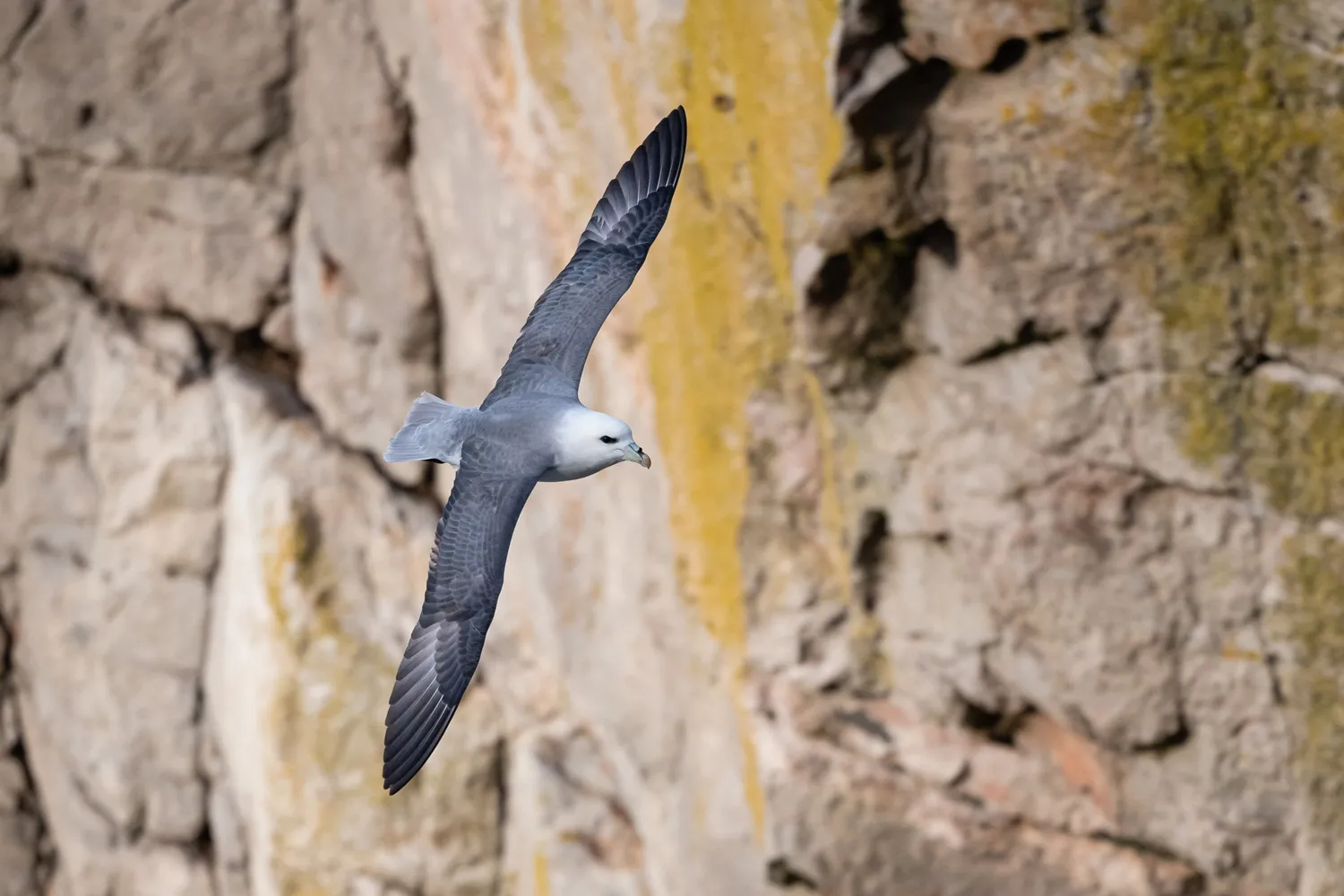
At 45 years old, a Fulmar recorded on an uninhabited Scottish island is one of the oldest of its kind ever recorded. The bird’s extraordinary age is a reminder that many seabirds live for a very long time – a trait that can make their populations particularly vulnerable to the impacts of avian influenza (AI). The record is one of many that have just been published in the latest British Trust for Ornithology (BTO) ringing report. Researchers from the British Trust for Ornithology (BTO) were able to work out the Fulmar’s grand old age thanks to a numbered ring that was fitted to its leg by a volunteer bird ringer back in 1975, when the bird was still a fledgling on Eynhallow, Orkney. It was spotted again last year, when the ring number revealed that the bird had reached 45 years, 9 months and 12 days old. Other 1975 births include Microsoft, Jaws and Queen’s Bohemian Rhapsody. Fulmars are one of many seabird species that have been hit hard by the unfolding avian flu outbreak that devastated colonies across Britain and Ireland this summer. Seabirds tend to be long-lived and slow to reproduce – a Fulmar, for instance, might be as old as 12 before it lays its first egg. Even then, early breeding attempts are less likely to be successful. This means it can take a very long time for populations to recover from disease, and that older, more experienced adults play an outsize role in maintaining them. Only time will tell if this particular individual managed to weather the AI storm. Ringing birds lets us work out how old they are, which in turn means we can calculate the rates of individual birds’ survival from one year to the next. It also reveals the places birds move between, their levels of breeding success, and important information about their physical condition. These data are vital if we want to understand the impact of threats like AI and the best ways to target conservation work. Sightings of ringed birds can be submitted to Euring Dr Ellie Leech, head of the British and Irish Ringing Scheme, says, Britain and Ireland’s seabird populations are of global importance, and volunteer bird ringers participating in the BTOs Ringing Scheme play a fundamental role in the monitoring work that underpins conservation efforts. With avian influenza now adding to the significant, existing environmental pressures posed by changes in climate and habitat quality, the dedication of these highly skilled volunteers is more important than it ever has been and we are immensely grateful for their incredible contribution.
26-09-2022
Record summer for ‘hummingbirds’ in UK gardens
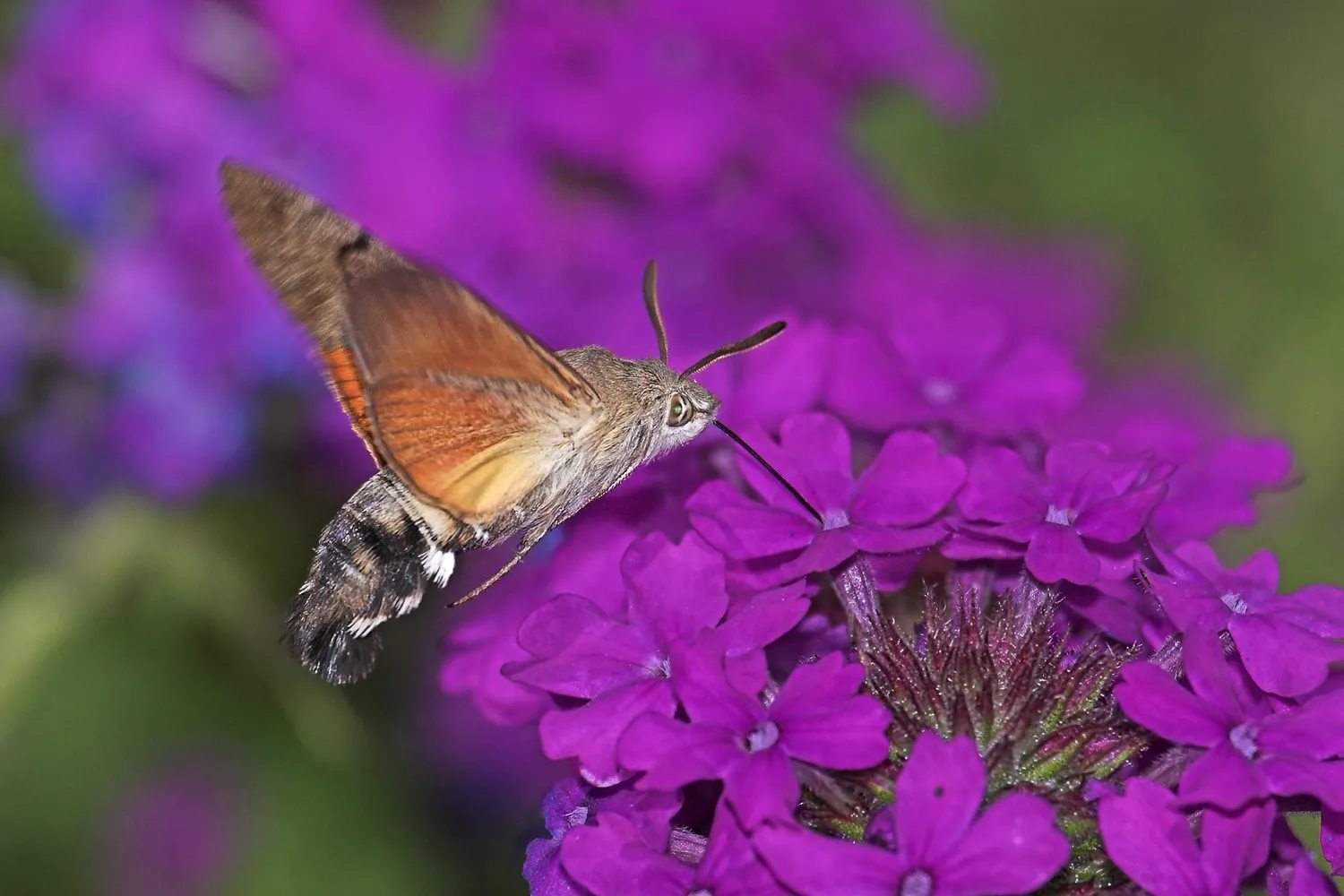
Data from the British Trust for Ornithology (BTO) Garden BirdWatch survey, carried out by volunteers across the UK, show a fourfold increase in the number of gardens recording a Hummingbird Hawkmoth, making 2022 a record year. These large, colourful insects are often mistaken for hummingbirds because of the way they hover over flowers and use their long tongues to drink the nectar. You are mostly likely to see a Hummingbird Hawkmoth in the UK during July and August. Last month, 5.2% of Garden BirdWatch gardens recorded a visit from a Hummingbird Hawkmoth, compared to just 1.3% in a typical year, while the proportion rose to 7.5% in southeast England. In Scotland, where the species is much rarer, it was reported from 1.2% of gardens, more than three times the summer average. Hummingbird Hawkmoths are particularly fond of pink and purple flowers like Buddleia, Red Valerian and Vipers Bugloss. Watching these plants on warm, sunny days is the best way to spot one yourself. Just look out for a chunky moth with orange wing patches and black stripes on its body. The influx probably has its origins in the current long spell of warm, southerly winds that carry the moths north from their Mediterranean strongholds. There is also a possibility that rising temperatures mean a growing number are able to overwinter in the UK: in suitable conditions, Hummingbird Hawkmoths will spend the colder months tucked away in thick vegetation, a tree hollow or even a garden shed. While most Hummingbird Hawkmoths recorded in the UK are thought to be visitors from overseas, a number do breed here, laying their bluish-green eggs on plants such as cleavers (sticky-weed) and bedstraws. A single female can produce as many as 200 eggs that grow into stripy green caterpillars up to six centimetres long. Rob Jaques, BTO Garden BirdWatch Supporter Development Officer, said, “The striking appearance and unusual behaviour of the Hummingbird Hawkmoth means the species attracts lots of attention from gardeners and nature lovers alike. Thanks to the citizen scientists who record these and other species in their gardens, BTO Garden BirdWatch is able to track the fortunes of the wildlife on our doorstep and learn how our green spaces can best support biodiversity. As climate change has an ever more obvious impact on the species we see around us, the data our amazing volunteers collect has never been more valuable than it is today.” BTO Garden BirdWatch is free to join and a brilliant way to make a difference for science and conservation.
10-08-2022