The Seabird Monitoring Programme (SMP) monitors the population changes of our internationally important breeding seabird species at coastal and inland colonies across the UK. Visit the SMP Report page to read the latest annual report.

Time, skill and support
Depending on the species and colony you monitor, surveys can take from as little as 20 minutes to whole days, during the breeding season.
You need to be able to identify seabirds by sight, and follow the count methodologies described in the SMP handbook.
The Seabird Monitoring Handbook contains information about survey methodologies, and there are videos and training courses available to boost your bird identification skills.
About the Seabird Monitoring Programme
 Britain and Ireland are home to the majority of Europe’s breeding seabirds, so our seabird breeding colonies - both coastal and inland - are of international importance. It is vital, therefore, that we have up to date information on their status and health.
The Seabird Monitoring Programme (SMP) monitors breeding seabirds throughout the United Kingdom, the Isle of Man and the Channel Islands on an annual basis to provide data for the conservation of their populations. The scheme also provides the foundation in enabling vicennial breeding seabird censuses of the UK and Ireland.
Scheme participants, both non-professional and professional surveyors, visit sites at both inland and coastal locations to count numbers of breeding seabirds and, where possible, their chicks to monitor breeding success. Additional data on survival, diet and phenology are collected at Key Sites.
Annual reporting
Visit the SMP Report page to read the latest annual report. Head to the JNCC website to see previous reports.
The SMP Handbook
BTO are looking to fundraise in the near future to allow us to review and modernise the SMP handbook. Species experts will be invited to assist with chapters of this handbook, and considerations are underway with regards to the inclusion and guidance for new technologies, e.g. drone use. Watch this space!
Subscribe to SMPnews
Project team
Leads
Follow this project
Contact
- smp@bto.org
Project timeline
- March Scheme participants receive SMP newsletter; fieldwork planning begins
- April Fieldwork may begin, depending on the target species
- June/July Peak fieldwork season
- September End of fieldwork
- October Scheme participants enter data into SMP Data Portal
Contributions and findings
Annual Report and results
Read the latest report and browse the report for all 25 seabird species monitored by the SMP.
Trends Explorer
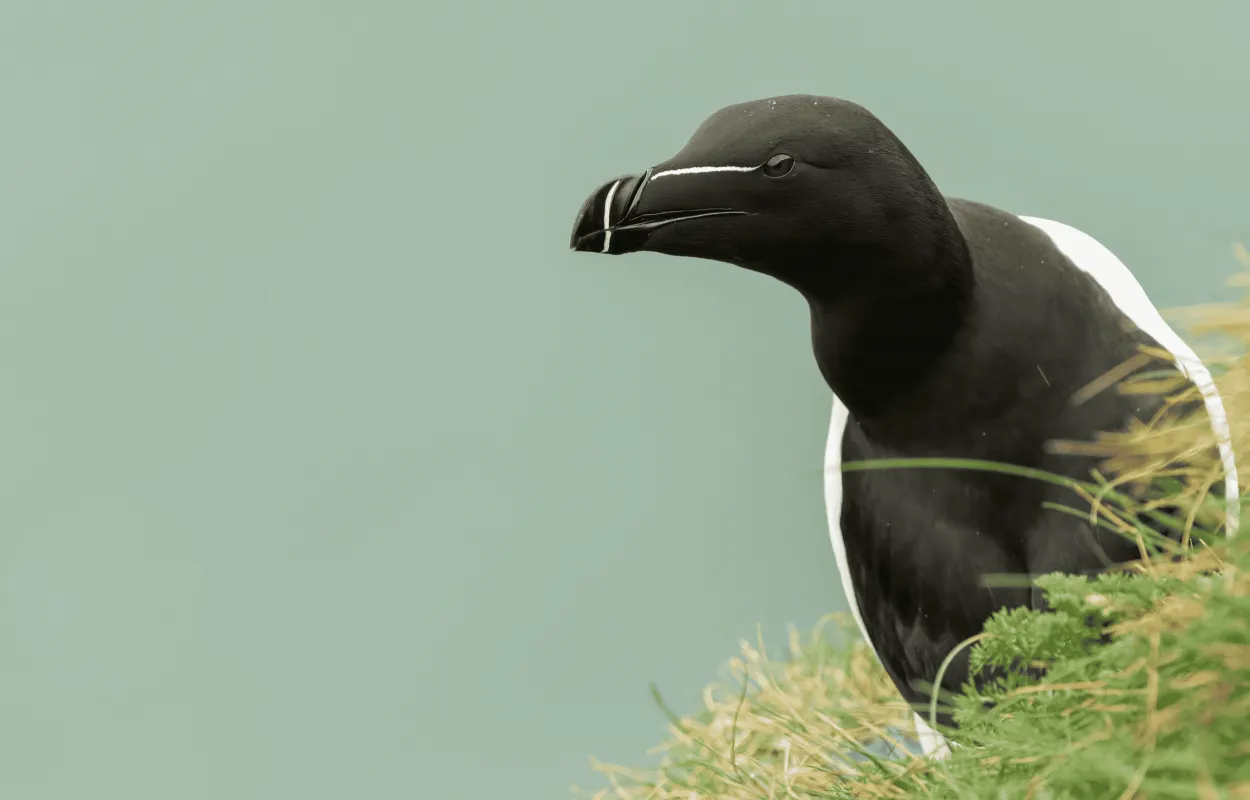
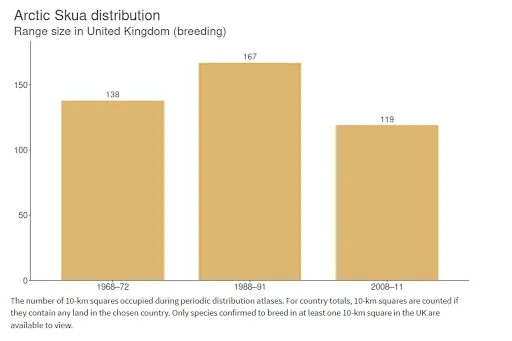
Use our interactive tool to explore seabird population and distribution changes.
Getting started
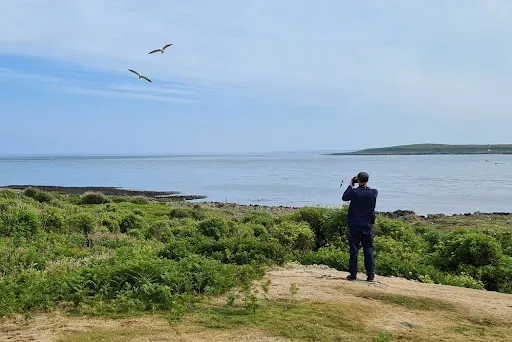
Find out how to take part in seabird monitoring, both inland and at the coast.
Partners and supporting organisations


Code of Conduct
Volunteers must follow BTO’s Code of Conduct. This code applies to our staff, our members, and volunteers, including surveyors and participants in the Ringing and Nest Record Schemes, (hereafter referred to collectively as ‘staff and supporters’). It applies to all BTO activities, whether online (including meetings and events, telephone, letter, and email) or offline (any face-to-face interaction). We've also written some guidance for volunteer fieldworkers, which will help beginners in particular.