The 13th annual Northern Ireland Seabird Report has been published today by the British Trust for Ornithology (BTO).
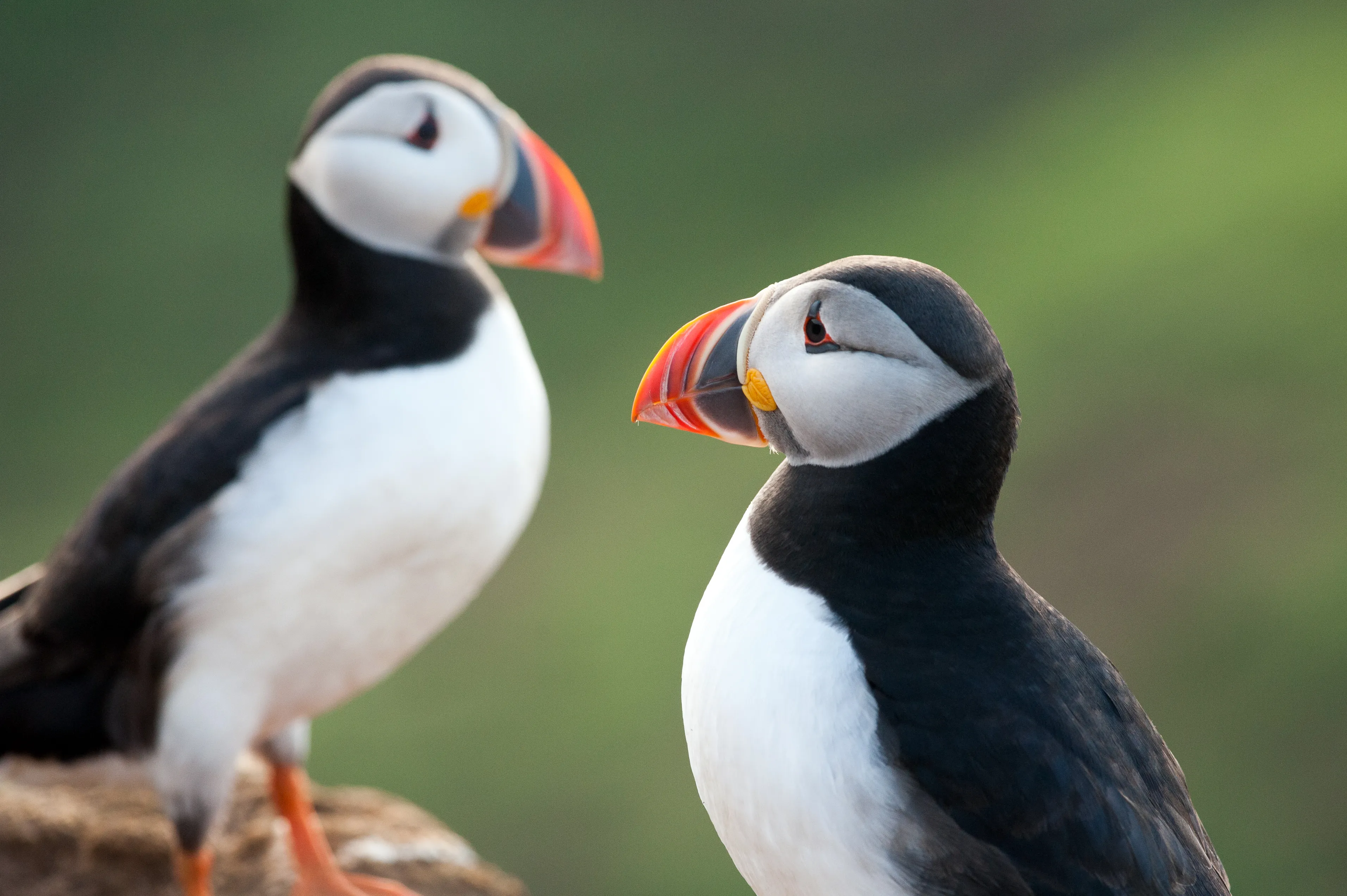
It highlights ongoing concerns for a number of species critically affected by population declines but also celebrates the removal of invasive predators on two Co. Antrim islands, resulting in the return of breeding Manx Shearwaters and Puffins.
All but one of the 22 species covered are on the Red or Amber Lists of Birds of Conservation Concern Ireland, something partly explained by the long-term declines highlighted in the report.
The report is a comprehensive analysis of the numbers of seabirds that bred in Northern Irish colonies in 2025. It is the published outcome of the work of the Northern Ireland Seabird Network, and draws on data gathered by a dedicated and highly skilled network, overseen by the British Trust for Ornithology (BTO), and includes input by volunteers and staff of National Trust, Ulster Wildlife and RSPB on behalf of the Northern Ireland Environment Agency (NIEA).
Rathlin Island is home to important seabird colonies and BTO, in partnership with RSPB, completed a thorough census of these breeding birds in 2025. The island is of global importance, hosting the largest Guillemot colony in Britain and Ireland, as well as significant nesting communities of Razorbill and Kittiwake. Results from the latest census showed that since the last survey was carried out in 2021, Razorbill numbers were up, Guillemot were broadly stable, but Kittiwake and Fulmar were both down. Recent work to eradicate Ferrets, an invasive alien predator, from Rathlin should help with the recovery of some of these seabird species.
It is likely that the Kittiwake declines are due to the impacts of a HPAI (bird flu) outbreak which heavily affected the colony in 2022. More worrying is the significant ongoing decline in Fulmar which is occurring throughout Northern Ireland. Scientists have linked these declines in part to a legislated reduction in discards from the fishing industry, which has reduced access to food, but it is likely that other factors are also involved.
The report also looks at the long-term decline in numbers of breeding terns on Strangford Lough. Common and Arctic Terns were both down around the lough while just 25 pairs of Sandwich Tern bred in 2025, compared to peaks in the 2000s of over 2,000 pairs.
A number of factors are thought to be driving these declines including nest predation and the impacts of climate change.
Andrew Upton, BTO NI Senior Research Ecologist and Northern Ireland Seabird Report co-editor, said: “This invaluable monitoring work, which revealed both the winners and losers in 2025, allows scientists to better understand how Northern Ireland’s internationally important seabird populations are responding to an ever-changing environment. This report would not exist without NIEA funding and support from the Northern Ireland Seabird Network, a special collaboration between volunteer seabird surveyors, BTO, RSPB, the National Trust, and Ulster Wildlife.”
Publication details
- Upton, A.J. & El Haddad, H. (eds). 2026. Northern Ireland Seabird Report 2025. British Trust for Ornithology, Thetford