British seaside gulls may divide opinion, but recent research shows that these charismatic, and sometimes controversial, birds are struggling to survive in our modern world.
Evidence published this week, shows significant declines in the numbers of several common and widespread species inhabiting our shores.
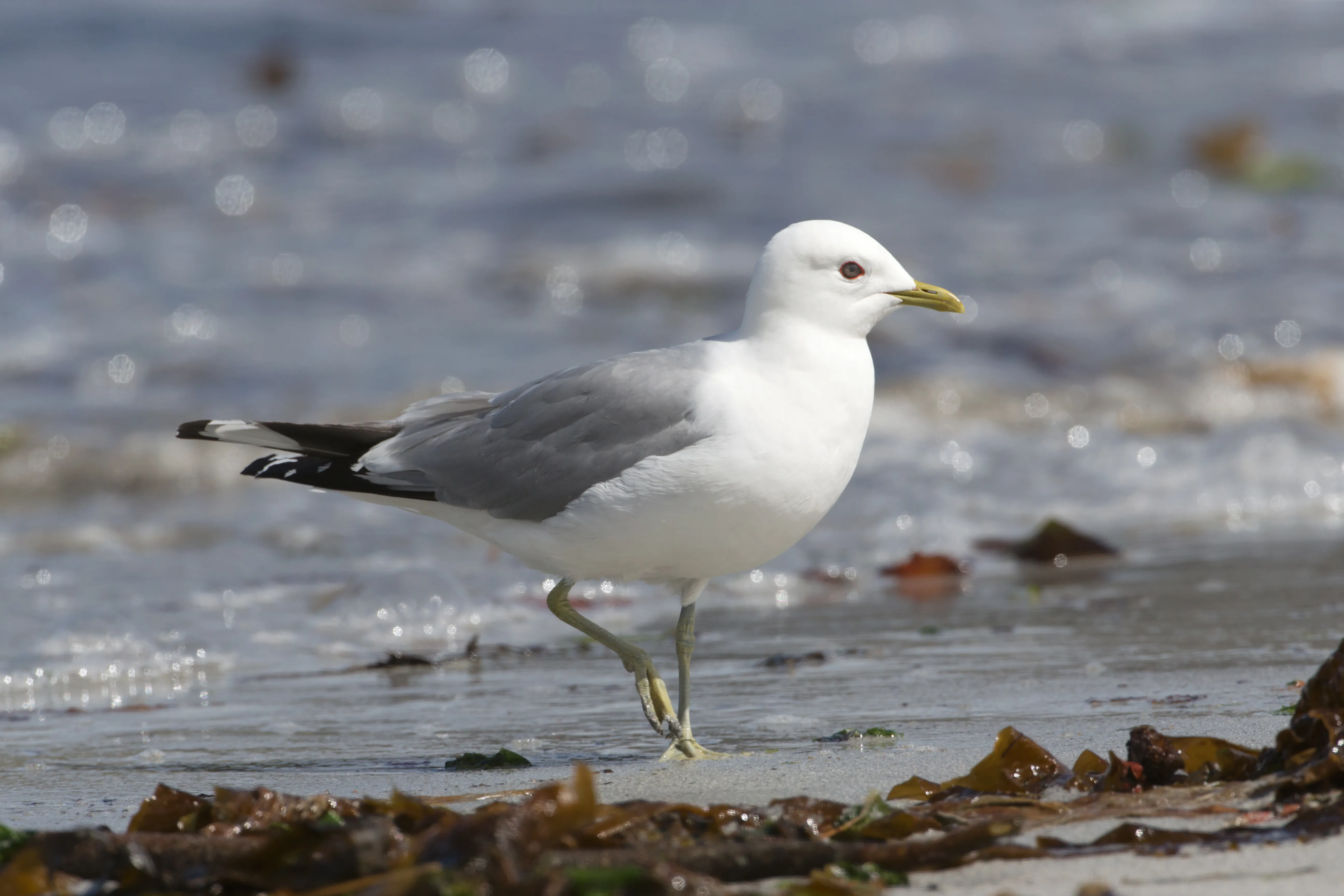
A visit to the UK seaside would not be the same without the scent of candy floss and salty sea air, or the familiar and evocative cries of ‘seagulls.’ But new research shows that these characterful coastal birds are having a tough time, and numbers are in steep decline.
A report, published this week by the British Trust for Ornithology (BTO), assesses the outcomes of a long-standing nationwide study into the numbers and distribution of the UK’s common gull species. Carried out in the winters of 2023/24 and 2024/25, the most recent Winter Gull Survey (WinGS) has revealed a bleak picture overall for these well-known and idiosyncratic birds.
Six species of gull were targeted in the project: Black-headed Gull, Common Gull, Lesser Black-backed Gull, Herring Gull, Great Black-backed Gull, and Mediterranean Gull. This latter species, a relatively recent coloniser, was added to the list for the first time since the survey began in the winter of 1952/53, and is still only present in small numbers.
Counts at roost sites across the two winters revealed substantial population declines for four of the five main wintering species. While Herring Gull numbers remained largely stable over the last 20 years (following a substantial decline prior to the previous WinGS for which this species was added to the Birds of Conservation Concern Red List), Black-headed Gull, Common Gull, Lesser Black-backed Gull, and Great Black-backed Gull had all experienced notable declines. Over the two decades since the last WinGS, the total number of gulls wintering in the UK has decreased from 3.9 million to just under 2.5 million.
The substantial overall downturns in most UK wintering gull populations largely reflect broader declines affecting these species across their geographical range. The drivers of these downturns include the impacts of existing and emergent diseases such as High Pathogenicity Avian Influenza (HPAI), changes in land use and agricultural practices, climate change, and updates in waste management and fisheries discards practices. Although not all the gulls that winter in the UK stick around to breed here, some do, so these declines in wintering gull counts also have implications for the number of birds encountered in the UK during the summer months.
Figures from WinGS show that Black-headed Gulls declined by almost half in the last 20 years. In the short term, this drop is likely reflective of breeding colonies being heavily impacted by HPAI in the summer of 2023. Common Gull numbers fell by 26% and Lesser Black-backed Gulls suffered a 47% decline during the same period. The UK’s largest gull, the seemingly formidable Great Black-backed Gull saw a drop of up to 66% wintering in the UK.
The survey results show that there were some notable regional differences. For example, even though numbers have remained stable across the UK as a whole during the last 20 years, Herring Gulls have declined in Scotland over that period.
Common Gulls have decreased in England but remained stable in Scotland and Wales, while Great Black-backed Gulls showed significant declines in England and Scotland and significant increases in Northern Ireland.
Emma Caulfield, BTO Research Ecologist and survey coordinator said, “These figures are pretty alarming, and suggest that these enigmatic gulls are having a tough time across the UK. Despite these smart and adaptable birds figuring out how to live alongside us, the ever-changing world appears to be moving too fast for them to keep up.”
She added, “By understanding the problems these familiar and widespread birds are facing, we can hope to reverse some of the negative trends and work to ensure that they remain a part of our cherished seaside environment.”
- Read the full Winter Gulls in the UK report.
The Winter Gull Survey was funded by the Statutory Nature Conservation Bodies (Natural England, Natural Resources Wales, NatureScot and Northern Ireland Environment Agency) and the British Trust for Ornithology. It is part of the Natural England / BTO Research Partnership providing the evidence needed to support nature's recovery and people's experience of the natural world.
The work was overseen by a project steering group involving representatives from the funding organisations and also from the Joint Nature Conservation Committee and the Royal Society for the Protection of Birds.
This work would not have been possible without the support of the many volunteers who carried out roost counts and the members of the BTO's Regional Network who coordinated the coverage by volunteers and validated survey data from their regions.