A look at bird migration in early December 2025, as winter takes hold.
October is seen as the most exciting month of the year by many birders, but as I mentioned in the last blog, there are some more unusual visitors to Britain and Ireland that can turn up just as often in November. Three that I mentioned were Pallid Swift, Desert Wheatear and Dusky Warbler and all three have made appearances since then.
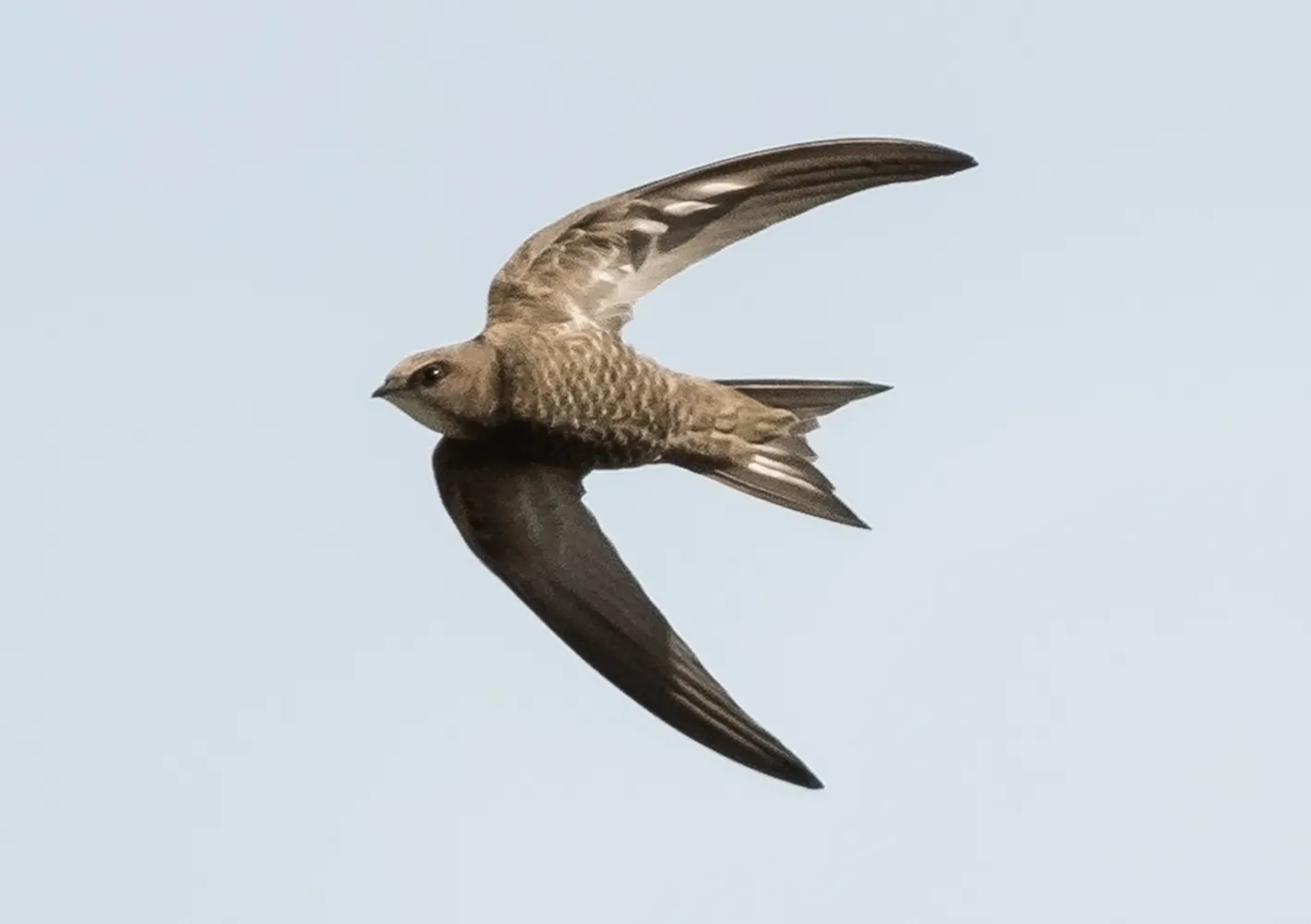
In the early part of November temperatures were warmer than average and a period of southerly winds led to good arrival of Pallid Swifts, with around 20 birds confirmed, and more sightings that were probably this species but not seen well enough to confidently identify. Pallid Swifts breed around southern Europe and head south into Africa to winter, but these individuals, mostly young birds, instead drifted northwards on the southerly winds.
Desert Wheatear, which breeds in North Africa and Central Asia, has not turned up in such numbers, but a couple of individuals have been found, in Kent and Dorset. However, November did turn out to be an excellent month for some rare warblers from the east. Around 40 Dusky Warblers were found during the month, while there was also a good arrival of the striking Pallas’s Warbler mid-month. There was also a notable influx of Hume’s Warblers. This species is very similar to the Yellow-browed Warbler, but has a distinctly different call (which sounds a bit like a Pied Wagtail) and is a much rarer vagrant to Britain, with generally fewer than 10 records a year. However, this year around 18 were found in November in addition to another seven during October.
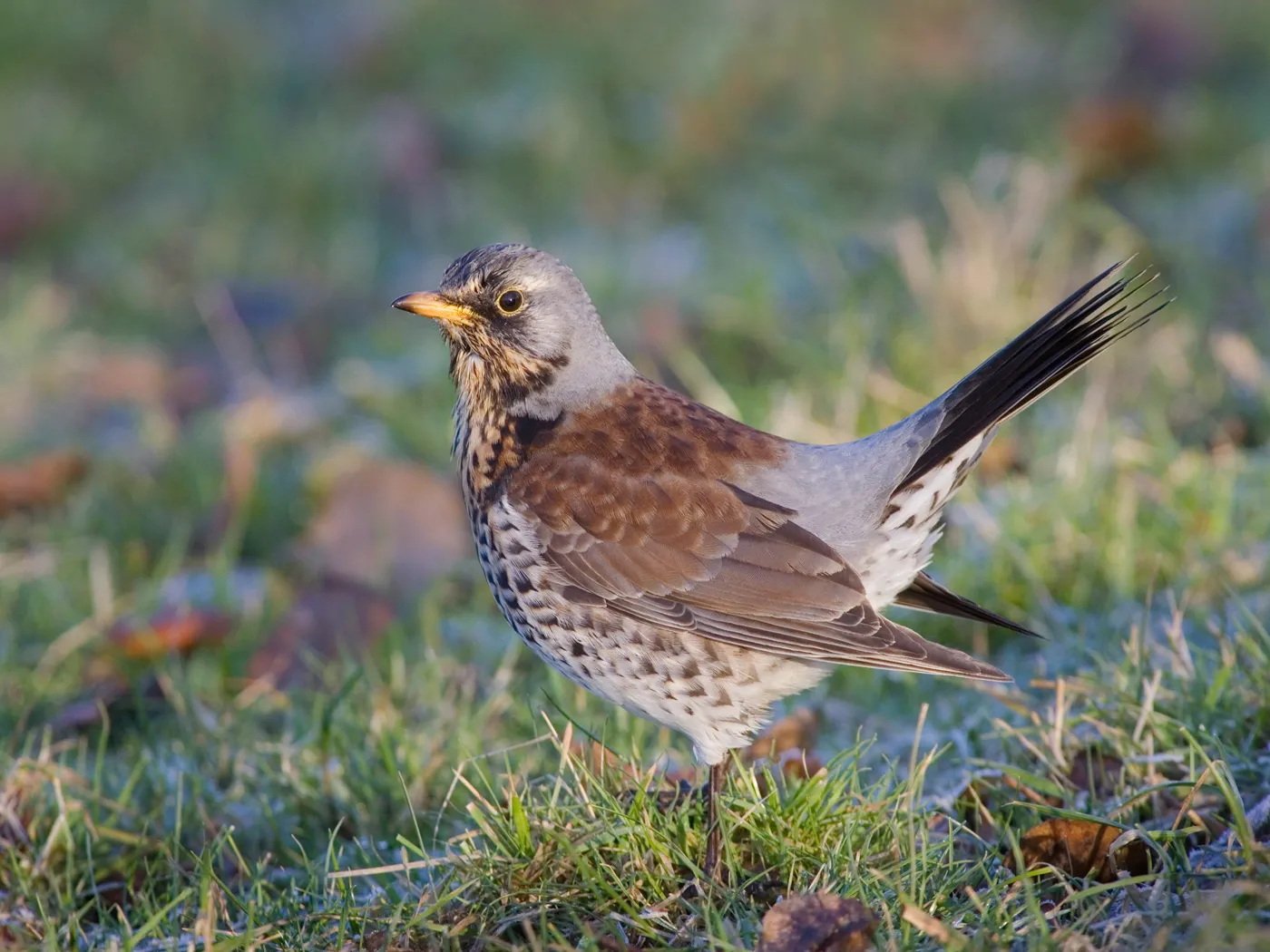
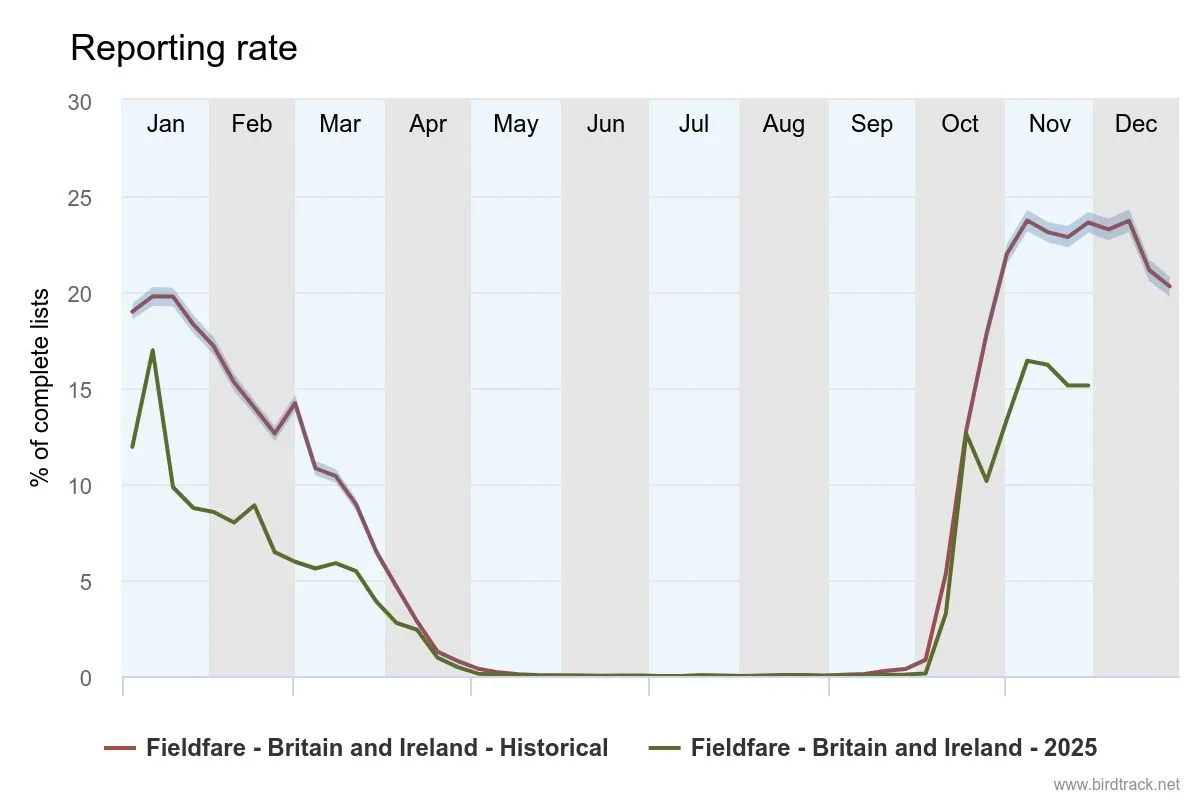
Of the commoner migrants, reports of Woodcock surged in November as migrants from Fennoscandia and Russia arrived here to add to our much smaller resident population. However, the reporting rate for Fieldfare is significantly less than average for the second winter in a row, while Redwing and Brambling are also being reported slightly less frequently than average. Year-to-year fluctuations in the populations of these species wintering in Britain and Ireland are normal, but it may also be that there is a long-term decline linked to climate change. Just as we can say with more confidence about populations of some wintering wildfowl, which are better understood thanks to long-term monitoring through the BTO/RSPB/JNCC Wetland Bird Survey (WeBS). This year’s Winter Bird Survey will hopefully help us better understand the populations of species such as Fieldfare.
Numbers of Short-eared Owls appear to be fairly low this winter and whilst a few Great Grey Shrikes have been found numbers are well below average, continuing the run of poor years. Flocks of Waxwings have turned up in a couple of Scottish cities, with scattered reports elsewhere, but it’s not looking like a big influx year for the species.
While it certainly feels like winter now, there have also been a few reports of very late summer visitors. During November BirdTrack received 27 reports of Wheatears, the last in Carmarthenshire on 25 November, and 96 reports of Swallows, with the latest being at Culbin Sands near Inverness on 30 November. However, the most unexpected find has been a Pied Flycatcher in a park in Newport this week. Pied Flycatchers are one of the earlier summer migrants to depart and there were no reports in Britain between the last on 22 October and the discovery of this bird on 30 November!
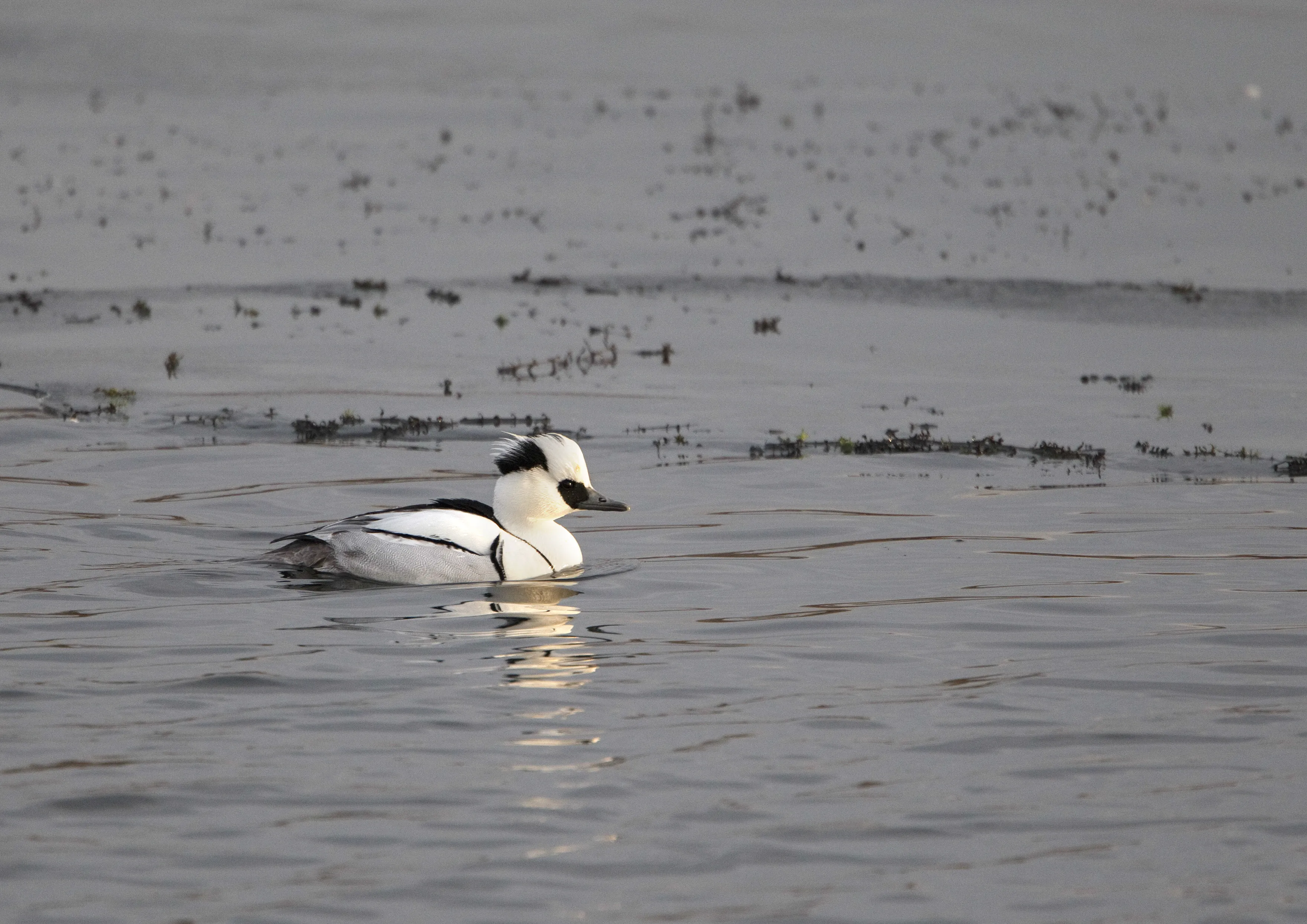
The long range forecast suggests December will probably remain mostly quite mild, with a fair amount of rain! These conditions are not likely to lead to any particular influxes of birds from Continental Europe, but if temperatures fall later in the month then we could expect some more arrivals of scarcer wildfowl such as White-fronted Geese or Smew, which have only been seen in small numbers so far.
One thing to look out for this month will be rare warblers trying to overwinter at sewage farms and around urban streams. It wouldn’t surprise me if a few Hume’s Warblers were found in this context over the winter, so keep an eye on any location that attracts wintering Chiffchaffs.
Thank you to everyone who has contributed to BirdTrack this year – nearly 10 million individual bird records have been entered so far, 75% of which come as part of Complete Lists which we use to calculate reporting rates for species. Please keep your sightings coming and I wish you a Merry Christmas and a Happy New Year.
Add your sightings to BirdTrack
Help us track the departures and arrivals of migrating birds by adding your sightings to BirdTrack. It’s free, quick and easy, and signing up also allows you to explore trends, reports and recent records in your area.
Author(s)

Tom Jordan