A new report published by the British Trust for Ornithology (BTO) reveals glimmers of hope as 2025 proved successful for many of the UK’s favourite breeding songbirds.
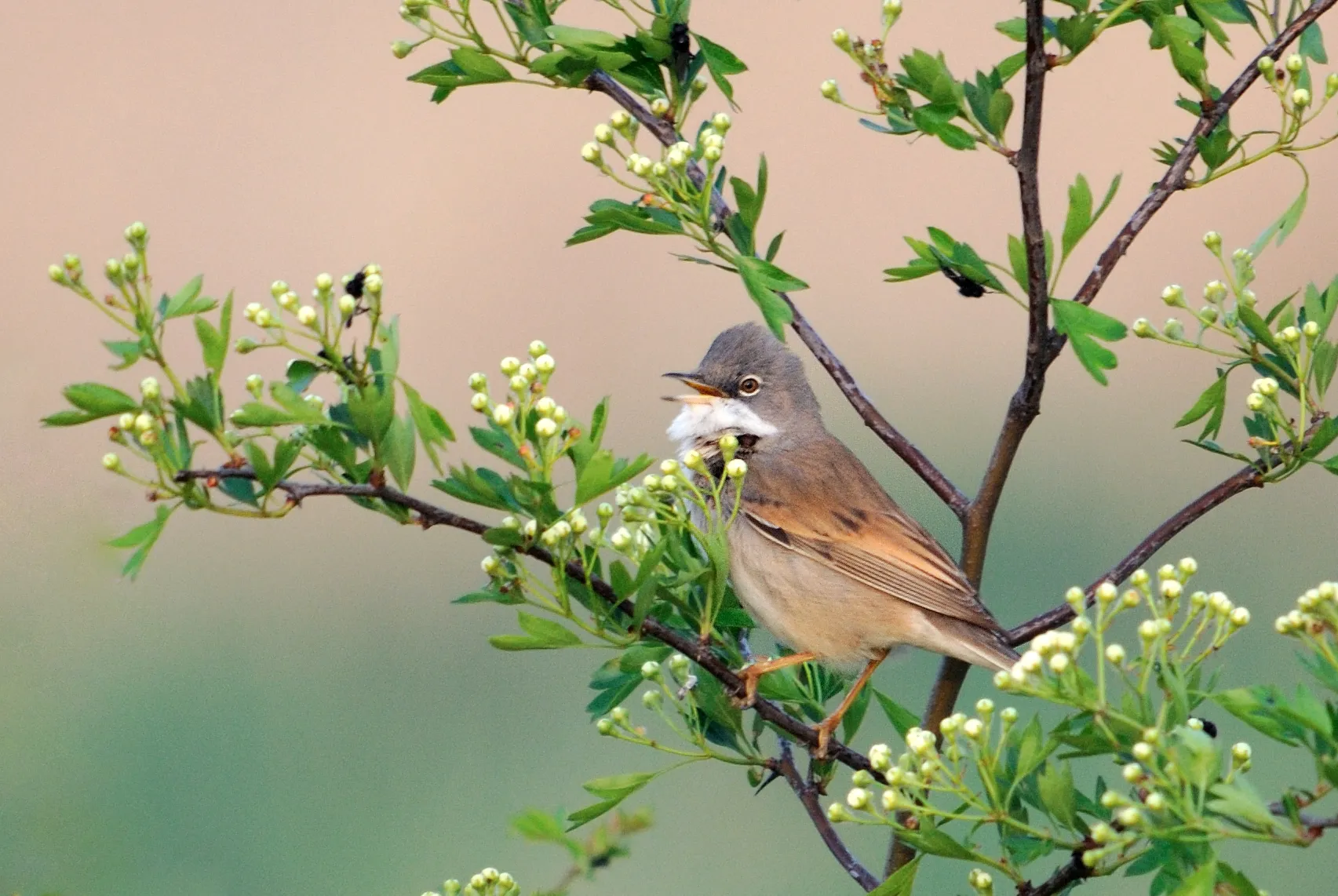
Scientists from BTO are reporting that many of our resident and migratory songbirds had a highly successful nesting season in 2025, thanks chiefly to a warm and sunny spring and summer. This increase in the number of chicks reared is very welcome following the extremely wet summer of 2024, where many young birds either died in the nest or soon after leaving it, particularly as several of these species are continuing to decline in the long term.
During 2025, trained volunteer bird ringers across the UK monitored 29 songbird species at specified locations under BTO’s Constant Effort Sites (CES) scheme. This project, launched in 1983, involves participants catching birds at the same place in the same way throughout the summer, allowing scientists to see how numbers of adults and newly fledged young are changing over time, and whether they are surviving better or worse than in previous decades. Similar projects run across Europe, allowing us to understand what is happening to populations at a Continental scale.
Numbers of adult birds were lower than average for many resident birds, including Blue Tit and Great Tit, this summer, and the same was true for migrant birds that winter in Africa, such as Willow Warbler, Garden Warbler and Whitethroat. This drop is most likely due to the lack of new recruits into the breeding population from 2024, but the 2025 breeding season could not have been more different.
Dr Ellie Leech, Head of the Ringing Scheme, said “Thanks to the fantastic efforts of BTO bird ringers, we know that the breeding success of 14 species was higher than average in 2025, in large part due to the mild weather."
She added, “This is welcome news, but the contrast between the sunny summer of 2025 and the continual downpours of 2024, could not be more stark, and shows just how important the weather can be; this is particularly for young birds that are less well insulated and less experienced at finding food in difficult conditions. Several of the species monitored on CES sites, such as Willow Warbler and Garden Warbler, are exhibiting long term declines, and if, as projected, climatic change brings an increase in unsettled weather conditions, this could make matters worse. This is why it is so important to keep projects like CES going for the next 40 years and beyond.”
Read the report at bto.org/ces-2025-report
The Constant Effort Sites Scheme is supported by a partnership between the BTO and the JNCC on behalf of the statutory nature conservation bodies (Natural England, Natural Resources Wales, NatureScot and the Department of Agriculture, Environment and Rural Affairs, Northern Ireland).
It is part of the BTO Ringing Scheme which is also funded by the BTO/JNCC Partnership, The National Parks and Wildlife Service (Ireland) and the ringers themselves. The BTO's contribution to the Ringing Scheme is supported by funding from gifts in Wills, for which we are extremely grateful.