The guidance around garden bird feeding has changed, following an 18-month review of the evidence led by the RSPB and involving BTO and other partners. BTO Senior Research Ecologist Dr Kate Plummer was one of the scientists on the Technical Steering Group, helping to evaluate that evidence. Here Kate sets out the rationale behind the conclusions reached.
Connected to nature
On any given morning, millions of people across the UK are quietly feeding garden birds. It’s a simple, well-intentioned act that helps us feel connected to nature – and it often brings real benefits to the birds around us, especially in winter.
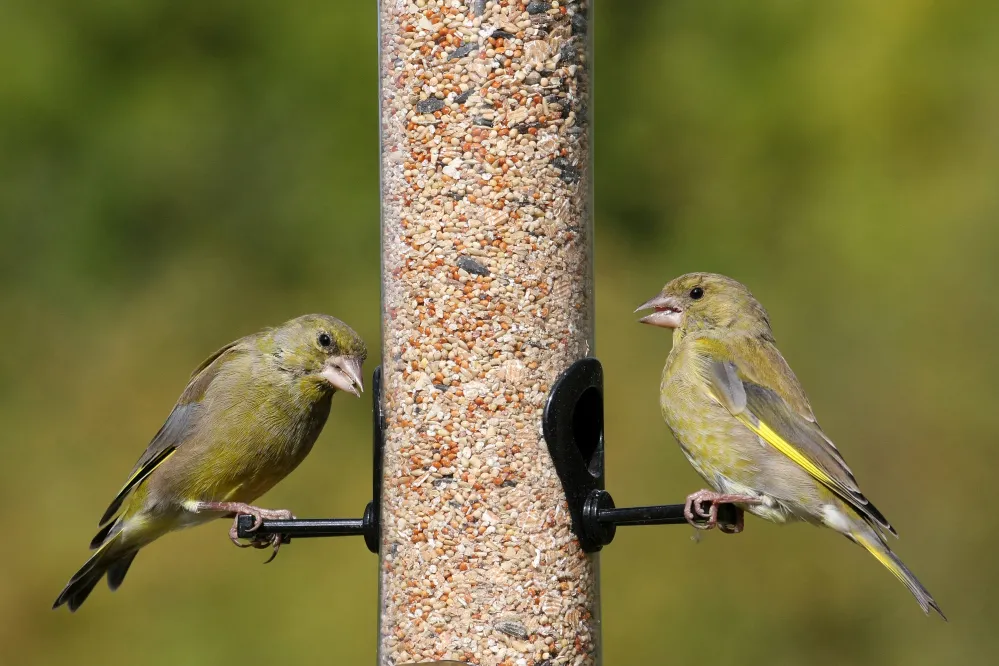
At the same time, when feeding happens at this scale, it doesn’t just add food – it redistributes it, drawing birds from across the landscape into a network of predictable, concentrated feeding points. That shift shapes bird communities: it changes how birds move, how they gather, and how they interact with each other. For example, at a garden feeder, individuals and species that would normally feed separately can end up feeding side by side, repeatedly returning to the same spot. Furthermore, the foods we provide are often different from those available in the wider countryside, and we really have little understanding of the possible effects of this.
As a scientist, I’ve spent many years studying these patterns, drawing on long-term datasets collected by BTO’s network of volunteers. What emerges is a mixed picture: feeding can bring clear benefits, but it can also have unintended consequences – and understanding that balance between the pros and cons is key to getting feeding right.
Why the advice has changed
Over the past two decades, one issue has come into sharper focus: the disease finch trichomonosis.
This disease has driven substantial declines in Greenfinch and Chaffinch populations – with more than five million birds lost in the UK since 2009, a decline large enough to halve Greenfinch populations – and remains a key concern for bird conservation. There is now good evidence that feeding stations can increase transmission risk – both through direct contact between birds and via contaminated food, water and feeder surfaces.
From a disease ecology perspective, the mechanism is clear. Feeders concentrate birds in space and time; individuals return repeatedly to the same points; and the Trichomonas pathogen can persist long enough on shared surfaces to be picked up by others. These are conditions under which disease spreads efficiently – and this is exactly the pattern seen in population data, with finch survival rates declining most in residential areas, where feeding activity is most concentrated.
The harder question is how we should respond
To address this, I recently contributed to a major review of the scientific literature around garden bird feeding, led by the RSPB and involving experts from the fields of ecology, wildlife disease and conservation science. The aim was not to make decisions, but to synthesise the evidence – to understand the balance of benefits and risks associated with supplementary feeding, including those linked to survival, reproduction, species interactions, disease and people’s well-being, amongst other things.
This review provides the context and evidence base for the change in garden bird feeding advice announced in April 2026. Scientific evidence rarely translates neatly into simple rules – instead, it helps us make informed, balanced judgements in the face of uncertainty. In this case, the available evidence points most clearly to disease transmission as a risk that can be reduced through changes in feeding practice. Acting now gives us the best chance of limiting further harm from finch trichomonosis, even if the evidence is not complete.
Updating garden bird feeding advice in this way reflects a precautionary approach, not a permanent endpoint. Recommendations will continue to evolve as situations change, new evidence emerges, and our understanding of the impacts of supplementary feeding on birds, people and the environment improves.
What the advice now says
The updated advice introduces seasonal changes to how we feed birds – keeping what works, while reducing the risk of finch trichomonosis.
In practical terms:
- Avoid feeding seed and peanuts from 1 May to 31 October, when trichomonosis risk is highest.
- Continue feeding in winter, when benefits to survival are well established.
- Avoid large, continuous food provision that creates persistent aggregations.
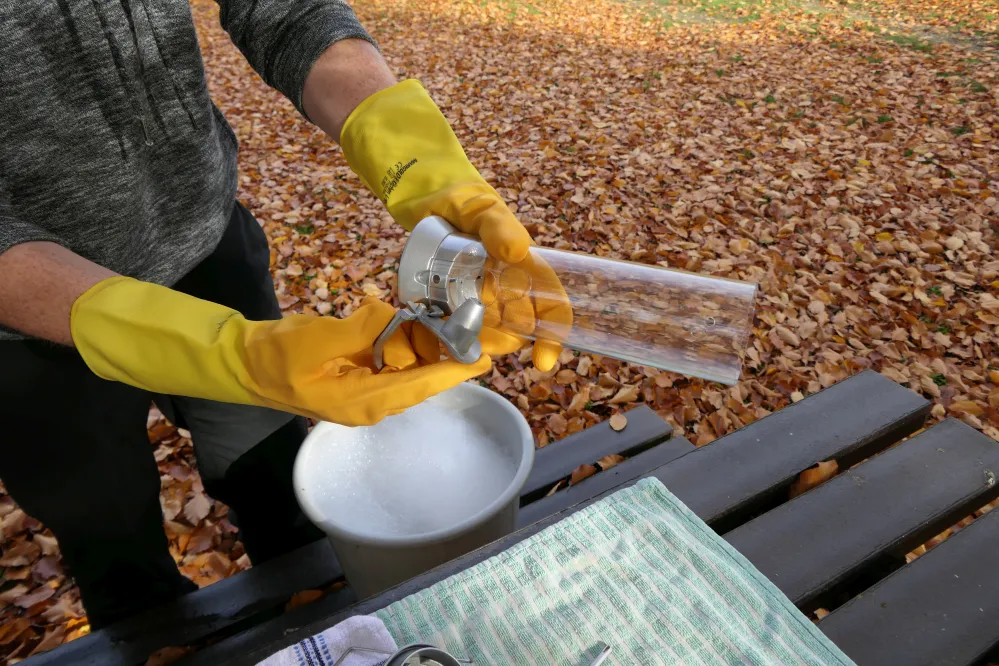
- Maintain good hygiene for feeders and water sources.
Other foods, such as fat and invertebrate-based options, are considered lower risk in this context and can be used more flexibly.
Thinking more ecologically about feeding
For me, this is also about a broader shift in perspective. Instead of asking whether we should feed birds, it’s more helpful to think about how feeding shapes ecological processes – and what we’re trying to achieve when we do it.
Three simple principles are useful here:
- aggregation increases transmission risk,
- food that persists allows contamination to build up,
- repeated use of the same feeding points drives contact rates.
With these in mind, the recommendations become less about rules and more about making informed choices – finding ways to feed birds that keep the benefits while reducing risk in one’s own garden. In practice, that might mean offering smaller amounts of food, more intermittently, moving feeders from time to time, or allowing food sources to run out so birds disperse and move on. It also means adjusting what we provide through the year, and being particularly mindful during higher-risk periods.
What happens next
This change in advice is only meaningful if we understand its effects. That means looking at how people respond, how their bird feeding behaviour changes, and what happens to bird populations and disease dynamics as a result – and learning as we go.
This is where BTO has a central role. Our long-term monitoring – through surveys like Garden BirdWatch – allows us to detect changes like these and evaluate what happens next. That evidence will be critical in understanding whether this approach is working, and in refining it over time.
Feeding birds has always been a partnership between people and wildlife. What has changed is our understanding of the risks involved. Responding to that means making informed decisions in the face of uncertainty, while still valuing the connection feeding brings. This is one step in that process – and it will continue to evolve as the evidence does.
