Early spring migration in 2026.
As we enter March, temperatures are rising, the sun is occasionally shining, and signs of spring are starting to appear.
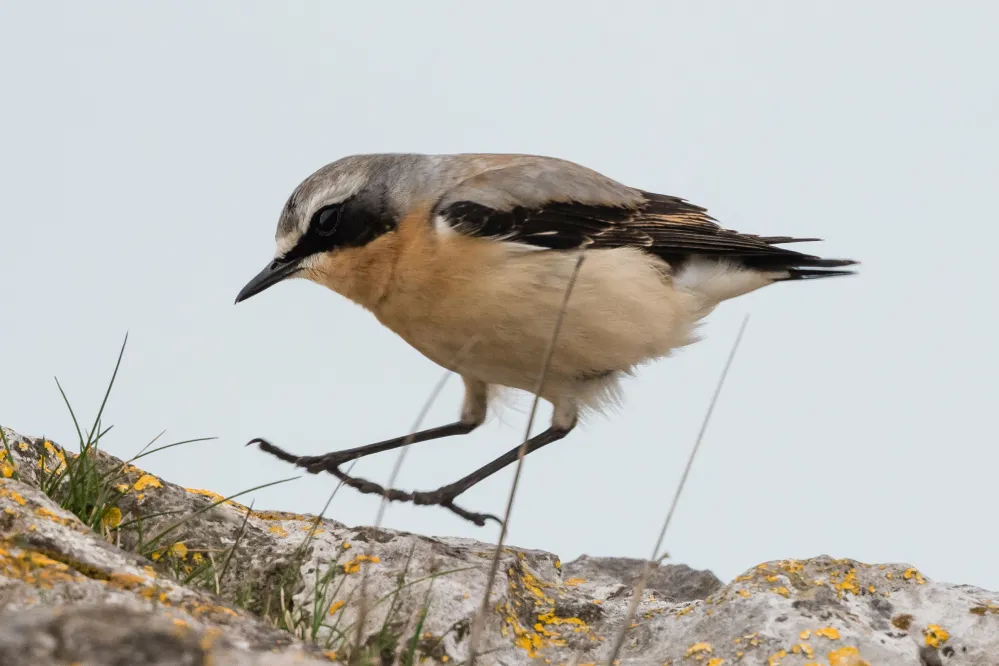
Our earliest arriving summer visitors are now starting to arrive, with Sand Martin so far the most numerous, with 98 reports to BirdTrack since the first on 22 February. We have also had 15 reports of Wheatear, 11 each of Little Ringed Plover and Swallow, and eight of House Martin. Meanwhile the reporting rate for Chiffchaff has more than doubled in the last week, from 6.94% to 14.66%, likely caused by a mix of arriving migrants and wintering birds becoming more detectable as the sunny days encourage them to sing.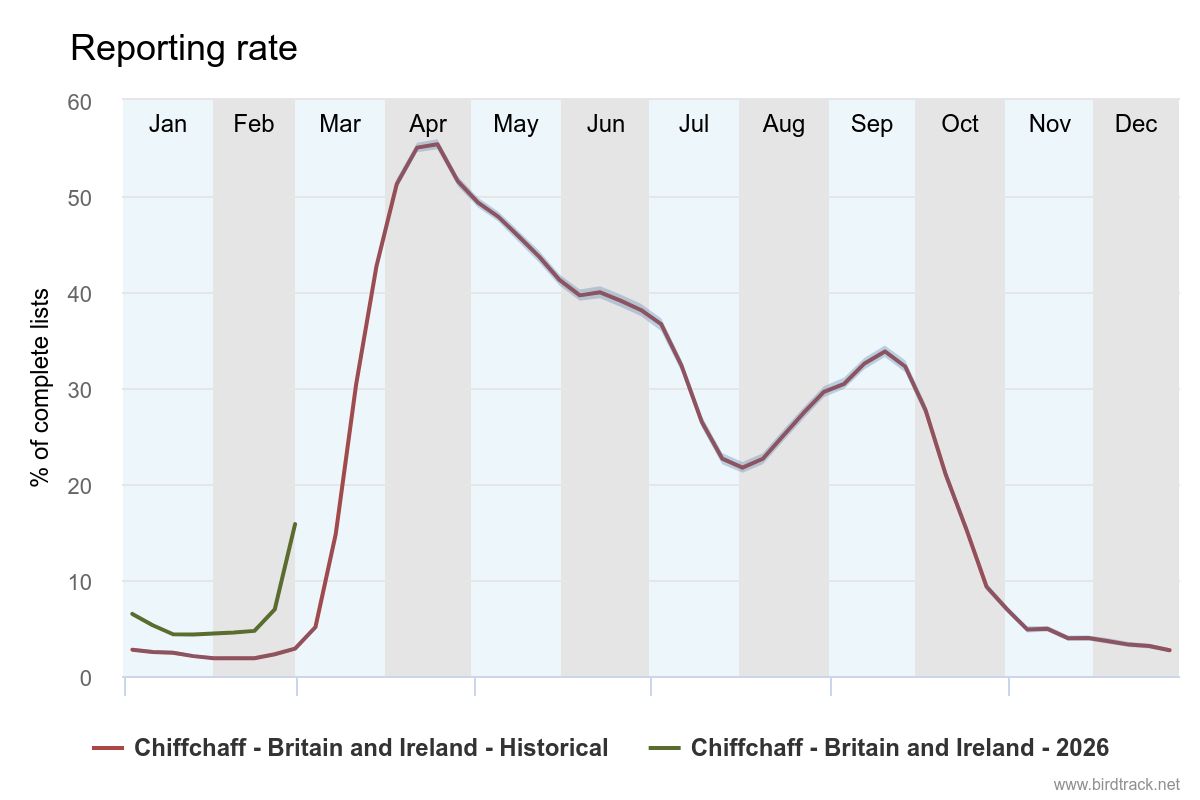
More uncommon spring migrants reported in the past week have included the first Garganey of the spring (two off Beachy Head on 2 March), Stone-curlews returning to breeding sites, and three European Red-rumped Swallows (in Cork, Dorset and Suffolk).
As well as species that are exclusively summer visitors to Britain and Ireland, many other species are also on the move at this time of year, with some having distinct populations that visit us at different points throughout the year.
One of the benefits of regularly visiting a local patch is becoming aware of seasonal variations in some species that would probably be overlooked by a more occasional visitor. On my patch, I tend to think of Lesser Black-backed Gull as the first spring migrant. While there is a good wintering population in Britain and Ireland, I typically only see a few individuals on each visit during the midwinter before a big increase in numbers in late February. These new arrivals are likely birds that have spent the earlier part of the winter around the coasts of Iberia and north-west Africa, something we know from ringing records and BTO’s Lesser Black-backed Gull tracking studies.
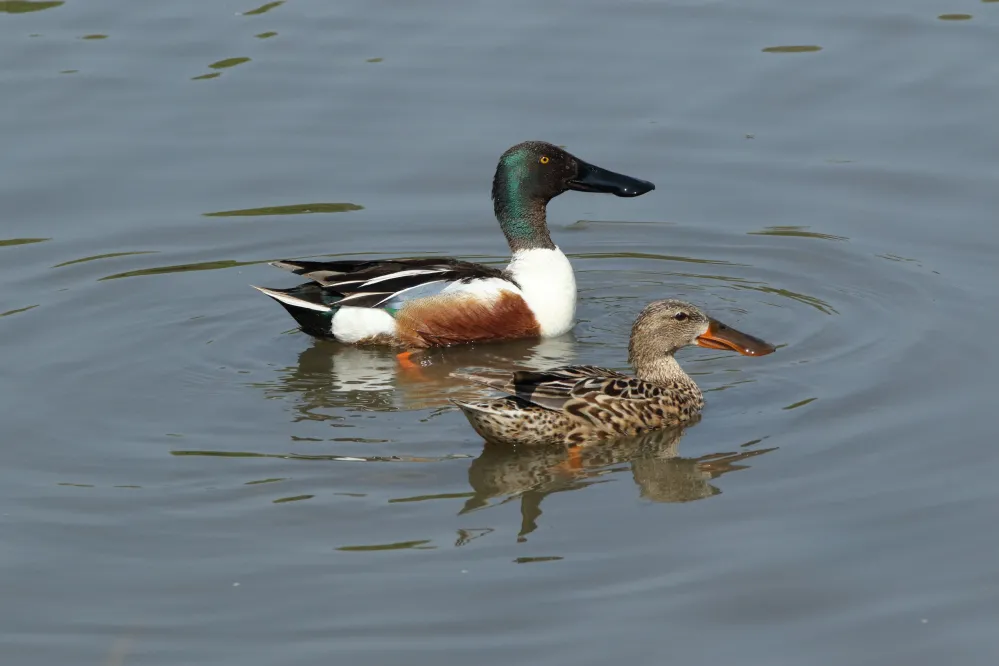
Another species I associate with early spring is Shoveler. Although this is a fairly common winter visitor to Britain and Ireland, only about 2% of the population in the Western Palearctic winter here, with most spending the winter further south in France, Iberia and Africa. During the early spring many of these birds from further south will pass through Britain and Ireland or come to breed here, while many of our wintering birds will themselves depart to breed in Iceland or Fennoscandia. If you are lucky enough to come across a Garganey – our only duck that is exclusively a summer visitor – this spring and see a flock of Shoveler on the same wetland, there’s a good chance these birds may have travelled from the same wintering areas in Africa.
Later in the spring we will see similar movements in waders, with populations that have wintered further south passing through Britain and Ireland while our wintering birds are also moving on. One to look out in the coming weeks will be Green Sandpiper, which can turn up around even small wetlands such as farm ponds. Late March and early April typically sees a spike in the reporting rate for this species as they travel to breed in the forest bogs of Fennoscandia.
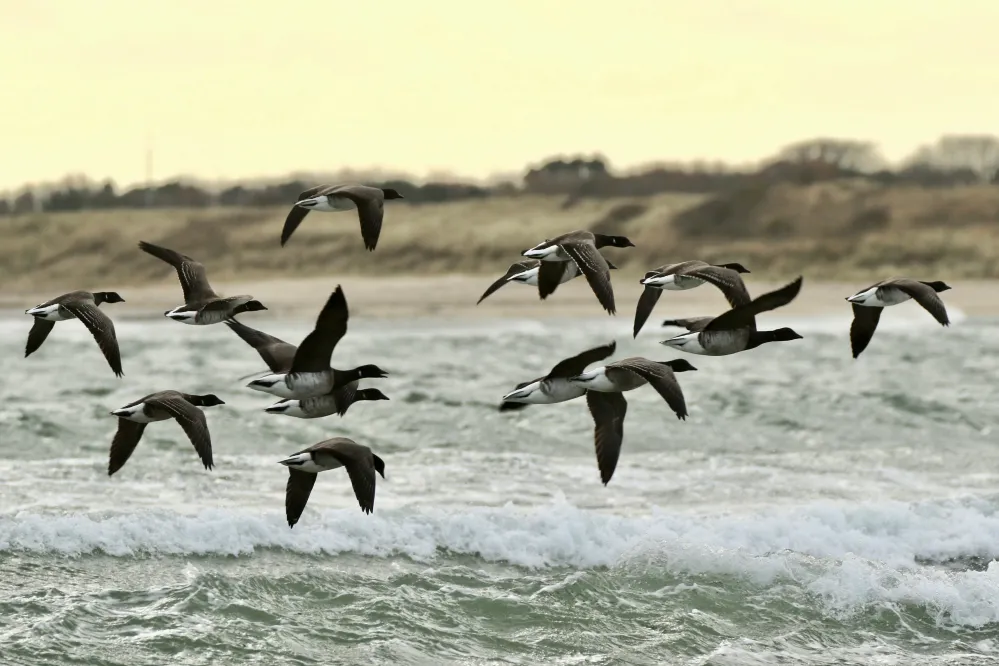
As well as spring arrivals, our wintering waders and wildfowl are currently departing en masse. While this can leave wetlands suddenly feeling a lot quieter, birds being on the move always creates the potential for interesting local finds. Many coastal species follow overland migration routes across the country and March is a month when species like Brent Goose and Common Scoter may pause their migrations on inland reservoirs and large lakes.
Looking at the forecast for the next couple of weeks, temperatures may remain slightly above average for the time of year and migrants are likely to continue trickling in. As March progresses I expect we will see a big increase in reports of Little Ringed Plover and Wheatear, more Garganey, and hirundines becoming more widespread. There’s no sign currently of conditions that could lead to an influx of more unusual Mediterranean species, as we saw with last year’s influx of Hoopoes, but if we do see such conditions then likely rarities to reach Britain and Ireland in the second half of March could include Alpine Swift, the aforementioned Hoopoes and perhaps even a Great Spotted Cuckoo.
As always I wish you good birding in the week ahead and please keep your sightings coming in to BirdTrack to help us monitor the spring migration.
Add your sightings to BirdTrack
Help us track the departures and arrivals of migrating birds by adding your sightings to BirdTrack. It’s free, quick and easy, and signing up also allows you to explore trends, reports and recent records in your area.
Author(s)

Tom Jordan