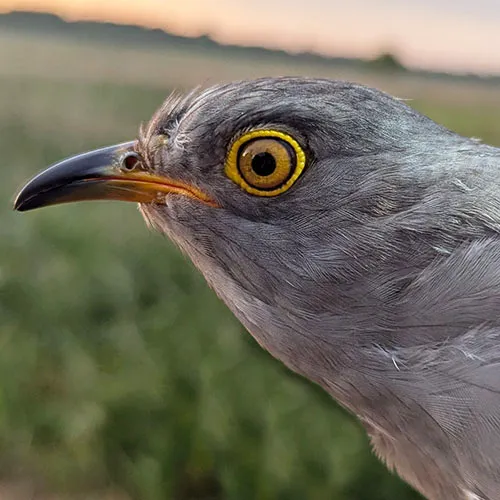
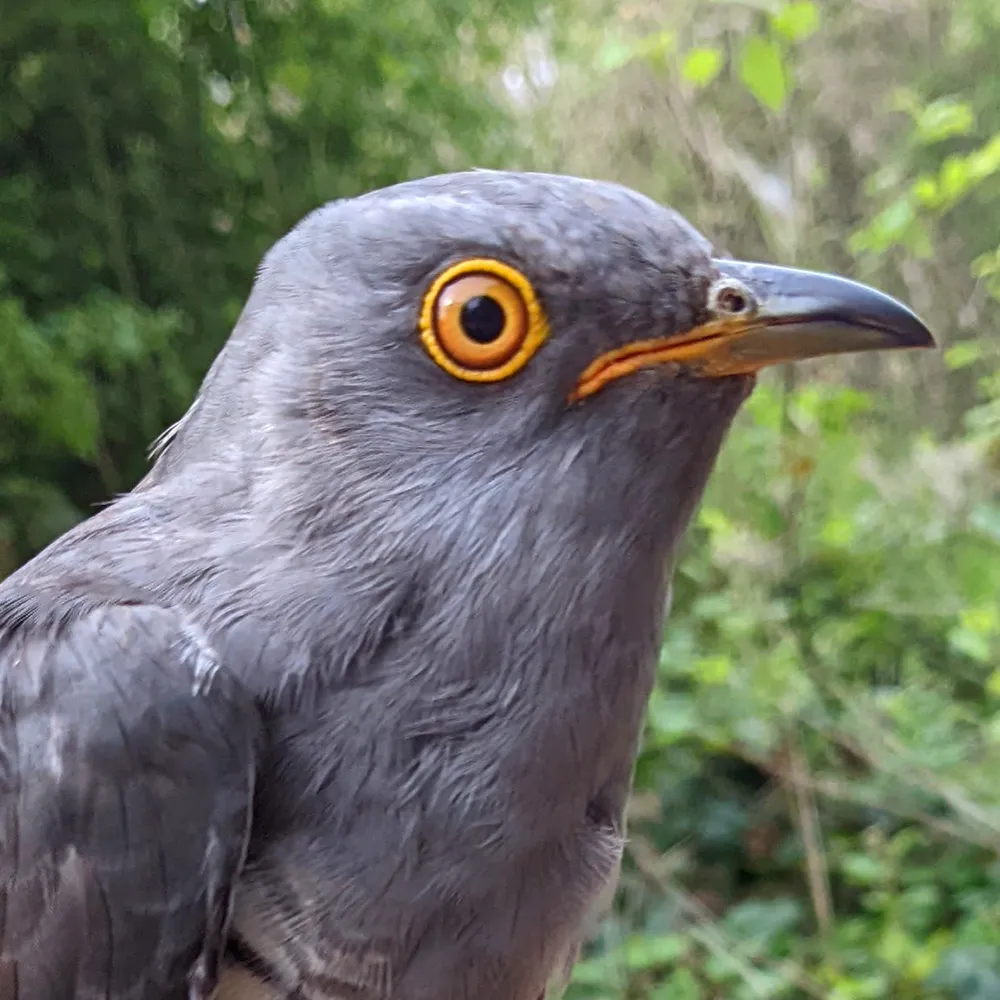
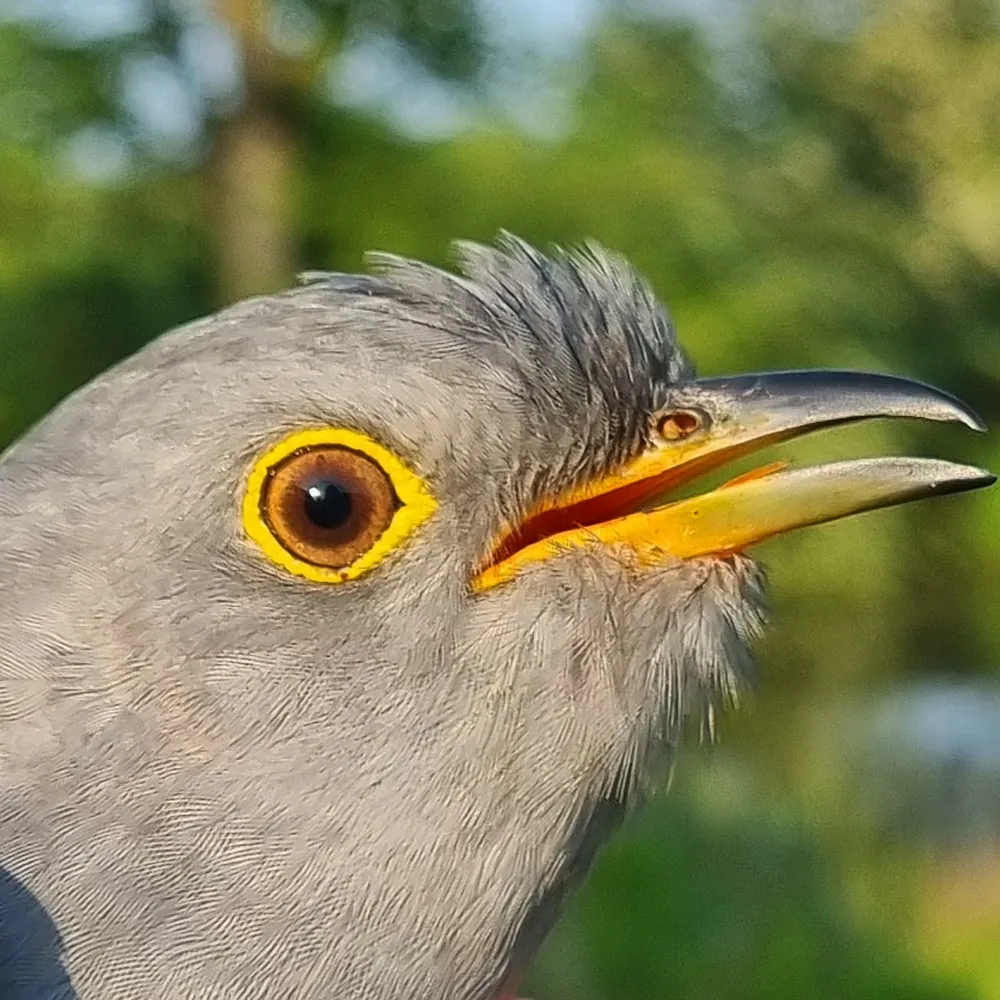
Help us track Cuckoos and watch the current cohort's epic migration on our Cuckoo migration map. Read the latest updates on how our cuckoos are managing their amazing migration from Britain and Ireland to Africa and back again.

Time, skill and support
Spend as much time as you like following each Cuckoo's migration and reading the updates about their movements.
No technical skills are required to support the Cuckoo Tracking project - just a love of Cuckoos.
Learn more on our Cuckoo BirdFacts page and how to identify them and their call in our Cuckoo ID video.
About the project
We’ve been satellite-tracking Cuckoos since 2011. We’ve learned lots of vital information, such as how the different migration routes are linked to declines, and some of the pressures Cuckoos face whilst on migration, but there is still much more to discover.
- We have been able to share our expertise around tracking Cuckoos with other international studies, such as the Beijing Cuckoo Project.
- Read more about our Cuckoo Tracking Project.
- Explore the Cuckoo BirdFacts page to learn more about this iconic species.
An important aspect of this project is how it helps us improve our understanding of why Cuckoos are in decline:
- Since 1995, the number of Cuckoos has decreased by over 30%.
- The Cuckoo is currently Red-listed as a Bird of Conservation Concern in the UK.
What’s next
We now need to look more closely at how dependent Cuckoos are on, and how much their migration is linked to, the drought-busting rains of the weather frontal system known as the Inter Tropical Convergence Zone (ITCZ) as they move out of the Congo rainforest and begin to head back to the UK via West Africa.
Learn more
- What have the Cuckoos taught us? (2022)
- Cuckoo's clocks can't adjust to climate change - now we know why (2023)
- Our Cuckoo tracking journey (2024)
- Learn more about Cuckoos (facts, figures, trends)
- Learn how to identify them and their call in our Cuckoo ID video
- More about bird tracking technology (GPS, PTTs, Geolocators)
Support the project
- Help us continue our vital research by sponsoring a Cuckoo.
Cuckoo migration map
Each Cuckoo’s tag sends us location data approximately every day, so we can follow them and learn more about their migration.
Cuckoo movements from 1st May 2026 to 19th June 2026
Latest updates
And they’re off!
We are delighted to introduce a new cohort of satellite tagged Cuckoos to add to the previously tagged birds that we followed back to the UK earlier in the spring.
As we now know, thanks to the Cuckoo Tracking Project, the first birds start to leave their breeding areas by mid June, and this year is proving no different; we have already seen some notable movements.
Newly tagged Irish bird Cuach Rua has already made his way to south-west Wales while Cuach Sean has made remarkable progress, having crossed the Channel and flown across France int o the Alps and down into northern Italy!
Scottish tagged Thomas J left the north-west Highlands on 9 June and has since made his way down the east coast, spending some time in Lincolnshire before crossing The Wash. He is currently just south of King’s Lynn in Norfolk.
Meanwhile, another newly tagged bird, Beech, has left Thetford Forest where he was tagged on 28 May, and having flown to the Belgian coast is now making progress through Germany.
All our other Cuckoos are still staying put in their breeding grounds for now, but we will surely see more movement in the coming days as they commence their epic migrations through Europe, and into Africa!
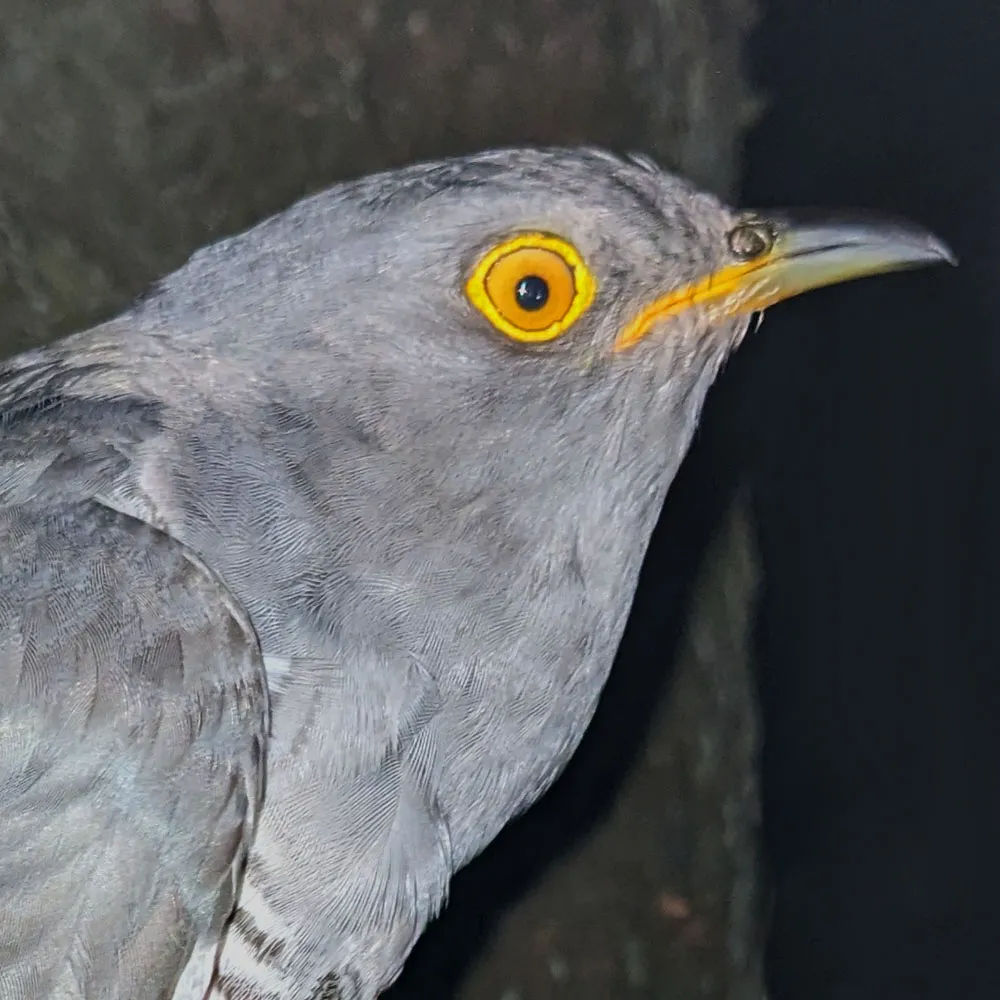
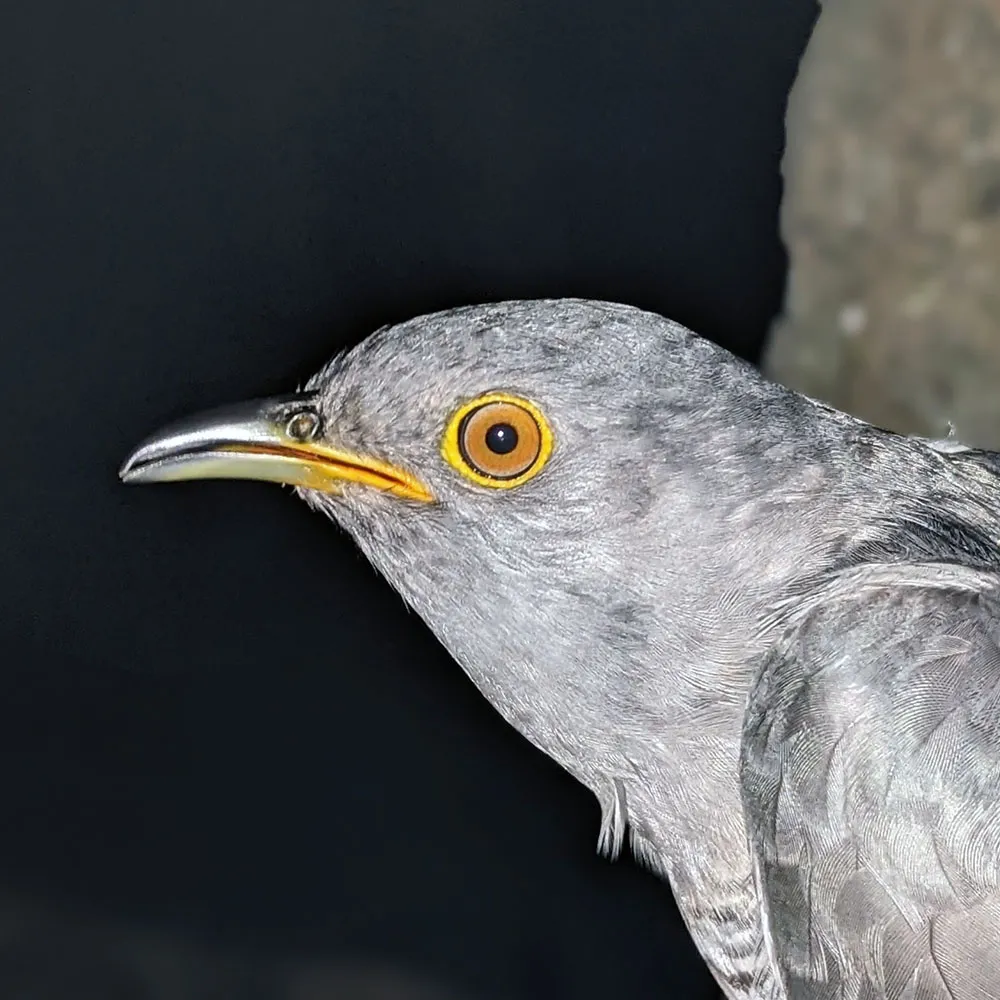
Introducing the Cuckoo cohort of 2026…
Cuckoo Crispin – tagged at High Lodge in Thetford Forest and funded by a generous BTO donor.
Cuckoo Rob – tagged in Kintail in the Scottish Highlands and named in memory of the tag funders’ late friend, Rob Watson.
Cuckoo Beech – tagged in Thetford Forest and names after one of the tag funder’s favourite tree species.
Cuckoo Thomas J – tagged in Kintail in the Scottish Highlands and named by the tag funder in memory of Thomas Joseph Paul; a well-travelled engineer and gentleman with a lifelong love for the Scottish hills.
Cuckoo 40926 (name tbc) was tagged in Kintail in the Scottish Highlands and is awaiting a name so if you’d like to fund his tag (£4,000) please get in touch!
Irish Birds
Cuach Sean – tagged at Derrybawn in Wicklow National Park and named after the tag funder’s son.
Cuach Rua – funded by NPWS and named after Slieve Rua which is a hilltop in Burren National Park close to where he was captured. Rua also means red in Irish.
And finally, Frederic!
Just under a week ago, Frederic left central Spain and started heading to the UK.
He made his way north, passing Salamanca before heading toward the coast, from where he crossed the Bay of Biscay from Santander. He soon arrived on the French coast, close to the city of Saint-Nazaire, and from here he continued on through Brittany before crossing The Channel and into the UK near Worthing. He quickly pushed on, arriving near Thetford Forest, Norfolk, last Sunday. In just two days, he covered over 1,500 km (930 miles) to return to the location where he was tagged in May 2025.
As the last of the tagged Cuckoos, from which we’re currently receiving signals, to arrive in the UK, Frederic completes the set!
These birds will likely remain in the same areas that they are now in for the next few weeks, until they start to move south once again!
- And of course, we will be tagging more Cuckoos this spring, so keep an eye out for updates—and do please consider sponsoring this amazing project!
Ashok returns!
We’re delighted to report that Ashok is once again back on Suffolk soil, after his surprise U-turn back to France just days after first arriving back in early April.
BTO Cuckoo experts noted a drop in temperature which coincided with Ashok’s initial arrival, which is almost certainly what caused him to fly back across The Channel. Now, after a good spell in the Loir-et-Cher department of central France, he has returned and is back around Worlingham Marshes, Suffolk, where he was tagged last May.
Current Cuckoos
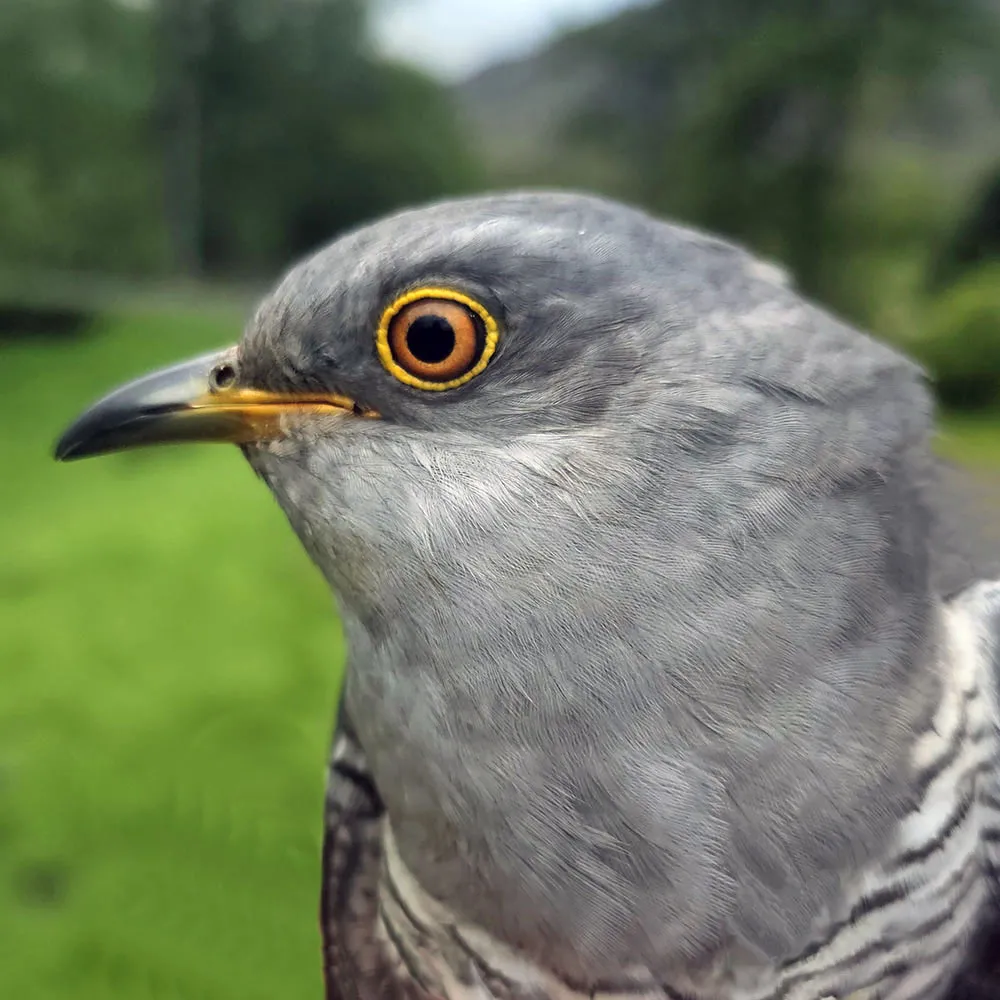
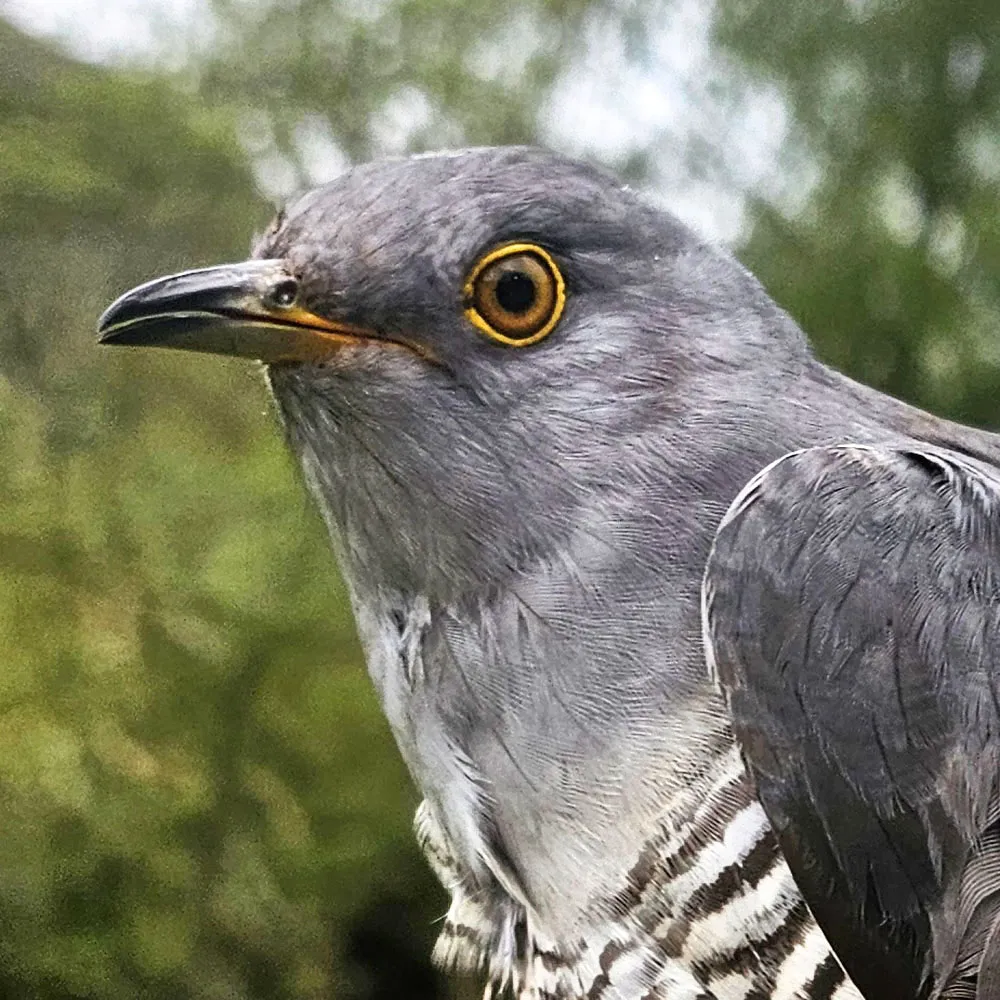
Each year, we follow a cohort of newly tagged Cuckoos as they migrate along the Afro-Palearctic flyway. We also watch Cuckoos tagged in previous years, if their tag is still transmitting data to us. Together, these are our 'Current Cuckoos'.
The 2026 Cuckoo cohort
Current Cuckoos tagged in previous years