The Gamekeeper Wader Transects project allowed gamekeepers to contribute scientifically rigorous data about waders on managed estates – some of the last UK breeding strongholds.
Please note: this project is now complete. Thank you to everyone who took part.
- Learn more about our breeding wader research.
- Find resources and information for monitoring waders in the Wader Hub.
- Specific information about conducting transects to monitor waders is also available.
About Gamekeeper Wader Transects
Gamekeeper Wader Transects (GKWT) made use of gamekeeper knowledge to contribute scientifically rigorous data to a national wader monitoring scheme.
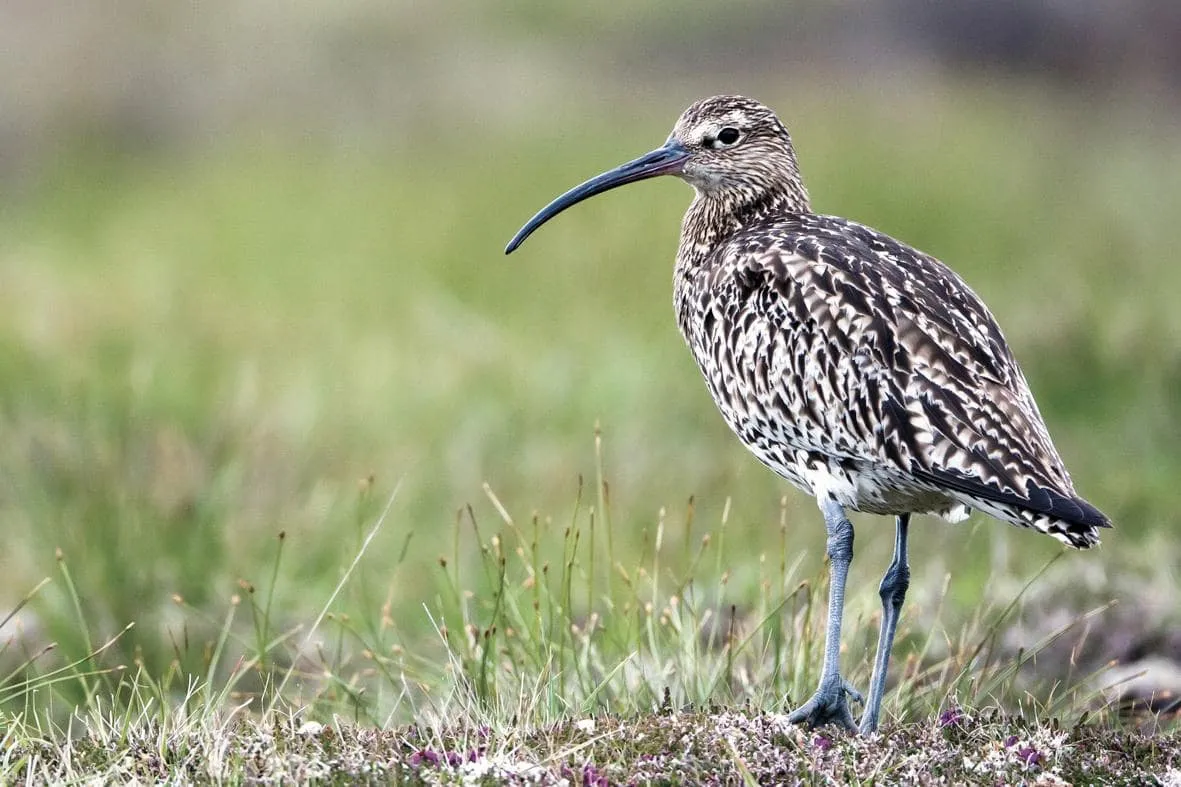
Upland areas managed by gamekeepers include some of the last strongholds of breeding waders in the UK; grouse moors represent 7% of UK land cover but hold 36% of our internationally important and threatened breeding Curlew population. Gamekeepers’ familiarity and knowledge of the wildlife on the land they manage puts them in an excellent position to monitor waders in these important but relatively understudied habitats.
The survey took place each year, requiring a minimum of three visits each spring/summer to a transect chosen by the participant. Participants needed to be able to confidently identify the main British breeding wader species and some relevant behaviours. Participants did not need to be gamekeepers to take part in this survey, but they did need explicit permission from the landowner or manager to undertake these surveys.
GKWT data have been added to other monitoring schemes to build a clearer picture of landscape trends in wader abundance and productivity.
Project resources
- Field Instructions
- Survey Cover Sheet
- Data Entry Guidance
- Data Entry Spreadsheet (XLSX)
- View the Wader Survey Behaviour Guide for guidance on recording wader behaviour in the field.
- BTO Code of Conduct
Project team
- Team lead: Paul Noyes
- Contact: waders@bto.org