Throughout the year we send out press and media releases to individuals and organisations who have signed up to receive these. This page holds details of the press releases posted over the past two years. For press and media enquiries, please email press@bto.org.
Mixed fortunes for Welsh birds revealed in major new report
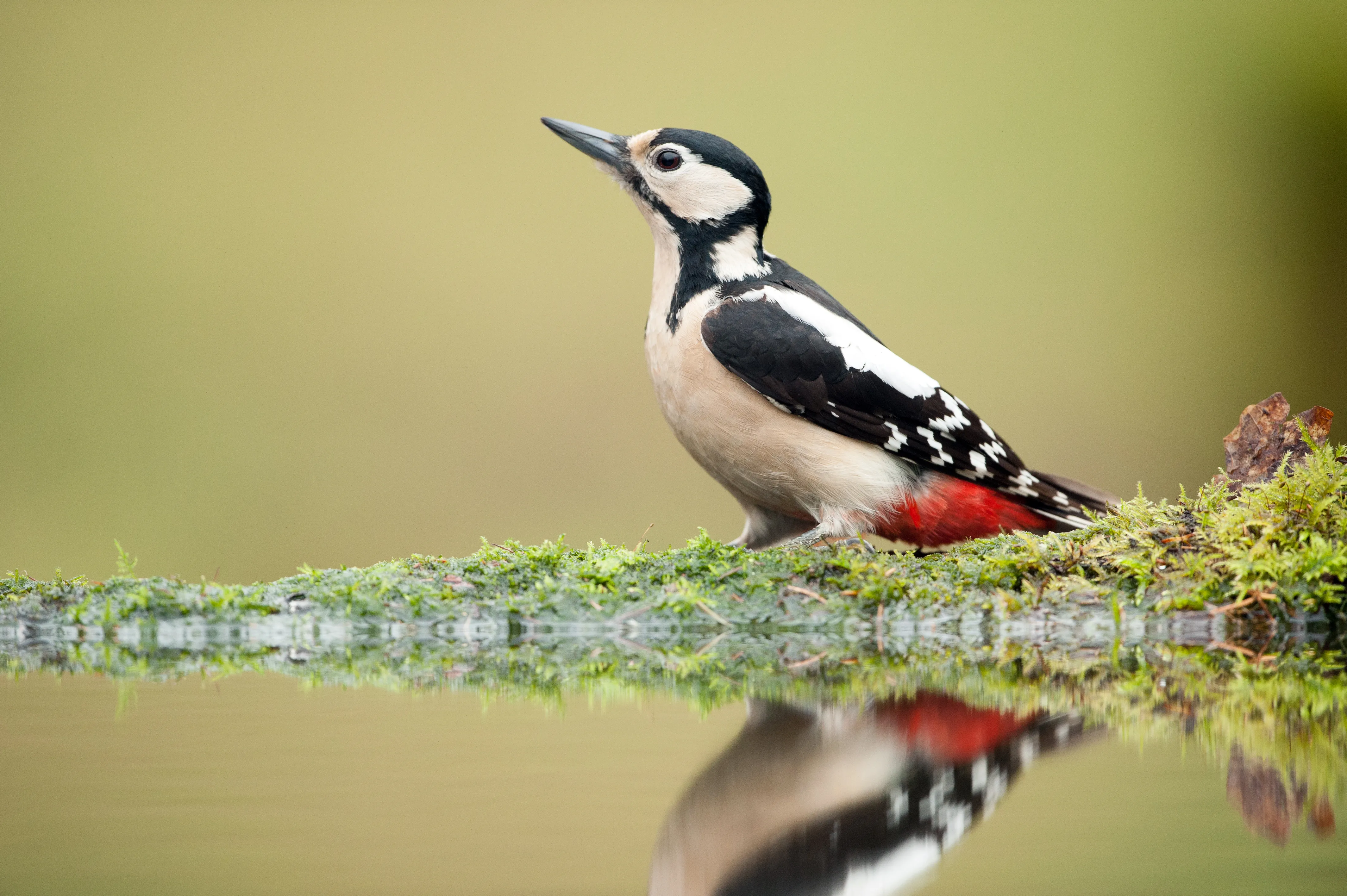
Published today, the latest BTO/JNCC/RSPB Breeding Bird Survey (BBS) report shows encouraging news for Great Spotted Woodpecker, House Sparrow, and Song Thrush, along with continued success for Red Kite in Wales. The report also shows that a range of farmland birds are still struggling in Wales, with the once-common Yellowhammer at an all-time low. Meanwhile, the worrying decline in Curlew in Wales continues apace, along with the long-term fall in the numbers of Rooks. BBS is the main scheme for monitoring the population changes of the UK’s common and widespread breeding birds, producing population trends for 60 species in Wales. Great Spotted Woodpecker is doing well across Wales with an increase of more than 240% since BBS began in 1994. In the last 10 years alone, this attractive woodland and garden bird has increased by almost 20%. A bird more often referred to as declining across much of the UK, the House Sparrow, has also been bucking the trend in Wales, having nearly doubled in the last 30 years. That icon of Welsh skies, the Red Kite, continued to soar through the survey period. Since the mid-1990s, numbers have gone up by an impressive 544%, as part of its recovery from just a handful of remaining pairs in the 1930s, though a notable drop in numbers since last year’s report may give cause for concern. Dipper, an aquatic songbird synonymous with fast flowing Welsh streams and rivers, declined by over 40% in the UK in the last five years and more than half since 1995. Whilst these figures are from the UK overall, Wales supports a large proportion of the UK population. Data from BBS and its sister survey, Waterways Breeding Bird Survey indicate UK-wide concerns for this bird whose population changes are widely linked to water quality. Curlews have declined dramatically across all parts of the United Kingdom, but nowhere more so than in Wales, where numbers continue to crash. These distinctive, and once-common, waders have suffered a massive 76% decline since 1995. The Welsh Curlew population has reduced by more than a quarter in the last five years alone. Dr James Heywood, BBS National Organiser, said, “Wales is the most important part of the UK for some of our most threatened woodland birds and so BBS coverage is something that we are really keen to increase and working hard to do. BBS coverage in Wales was up again in 2024 and it is the volunteers who give their time and skill every year that we must thank. That we can produce trends for 60 species in Wales is no mean feat, particularly given some of the challenging terrain and access.” Julian Hughes, Head of Species, RSPB Cymru, said, “Increases in familiar birds such as Song Thrush and House Sparrow is really welcome, but the silencing of others is a national tragedy. Almost half of our most common native birds on land and freshwater have declined since the mid-1990s. Many local communities, farmers and knowledgeable enthusiasts work hard to keep the summer sound of Swifts in our skies and Curlews in our countryside, but it requires transformational change, urgently and decisively, in government policies to restore nature at scale. Only this will ensure that the next generation can hear Yellowhammers singing in the hedges and House Martins over their rooftops.” Dr Paul Woodcock, Joint Nature Conservation Committee, said, “These results highlight both successes and challenges for Welsh bird populations. While some species show encouraging recoveries, the concerning declines in others emphasise why ongoing monitoring is essential. These long-term surveys provide the evidence base that underpins effective conservation action, allowing us to identify which species need help, where efforts should be focused, and whether interventions are working. The dedicated work of thousands of volunteer birdwatchers across the country doesn't just track numbers – it provides the scientific foundation for protecting the future of our birds and their habitats.” Read the Breeding Bird Survey 2024 report
15-05-2025
Major new report reveals changing fortunes for Scotland’s breeding birds
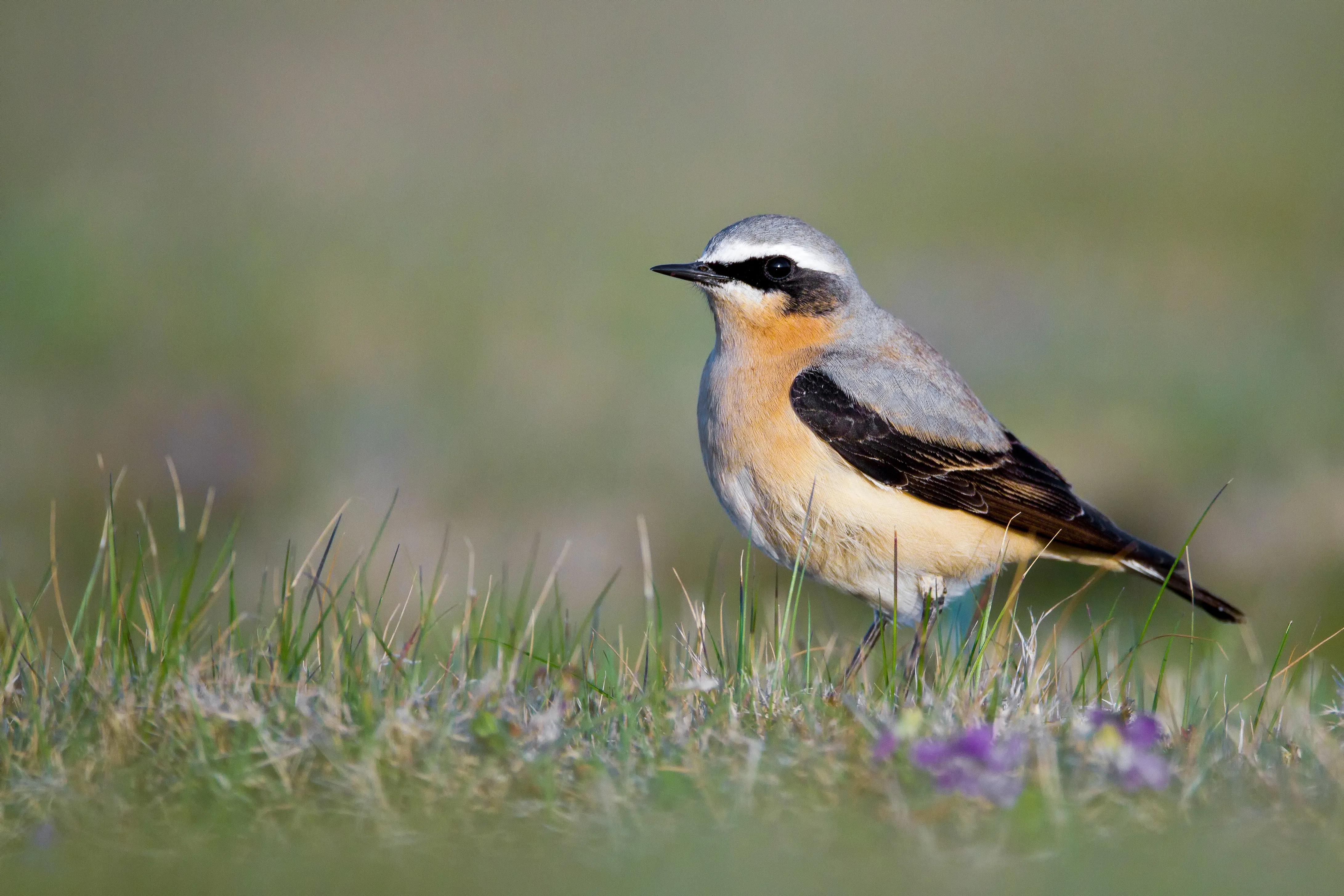
Published today, the latest BTO/JNCC/RSPB Breeding Bird Survey (BBS) report reveals good news for some species in Scotland such as Cuckoo and Stonechat, while the much-loved Song Thrush shows signs of bouncing back following years of decline. Breeding Curlews continue their precipitous long-term contraction in Scotland, while the decline of the migrant Wheatear gives cause for concern. Together, these species highlight a worrying picture for upland birds in Scotland, which overall have declined by 20%. BBS is the main scheme for monitoring the population changes of the UK’s common and widespread breeding birds, producing population trends for 77 species in Scotland. The UK-wide trend for Cuckoo is a mixed one, with significant declines apparent across much of its range, particularly in England. In Scotland, however, this iconic harbinger of spring is doing rather well with a remarkable increase of 67% in breeding numbers since BBS was launched in 1994. Once again, the report identifies that Curlew, of which Scotland and the wider UK hold globally important breeding populations, is in severe decline in Scotland. This large familiar wader has suffered a 15% decline in the last decade, contributing to an overall drop in numbers of over 60% since the survey began. Sensitive and dynamic management practices can all help breeding wader populations. These can include the creation and restoration of wet areas, careful control of grazing and the thoughtful siting of commercial forestry activity. Meadow Pipit is a widespread and common bird in many parts and should be familiar to anyone who spends time on the moors and hills, but these relatively unobtrusive birds are experiencing a change in fortune. Since the mid-1990s, the population of breeding Meadow Pipits birds has declined by more than 14% in Scotland. Meanwhile, the Wheatear, a long-distance migrant that breeds in all upland areas of the UK has declined by nearly a third in Scotland since 1995. Together, the combined fate of upland birds in Scotland gives rise to a total decline of 20%, as shown in the Scottish Upland Bird Indicator*. By contrast, another bird regularly found in the northern uplands is the charismatic Stonechat, which has also experienced a notable uptick during the same time period; in just 30 years this small bird has nearly trebled in number. Compared with other habitat groups – for example woodland birds, which are up by over 50% since 1994* – upland birds in Scotland are faring the worst, with multiple pressures including climate change, increased forest cover and changes in land management all at play. Away from the moors and mountains, the familiar Song Thrush is showing encouraging signs of recovery after years of severe declines. In the last decade, this popular songster has increased by 26%, mirroring encouraging signs across the UK. This latest report reveals long-term (28-year) increases for 22 species and long-term decreases for 14 others. Chiffchaff shows the greatest increase and is among a number of woodland species doing particularly well in Scotland, along with Blackcap, Great Spotted Woodpecker and Jay. Dr James Heywood, BBS National Organiser, said, “It is evident that of all the habitats in Scotland, it is in the uplands where birds are most vulnerable at present. Wading birds, particularly the charismatic Lapwing and Curlew, continue to decline in all parts of the country, but so too are some upland specialists. That we are able to detect these changes is remarkable, given the challenges posed by remoteness and terrain in many places. The efforts of BBS volunteers in Scotland are really to be celebrated.” Dr Paul Woodcock, Joint Nature Conservation Committee, said, “These results highlight both successes and challenges for Scottish bird populations. While some species show encouraging recoveries, the concerning declines in others emphasise why ongoing monitoring is essential. These long-term surveys provide the evidence base that underpins effective conservation action, allowing us to identify which species need help, where efforts should be focused, and whether interventions are working. The dedicated work of thousands of volunteer birdwatchers across the country doesn't just track numbers – it provides the scientific foundation for protecting the future of our birds and their habitats.” Dr Simon Wotton, RSPB Senior Conservation Science, said, “The UK’s wildlife is better studied than in any other country in the world and what the data is telling us is that the UK's bird species are mostly in long term decline. This latest report once again shows that our farmland and woodland birds are in a particularly precarious position. What is clear, is that progress to protect our species and habitats has not been sufficient and yet we know we urgently need to restore nature now.” Read the Breeding Bird Survey 2024 report *The composite figures for woodland and upland birds in Scotland were published as an official statistic in January 2025 as the Scottish Terrestrial Breeding Birds 1994-2023. They are largely based on BBS data.
15-05-2025
Major new report reveals changing fortunes for UK’s breeding birds
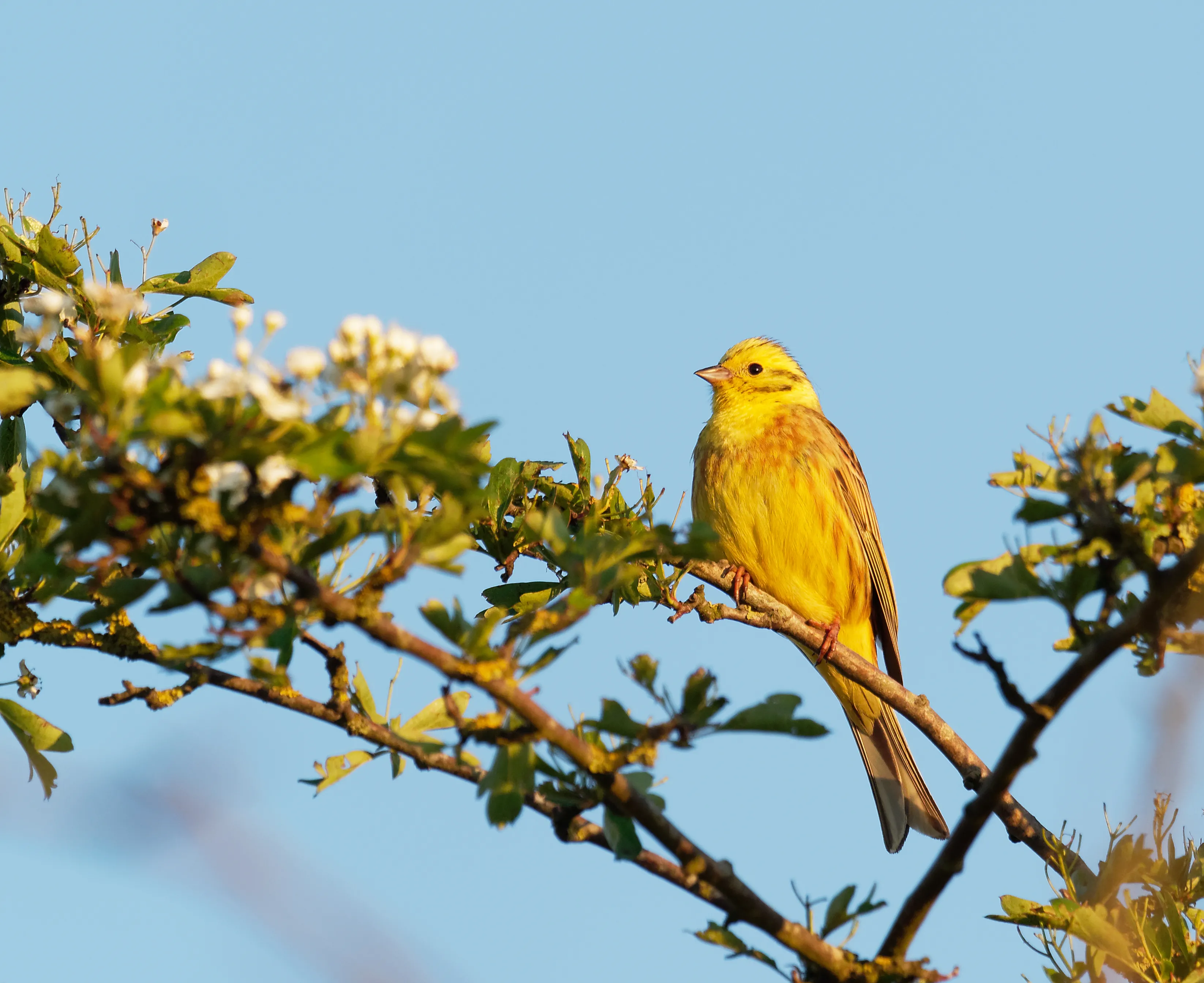
Published today, the latest BTO/JNCC/RSPB Breeding Bird Survey (BBS) report shows positive news for a range of birds including Firecrest, Marsh Harrier and Cuckoo. However, the Report also reveals worrying declines for familiar woodland and garden species such as Chaffinch and Bullfinch. The latest data also show that some farmland birds that have experienced long-term declines, like Yellowhammer and Yellow Wagtail, continue to struggle. BBS is the main scheme for monitoring the population changes of the UK’s common and widespread breeding birds, producing population trends for 119 species. Of the 119 species monitored by BBS in the UK, 43 have decreased since 1995, the first year from which trends can be calculated, while 36 have increased. The species with the greatest declines include Turtle Dove, which has seen its numbers plummet by 98% and Willow Tit which has declined by 90%. Little Egret, a recent colonist, continues to increase with its numbers booming by 2,726% during the same time period while Red Kite has grown by a massive 2,464% thanks to successful reintroduction programmes across the UK. Not far behind is Ring-necked Parakeet (up by 2,406% in 28 years), an invasive non-native species that is expanding out of London into several other cities in the UK. Despite an overall trend of declines for many of our breeding wild birds, the latest surveys reveal good news for a number of species. Reduced to a single breeding pair in the UK in the 1970s, the Marsh Harrier, an impressive bird of prey of wetlands, has made a startling recovery in recent decades with estimates of 448 nesting pairs in 2022*, and the numbers recorded on BBS squares increasing by 244% since 1995. Similarly, the tiny Firecrest continues its impressive colonisation and has increased, primarily in southern England, by over 240% in just 10 years. Cuckoos, while struggling in many lowland parts of the UK, are faring much better in the uplands and across Scotland according to the latest BBS Report. In Scotland, the population has increased by 67% since BBS was launched in 1994. In the same period, Cuckoos have declined by around a third across the UK overall, with the greatest losses in England which has experienced declines of around 71%. Birds associated with wooded habitats continue to be in trouble with a number of once common and widespread species showing alarming trends. In just five years, Bullfinch numbers have fallen by almost 24% across the UK while Chaffinch, also a familiar garden and hedgerow bird, has declined by close to 40% in the last 10 years. Over the last five years the declines in England have been even more stark, with Bullfinches undergoing a notable decline of nearly 40%, while Chaffinch numbers dropped by almost a third in the same time period, having been impacted by the disease Trichomonosis. Many species of farmland bird have been showing clear signs of decline in recent decades and unfortunately there appears to be little in the way of improvement for many of the affected species. Whilst there is some cause for optimism for some farmland species, with Skylark increasing by nearly 20% and Corn Bunting by 38% in the last decade – albeit from relatively low numbers compared to what they once were in the 1960s – other species continue to decline. Yellowhammer and Yellow Wagtail, both once a common sight across many areas of the UK, are continuing to disappear from much of our agricultural landscape. Yellowhammer has suffered UK-wide declines of around a third since 1995 and two thirds since the mid-1960s. The figure in Wales is even more concerning with a 75% drop in numbers since 1995. In the same period, Yellow Wagtail has crashed by more than half in England and there are signs of yet more decline in recent years, with numbers falling by a fifth in the period 2018 to 2023. The report also reveals that numbers of Blackbird, one of our most familiar garden songbirds, have dropped by 10% in England over the past decade. The London area has been particularly hard hit with Blackbirds there likely impacted by Usutu virus in recent years. However, the overall declines are closer to 4% over the same period across the UK, thanks to notable increases in Wales and especially Northern Ireland where numbers have gone up by a remarkable 40% in the last 10 years. Dr James Heywood, BBS National Organiser, said, “Every year these statistics show good and bad news stories for our birds. That we can do so at all is a testament to the dedication and commitment of thousands of volunteer birdwatchers up and down the country and who deserve enormous thanks. It is especially gratifying that the 2024 season saw BBS achieving its best coverage since pre-COVID (2019). The recent declines of some of our woodland birds are worrying and demand our attention, not least as they come on the back of decades of decline for our farmland species. But the recent – albeit moderate – increases in species like Cuckoo and Skylark do offer some hope.” Dr Paul Woodcock, Joint Nature Conservation Committee, said, “These results highlight both successes and challenges for UK bird populations. While species like the Marsh Harrier show encouraging recoveries, the concerning declines in woodland and farmland birds emphasise why ongoing monitoring is essential. These long-term surveys provide the evidence base that underpins effective conservation action, allowing us to identify which species need help, where efforts should be focused, and whether interventions are working. The dedicated work of thousands of volunteer birdwatchers across the country doesn’t just track numbers – it provides the scientific foundation for protecting the future of our birds and their habitats.” Dr Simon Wotton, RSPB Senior Conservation Science, said, “The UK’s wildlife is better studied than in any other country in the world and what the data are telling us is that the UK's bird species are mostly in long term decline. This latest report once again shows that our farmland and woodland birds are in a particularly precarious position. What is clear, is that progress to protect our species and habitats has not been sufficient and yet we know we urgently need to restore nature now.” Read the Breeding Bird Survey 2024 report * Rare Breeding Birds Panel Report 2022
15-05-2025
Planning a better future for Northern Ireland’s natural heritage
Northern Ireland is home to a vast array of extraordinary natural wonders. From lush, wooded valleys to rugged wave-lashed cliffs, expansive sandy beaches, rolling peat bogs, and flower-filled meadows, the landscape is rich in biodiversity. Now conservation organisations are pooling their resources and reaching out to citizens to help gather more information about our unique natural heritage. For decades, wildlife organisations have been assessing the state of our countryside, recording the changing fortunes of the region’s native plants, birds, and animals. Thanks to the tireless efforts of hundreds of volunteers, who have gathered invaluable data from across the counties, we have a good sense of the state of Northern Ireland’s environmental health. This information can prove invaluable when assessing protected areas, implementing planning proposals and informing long-term population studies. As we move into an era of continued challenge for much of our natural heritage, it is becoming increasingly clear to many of the environmental organisations working in Northern Ireland that there is still a great deal of work to be done. Identifying a need to increase the number of volunteers to support ongoing surveys across Northern Ireland, the Joint Nature Conservation Committee (JNCC) commissioned a report to assess the barriers and challenges, and to identify the solutions that will improve biological recording across the country. Combining the efforts of the UK Centre for Ecology & Hydrology, British Trust for Ornithology and the Joint Nature Conservation Committee, the Terrestrial Surveillance Development and Analysis (TSDA) Partnership was formed. Incorporating input from around 20 environmental organisations including Ulster Wildlife, Butterfly Conservation, The Mammal Society, Botanical Society of Britain and Ireland, and the Royal Society for the Protection of Birds, the project set out to identify issues that may hinder progress when surveying Northern Ireland’s wealth of fauna and flora. This ground-breaking collaborative approach allowed the partners to discuss the various concerns faced by each organisation when it comes to managing citizen science projects in Northern Ireland. Some of the key difficulties included shortfalls in funding and staffing, recruitment and training of volunteers, gaining access to sites, lack of consistency in data sharing between the various organisations, and raising awareness and participation in more remote communities. Andrew Upton, Senior Research Ecologist with BTO Northern Ireland said, “We hope that by improving the way that conservation bodies engage and enthuse with Northern Ireland’s citizens, we can help inspire greater connection and enjoyment of the richness of the country’s natural environment.” Steve Wilkinson, JNCC's Director of Ecosystem Evidence and Advice, said, “This invaluable work is a vital step in bringing people, organisations and nature together to appreciate and understand NI's amazing natural environment and all of our roles in it. As an agriculturally-focussed country, I also think there is more we need to do through this work to strengthen the engagement with the farming sector to build stronger mutual understanding of the opportunities.” Read the full report on the JNCC website.
01-05-2025
Virus continues to threaten favourite UK garden bird
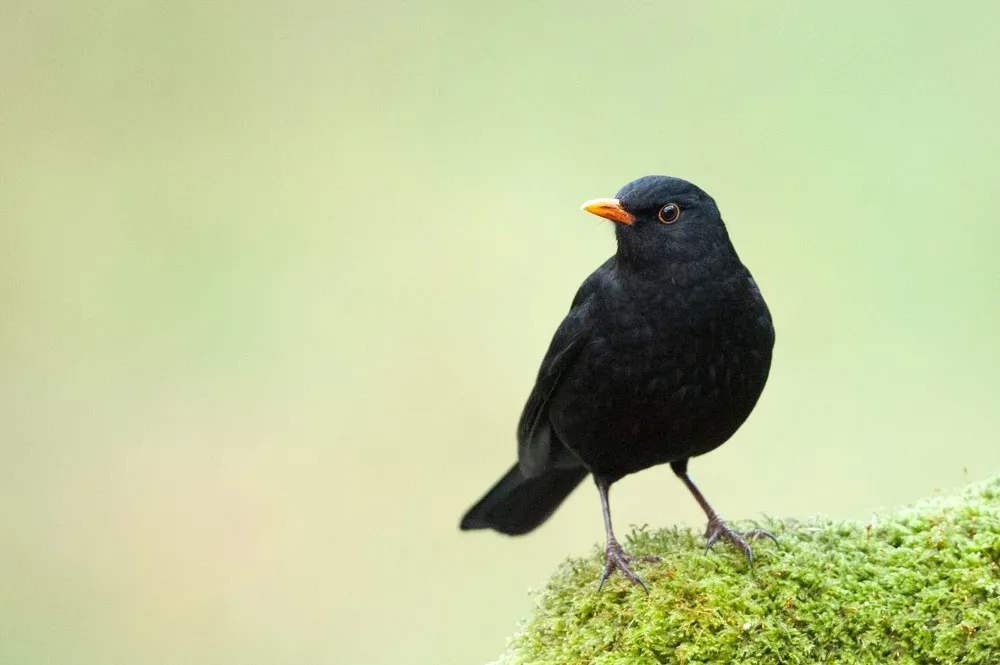
One of the UK’s most popular songbirds is in rapid decline, and garden owners are being encouraged to share their sightings with researchers. When Paul McCartney recorded the famous Beatles song ‘Blackbird’ at Abbey Road Studios, the distinctive sound of a singing male Blackbird was added to the final mix, courtesy of the studio’s vast collection of sound effects. This particular Blackbird had been recorded three years earlier, in a west London garden. Sadly, that most familiar of sounds has become an increasingly scarce one in and around the English capital’s green spaces in recent years, following worrying declines. In 2024, The British Trust for Ornithology (BTO) launched a pioneering survey to try to map this rate of decline in London’s Blackbirds, and to see whether similar population slumps were occurring elsewhere across the UK. Initial results from that first year certainly show something of a north-south divide, with signs that Blackbirds are doing better in the north, and particularly north-west England, while they continue to struggle in London, and to a lesser extent the wider south-east. Researchers from BTO are hoping to encourage yet more members of the public to get involved in 2025, especially in our larger towns and cities, so that they can try to identify any further notable changes. The decline of London’s Blackbirds has been linked to the recent appearance of a mosquito-borne virus which was first detected in England in the summer of 2020. Usutu virus can be fatal to Blackbirds and concerns are growing as the virus appears to be spreading across south-east England. First identified in South Africa, the virus has been present in mainland Europe for around three decades. Its spread has been linked to climate change, and native UK mosquitoes can transmit the virus during warmer times of the year. Scientists are trying to better understand the spread of Usutu virus and what the potential impacts might be on the UK’s Blackbirds, whose numbers were already decreasing slightly in Greater London even before the arrival of the disease. BTO researchers are keen to see if anything similar is happening in other large cities across the UK, and how this compares to smaller urban and rural areas. The Blackbirds in Gardens survey will help BTO scientists better understand how Blackbirds’ use of different garden types varies, to help understand disease transmission risk, and how successfully young are raised, especially at different levels of urbanisation, from rural to urban gardens. Usutu is typically spread by bird-biting mosquitoes, which rarely bite humans. When it does occur, human infection is often asymptomatic, and there have been no human cases of Usutu detected in the UK to date. Although the risk to humans from Usutu virus is extremely low, this is the first time in modern history that a mosquito-borne viral zoonosis (a disease which can be transmitted from animals to humans) has emerged in the UK. This BTO survey is part of a wider partnership project, being run in conjunction with the Animal and Plant Health Agency (APHA), the Zoological Society of London (ZSL) and the UK Health Security Agency (UKHSA). The project, Vector-Borne RADAR, is funded by UK Research and Innovation and Defra to understand the emergence and transmission of mosquito-borne viruses of wild birds in the UK, which are expected to increase as a result of climate change. Hugh Hanmer, Senior Research Ecologist with BTO, said, “Blackbird numbers have been noted to be decreasing in Greater London for some time. However, from 2020 they started declining more strongly, which coincided with the detection of Usutu virus, which can be fatal for these familiar birds. There is now evidence of a wider decline in Southern England, not seen in other UK regions. This survey seeks to understand why this change is happening and if it is linked to the spread of Usutu, by better understanding how Blackbirds use our gardens.” Dr Arran Folly, senior scientist with APHA and Vector-Borne RADAR project lead said, “With Usutu virus now endemic in southeast England, outbreaks of mosquito-borne diseases are expected to grow in the UK, especially as temperatures rise due to climate change. Through our Vector-Borne RADAR project, we are working to gain a clearer picture of emerging mosquito-borne viruses. The insights from BTO's Blackbirds In Gardens survey will be essential for understanding how this virus might be impacting blackbird populations. I encourage all garden owners to get involved and help us track this virus.” BTO is asking for anyone with access to a garden to take part in the survey. The official start date is Sunday 13 April and runs through until September. Simply sign up online at www.bto.org/blackbirds. Here you will find further information, a simple Blackbird identification guide, and full instructions on how to take part.
13-04-2025