Published today, the latest BTO/JNCC/RSPB Breeding Bird Survey (BBS) report reveals good news for some species in Scotland such as Cuckoo and Stonechat, while the much-loved Song Thrush shows signs of bouncing back following years of decline.
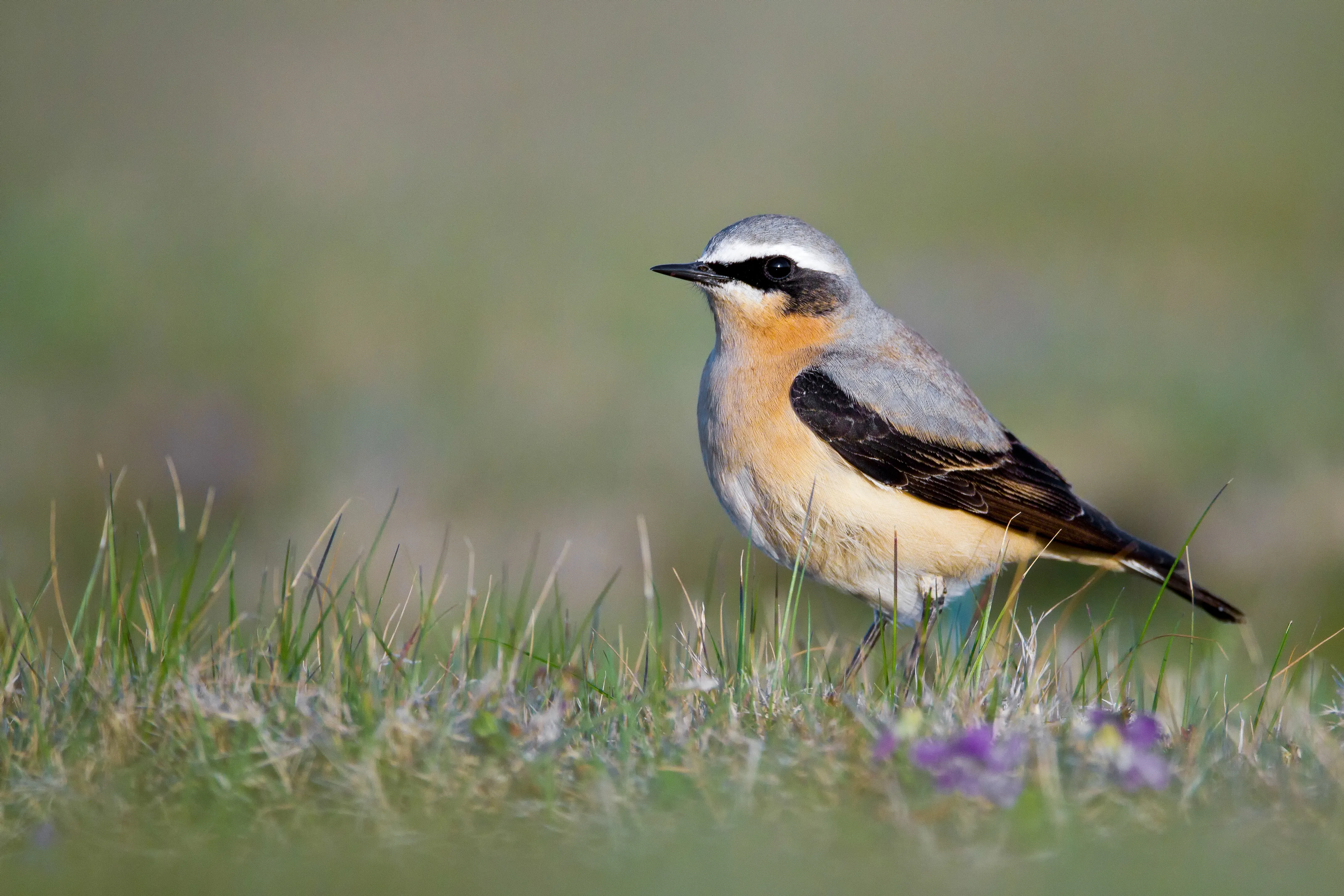
Breeding Curlews continue their precipitous long-term contraction in Scotland, while the decline of the migrant Wheatear gives cause for concern. Together, these species highlight a worrying picture for upland birds in Scotland, which overall have declined by 20%.
BBS is the main scheme for monitoring the population changes of the UK’s common and widespread breeding birds, producing population trends for 77 species in Scotland.
The UK-wide trend for Cuckoo is a mixed one, with significant declines apparent across much of its range, particularly in England. In Scotland, however, this iconic harbinger of spring is doing rather well with a remarkable increase of 67% in breeding numbers since BBS was launched in 1994.
Once again, the report identifies that Curlew, of which Scotland and the wider UK hold globally important breeding populations, is in severe decline in Scotland. This large familiar wader has suffered a 15% decline in the last decade, contributing to an overall drop in numbers of over 60% since the survey began. Sensitive and dynamic management practices can all help breeding wader populations. These can include the creation and restoration of wet areas, careful control of grazing and the thoughtful siting of commercial forestry activity.
Meadow Pipit is a widespread and common bird in many parts and should be familiar to anyone who spends time on the moors and hills, but these relatively unobtrusive birds are experiencing a change in fortune. Since the mid-1990s, the population of breeding Meadow Pipits birds has declined by more than 14% in Scotland.
Meanwhile, the Wheatear, a long-distance migrant that breeds in all upland areas of the UK has declined by nearly a third in Scotland since 1995. Together, the combined fate of upland birds in Scotland gives rise to a total decline of 20%, as shown in the Scottish Upland Bird Indicator*. By contrast, another bird regularly found in the northern uplands is the charismatic Stonechat, which has also experienced a notable uptick during the same time period; in just 30 years this small bird has nearly trebled in number.
Compared with other habitat groups – for example woodland birds, which are up by over 50% since 1994* – upland birds in Scotland are faring the worst, with multiple pressures including climate change, increased forest cover and changes in land management all at play.
Away from the moors and mountains, the familiar Song Thrush is showing encouraging signs of recovery after years of severe declines. In the last decade, this popular songster has increased by 26%, mirroring encouraging signs across the UK. This latest report reveals long-term (28-year) increases for 22 species and long-term decreases for 14 others. Chiffchaff shows the greatest increase and is among a number of woodland species doing particularly well in Scotland, along with Blackcap, Great Spotted Woodpecker and Jay.
Dr James Heywood, BBS National Organiser, said, “It is evident that of all the habitats in Scotland, it is in the uplands where birds are most vulnerable at present. Wading birds, particularly the charismatic Lapwing and Curlew, continue to decline in all parts of the country, but so too are some upland specialists. That we are able to detect these changes is remarkable, given the challenges posed by remoteness and terrain in many places. The efforts of BBS volunteers in Scotland are really to be celebrated.”
Dr Paul Woodcock, Joint Nature Conservation Committee, said, “These results highlight both successes and challenges for Scottish bird populations. While some species show encouraging recoveries, the concerning declines in others emphasise why ongoing monitoring is essential. These long-term surveys provide the evidence base that underpins effective conservation action, allowing us to identify which species need help, where efforts should be focused, and whether interventions are working. The dedicated work of thousands of volunteer birdwatchers across the country doesn't just track numbers – it provides the scientific foundation for protecting the future of our birds and their habitats.”
Dr Simon Wotton, RSPB Senior Conservation Science, said, “The UK’s wildlife is better studied than in any other country in the world and what the data is telling us is that the UK's bird species are mostly in long term decline. This latest report once again shows that our farmland and woodland birds are in a particularly precarious position. What is clear, is that progress to protect our species and habitats has not been sufficient and yet we know we urgently need to restore nature now.”
- Read the Breeding Bird Survey 2024 report
*The composite figures for woodland and upland birds in Scotland were published as an official statistic in January 2025 as the Scottish Terrestrial Breeding Birds 1994-2023. They are largely based on BBS data.