Learn, record and win
Whether you’re new to nest recording or already a seasoned finder of nests, this is your chance to learn about birds’ breeding behaviour, record vital data for science, and win awesome prizes along the way!
- Got a burning question? Drop us a line: youth@bto.org
What is nest recording?
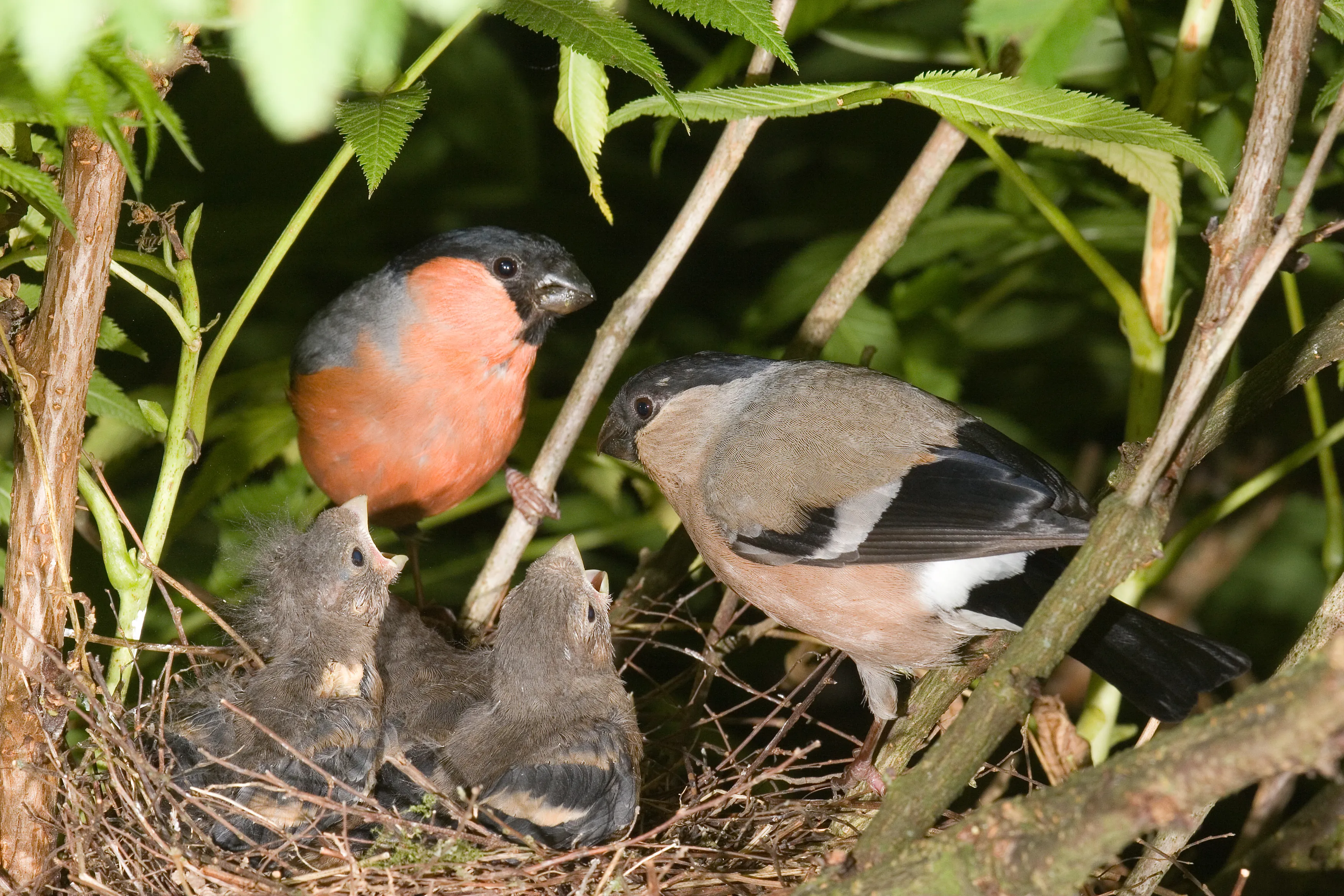
Nest recording is a way to observe and record birds’ nests and breeding activity. It helps scientists understand how birds are doing, which species are thriving, and which may need extra conservation support.
It’s not just about spotting eggs or chicks - to make your records really useful, you’ll need to visit a nest several times to note things like:
- The type of nest and where it’s located
- How many eggs or chicks are present
- The outcome of the nest (did the chicks fledge?)
Nest recording is a key part of citizen science, and by taking part you’ll be contributing to real research that helps protect birds across the UK.
Why nest recording matters
Nest recording isn’t just fun - it’s also really important for science and conservation. By keeping track of nests, we can understand:
- How successfully birds are raising chicks across the UK
- The effects of environmental change, habitat loss, and climate change on bird populations
- Which species may need extra conservation support
Every record you submit contributes to one of Britain’s most valuable citizen science datasets, helping scientists and conservationists protect our feathered friends now and in the future!
Nest recording with care
While Nest Quest is exciting, the welfare of birds always comes first. You can still have a great time exploring and recording nests while keeping birds safe. Here’s how:
- Minimise disturbance: Only visit nests when you need to collect data; once a week is generally sufficient. Keep your visits short and have your notes ready before approaching.
- Move carefully: Approach nests gently, avoiding sudden movements that might disturb birds or accidentally reveal the nest to predators.
- Give birds space: If a bird is sitting tight on a nest, back away quietly and calmly - don’t startle it.
- Respect nesting stages: Early incubation and late chick stages are sensitive times. Never handle eggs or chicks unless you’re a licensed ringer with the appropriate endorsements.
- Record all outcomes: Even nests that fail are valuable - they help scientists understand challenges like predation or weather effects.
- Follow the health and safety guidance and the NRS Code of Conduct.
By following these simple guidelines, you’re helping science AND keeping birds safe - a win-win!
Needing support?
We know nest recording can feel a bit tricky if it’s your first time - don’t worry, we’ve got you covered!
- Introduction session: At the start of the season, we’ll host a live session to show you how to record nests safely, what to look for, and how to submit your data.
- Help Desks: Mid-season, we’ll have help desks for any questions you might have - from identifying species to troubleshooting your records - and at the end of the season, we'll have a help desk to assist with submitting your records.
- Got a burning question in the meantime? Drop us a line: youth@bto.org
We want to make sure everyone feels confident and supported, so you can enjoy your Nest Quest experience while keeping birds safe!
How to take part
Nest Quest runs from 6 March 2026 to 30 September 2026 and is a four-step process:
- Sign up to the Nest Record Scheme
- Register for Nest Quest
- Collect your data
- Submit your Nest Quest records
1. Sign up to the Nest Record Scheme
Before you start, you need to sign up to the BTO Nest Record Scheme (NRS) - it’s free! This allows your nest records to feed into real scientific research. Due to new licensing restrictions, participants in Northern Ireland will need to apply for an additional (free) licence from DAERA before starting nest recording. More information is provided when you sign up to the NRS.
If you’re under 18, you will also need to complete this consent form with your parent/carer and send it to the Nest Record Team (nrs@bto.org) to take part. You can also request to be linked up with a mentor at this stage.
2. Register for Nest Quest
Once you’re signed up to the NRS, fill in our Nest Quest entry form. This lets us know you’re taking part and allows us to support you with tips, resources, and updates throughout the season.
3. Collect your data
Go out and explore! Choose your patch - a garden, local park, woodland or farmland (please ensure you have the landowners permission) - and record nests responsibly following our health and safety guidance and the NRS Code of Conduct:
- Note species, nest location and habitat
- Record nest status (building, eggs, chicks, outcome) using NRS codes
- Keep visits brief and avoid disturbing birds that are sitting tightly on the nest
Submit your records via the NRS portal (DemOn) throughout the season, which you can log into using your MyBTO login credentials. This ensures that your data contribute to real scientific research as you go.
- Remember, even nests that fail are valuable for science!
4. Submit your Nest Quest records
At the end of the season, you can view your records in DemOn and transfer your findings into the Nest Quest points spreadsheet we sent you when you signed up. Then, submit your completed competition entry using our final online form.
- Nest Quest records must be submitted by 31 October 2026
- Use the spreadsheet to tot up your points as you reflect on your season’s records
- Include any photos or notes about your experience when you submit your final entry
- Make sure all entries are accurate and complete
- Submit your Nest Quest Records
Who can take part?
Nest Quest is open to anyone under 26 and based in the UK.
- Teams: You can take part as a team, but only one member of the team should submit the records. This helps avoid duplicate entries and keeps the competition fair. Teams can include participants over 25, but at least one member must be within the age bracket.
- Under 13s: We recommend that participants under 13 take part with a responsible adult.
- Under 18s: We recommend that participants under 18 ask their parents or carers for permission if they are recording outside of the home/garden, just as they would for any other outdoor activity.
Rules
Please make sure you read the Nest Quest Rules and Terms and Conditions before taking part. These outline all competition details, safety expectations, and eligibility.
Important! Specially protected birds
Some rare breeding birds, such as Barn Owl, Kingfisher and Cetti’s Warbler, are Schedule 1 species, which have special protection during the nesting season. Schedule 1 species nests will not count towards your total, as it is illegal to approach the nests without a licence. Contact nrs@bto.org if you have any questions or concerns.
Prizes and recognition
- Everyone who submits their nest records will be in the running for prizes.
- Prizes will be given for:
- Highest overall score
- Greatest number of species recorded
- Most unusual nest (i.e. a species nesting somewhere unexpected)
- Best urban nest record
- Prizes will consist of nest monitoring equipment and BTO Youth goodies. We’ll also feature some of the most inspiring submissions on our website and social media!