A new report highlighting the results of the BTO/JNCC/RSPB Breeding Bird Survey (BBS), published this week, shows that some species in Northern Ireland are bouncing back after years of decline, but there are also continued downturns for many bird species.
BBS is the main scheme for monitoring the population changes of the UK’s common and widespread breeding birds, producing population trends for 39 species in Northern Ireland.
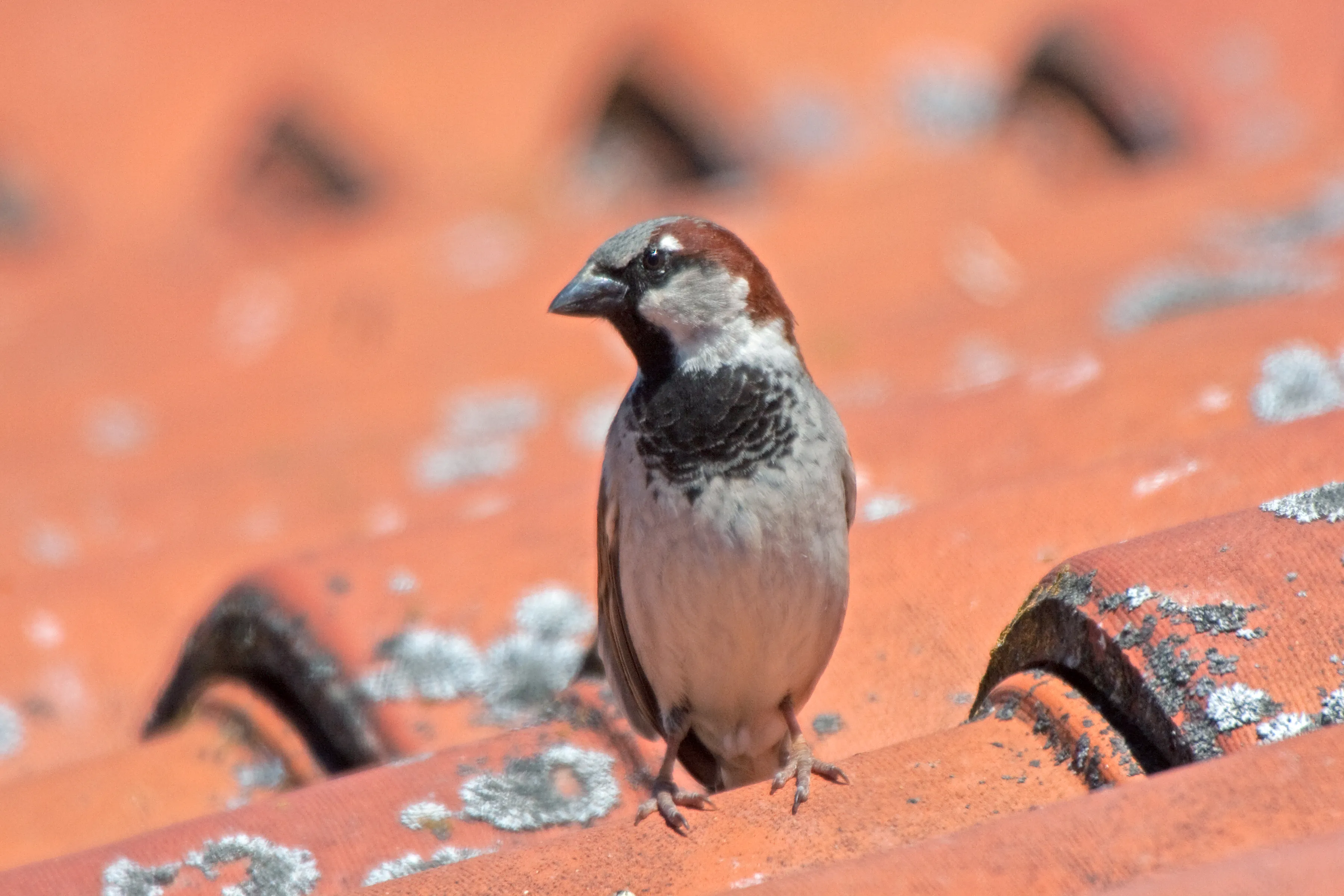
Among the success stories are increases in the number of House Sparrow. This familiar bird, which has undergone decades of decline across much of the UK, has seen modest growth in Northern Ireland since the mid 1990s.
Song Thrush too, having endured sharp declines in recent years, appears to be bouncing back, with breeding populations rising by a remarkable 61% in the last 10 years.
Unfortunately, it is far from good news across the board, and the survey reveals that Northern Ireland’s Chaffinches are in trouble. A downturn in 20% was recorded between 2014 and 2024, likely connected to the continued spread of the fatal bird disease Trichomonosis. In stark contrast to the very welcome upturn in Song Thrush fortunes, the closely related Mistle Thrush has seen a decline of 35% in Northern Ireland between 1997 and 2024.
Numbers of several species of seed-eating birds continue to plummet, with Yellowhammer and Reed Bunting being particularly impacted. The latter species has seen a 50% decline in Northern Ireland since 1997. One of the region’s most recognisable and well-known birds, the Magpie continues its steady decline in Northern Ireland with numbers down by nearly a third since 1997.
That it is possible to say so much about Northern Ireland’s birds is testament to the time and dedication of volunteer birdwatchers. However, several species of farmland bird are not covered by BBS, with declining species such as Curlew, Yellowhammer and Kestrel all too rare for robust trends to be calculated.
Greatest declines and increases across Northern Ireland between 1997 and 2024.
| Losses | % loss (1997–2024) | Gains | % gain (1997–2024) |
| Greenfinch | -89 | Blackcap | +725 |
| Reed Bunting | -50 | Goldfinch | +401 |
| Sedge Warbler | -49 | Buzzard | +312 |
| Mistle Thrush | -35 | Mallard | +112 |
| Rook | -33 | Hooded Crow | +104 |
James Heywood, BBS National Organiser, said “2025 saw the greatest number of squares covered across the UK and the second highest number ever surveyed in Northern Ireland. The BBS Partnership is incredibly grateful to the dedication of the volunteers who take part every year and deliver this terrific evidence on the state of the country’s common and widespread birds”.
Ethan Workman, Joint Nature Conservation Committee, said “This year sees a change in the time series used to calculate the long-term population trends in Norther Ireland. This change gives us a more accurate picture of how Northern Irish birds are faring and can better inform conservation policy and actions. For most affected species, this confirms a long-term decline, highlighting the need for continued monitoring in Northern Ireland, which would not be possible without the dedication of volunteers”.
Anne-Marie McDevitt, Head of Species at RSPB NI, said “The long-term data that the BBS provides are essential in determining the status of our bird populations and wouldn’t be possible without dedicated volunteers providing their time year after year - our sincere thanks go out to them. Although the BBS provides trends for many species in NI, there are many, particularly farmland birds, that are now at too low a level to be picked up by the BBS. Experts within BTO, RSPB and DAERA/NIEA are meeting to look at what can be done to generate trends for more species. The declines highlighted by the BBS need to be addressed urgently – now is the opportunity for DAERA to ensure that the new Nature Recovery Strategy has SMART targets in place that will deliver concrete action for our priority species”.