An increase in the number of volunteers taking part in the long-standing BTO/JNCC/RSPB Breeding Bird Survey (BBS) in the UK, has resulted in impressively high coverage across Scotland. The results show that it is not just numbers of volunteers that are on the up, as some bird species too are on the rise.
However, the new report highlighting the results of the survey, published this week, shows there were also continued declines for many species.
BBS is the main scheme for monitoring the population changes of the UK’s common and widespread breeding birds, producing population trends for 77 species in Scotland.
Thanks to the efforts of hundreds of volunteers, we saw the second highest number of Scottish sites in the history of the scheme surveyed during the spring of 2025, providing invaluable data for many of Scotland’s birds during the breeding season. The collated records combine to provide the most in-depth assessment of the state of the country’s breeding birds.
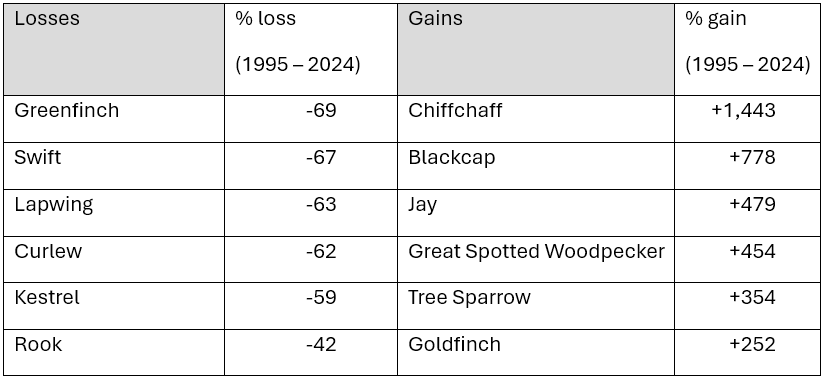
Among the success stories were the continued expansion of Nuthatch and Great Spotted Woodpecker populations in Scottish woodlands, parks, and gardens. Nuthatch has expanded its range in recent years, with the Scottish breeding population having doubled in the last five years. Meanwhile, Great Spotted Woodpecker numbers have risen by 454% in the last 29 years. The survey also reveals that another woodland specialist, the Jay, has experienced a five-fold increase since the mid 1990s.
Unfortunately, it’s far from good news across the board and the survey reveals that the much-publicised downward trends for Swift show no signs of improvement. Swifts, once a familiar sight and sound in the summer skies above Scottish towns and cities, have declined here by two-thirds since the mid 1990s.
That iconic symbol of the heather-clad uplands, the Red Grouse, is also on a downward trajectory. Numbers of this species are at a historical low and have declined by almost 40% in the last year alone. However, short-term changes in Red Grouse abundance should be interpreted with caution, as numbers of this species are known to fluctuate regularly. These population cycles are partly driven by aspects of the intensive moorland management carried out for this species in parts of its range. Another upland species for which BBS data suggest ongoing declines is the Wheatear, a migratory songbird. The Scottish Terrestrial Bird Indicator (an official government statistic that utilises BBS data) suggests an overall decline of 19% in Scottish upland birds since 1994.
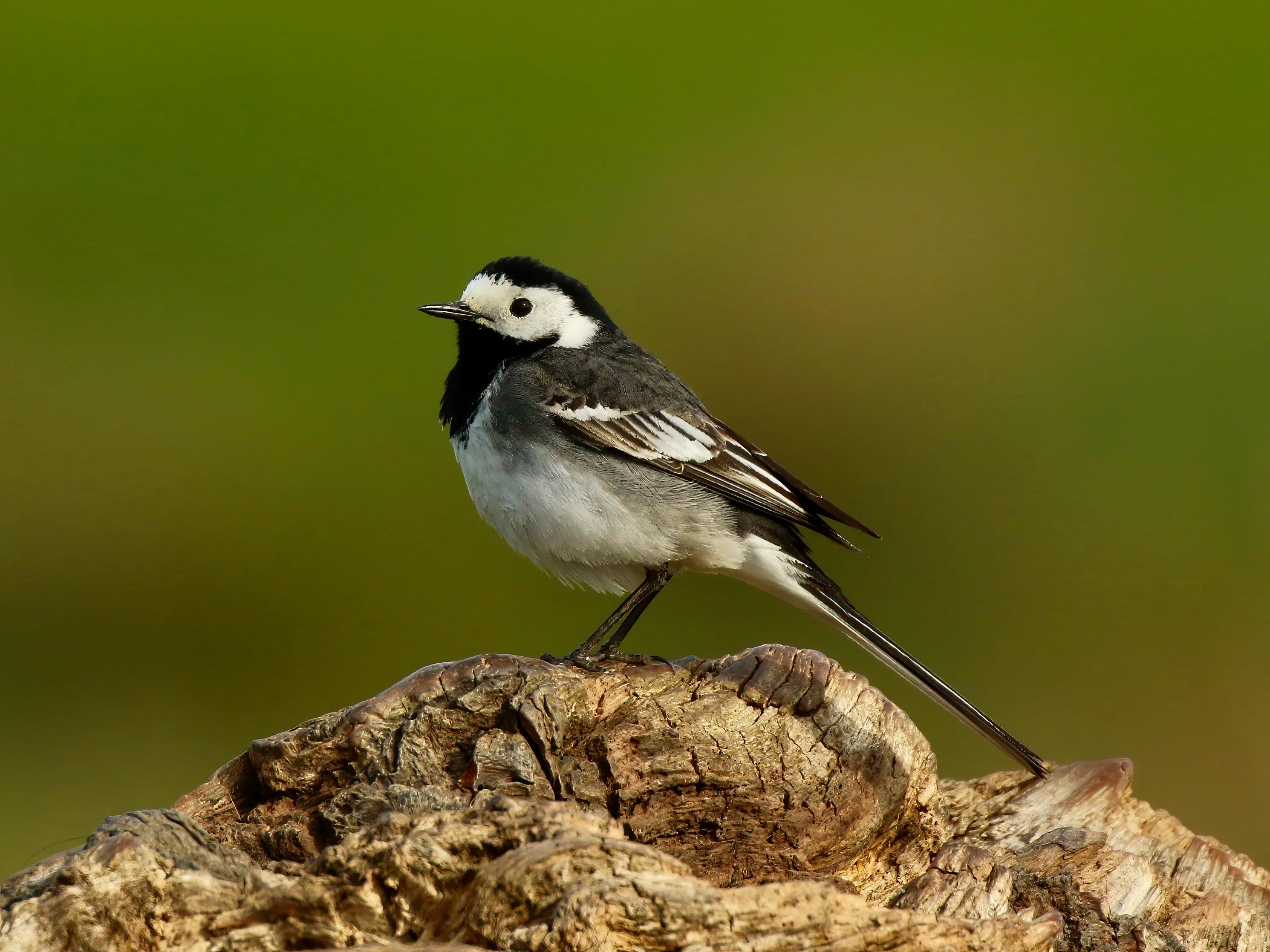
Pied Wagtail, a widespread and familiar bird across a range of habitats in Scotland, is also struggling and has declined by a third in the last decade.
Greatest declines and increases across Scotland between 1995 and 2024.
James Heywood, BBS National Organiser, said “Volunteer birdwatchers across the UK – including in Scotland – have once again stepped up to the mark to deliver a tremendous wealth of data from which we can infer a lot about the country’s birds. Those who travel to the remote Highlands and Islands as part the BBS Upland Rover scheme should be particularly hailed for their efforts. The results from these data paint a varied picture; several species, particularly in woodlands, are doing better in Scotland compared with further south, yet many of Scotland’s upland birds continue to decline.”
Ethan Workman, Joint Nature Conservation Committee, said “The efforts of BBS volunteers in Scotland continue to provide valuable insight into how their birds are faring. Each year we are able to produce new Scottish species trends, this year adding a 10-year trend for Grasshopper Warbler. This country-specific information highlights species that are doing comparatively well in Scotland, such as Jay and Tree Sparrow. This gives us a better idea of why species might be declining and how to tailor conservation to halt this. There isn’t a better example of volunteer effort than in the dedication of Upland Rovers that visit the most inaccessible, high-altitude Scottish BBS squares. These volunteers have shone a light on the unfortunate plight of many upland species and their declining populations.”
Simon Wotton, RSPB Senior Conservation Science, said “Whilst some species are showing a welcome improvement, it's clear the effects of habitat loss and land-use change are taking a toll on some of our most iconic birds such as Curlew, a species for which the UK holds over a quarter of the global breeding population. However, the increasing engagement with the survey is inspiring to see; it's thanks to these volunteers we are able to identify species in trouble and be proactive in our conservation action.”
The full report can be read here.