New partnership to deliver a step change in the evidence base for bird conservation in Britain and Ireland
Today, the British Trust for Ornithology, BirdWatch Ireland, the RSPB, Scottish Ornithologists’ Club and Welsh Ornithological Society are announcing a new partnership that will secure a step change in the evidence base for bird conservation across Britain and Ireland.
The five organisations have come together to begin work on Bird Atlas 2027–31, a project that will provide complete and unrivalled information from every part of Britain and Ireland, telling us which birds are where and how they are doing.
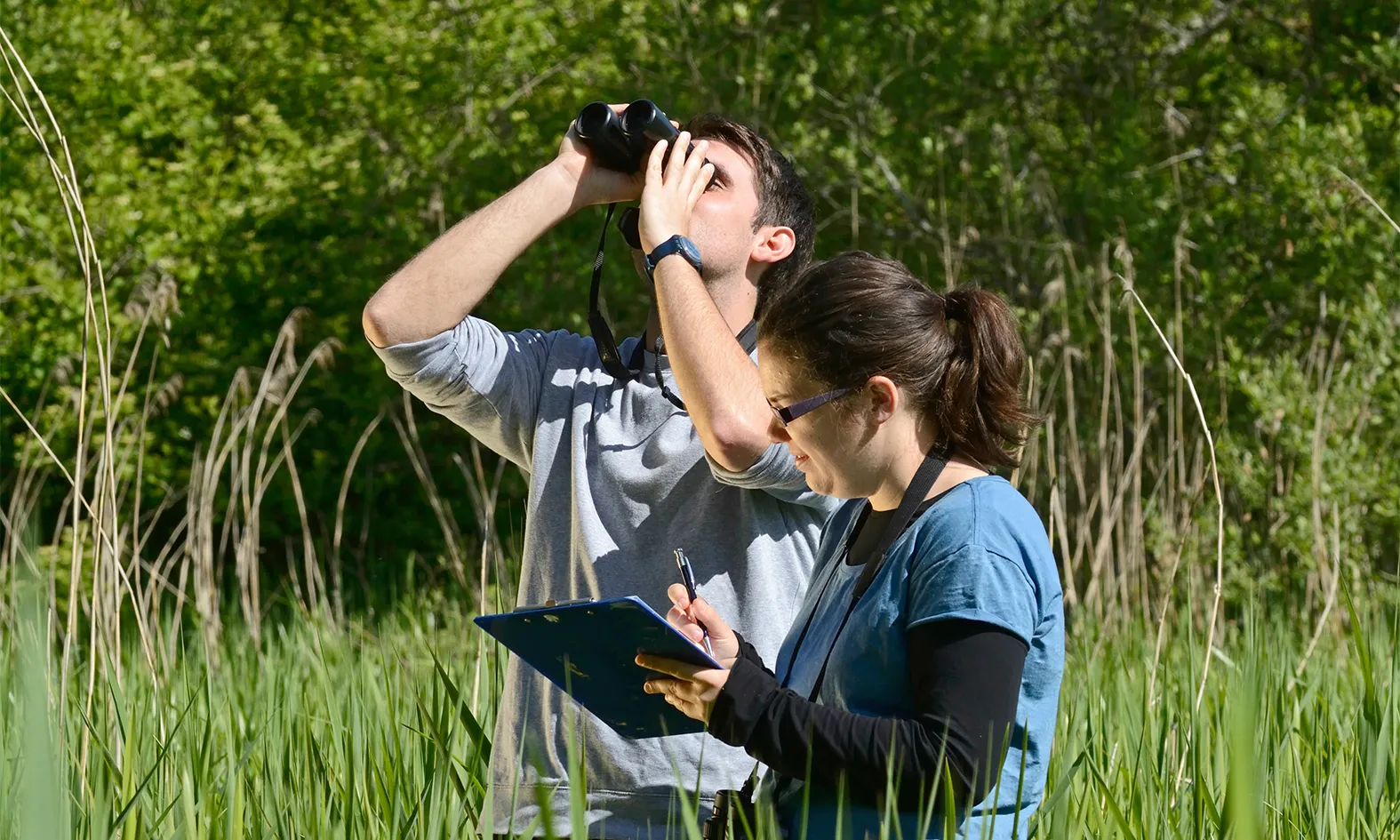
The project will draw on the support and skill of thousands of volunteer surveyors, who will help to measure changes in the number and distribution of all our bird species in both winter and the breeding season, collecting robust evidence that will underpin conservation action for decades to come.
It has been nearly 20 years since the last atlas, and a great deal has changed since then. The pressures on species and habitats have never been greater, and we need this new atlas so that we can identify the species and sites most in need of conservation action.
The partnership is looking to deliver for people as well as for birds. The new atlas will inspire, engage and motivate people to play their part in the response to the twin crises of climate change and biodiversity collapse, and the partners are working to make this the most inclusive and accessible bird atlas ever.
Fieldwork will start on 1 November 2027 and the project itself will be launched in autumn 2026.
Professor Juliet Vickery, CEO, BTO said: “Bird Atlas 2027–31 represents a step change in the evidence base for bird conservation across Britain and Ireland. Delivering in partnership with four organisations, it reflects our commitment to working together at scale to engage more people than ever before to deliver a lasting impact for birds.”
CEO of BirdWatch Ireland, Dr Andrew Kelly said: “As the world around us continues to change at pace, the pressures on our birdlife are ever growing. Now, more than ever, we need robust scientific data as a powerful tool for conservation. Working closely with our long-standing project partners, and with the added support of a new generation of volunteer birdwatchers, we are determined that Bird Atlas 2027–31 will be the most impactful yet.”
Beccy Speight, the RSPB’s Chief Executive said: “We are delighted to join the Bird Atlas 2027–31 partnership and to support the creation of this vital and comprehensive resource. It will help us track the state of bird populations across Britain and Ireland, demonstrate the impact of conservation action, and guide clear priorities for the future.”
Ruth Briggs, President of the Scottish Ornithologists’ Club said: “Members, staff and trustees of the Scottish Ornithologists’ Club are delighted and excited to partner again with BTO and other bodies involved in delivering the next Bird Atlas. Once again we will promote, lead and support the gathering of field records and data from across Scotland, from our extensive and beautiful highlands, islands and coastlines to our lowlands, forests and city areas. We will foster and create opportunities for anyone who wishes to join in, whether resident or visiting Scotland. Compiling the Atlas is a vital opportunity to fill gaps in our knowledge of the current status of Scotland's birds, especially in less-visited areas, to understand their population trends and identify their conservation requirements.”
Anne Brenchley, Chair of the Welsh Ornithological Society said: “Birdwatchers and nature enthusiasts can make a real difference by helping us gather the best ever information on the distribution and abundance of all species of birds across Wales for the Atlas 2027-31. The Welsh Ornithological Society aims to ensure that such comprehensive information will form the basis for significant and targeted conservation action, specifically relevant to both the birds and people of Wales.”