Migration slowly gathers pace around the 2026 spring equinox.
In the last few days it has certainly felt like spring has arrived, with lots of sunshine and temperatures rising into the high teens. Summer migrants are continuing to arrive, although the arrival so far has been more of a trickle than a flood.
The current pace of arrivals shouldn’t be seen as a surprise though, as we are still around a month away from the peak of spring migration. For long distance migrants heading our way, there is a delicate balancing act – arriving early at breeding grounds can enable individuals to claim the best territories and have a higher chance of breeding successfully, but also comes with the risk of being unable to survive if colder conditions return.
Typical early arriving summer migrants such as Sand Martin, Little Ringed Plover and Wheatear have been continuing to arrive, with over 800 reports of Sand Martin now entered to BirdTrack.
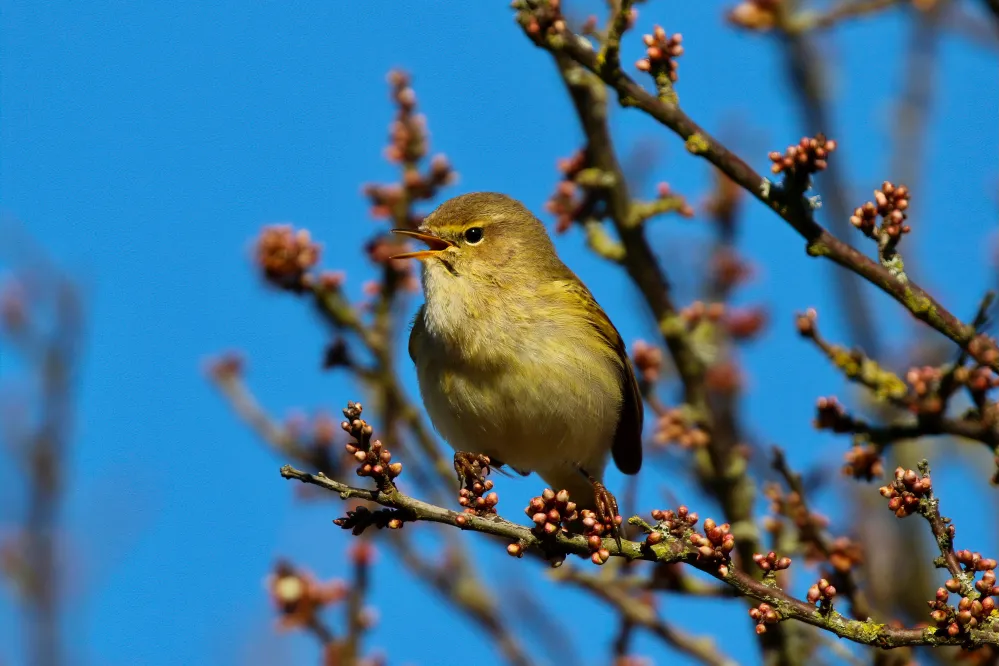
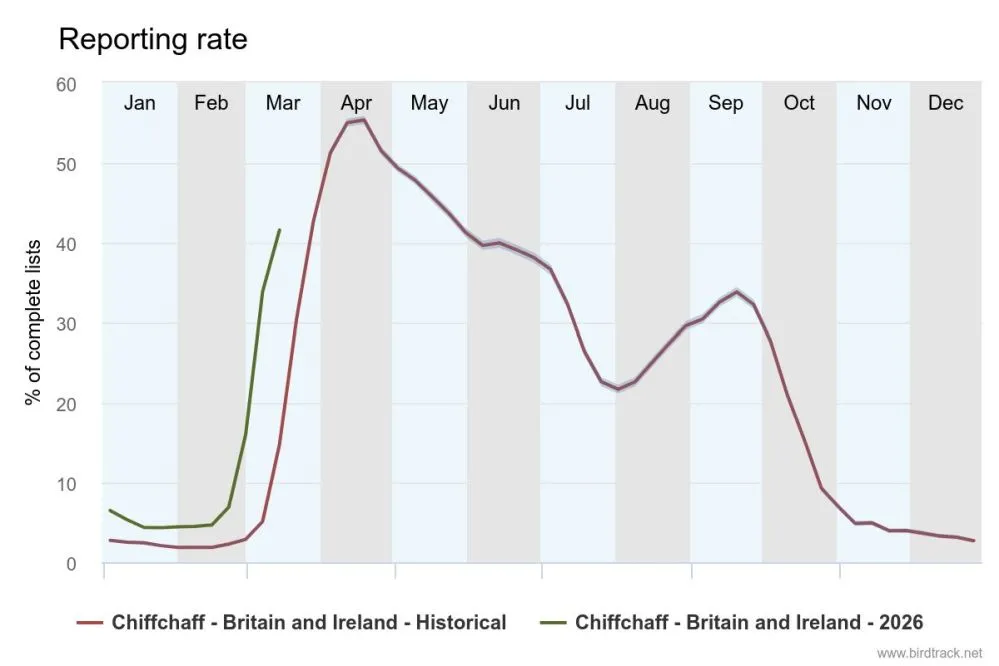
However, by far the most numerous arrival so far has been Chiffchaff. Many Chiffchaffs now overwinter in Britain and Ireland, making it hard to measure first arrival dates, but the weekly reporting rate in BirdTrack has already risen from 4-6% during the winter to 41% in the most recent week, showing the scale of the arrival.
We are also starting to receive the first reports of the Chiffchaff’s close relative, the Willow Warbler. A much longer distance migrant, Willow Warblers mostly arrive in April, although, like many species, their migration timing appears to be becoming earlier and it’s no longer unexpected to hear their lovely descending song in the last few days of March.
A more uncommon species to look out for is Osprey, as they return from spending the winter around the coast of West Africa. There are about 300 pairs of Osprey in Britain, mostly in Scotland, but on migration they can appear around harbours, estuaries and lakes across the country. We have received about 25 reports of Osprey so far and I expect many more to come in over the next few weeks.
Along the south coast there has been some obvious passage of Dark-bellied Brent Geese as they depart their wintering areas and start their journey to their breeding grounds in Arctic Russia. On 10 March, 6,427 Brents were counted flying east past Dungeness, Kent, with a nice mix of other species also on the move there.
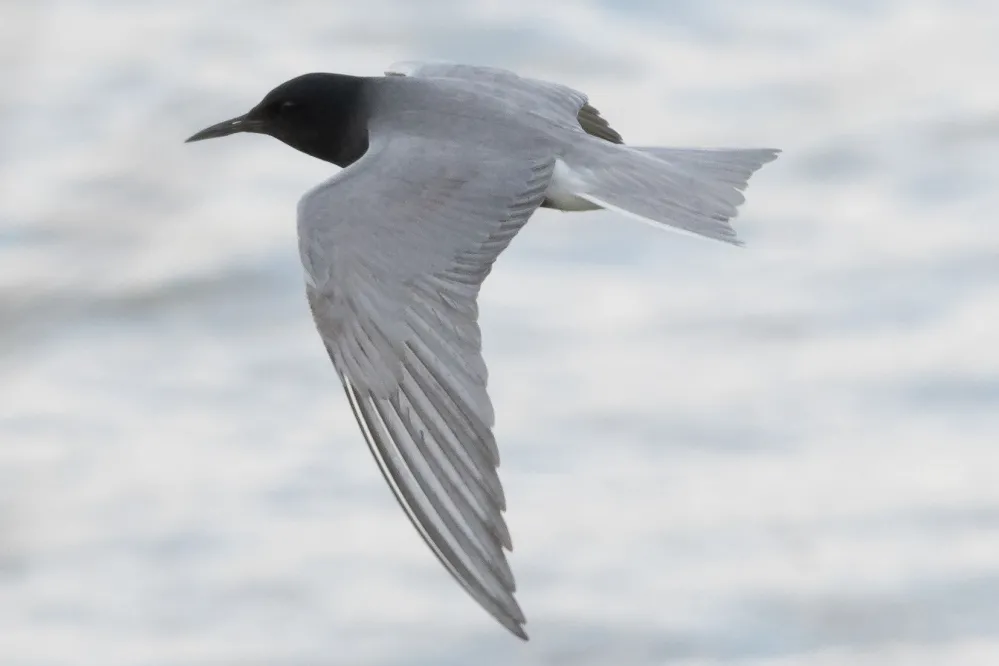
In the last few days there has been a spell of easterly winds coming from the Continent, something that always excites keen birders as these conditions can lead to birds following migration routes to the east of Britain drifting westwards and being seen here. Although it’s a bit too early in the spring to expect many ‘drift migrants’, there has been an uptick in reports of Little Gulls, with small parties being seen over some large lakes and reservoirs. If these conditions repeat later in the spring, we would expect to see higher numbers of Little Gulls and more reports of species like Black Tern, Wood Sandpiper and Temminck’s Stint.
Looking ahead, the forecast for the next week or so doesn’t look likely to lead to a big push of migrants, but the trickle, if not a flood, is likely to continue. While migrating birds are more likely to undertake long flights when there are favourable tailwinds, the instinct to migrate can still drive birds forwards on their journeys when conditions are suboptimal, especially in spring.
The BirdTrack reporting rates for the species mentioned in this week’s blog, plus others such as Garganey, will likely keep ticking up over the next week. If we do get any days with some rain, then this is a great time to check your local patch as birds are more likely to pause their journeys in these conditions.
I wish you a good week of birding ahead and don’t forget to keep entering your sightings to BirdTrack to help us monitor the spring migration.
Add your sightings to BirdTrack
Help us track the departures and arrivals of migrating birds by adding your sightings to BirdTrack. It’s free, quick and easy, and signing up also allows you to explore trends, reports and recent records in your area.
Author(s)

Tom Jordan