Bird migration at the start of 2026.
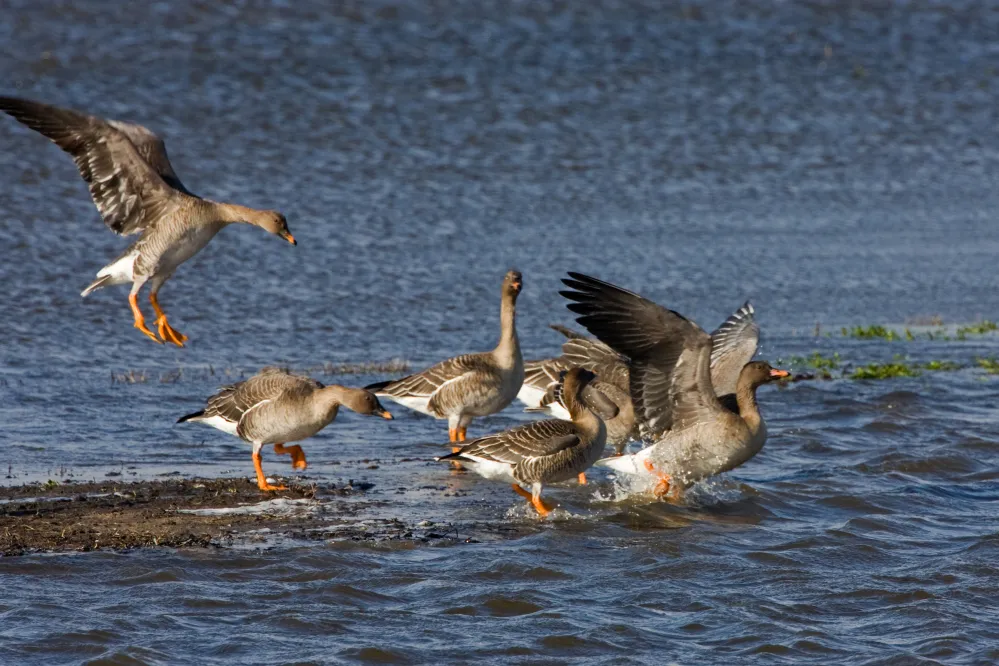
After a mild and very wet couple of weeks to start December, the weather took a turn at Christmas with the first proper cold snap of the winter. This, combined with some spells of easterly winds, has led to some interesting bird movements as various species seek out more hospitable environments.
The biggest story has been a significant influx into Britain of both White-fronted Geese and Tundra Bean Geese. This began on Christmas Eve when flocks of both started appearing in South-east England. Over the next week numbers continued to rise, with several thousand ‘White-fronts’ and a few hundred Tundra Bean Geese evidently arriving over this period. These geese will mostly have travelled here from the Netherlands and Germany, driven westwards by persistent sub-zero temperatures on the Continent.
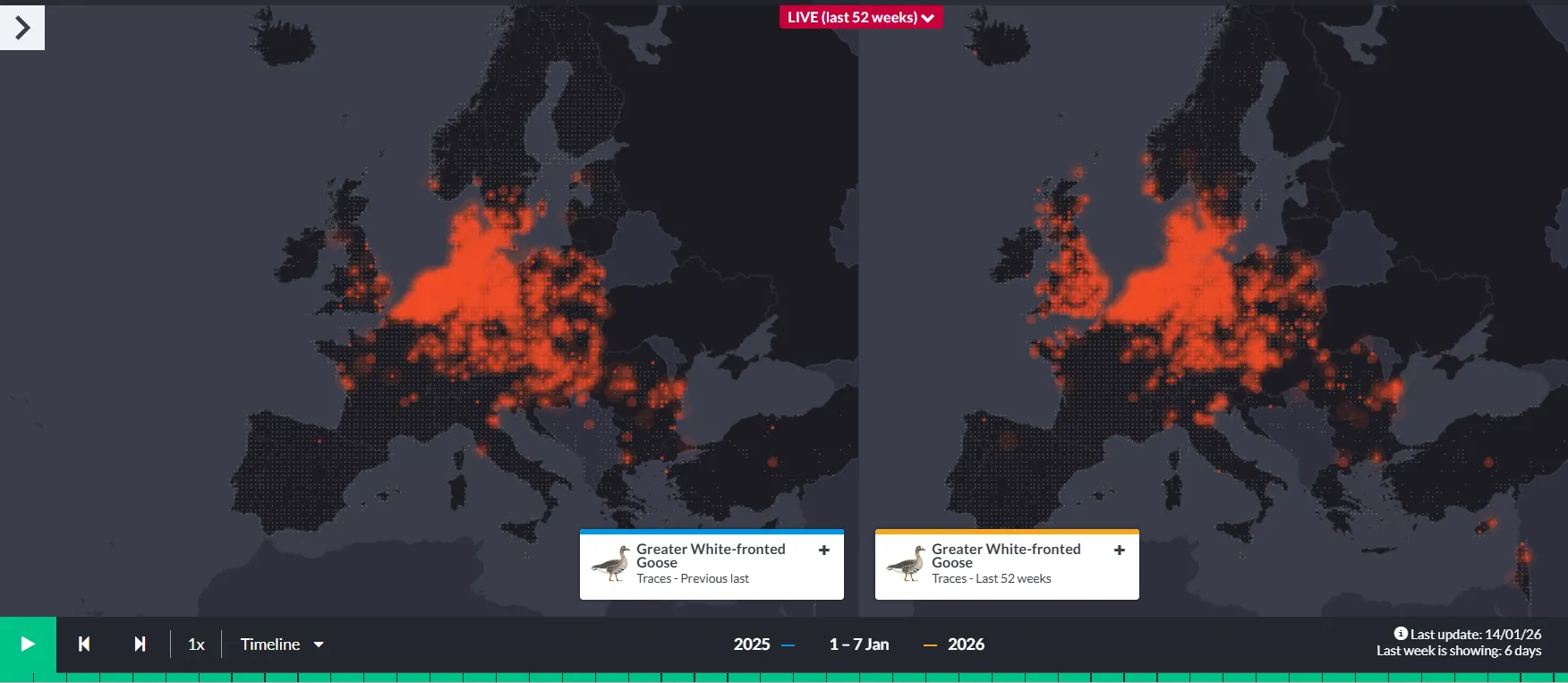
The EuroBirdPortal website, which brings together data from BirdTrack and other bird recording platforms across Europe, does a nice job of illustrating these movements, with reports of White-fronted Geese clearly far more widespread in Britain in the first week of this year than in the same week last year.
Bewick’s Swan is another species that has been arriving in small numbers, with the reporting rate in the last couple of weeks above the average for recent years. Smew have also been recorded from some lakes and reservoirs, but the reporting rate for this striking duck has not spiked in the same way it has for the geese and swans.
We have often mentioned in this blog the trend towards ‘short-stopping’ – with many species migrating shorter distances and visiting Britain in smaller numbers in response to warmer winters. In the case of European White-fronted Geese, numbers wintering in Britain have declined by 71% in the last 25 years (and Bewick’s Swan by 96%) so this winter’s arrival – while an influx compared to recent years – really represents something that would have been more normal a few decades ago. In the 1970s, up to 5,000 White-fronted Geese spent each winter at Slimbridge on the banks of the Severn Estuary, whereas numbers this winter have peaked at just 142.
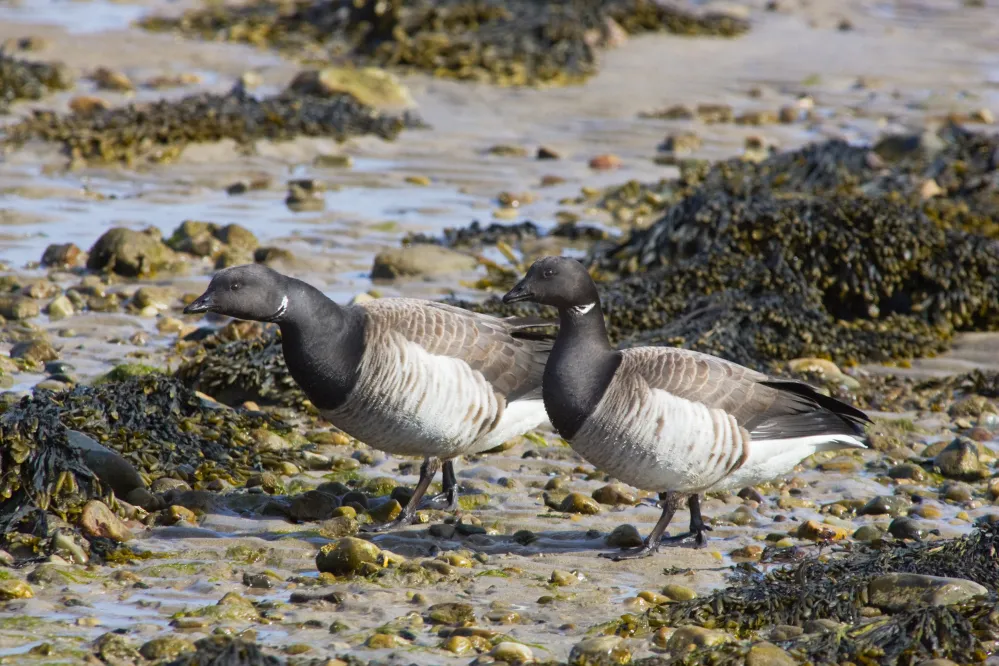
Despite this trend, Britain and Ireland is still a highly important area for wintering waterbirds, with 33 species of waterbird having internationally important numbers here during the winter. For example, the Greenland White-fronted Goose winters almost entirely in Ireland and western Scotland, Strangford Lough in Northern Ireland hosts up to 30,000 Light-bellied Brent Geese in winter – most of the world’s population – and Dark-bellied Brent Geese winter in internationally important numbers at around 15 sites in southern and eastern England.
As well as wildfowl, Britain and Ireland are also very important for wintering waders. While I was out birding over the Christmas and New Year period, it also seemed that numbers of Lapwing were somewhat higher than in recent winters. It’s always interesting to see whether personal perceptions align with the data from BirdTrack and in this case the data do show a higher reporting rate over the period, perhaps indicating some arrivals during the cold snap. Cold weather is also a great time to look for elusive species like Snipe, Jack Snipe and Water Rail and I really enjoyed watching Snipe and Jack Snipe congregating around an unfrozen stream on my patch.
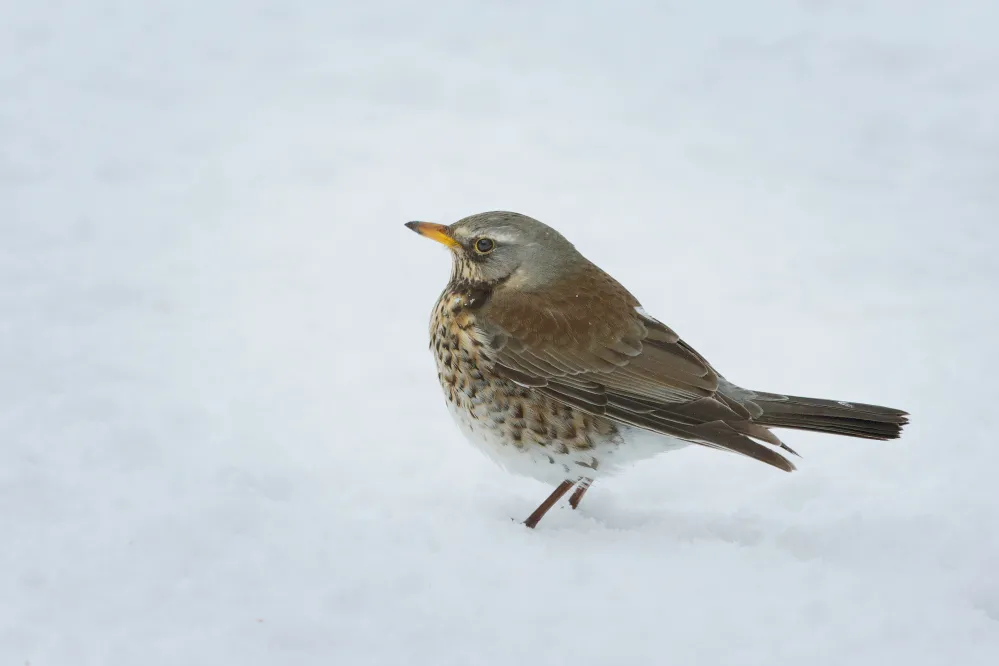
After a below average start to the winter for the winter thrushes – Fieldfare and Redwing – there’s also been a surge in reports of these species. During the first two weeks of January Redwings have been recorded on around 34% of Complete Lists submitted to BirdTrack, compared to a longer term average of less than 25% for these weeks. Some of this increase may indicate fresh arrivals of migrants into Britain and Ireland, but it could also be that these species are just being detected more as the conditions force them from the countryside into more urban and suburban habitats.
Conditions now seem to have reverted to a more typical period of mild and wet weather, with fewer bird movements likely during this period. However, birds which have arrived in Britain during the cold snap will likely stay put for a while and the next few weeks will probably be your best chance of seeing a Tundra Bean Goose in Britain for many years!
As always, I wish you good birding for the month ahead and remember to log your sightings in BirdTrack to help us monitor the latest bird movements.
Add your sightings to BirdTrack
Help us track the departures and arrivals of migrating birds by adding your sightings to BirdTrack. It’s free, quick and easy, and signing up also allows you to explore trends, reports and recent records in your area.
Author(s)

Tom Jordan