Bird migration gets underway in autumn 2025.
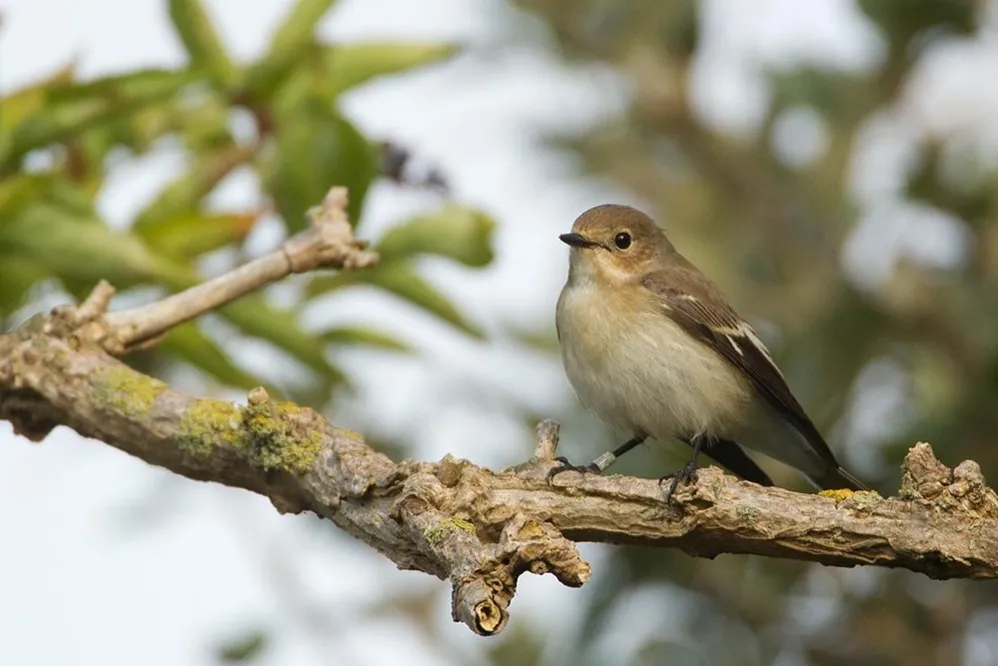
Mid August may feel like summer to many people, especially as I write this in the midst of the latest heatwave, but in birding terms autumn is already well underway. The first waves of autumn wader passage have been ongoing since June and some of our summer migrants have already mostly departed, for example the reporting rate for Swift had already dropped significantly by the first week of August. Willow Warbler is another early species to depart, with the peak of autumn migration in early August, around six weeks earlier than the similar Chiffchaff. Numbers of Sand Martin will also fall sharply in the coming weeks, earlier than House Martin and Swallow, which often feed second or third broods into September.
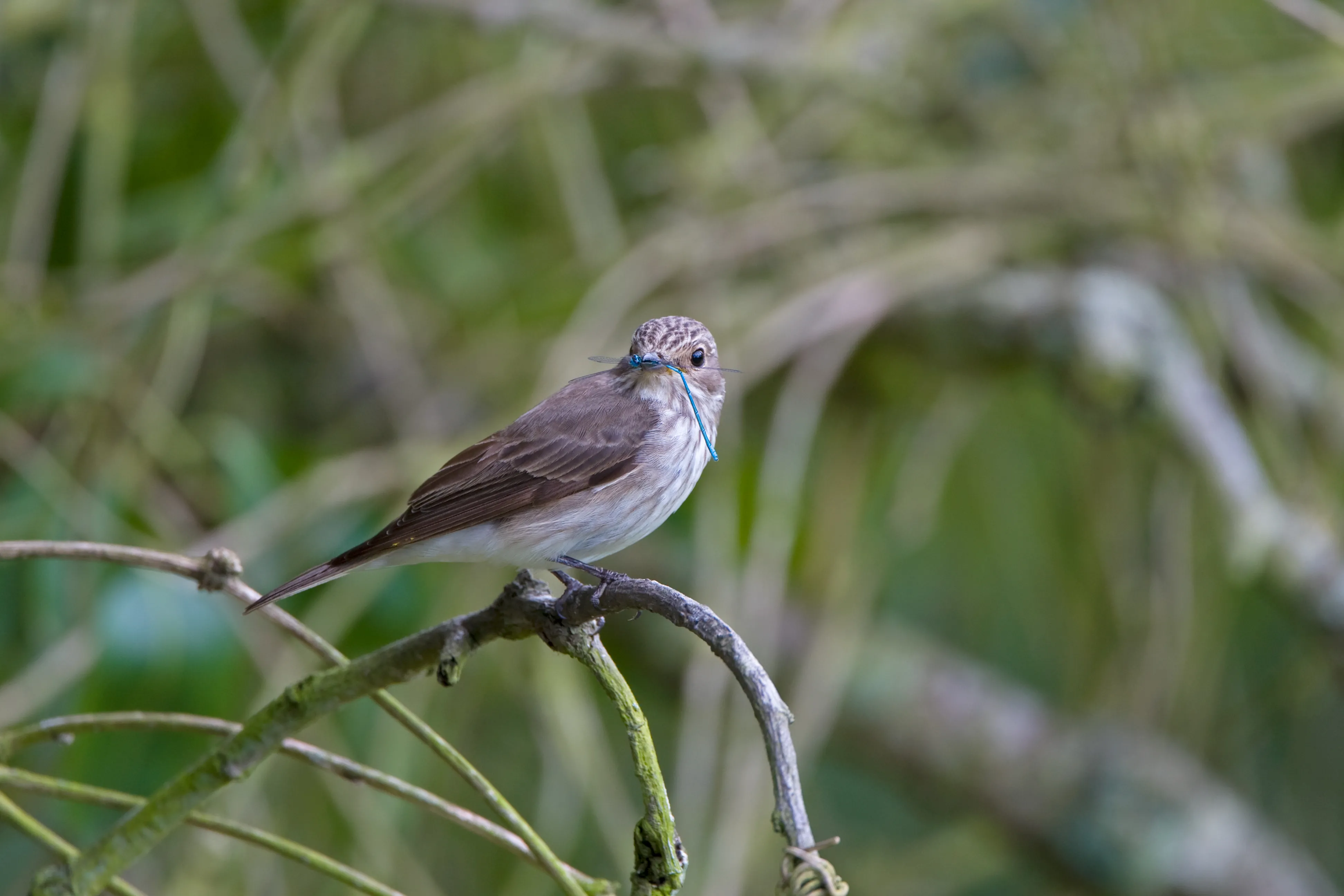
The reporting rate for Spotted Flycatcher also peaks in August, albeit later in the month. At this time of year ‘Spot Fly’ can turn up almost anywhere with trees and scrub, including in urban parks and gardens, as well as across the wider countryside. This autumn so far has seen a higher reporting rate than the recent average, perhaps indicating a good breeding season for the species.
Yellow Wagtail is another species to look out for in August. While it has disappeared as a breeding species in many areas of the UK, on autumn migration there is a good chance of finding it anywhere with cattle, usually in grazing marsh habitats but sometimes also in drier grassland. The first sign of Yellow Wagtails is often their distinctive ‘psit’ call, typically given in flight.
As well as birds that have bred in Britain and Ireland and are now heading south, the last week has also started to see the first trickle of ‘drift migrants’. These are species that primarily breed to the east of the British Isles and follow migration routes that take them south across the European Continent. However, when a high pressure system over Europe produces easterly winds across the North Sea, these birds can drift westwards in their migration. Classic August drift migrants to be on the lookout for include Wood Sandpiper, Black Tern and Pied Flycatcher, while scarcer species that also peak in August include Icterine Warbler and Greenish Warbler. As one would expect, all of these species are most frequently seen on the east coast, but they do continue south and west across the country after arriving in Britain. Even if you live in an inland county that feels a long way from migration hotspots, it’s worth keeping an eye on the latest sightings from the east coast, as it’s often in the days after an arrival of Pied Flycatchers on the coast that you can strike lucky and find one on your patch.
Before ending this week’s blog, one other ornithological event worth mentioning is some exceptional numbers of seabirds in the south-west areas of Britain and Ireland. The status of Wilson’s Storm Petrel in British and Irish waters has evolved considerably in recent years, a consequence of improved identification knowledge, the growth of pelagic birding trips and perhaps some genuine change in the species’ distribution in late summer. On 4 August, a total of 31 flying past the Bridges of Ross, Co. Clare, was a new record count from land; further south, seawatchers in Cornwall also recorded good numbers. Meanwhile a new British record count of Balearic Shearwater in Lyme Bay on 24 July was surpassed only a couple of weeks later when 1,978 flew past Berry Head in Devon on 7 August.
Rarer seabirds are likely to keep occurring over the coming weeks, but what other rarities may be found in August? The peak of autumn vagrant season is still some time ahead of us, but rare waders could well feature. Marsh Sandpiper, Sharp-tailed Sandpiper and Black-winged Pratincole are three species that have been recorded most often in August, in fact one of the latter has just been found in Northumberland! Aquatic Warbler, a formerly more regular migrant now considered a national rarity, is another species that may well be found before the next blog.
Wherever you are, migration is now underway, so enjoy the autumn and don’t forget to add your sightings to BirdTrack!
Add your sightings to BirdTrack
Help us track the departures and arrivals of migrating birds by adding your sightings to BirdTrack. It’s free, quick and easy, and signing up also allows you to explore trends, reports and recent records in your area.
Author(s)

Tom Jordan