If you wish to collect more detailed information about nest survival, nest outcomes, and causes of nest failure than surveys alone allow, you may want to find and monitor individual pairs and nests. Nest monitoring is supported by the national Nest Record Scheme.
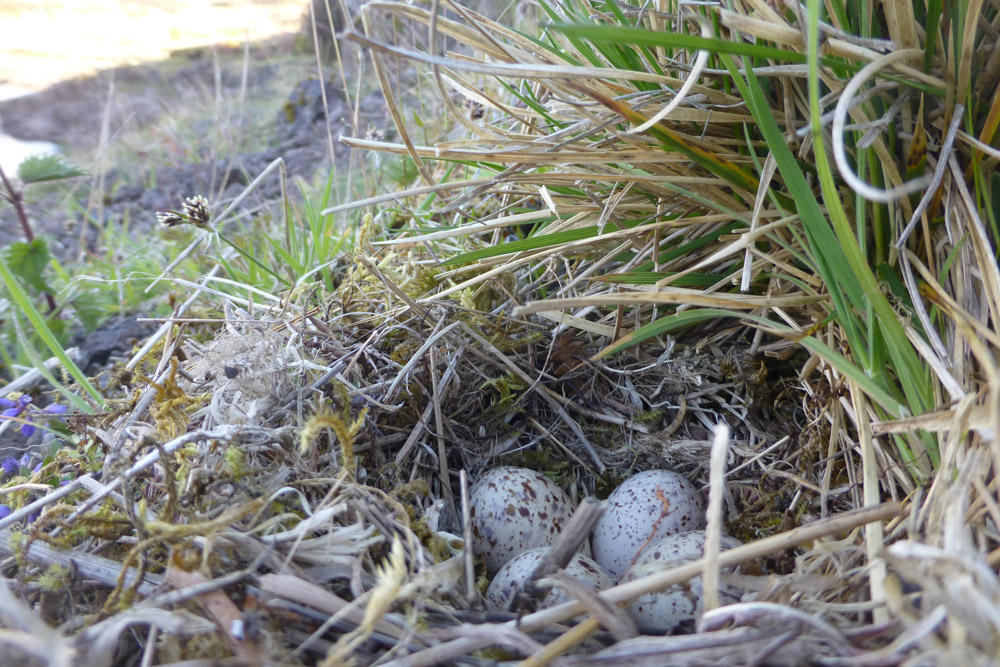
Wader nests take time, effort and patience to find, but with practice, it gets easier. Spending time in the field with more experienced nest-finders can be very helpful.
Once you have found a nest, you can monitor its progress by making intermittent visits to collect information about it. You can also use nest cameras and temperature loggers to provide more information about the outcomes of the nests you monitor. This is especially useful if you wish to identify the causes of nest failure or determine the main nest predator species.
You may also be interested in
- Reporting incidental (one-off) sightings
- Censuses, transects and Wader Calendar
- Health and safety for fieldworkers
Contact the Wader Hub
Advice and feedback
We can offer advice about any of the Hub’s supported methods, and about wader monitoring more widely. We also want the Wader Hub to be as valuable as possible for everyone involved in wader conservation. Send us your feedback:
- waders@bto.org
Guides and resources
All our bespoke Wader Hub resources, from support for new projects to detailed information about survey techniques.