Use these resources to learn how to identify owls; find out more about their ecology, and fascinating behaviour and how to build next boxes for them.
Owl biology
Read our latest articles on two of the owl’s most extraordinary senses: vision and hearing.
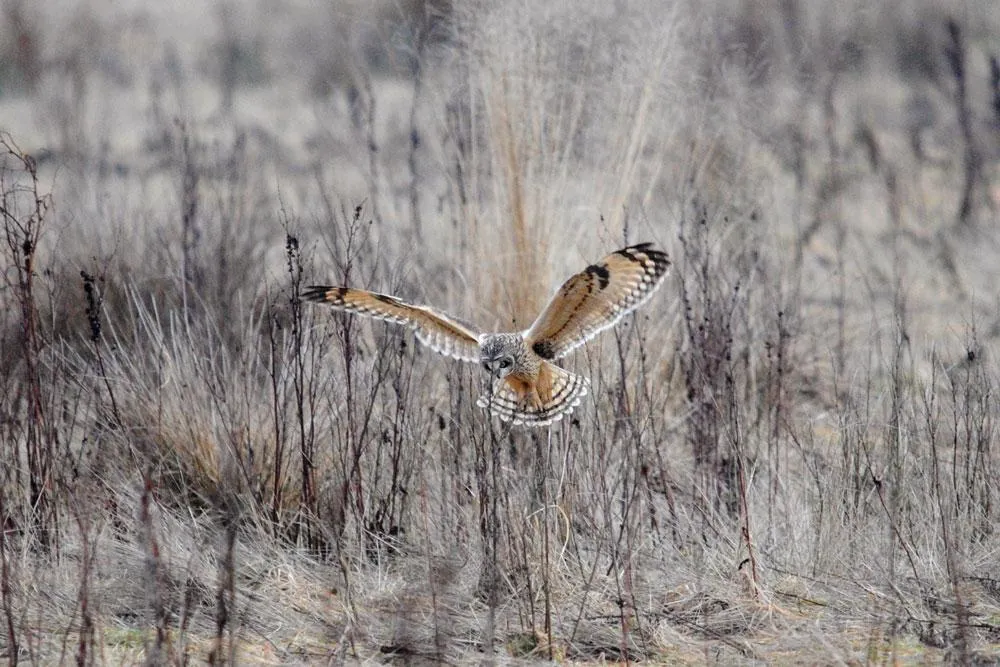
Short-eared Owl
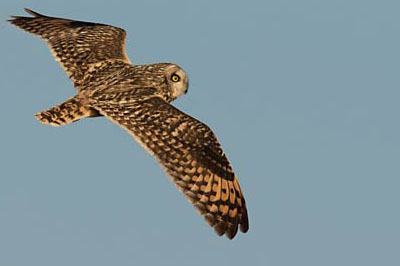
The short-eared owl is a ground-nesting species which breeds in open areas such as moorlands and grasslands. It has one of the widest distributions of any bird species, occurring in all continents except Australia and Antarctica.
- Learn more about Short-eared Owls
Long-eared Owl
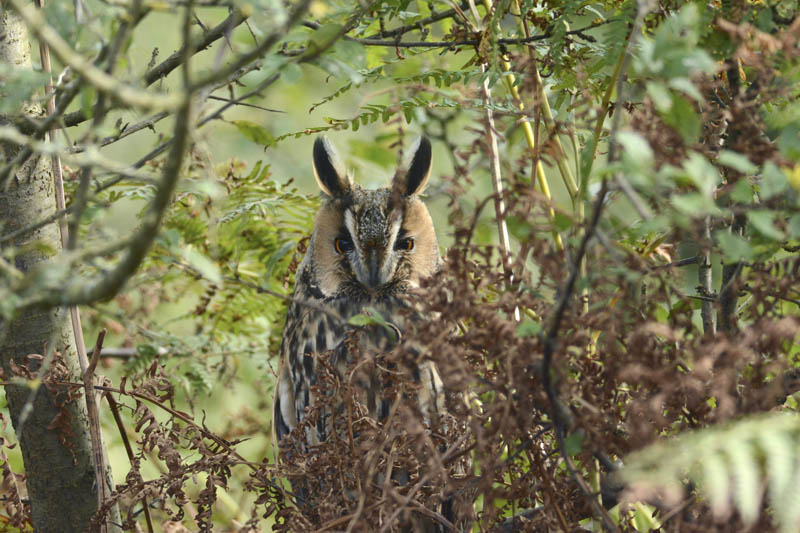
The Long-eared Owl, also known as the northern Long-eared Owl, is a species of owl which breeds in the coniferous woodlands of Europe, Asia, and North America. It is perhaps the most secretive owl species in the UK.
- Learn more about Long-eared Owls
Barn Owl
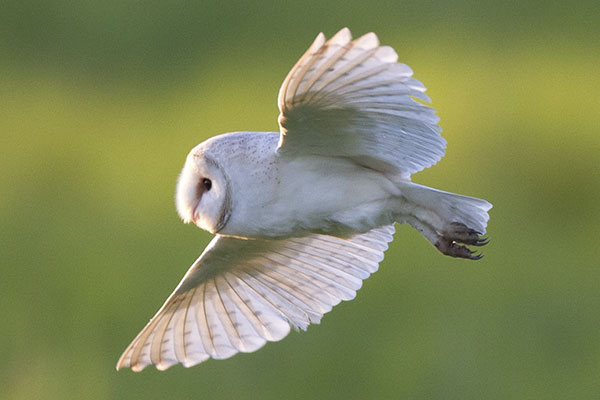
The Barn Owl has benefited from conservation efforts, in particular the provision of nest boxes, and its population has increased since the last national survey. There may now be as many as 10,000 pairs breeding across Britain & Ireland.
- Learn more about Barn Owls
Tawny Owl
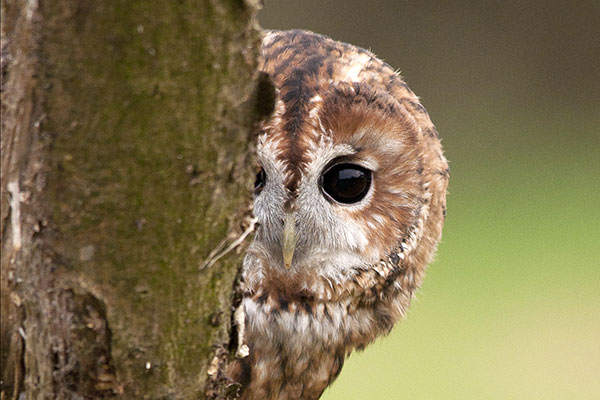
The Tawny Owl is probably our most familiar species of owl, found in wooded habitats across Britain. The species is absent from Ireland, underlining its sedentary habits and reluctance to cross large bodies of water.
- Learn more about Tawny Owls
Little Owl
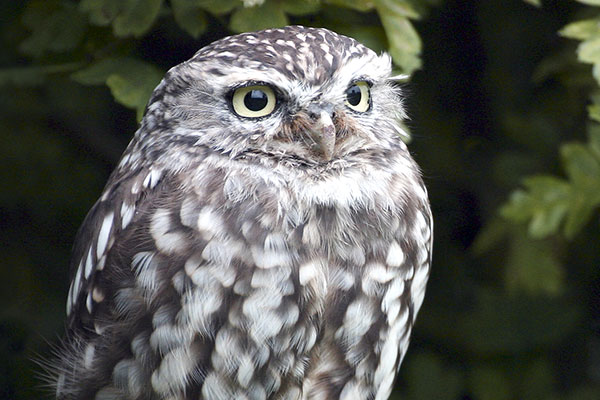
Not native to Britain, the Little Owl can now be found breeding across England, parts of Wales and into southern Scotland. Not much bigger than a Song Thrush, it feeds on large invertebrates, small mammals and small birds.
- Learn more about Little Owls