Information about the Non-Estuarine Waterbird Survey (NEWS), including the aims of the project, the history of the survey, results and publications, how to take part and resources to help volunteers.
About NEWS
Project aims
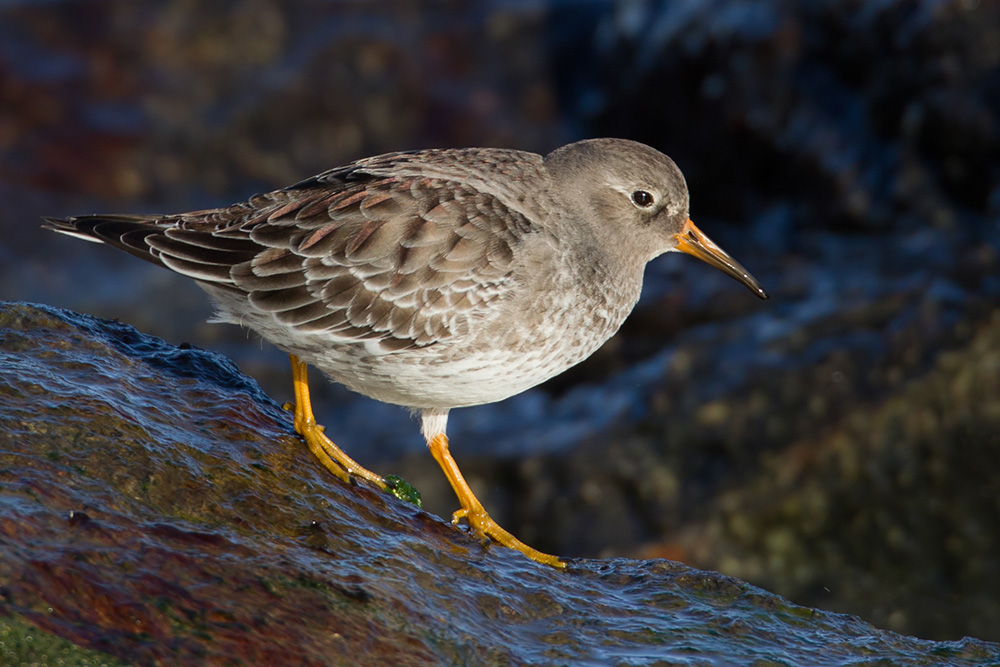 The Non-Estuarine Waterbird Survey (NEWS) aims to monitor the population size and distribution of waders and other waterbirds along the non-estuarine coastal habitats of the UK and Ireland.
Although the Wetland Bird Survey covers all these species, WeBS counts are mostly carried out on estuaries and inland waterbodies, with only a limited amount of non-estuarine coast regularly surveyed. This means that important populations of species like Purple Sandpiper and Turnstone, which favour non-estuarine habitats, are underrepresented in WeBS counts. NEWS provides an alternative survey to gather accurate information about these populations.
NEWS provides crucial data on species that use open coast rather than estuaries, helping to inform conservation strategies for wintering populations.
Project history
There have been four periodic surveys focused on covering non-estuarine coastal habitats, which support important bird populations but are under-recorded by other schemes:
- Winter Shorebird Count (WSC) in 1984/85
- Non-Estuarine Waterbird Survey (NEWS I) in 1997/98
- NEWS II in 2006/07
- NEWS III in 2015/16
Results and publications
All surveys
- The NEWS Report Online: explore the county-level results of the 2015/16 NEWS III survey and the three previous surveys
NEWS III (2015/16)
- Results of the third Non-Estuarine Waterbird Survey, including Population Estimates for Key Waterbird Species (BTO Research Report)
- Wader populations on the UK’s open coast: results of the 2015/16 Non-Estuarine Waterbird Survey (NEWS-III) and a review of population trends (scientific paper published in Bird Study)
Summaries of the Research Report and scientific paper can also be read in the 2015/16 WeBS Annual Report (pp14-19) and the 2019/20 WeBS Annual Report (pp26-27).
Taking part in NEWS
When is the Non-Estuarine Waterbird Survey?
NEWS is a one-off count any day between 1st December 2026 and 31st January 2027. Ideally, we encourage you to count on or as close as possible to the International Waterbird Census weekend on 16th and 17th January 2027.
What does a NEWS survey entail?
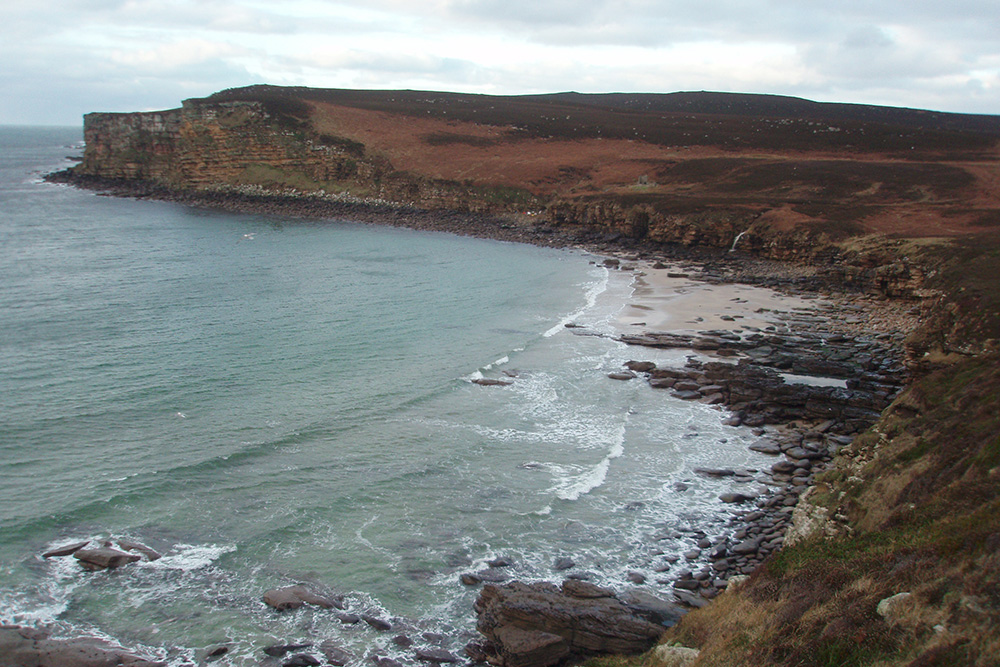
A NEWS survey involves one coordinated site-based survey along an approximate 2 km section of the coastline.
- Volunteers should count all wildfowl and wader species in the intertidal zone
- We also encourage volunteers to count birds on the land (within 100 metres of the high water mark) and on the sea
Please read our NEWS survey instructions for more details.
What time of day should the survey be carried out?
Volunteers should carry out the survey during the 6-hour window that falls from 3 hours before low water to 3 hours after low water.
Ideally, adjoining sections should be counted on the same day. If this is not possible, then counts on different dates are acceptable.
What skills do volunteers need to take part?
Almost anyone can take part, even relative beginners to birdwatching. Unlike many bird surveys, you don't have to know bird songs or calls to carry out NEWS counts - just the ability to identify waterbirds found in coastal habitats. This might be a few common species, or it might be a wide range of species, depending on the habitats present at the site.
How do I get involved?
To take part in NEWS, you will need to find a vacant site and register your interest. You will be able to browse available sites once the Vacant Sites map is published later this summer.
- You can sign up to receive NEWS updates, including information about the Vacant Sites map, via our NEWS mailing list form. We will contact you by email once the NEWS Vacant Sites map is live.
Resources
These resources are available for volunteers to use now, and further resources will be added after the online survey application goes live: