Throughout the year we send out press and media releases to individuals and organisations who have signed up to receive these. This page holds details of the press releases posted over the past two years. For press and media enquiries, please email press@bto.org.
Much-loved songbird threatened by mosquito-borne virus
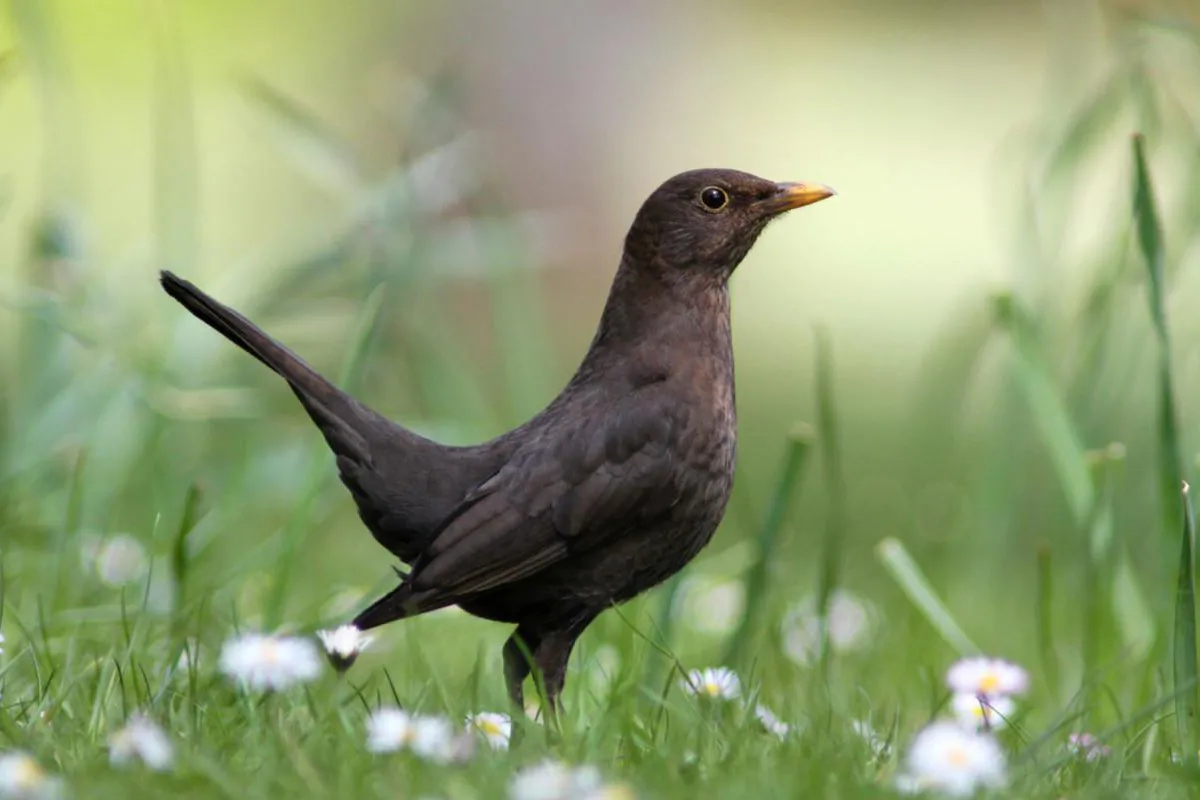
One of the UK’s favourite garden birds, the Blackbird, is in rapid decline, and members of the public are being asked to help scientists find out why. For hundreds of years, this familiar bird has been celebrated by poets, painters, and songwriters, but now this popular songster of town and country is in danger of becoming scarcer in many of its former haunts. The British Trust for Ornithology (BTO) has launched a survey to work out why. Concerns about the common garden bird’s well being have been raised in recent years as birdwatchers have reported fewer Blackbirds in their gardens, especially in the Greater London area since 2020. This decline has been linked to the recent appearance of a mosquito-borne virus affecting the species in England. First detected in the UK in London in summer 2020, Usutu virus is potentially fatal to Blackbirds and now concerns are growing as the virus appears to have started to spread across south-east England. First identified in South Africa, the virus has been present in mainland Europe for three decades. Its spread has been linked to climate change, and with native UK mosquitoes that can transmit the virus during warmer times of the year. Now scientists are trying to better understand the extent and spread of Usutu virus and what the potential impacts might be for the UK’s Blackbirds. Blackbird numbers were already decreasing slightly in Greater London before the arrival of Usutu virus and researchers are keen to see if anything similar is happening in other large cities across the UK, and how this compares to smaller urban and rural areas. The Blackbirds In Gardens survey will help BTO scientists better understand how Blackbirds use different types of garden, and what factors might influence the risk of disease transmission. Importantly, the survey also seeks to determine how successful the brids are in rearing young, especially at different levels of urbanisation, from rural to urban gardens. Usutu is typically spread by bird-biting mosquitoes which rarely bite humans. When it does occur, human infection is often asymptomatic, and there have been no human cases of Usutu detected in the UK to date. Although the risk to humans from Usutu virus is low, this is the first time in modern history that a mosquito-borne viral zoonosis (a disease which can be transmitted from animals to humans) has emerged in the UK. This BTO survey is part of a wider partnership project, being run in conjunction with the Animal and Plant Health Agency (APHA), the Zoological Society of London (ZSL) and the UK Health Security Agency (UKHSA). The project, Vector-Borne RADAR, is funded by UK Research and Innovation and Defra to understand the emergence and transmission of mosquito-borne viruses of wild birds in the UK, which are expected to increase as a result of climate change. Dr Hugh Hanmer, Senior Research Ecologist with BTO said, “Blackbird numbers have been decreasing in Greater London for some time. However, from 2020 they started declining more strongly, which coincided with the detection of Usutu virus. There is now evidence of a wider decline in southern England, not seen in other UK regions. The BTO survey seeks to understand why this change is happening and to identify any link to the emergence of Usutu virus. By better understanding how Blackbirds use our gardens, we hope to halt the declines.” Dr Arran Folly, senior scientist with APHA and Vector-Borne RADAR project lead said, “Outbreaks of mosquito-transmitted diseases like Usutu virus, which is now endemic in south-east England, are likely to increase in the UK especially as temperatures warm in the wake of climate change. Our Vector-Borne RADAR project is helping to develop a better picture of emerging mosquito-borne viruses and the findings from BTO’s Blackbirds In Gardens survey will be invaluable in building a better understanding of how the virus could be impacting our blackbird populations. I would urge any garden owners to take part and help us keep track of this virus.” BTO is asking for anyone with access to a garden to take part in the survey. Simply sign-up online at www.bto.org/blackbirds-gardens. Here you will find further information, a simple Blackbird identification guide, and full instructions of how to take part.
22-05-2024
Breeding Bird Survey celebrates 30 years of citizen science
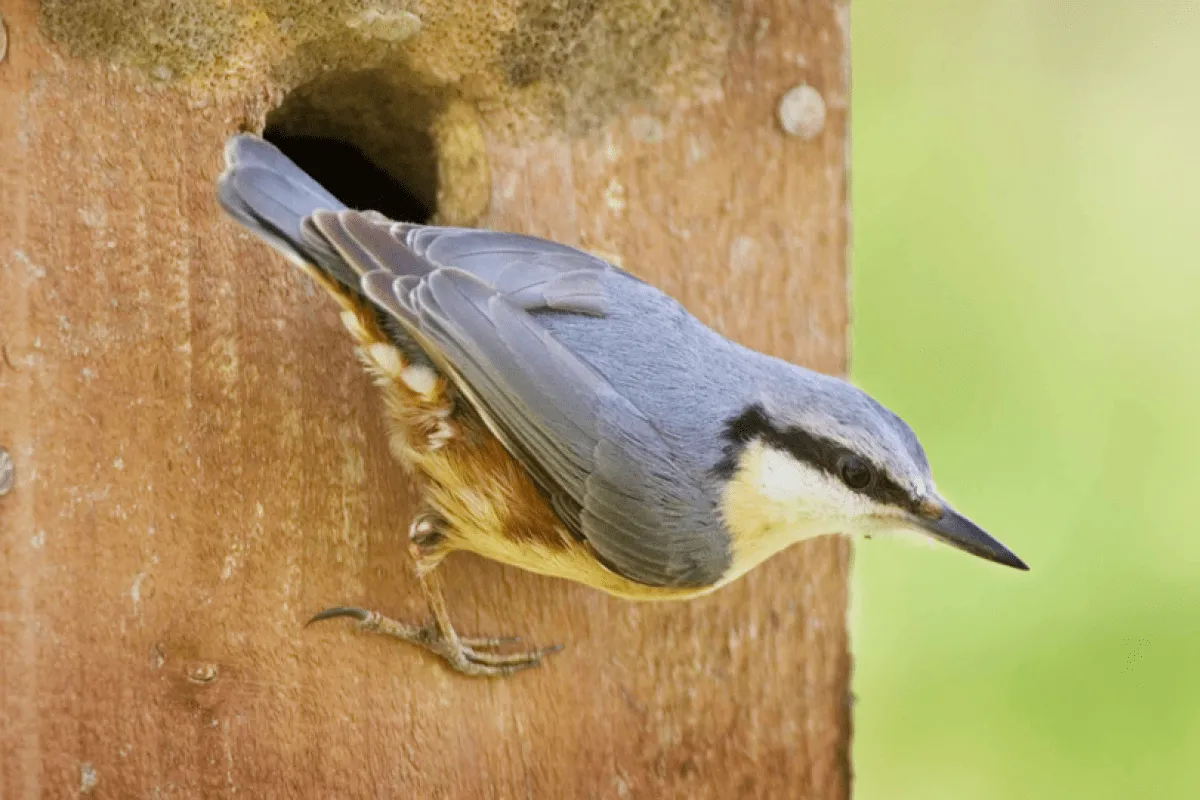
Published today, the latest BTO/JNCC/RSPB Breeding Bird Survey (BBS) looks at the fortunes of our bird populations and celebrates the Pearl Anniversary of a pioneering volunteer-led national study. The report shows continued increases for such species as Red Kite and Nuthatch while also revealing continued severe declines for other birds, including Swift and Curlew. BBS is the main scheme for monitoring the population changes of the UK’s common and widespread breeding birds, producing population trends for 119 species. This press release is specific to the UK. Alternatively, view the press release for: Scotland Wales Northern Ireland During the breeding season, birds are at their busiest and wherever we may live, there will be a nest not too far away. Whether it is a Blackbird in the local park or a Mallard with ducklings on the local canal, many of us can witness the frenzied activity that this season brings. For thousands of birdwatchers however, this is not just a time to casually observe these annual rituals - it signifies a period of dedicated, systematic information gathering which can help shape conservation outcomes. For 30 years, a total of nearly 9,000 skilled enthusiasts have been contributing essential data to the Breeding Bird Survey (BBS), one of the UK’s longest-running citizen science initiatives. The BBS is a partnership project organised by British Trust for Ornithology (BTO), the Joint Nature Conservation Committee (JNCC) and the Royal Society for the Protection of Birds (RSPB). With around 3,000 volunteers taking part in any given spring and summer, collectively the nations’ birders have provided nearly 8 million records since the BBS was launched in 1994, allowing scientists to identify any notable changes in the status of our breeding birds. Amazingly, at least 100 of these keen-eyed contributors have been submitting their observations for the entire three decades that the survey has been running. Around 7,000 individual sites across the UK have been covered in this time. The Breeding Bird Survey, following on from its predecessor, the Common Birds Census, gathers information from across the UK and helps paint a clear picture of just how well, or not, the UK’s common and widespread land-based birds are faring. By analysing the collected data, scientists can see that while some birds such as Goldfinch, Great Spotted Woodpecker and Nuthatch are doing reasonably well, others including Swift, Curlew, Greenfinch and Tree Sparrow are in steep decline. The reasons for these population changes are varied and the survey data allow scientists to investigate the potential drivers of change for each species. Since the start of BBS, the data have shown that Swifts across the UK have suffered significant declines of up to 66% since 1995, the first year for which trends can be created. For every ten Swifts that you may have seen screaming overhead thirty years ago, today you will only see four. Swallow numbers have dropped by almost a half in the last ten years. For birds such as Swifts, Swallows and House Martins that rely heavily on aerial insects, any decline in these invertebrates means that there is simply less food for adult birds and their growing chicks. A reduction of breeding sites can be mitigated by the provision of artificial nesting sites, but the issue of diminishing food resources is much more difficult to resolve. These birds are not alone; of the 118 species monitored by BBS in the UK, 42 have decreased since 1995, while 35 have increased. The species with the greatest decline is Turtle Dove, which has seen its numbers plummet by a staggering 97%. Other farmland birds, like Grey Partridge (27-year decline of 62%), Yellowhammer (31%), Lapwing (51%) and Curlew (50%) are in a similar predicament. Several species are increasing and expanding their range. Red Kites represent a major conservation success story of recent years and numbers have increased by 2,232% since the start of the BBS. Little Egret, a relatively recent colonist, is the species with the greatest increase as numbers grew by 2,347% during the same time period. A fifth of the species showing increases are non-native birds such as Ring-necked Parakeet and Egyptian Goose. Dr James Heywood, BBS National Organiser, said, “The sheer volume of information that allows us to see the high and lows of our breeding birds is all volunteer gathered. Without the dedication of the UK’s BBS surveyors, we would not be able to see the changing fortunes of our bird populations, and with it look to identify causes and potential solutions. The report highlights declines in wide ranging groups of species, from birds reliant on insects, farmland and woodland birds, as well as pointing to additional and acute challenges like avian flu.” Dr Paul Woodcock, Joint Nature Conservation Committee, said, “Long-standing monitoring schemes, such as the Breeding Bird Survey, are critical to better understand the status of our natural environment and the pressures faced by our wildlife. Thanks to the collaborative effort of thousands of volunteers we have an invaluable dataset that informs policy, targets conservation action and evaluates success, as evidenced by the Red Kite recovery and by our understanding of which species are experiencing large declines.” Simon Wotton, RSPB Senior Conservation Science, said, “The Breeding Bird Survey provides us with invaluable information about the state of our bird populations. By looking at this valuable long-term data we can see which species most need our help and where our efforts are best spent when addressing the nature and climate emergency. The changes in range and abundance of some of our bird species should give us cause for concern, and impetus for action.”
16-05-2024
Breeding Bird Survey celebrates 30 years of citizen science in Scotland
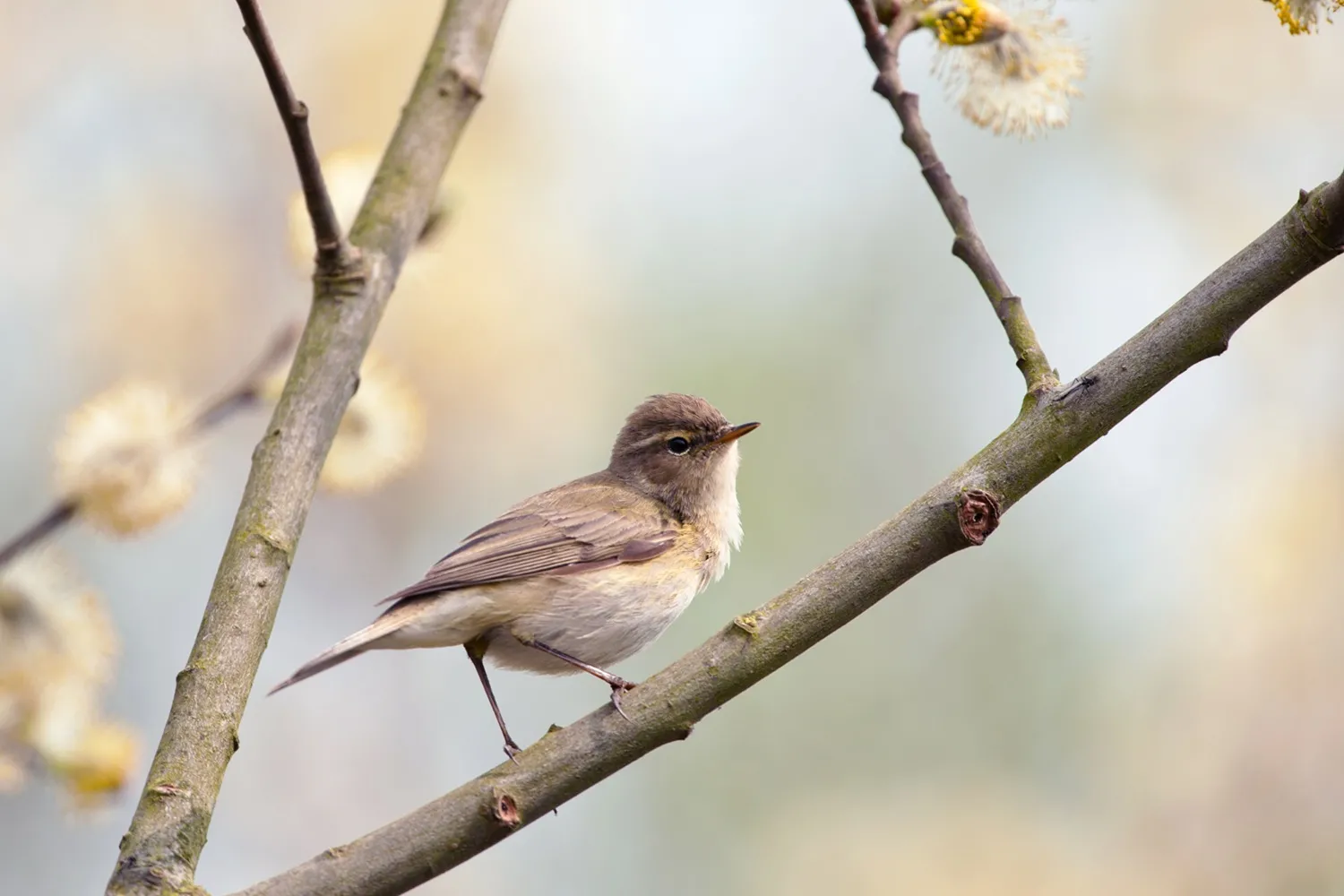
Published today, the latest BTO/JNCC/RSPB Breeding Bird Survey (BBS) Report shows continued declines for Scotland’s Swifts, Curlews and Kestrels. This press release is specific to Scotland. Alternatively, view the press release for: UK Wales Northern Ireland The report reveals good news for Willow Warbler, a summer visitor that is on the up in Scotland, bucking the UK-wide trend of major declines. Cuckoos and Chiffchaffs too are doing well in Scotland. BBS is the main scheme for monitoring the population changes of the UK’s common and widespread breeding birds, producing population trends for 75 species in Scotland. During the breeding season, birds are at their busiest and wherever we may live, there will be a nest not too far away. Whether it is a Blackbird in the park or a Mallard with ducklings on the canal, many of us can witness the frenzied activity that this season brings. For many birdwatchers, however, this is not just a time to casually observe these annual rituals - it signifies a period of dedicated, systematic information gathering which can help shape conservation outcomes. For 30 years, a total of nearly 9,000 enthusiasts have been contributing essential data to the Breeding Bird Survey (BBS), one of the UK’s longest-standing citizen science initiatives. The BBS is a partnership project organised by the British Trust for Ornithology (BTO), the Joint Nature Conservation Committee (JNCC) and the Royal Society for the Protection of Birds (RSPB). With around 400 volunteers taking part each spring and summer, Scotland’s birders have collectively provided approximately 660,000 records since BBS was launched, allowing scientists to identify any notable changes in the status of our breeding birds. At least four of these keen-eyed contributors have been submitting their observations from Scotland for the entire three decades that the survey has been running. The BBS, following on from its predecessor, the Common Birds Census, gathers information from across the UK and helps paint a clear picture of just how well, or not, the UK’s and Scotland’s common and widespread land-based birds are faring. By analysing the collected data, scientists can see that while some birds such as Goldfinch, Great Spotted Woodpecker and Long-tailed Tit are faring reasonably well in Scotland, others including Swift, Curlew, Greenfinch, Lapwing and Kestrel are in steep decline. The reasons for these population changes are varied and the survey data allow scientists to investigate the potential causes for each species. Since the start of BBS, the data have shown that, in Scotland alone, Swifts have suffered significant declines of 60% since 1995 while Swallow numbers have dropped by a third in the last ten years, similar to what is seen in the rest of the UK. For birds such as these, which rely heavily on aerial insects, any decline in these invertebrates means that there is simply less food for adult birds and their growing chicks. A reduction of breeding sites can be mitigated by the provision of artificial nesting sites, but the issue of finding a diminishing food source is much more difficult to resolve. These birds are not alone; of the 75 species monitored by BBS in Scotland, 16 have decreased since 1995. However, 23 species are on the increase in Scotland, including a number of woodland birds such as Willow Warbler, Garden Warbler and Tree Pipit, as well as Cuckoo, and which are faring less well south of the border. Understanding what drives these differences will be a major conservation focus for the coming years. Starling numbers in Scotland have dropped by almost a third since the survey began, though there is some good news as three species of warbler are doing well in Scotland with Chiffchaff having increased by 1,089%, Blackcap by 679% and Whitethroat by 121% since the start of the survey. Dr James Heywood, BBS National Organiser, said: “Without the dedication of Scotland’s BBS surveyors, we would not be able to see the changing fortunes of bird populations north of the border, and with it look to identify causes and potential solutions. This report, with an additional five trends, highlights the dedication of our volunteers – with greater coverage, scientists can produce more and more robust trends. Given that Scotland poses some of the greatest challenges to volunteers in terms of remoteness and terrain, their efforts are to be especially celebrated.” Dr Paul Walton, Head of Habitats and Species, RSPB Scotland said: “The BBS provides a truly vital assessment of our common and widespread terrestrial breeding birds. The results from the incredible BBS Surveyor volunteers, taken alongside dedicated surveys of seabirds and our rarer, more localised species, give wild bird conservation in Scotland its essential evidence base. In a rapidly changing world, the importance of this work cannot be overstated. The increases in species like Great Spotted Woodpeckers and Goldfinches will be delighting and enriching the lives of many thousands of people across Scotland, and I am one. The plight of our Curlews, Lapwings and Swifts clearly signals the need for renewed vision and determination for nature conservation across Scotland.”
15-05-2024
Breeding Bird Survey celebrates 30 years of citizen science in Wales
Published today, the latest BTO/JNCC/RSPB Breeding Bird Survey (BBS) Report looks at the fortunes of our bird populations in Wales and across the UK, and celebrates the Pearl Anniversary of a pioneering volunteer-led national study. This press release is specific to Wales. Alternatively, view the press release for: UK Northern Ireland Scotland The report reveals that birds such as Goldfinch, Great Spotted Woodpecker and Red Kite are on the up in Wales. Meanwhile, numbers of Swift, Greenfinch and Yellowhammer are all falling while Welsh Curlews continue to decline at a faster rate than elsewhere in the UK. BBS is the main scheme for monitoring the population changes of the UK's common and widespread breeding birds, producing population trends for 60 species in Wales. During the breeding season, birds are at their busiest and wherever we may live, there will be a nest not too far away. Whether it is a Blackbird in the park or a Mallard with ducklings on the local canal, many of us can witness the frenzied activity that this season brings. For many birdwatchers, however, this is not just a time to casually observe these annual rituals – it signifies a period of dedicated, systematic information gathering which can help shape conservation outcomes. For 30 years, a total of 9,000 enthusiasts have been contributing essential data to the Breeding Bird Survey (BBS), one of the UK’s longest-standing citizen science initiatives. The BBS is a partnership project organised by the British Trust for Ornithology (BTO), the Joint Nature Conservation Committee (JNCC) and the Royal Society for the Protection of Birds (RSPB). With around 200 volunteers taking part throughout Wales each spring and summer, collectively the country’s birders have provided over half a million records since BBS was launched in 1994, allowing scientists to assess any notable changes. Four of these keen-eyed contributors have been submitting their observations for the entire three decades that the survey has been running. The BBS, following on from its predecessor the Common Birds Census, gathers information from across the UK and helps paint a clear picture of just how well, or not, the UK’s and Wales’s common and widespread birds are faring. By analysing the collected data, scientists can see that while some birds such as Goldfinch, Stonechat, Great Spotted Woodpecker and Red Kite are faring well in Wales, others, including Swift, Curlew, Greenfinch and Yellowhammer are in steep decline. Curlews are declining across the UK, but the fastest rate of those declines is in Wales. The reasons for these population changes are varied and the survey data allow scientists to investigate the potential drivers of change for each species. In Wales, woodland and farmland species in particular are struggling. Birds that have a high proportion of their UK population in Wales, such as Pied Flycatcher and Wood Warbler, are not recorded widely enough for Welsh population trends to be published with confidence. Increasing coverage for these woodland species will be a focus in the coming years. Since the start of BBS, the data have shown that Swifts across Wales have suffered significant declines of 76% since 1995 while House Martin numbers have dropped by more than half in the last ten years. For birds such as these, which rely heavily on aerial insects, any decline in these invertebrates means that there is simply less food for adult birds and their growing chicks. A reduction of breeding sites can be mitigated by the provision of artificial nesting sites, but the issue of finding a diminishing food source is much more difficult to resolve. These birds are not alone; of the 60 species monitored by BBS in Wales, almost a third have decreased since 1995. The species with the greatest decline is Greenfinch, which has seen its numbers plummet by a staggering 79%, mostly in just a 10-year period. Red Kite is the native bird with the greatest increase, and now breeds in most counties in Wales having recovered from a tiny population in the 1930s. Greatest declines and increases across Wales between 1995 and 2022Losses% loss (1995-2023) Gains% gain (1995-2023) Greenfinch-79 Canada Goose+596 Curlew-77 Red Kite+522 Swift-76 Stonechat+360 Yellowhammer-76 Great Spotted Woodpecker+231 Starling-66 Blackcap+183 Dr James Heywood, BBS National Organiser, said, “Wales is the most important part of the UK for some of our most threatened woodland birds. Whilst we can produce trends for these species at the UK level, we currently cannot for Wales, which has an impact on the quality of decision-making. Increasing coverage in Wales is a big focus for the scheme, in order for BBS to continue to support conservation in Wales for the long term. We extend our sincere thanks to all BBS volunteers in Wales for their dedication, particularly those who have been in it for the long haul.” Julian Hughes, Head of Species, RSPB Cymru, said, “I love visiting my two survey squares each spring to undertake the count, knowing that it helps to assess long-term changes across Wales. It’s sobering that almost a third of the well-monitored species have declined since I started my BBS counts, and so have many others that are not so well-monitored. The Nature and Climate Emergency is deepening, especially for birds such as Curlew and Yellowhammer that have already gone from many parts of Wales, and this must be a clarion call for changes to bring them back from the brink.”
15-05-2024
Breeding Bird Survey celebrates 30 years of citizen science in Northern Ireland
Published today, the latest BTO/JNCC/RSPB Breeding Bird Survey (BBS) Report looks at the fortunes of our bird populations in Northern Ireland and across the UK, and celebrates the Pearl Anniversary of a pioneering volunteer-led national study. This press release is specific to Northern Ireland. Alternatively, view the press release for: UK Wales ScotlandThe report shows continued increases for such species as Goldfinch and Buzzard in Northern Ireland while also revealing continued severe declines for other birds, including Skylark and Swallow. BBS is the main scheme for monitoring the population changes of the UK’s common and widespread breeding birds, producing population trends for 38 species in Northern Ireland. During the breeding season, birds are at their busiest and wherever we may live, there will be a nest not too far away. Whether it is a Blackbird in the park or a Mallard with ducklings on the local canal, many of us can witness the frenzied activity that this season brings. For some birdwatchers, however, this is not just a time to casually observe these annual rituals, but it signifies a period of dedicated information gathering. And for 30 years, a total of nearly 9,000 skilled enthusiasts have been contributing essential data to the Breeding Bird Survey (BBS), one of the UK’s longest-running citizen science initiatives. The BBS is a partnership project organised by the British Trust for Ornithology (BTO), the Joint Nature Conservation Committee (JNCC) and the Royal Society for the Protection of Birds (RSPB). With dedicated volunteers taking part each spring and summer, Northern Ireland’s birders have provided almost a quarter of a million records since the BBS was launched in 1994, allowing scientists to identify any notable changes in the status of our breeding birds. In an effort to better understand shifts in the populations of birds across Northern Ireland, BTO is seeking more volunteers to help gather this vital information. Birdwatchers are being asked to sign up to help provide the essential information that will help paint a more accurate picture of the country’s avian landscape. The BBS gathers information from across the UK and helps provide details of just how well, or not, the UK’s birds are faring. By analysing the collected data, scientists can see that while some birds such as Goldfinch, Buzzard and Blackcap are doing well in Northern Ireland, others including Skylark, Swallow and Chaffinch are in steep decline. The reasons for these population changes are varied and the survey data allow scientists to investigate the potential drivers for change for each species. Since the start of BBS, the data have shown that Blackcap, a migratory warbler that visits in the summer, has increased in Northern Ireland by a staggering 1795% while once common birds such as Greenfinch have declined by more than 80%. Of the 38 common and widespread species monitored by BBS in Northern Ireland, two – Skylark and Greenfinch – have decreased significantly since 1995. Greatest declines and increases across Northern Ireland between 1995 and 2022 (unless otherwise stated). Losses% lossGains% gainGreenfinch-81Blackcap+1,795Skylark-38Buzzard+1,169Linnet-35 (2002 – 2022)Goldfinch+565 Dr Jemma Davies, Engagement Coordinator for BTO Northern Ireland, said: “We often find ourselves saying that the work of BTO wouldn't be possible without the volunteers who generously give of their time and skills to help us collect data. We send a massive thank you to all those who have contributed to us getting a clearer picture of what's been happening with Northern Ireland's breeding birds over the years. As we look ahead to the coming breeding season there are lots of opportunities to get involved with BTO NI and we would be delighted to have even more people in our corner as we continue to learn more about our breeding birds." Dr James Heywood, BBS National Organiser, said: “The sheer volume of information that allows us to see the highs and lows of our breeding birds is all volunteer gathered. Without the dedication of the UK’s BBS surveyors, we would not be able to see the changing fortunes of our bird populations, and with it look to identify causes and potential solutions. Northern Ireland is of real importance to some of the UK’s breeding birds and, in some cases, such as House Martin, some species are doing better in Northern Ireland than in Britain. However, our ability to monitor Northern Ireland’s birds has always been constrained by the difficulties of coverage, particularly in the west. For the 2023 to 2027 breeding seasons, we are very grateful to the DAERA Environment Fund for providing funding for a programme of work to help boost volunteer numbers for systematic bird recording schemes in Northern Ireland, including BBS.” Anne-Marie McDevitt, Head of Species, RSPB Northern Ireland, said: “The BBS is a hugely important barometer of how our wild birds are faring, whether these are resident species like Dunnock or long-distance migrants such as the Swallow. Species can fluctuate naturally due to weather conditions but when we start to see long-term declines, we know something is wrong. The BBS is an essential tool for our conservation work, picking up declines at an early stage and helping us focus our conservation efforts on species that need it most. We are hugely grateful to all those who have volunteered their time over the last 30 years and ask that anyone interested in taking part contact BTO”.
15-05-2024