Throughout the year we send out press and media releases to individuals and organisations who have signed up to receive these. This page holds details of the press releases posted over the past two years. For press and media enquiries, please email press@bto.org.
Avian Flu experts urge beachgoers to report dead birds
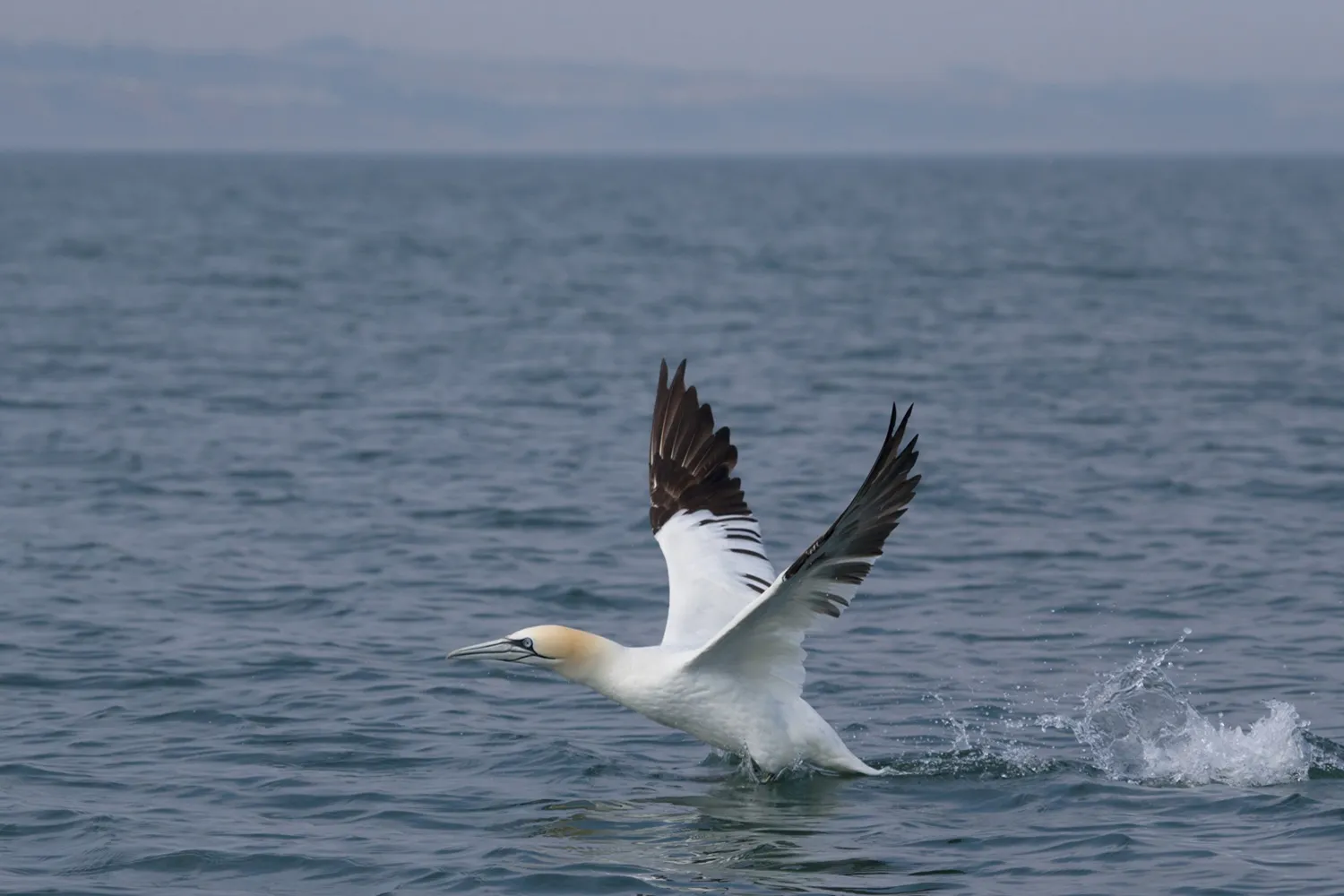
Thousands of threatened seabirds suspected to have died from Avian Influenza are once again washing up on UK beaches. Members of the public are urged to report all dead birds to BirdTrack and to Defra (or DAERA in Northern Ireland). This unprecedented outbreak of Avian Influenza began in 2021 and has had a devastating impact on birds in the UK and beyond. Hopes have been dashed that this summer’s wave of Avian Influenza might be less severe than in 2022, say researchers from the British Trust for Ornithology (BTO). The disease is once again having a devastating impact, with threatened seabirds washing up on beaches across the UK. Experts are calling for the public to report all dead birds to BirdTrack and Defra in Great Britain and DAERA in Northern Ireland to help them understand more about the disease’s spread. Birds are dying from suspected cases of the Avian Influenza the length and breadth of the UK. Recent weeks have seen hundreds of dead Guillemots washed up on beaches in Wales and thousands of terns and gulls – including Kittiwakes, which were already on the UK Birds on Conservation Concern Red List because of population declines before avian influenza hit, dead at colonies in eastern Scotland and England. Black-headed Gulls remain the worst affected birds in Northern Ireland. Just last week, NatureScot recorded 1,443 Guillemots, 1,570 Kittiwakes and 236 Herring Gulls suspected to have died from Avian Influenza, but the true scale of the losses will not be clear for some time. Earlier in the season, major outbreaks of Avian Influenza were mostly restricted to inland colonies of Black-headed Gulls, though the disease quickly spread to the coast and into colonies of Common Terns. Many thousands of each species are now known to have been killed. Reports suggest that as many as 20,000 Black-headed Gulls (adults and young) may have died at one Lancashire site alone. More than 10% of the total UK breeding population may have been lost. This unprecedented UK outbreak of Avian Influenza began in 2021. Estimates of the total number of birds killed vary but more than 70 species are known to have been affected. Many colonies are being hit this year for the first time; others, sadly, are experiencing a second summer of disease. Alongside the annual surveillance of some seabird colonies through the BTO/JNCC Seabird Monitoring Programme, there is additional work underway this year to assess the situation of species, such as Great Skua and Gannet, that were worst hit last year but are not usually monitored annually. All dead and sick birds of any species should be reported to BirdTrack and to Defra/DAERA. BirdTrack allows researchers to follow the geographical spread of Avian Influenza and rapidly assess its potential impact. Defra/DAERA will decide whether to collect the dead birds and test them for the disease. Members of the public are reminded not to touch dead or sick birds and to keep dogs on leads to prevent the further spread of disease. BTO Head of Surveys, Dawn Balmer, said: “As our beaches get busier over the summer holidays, do look out for dead birds, report them and keep your dogs on leads and away from carcasses. It’s devastating to see the impact of Avian Influenza again this year. You can help us monitor the situation by continuing to report dead birds to Defra (GB) and DAERA (NI), and also to BirdTrack.” RSPB Senior Policy Officer for Highly Pathogenic Avian Influenza, Claire Smith, said: “It’s heart-breaking to see Avian Influenza sweep through seabirds again this year. The disease is one of several threats impacting the UK’s internationally important seabird populations. These long-lived and slow-breeding birds cannot simply bounce back. We need to do all we can to remove other human-induced pressures, such as by reducing bycatch and closing sandeel fisheries. We must also carefully consider the location of coastal developments and step up measures to tackle climate change.” Natural England Principal Advisor for Highly Pathogenic Avian Influenza, Nik Ward, said: “Avian Influenza has again had a big impact on many of our important seabird colonies in England affecting chicks and adults in different proportions. Future monitoring will be crucial for assessing the lasting effects of these mortality events.”
26-07-2023
Thetford-based national bird charity celebrates big birthday
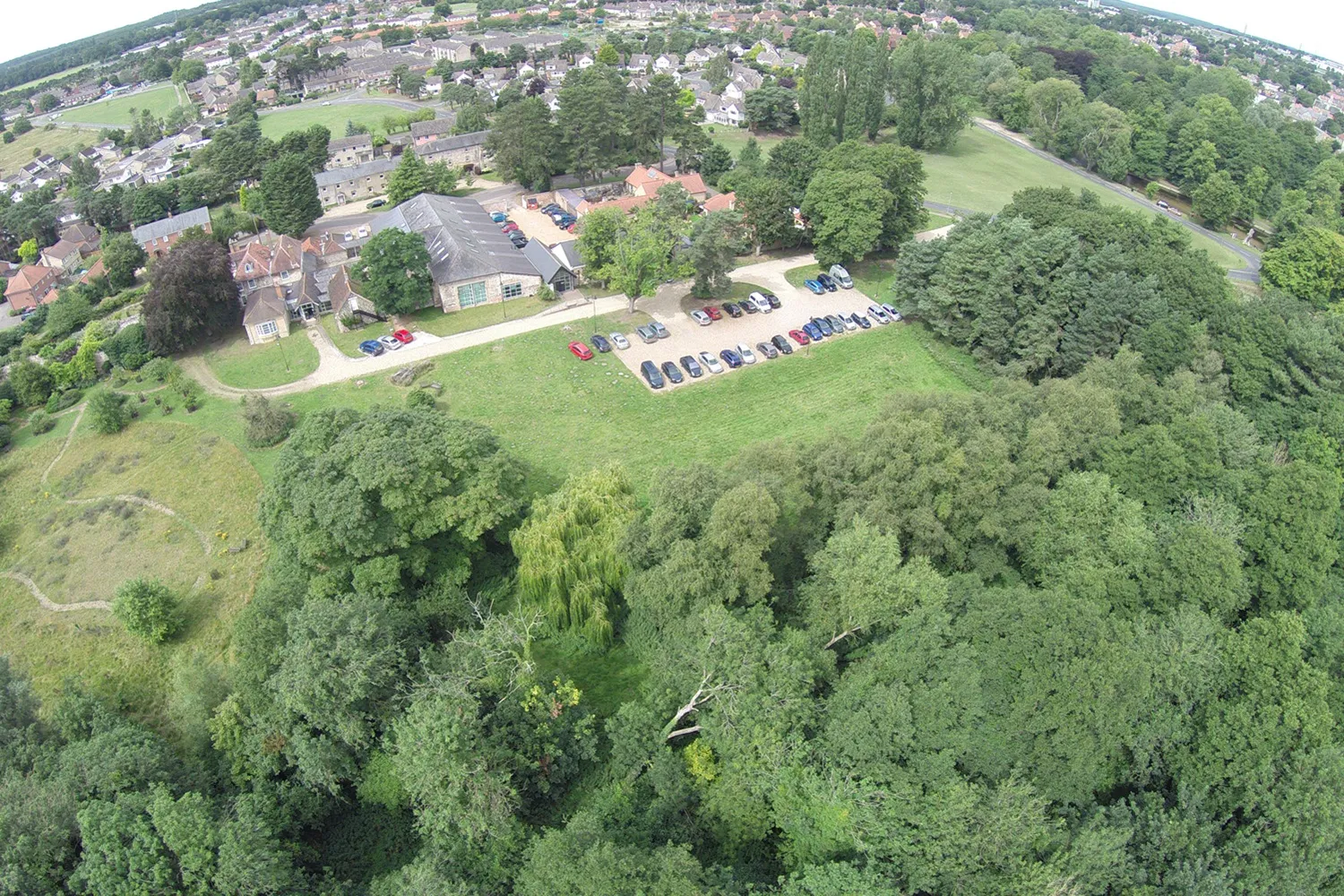
Members and supporters of the British Trust for Ornithology (BTO) came together this weekend to celebrate the leading bird research and monitoring charity’s 90th birthday at its headquarters in Thetford, Norfolk. BTO president and BBC Security Correspondent Frank Gardner joined BTO Chief Executive Professor Juliet Vickery, staff from across the organisation and around 200 guests – many of whom have made huge contributions to its work as volunteers – on Saturday 1 July. Visitors enjoyed a day of talks, guided walks and lots of birthday cake, 90 years to the day since a letter in The Times called for people to support establishing a new organisation to monitor UK bird populations. Staff from the organisation presented updates on its vital conservation work and helped to showcase the varied wildlife of the BTO Nunnery Lakes reserve. Visitors enjoyed talking to like-minded people from across the UK and seeing a variety of species up close at bird ringing and moth trapping demonstrations. On hand to help cut the BTO’s birthday cake was longstanding BTO member Rose Newsom, also celebrating her 90th birthday this year. At the other end of the spectrum, members of the BTO Youth Advisory Panel spoke about their work to engage more young people with birds and conservation. BTO has been based in Thetford since 1991, when it moved to its current home at The Nunnery, just outside the town centre. BTO Chief Executive Professor Juliet Vickery said, “We were delighted to celebrate our 90th birthday with so many of our wonderful supporters. It’s thanks to their dedication and expertise that we have such an extraordinary understanding of the UK’s birds. Together, we will continue to play a vital role in conserving our birds and other wildlife for other generations to enjoy.”
04-07-2023
Scientists discover why Cuckoos’ clocks can’t adjust to climate change
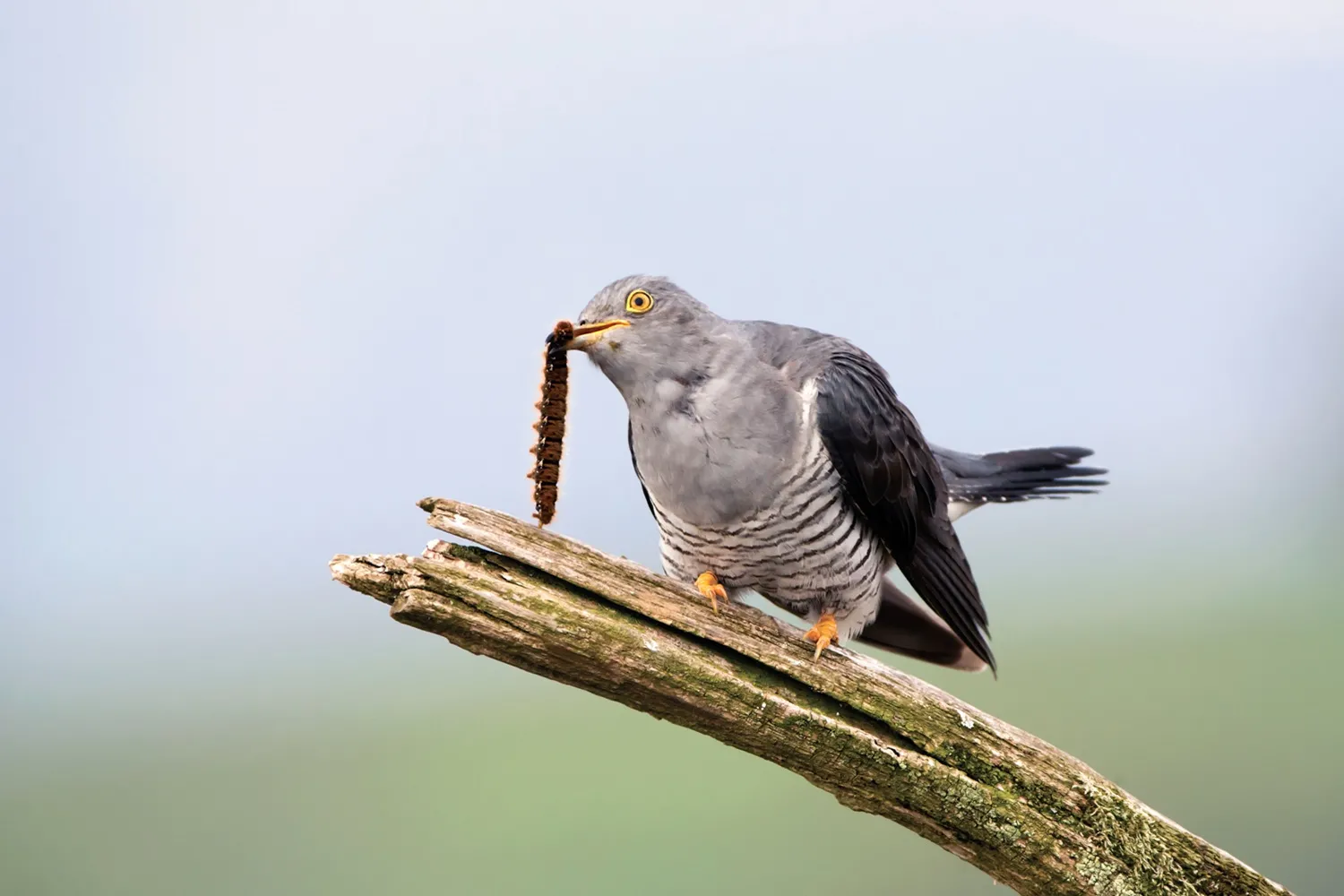
Spring is arriving earlier each year but Cuckoos are unable to shift the timings of their annual migration in response. New research by scientists from the British Trust for Ornithology (BTO) shows that Cuckoos must wait for the arrival of the west African spring rains, the timing of which have remained constant, before they can cross the Sahara. This means Cuckoos may arrive on their European breeding grounds out of sync with the peak availability of their invertebrate prey and the breeding ecology of their host species. Unlike most other species of bird that breed in Europe but spend the winter in sub-Saharan Africa, Cuckoos have not brought forward their arrival in the UK in response to climate change. Previous research has shown a link between migratory birds with fixed arrival dates and more severe population declines. Now, scientists from the BTO have used data from the long-running BTO Cuckoo Tracking Project to reveal why the birds are unable to change the timing of their arrival. The new research, published today in the journal Proceedings of the Royal Society B, also shows the possible impact this could have on birds from the struggling UK population. Cuckoos migrating to the UK leave their wintering grounds in the rainforests of central Africa in late February and spend a month or so fattening up in west Africa ahead of their arduous non-stop Sahara crossing. Data from 87 Cuckoos BTO scientists have tagged since 2011 show that the birds must wait here for the explosion in invertebrate numbers brought each year by the arrival of the spring rains. Although the timing of that annual event remains unchanged, spring is arriving earlier in Europe, leading to a potential mis-match between the Cuckoos’ arrival, the peak availability of the caterpillars they rely on for food and the breeding cycles of the host species they parasitise. Species that are unable to shift the timing of their arrival on their breeding grounds are known to be declining more quickly than those that can. However, the reasons for this have so far remained unknown, with reduced breeding success appearing to play a surprisingly unimportant role. The results of this new study suggest that Cuckoos are exposed to a greater risk of death as they race to arrive back on their breeding grounds in time. This increased mortality could be one mechanism through which populations are impacted. The results also suggest that providing better quality habitat at strategic locations along Cuckoo migration routes might help the birds complete their epic journeys in a more timely and less energetically costly way, helping them adapt to our changing climate. Dr Chris Hewson, BTO Cuckoo Tracking Project lead scientist, said, It’s fantastic to have this new insight into what determines the spring arrival of our Cuckoos, 12 years after the tracking project first allowed us to follow their return from central Africa. Many other species are thought to be able to bring forward their arrival by adjusting their internal clocks to leave their wintering grounds sooner – but this doesn’t appear to be an option for the UK Cuckoo population. Understanding why these are not arriving back earlier – and the possible costs that individual Cuckoos pay for trying to do so – will help us to best direct efforts of flyway restoration that may allow them to make their migrations in a more timely and successful fashion.
20-06-2023
New wave of bird flu rips through threatened gull and tern colonies
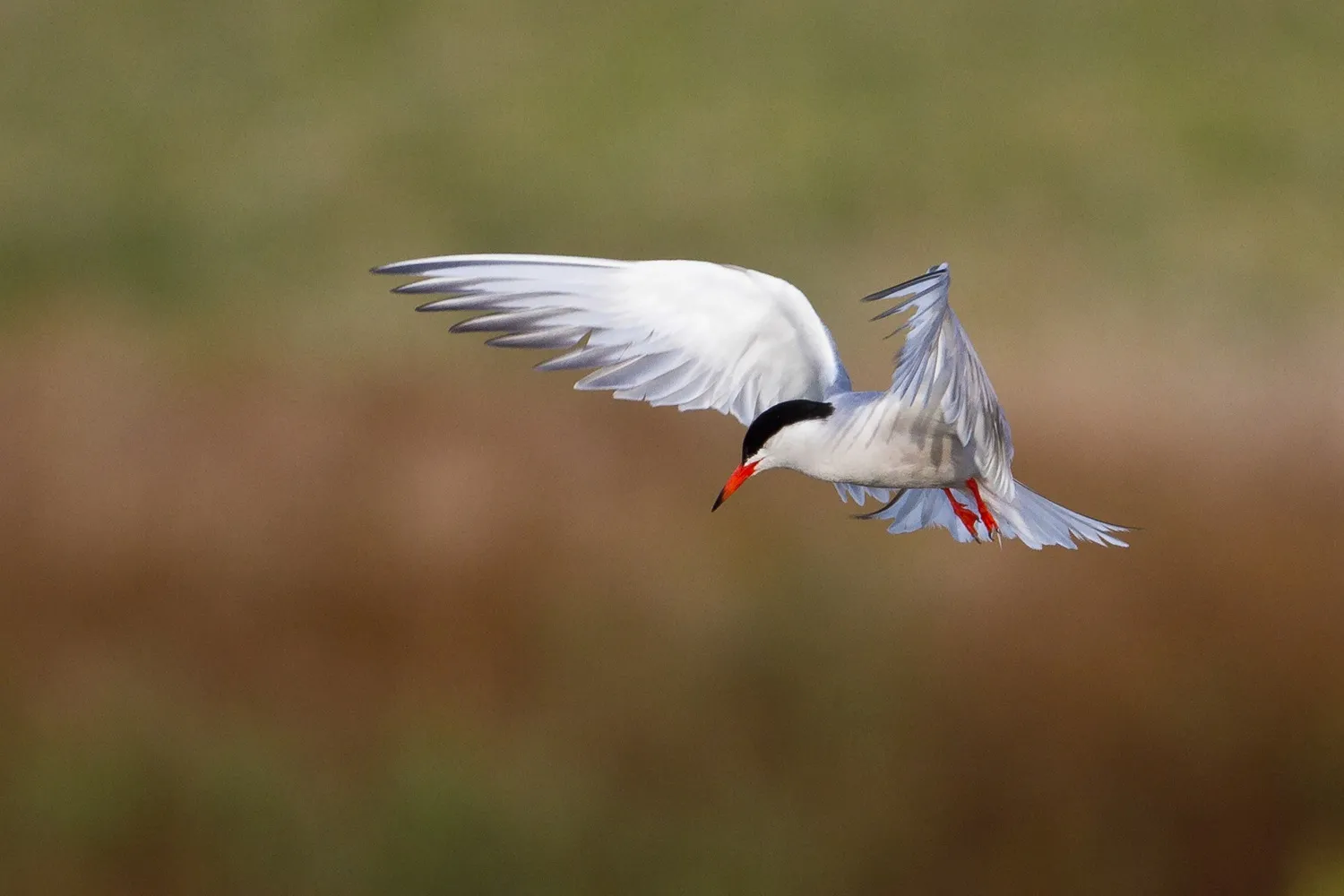
The recent spread of Avian Influenza among threatened gulls and terns is gathering pace, say experts from the British Trust for Ornithology (BTO). At least 10,000 Black-headed Gulls, 4% of the total UK population, are feared to have died since the end of March. Hundreds of Common Terns have also died, with signs of severe losses for this species still to come. BTO researchers want members of the public to help track the spread of Avian Influenza by reporting all dead birds through both the BirdTrack app and to Defra. In Northern Ireland, dead birds should be reported both through BirdTrack and DAERA. Black-headed Gull mortalities from suspected Avian Influenza have more than doubled in the past month, with reports indicating that the new wave has spread across England and into Northern Ireland. Since the beginning of June, more than 200 Black-headed Gulls and a number of Common Terns are thought to have died from Avian Influenza at RSPB Window on Wildlife at Belfast harbour. The reserve has been temporarily closed to the public. Black-headed Gulls often nest alongside other colonial birds, including Common Terns, with this species now also impacted at sites from Norfolk to County Antrim. 40% of the 800 breeding Common Terns at Shotton Steelworks in North Wales are thought to have died from Avian Influenza, along with half of the 400 that breed at nearby Seaforth Nature Reserve. Both Black-headed Gull and Common Tern feature on the Amber List of Birds of Conservation Concern. The long-term impact of Avian Influenza on these threatened populations will not be known for some time yet. Although only a relatively small number of dead birds are tested for Avian Influenza, current sampling suggests very large numbers of Black-headed Gulls are already affected. All dead and sick birds of any species should be reported to BirdTrack, which allows researchers to follow the disease’s geographical spread and rapidly assess potential impacts on populations, and to Defra/DAERA, so that if needed, dead birds can be collected for testing. Members of the public are reminded not to touch dead or sick birds and to keep dogs on leads to prevent the further spread of disease. Professor James Pearce-Higgins, BTO Director of Science, said, “The spread of Avian Influenza through these inland breeding colonies of Black-headed Gulls and Common Terns is continuing. It represents the next phase of the battle against this virus that devastated so many of our coastal and offshore seabird colonies last year. We are only able to track the spread of Avian Influenza with the help of birdwatchers who submit their sightings to BirdTrack and Defra/DAERA, supporting the efforts of site managers and reserve wardens.” Dawn Balmer, BTO Head of Surveys, said, “Thank you to everyone who has submitted records of dead birds to BirdTrack which allows us to monitor the spread of Avian Influenza, and also to Defra/DAERA, which may collect the birds for testing. Black-headed Gulls breeding at upland reservoirs appear to be badly affected at the moment, so we urge birdwatchers to check out breeding sites they may know of and report any deaths.” Peter Coffey, Merseyside Ringing Group volunteer, said, “It is devastating to see Avian Influenza affect so many Black-headed Gulls and Common Terns at Shotton Steelworks, an important location for both species. Over a third of our adult Common Terns have already died.”
14-06-2023
And they’re off! 2023’s Cuckoos are tagged and ready to go
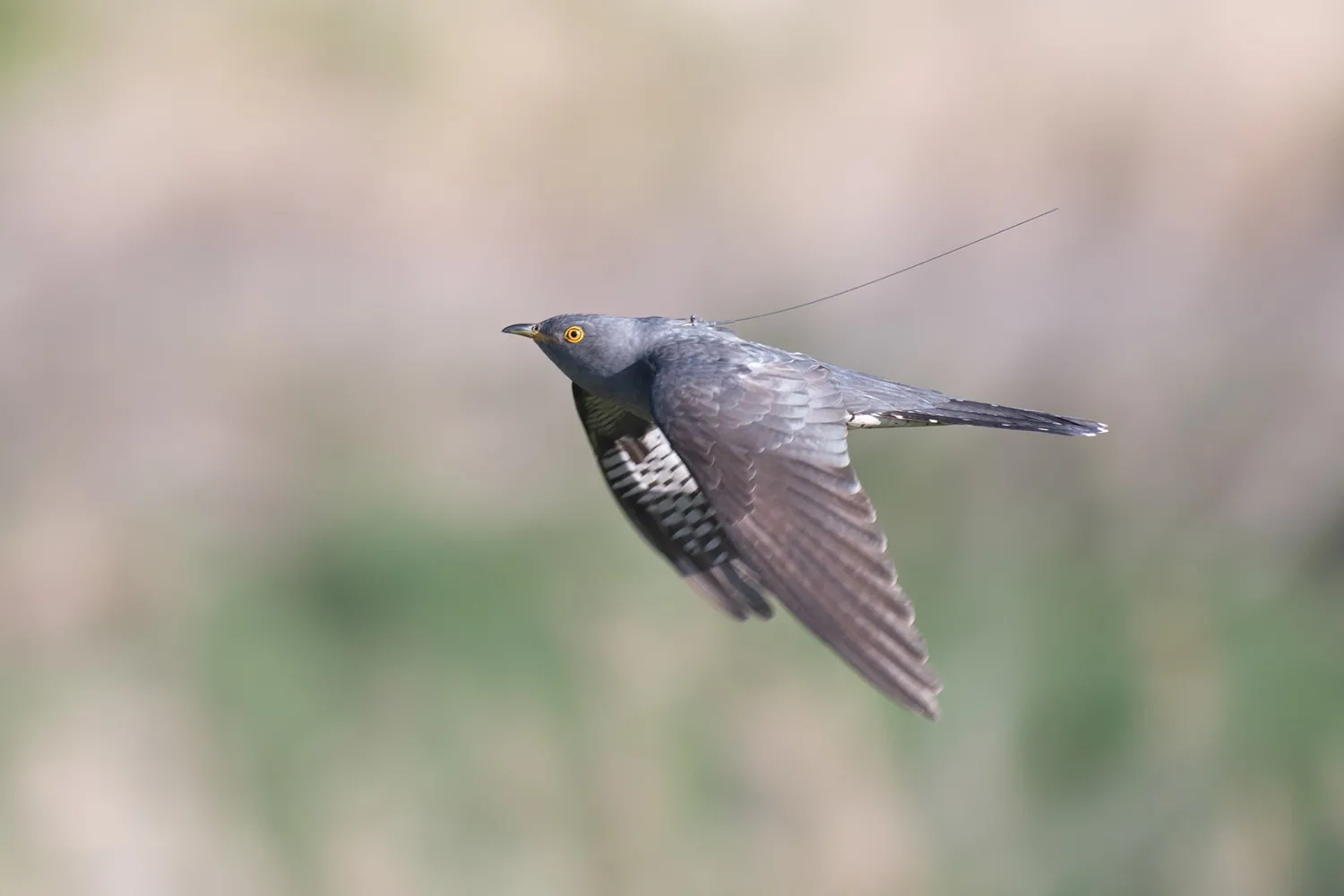
The British Trust for Ornithology (BTO) has fitted 10 more Cuckoos with state-of-the-art satellite tags, allowing scientists and the general public to track their annual migration to central Africa and back. The UK has lost more than a third of its Cuckoos in the past 25 years but the full reasons why are still unclear. Following these birds on migration will help researchers understand the pressures they face. Irish Cuckoos have been included in the project this year for the first time, as part of a collaboration between BTO and Ireland’s National Parks & Wildlife Service. Ireland’s Cuckoo population has declined by 27% since the early 1980s. Since it began in 2011, the BTO Cuckoo Tracking Project has tagged more than 100 Cuckoos. Its work has revealed that English Cuckoos migrate more often via routes associated with higher mortality than Scottish Cuckoos do. This is the first year that the project has tagged Cuckoos in Ireland, which will reveal for the first time the routes that these birds take. The differences in survival rates are linked to the conditions the birds encounter at the sites in southern Europe where they stop to refuel. The availability of large insect prey on their breeding grounds in the UK and Ireland may also impact their ability to successfully complete their migration south. Four Cuckoos were tagged in Ireland: ‘Cuach Carran’ in Burren National Park in County Clare; and ‘Cuach Cores’, ‘Cuach Torc’, and ‘KP’ near Incheens in Killarney National Park, County Kerry. In England, ‘George' and 'Michael' were tagged at Loddon Common in the Norfolk Broads, ‘Jasper’ was tagged in King’s Forest, Suffolk and ‘Trent’ was tagged at Ryall, Worcestershire. Researchers got a surprise at Knepp, Sussex, when they caught a bird they had tagged the previous year but who was presumed to have died. ‘Bluey’, as this bird was named, was fitted with a new tag alongside a new bird, ‘Sayaan’, bringing the total number of new tags deployed to 10. Anyone can follow the BTO Cuckoos on our Cuckoo migration map The next stages of the birds’ lives are not for the faint-hearted. After heading out across the English Channel and south through Europe, the Cuckoos have a Mediterranean Sea crossing to contend with before they face the Sahara, the biggest challenge of them all. Most traverse the desert in a single non-stop flight, travelling at altitudes of up to 5 km to avoid the worst of the heat. Every tagged Cuckoo provides us with invaluable data, improving our understanding of this extraordinary species and increasing the chances of developing effective conservation measures to reverse its fortunes. Dr Chris Hewson, lead scientist on the project, said, “It’s fantastic to see 10 more Cuckoos heading off with satellite tags newly fitted. These birds will help us to better understand the pressures they face, the reasons for the population declines they are undergoing in large parts of the UK and how we can help them to successfully complete their arduous migrations in the rapidly changing world we share. It’s especially exciting to see birds from Ireland tagged for the first time - we’re looking forward to learning about the migrations of these Cuckoos from the western extremity of the species’ breeding range.” Malcolm Noonan, Irish Minister of State for Heritage, said, “I am delighted that the National Parks & Wildlife Service has teamed up with BTO for this project. It will be very interesting to see the results over time. Last weekend we saw one of the birds move away from Killarney National Park towards Tipperary, and another shoot across the east Cork coast before double-backing to Limerick. It will be fantastic to get a full picture of the Cuckoos’ movements at home here in Ireland, when they migrate and, hopefully, when they return to our shores next year.”
07-06-2023