Throughout the year we send out press and media releases to individuals and organisations who have signed up to receive these. This page holds details of the press releases posted over the past two years. For press and media enquiries, please email press@bto.org.
Evidence suggests that protected areas should be extended.
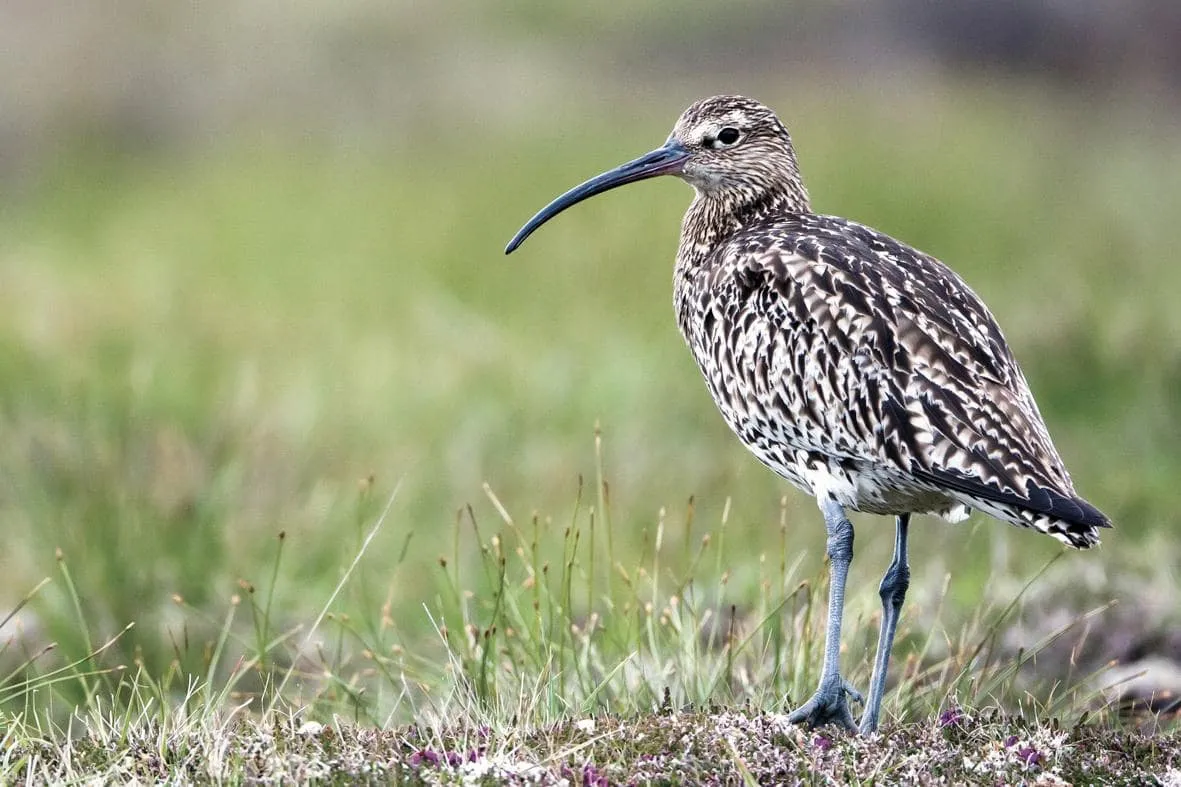
A new study, involving BTO and the Wash Wader Research Group, has highlighted the importance of agricultural fields adjacent to The Wash for wintering Curlews. These sites, which fall outside of the current protected areas, were particularly important for the shorter-billed males. With pressures on land around The Wash for development, the current lack of conservation protection on these sites is a concern. Ongoing declines have been reported for many of our wader species, and there is an urgent need to both understand the reasons for these declines and assess the effectiveness of any associated conservation action. Intertidal habitats are often well-used by waders outside the breeding season, but some species also make use of other adjacent habitats during this period, including agricultural fields. Understanding the importance of these non-tidal habitats for waders is crucial, especially as such land is rarely included within the protected areas designated for these species. A new study, just published in the journal Wader Study, highlights the importance of agricultural land adjacent to The Wash in eastern England, for wintering Curlews. The Curlew has been described as our highest conservation priority and is a Red-listed species of conservation concern because of its rapidly declining numbers. Information on the winter-feeding distribution of Curlews was collated from resightings of individually colour-marked birds, caught and ringed at sites around The Wash by the Wash Wader Research Group. The sex of individual birds was determined from measurements taken in the field, and this provided an opportunity to establish if males and females differed in their use of the available habitats. Colour-marked Curlews were regularly observed feeding on agricultural fields adjacent to The Wash. Importantly, those Curlews seen feeding in fields were significantly more likely to be male and those on the estuary more likely to be female. Although there is a small degree of overlap, female Curlews have longer bills than males. The difference in habitat use evident in the resighting data probably reflects the fact that the longer-billed females can access more intertidal worms and are more efficient feeders when probing. Shorter-billed individuals may be better suited to feeding in the denser substrate typical of agricultural fields, and they may also struggle to find sufficient prey when using intertidal areas. Rob Robinson, BTO Associate Director and one of the authors of the study, said, “That inland fields are used by increasing numbers of Curlews, particularly males, through the winter months has implications for existing conservation approaches. The Wash is protected by various national and international designations, but these relate primarily to the intertidal habitats; the inland fields are not protected and are subject to pressure on land for development. Should these inland feeding sites be lost this is likely to affect males (particularly those with the shortest bills) disproportionately, which may have implications for the wider Curlew population.” Jacquie Clark, Wash Wader Research Group and one of the authors of the study, said, “The study’s findings, that fields adjacent to The Wash are important to wintering Curlews, suggests that serious consideration should be given to extending the area around The Wash receiving protection. Without this, there is a risk that these important sites will be lost to development, to the detriment of a species whose populations are already under significant pressure.”
04-01-2024
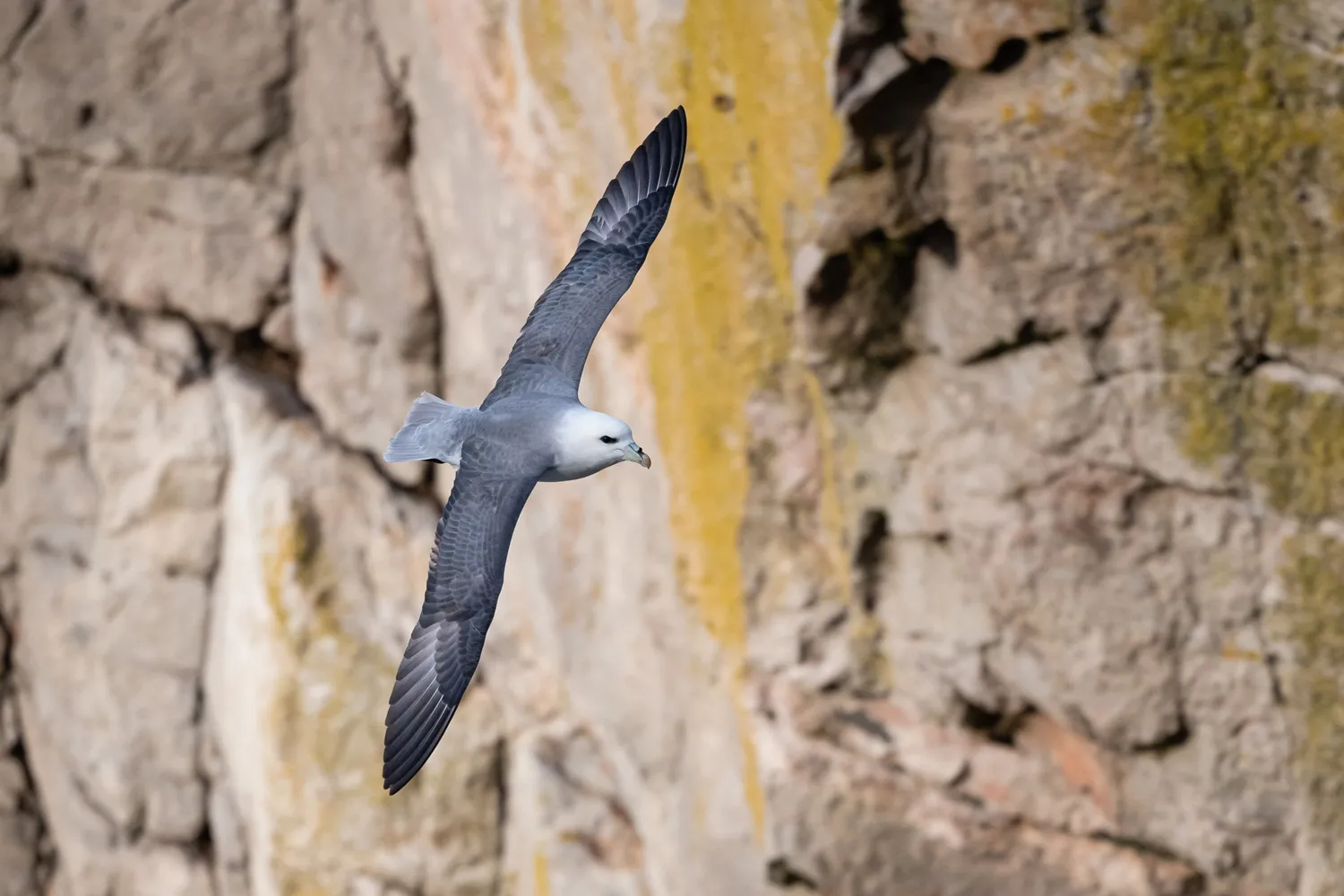
Declining seabirds on a cliff edge
Globally important seabird colonies have suffered catastrophic impacts of avian influenza over the last two years. Now, newly published research led by the British Trust for Ornithology (BTO) suggests that the majority of seabird species in Britain and Ireland are also likely to suffer long-term impacts from climate change that may even surpass these recent losses. The study, published today in the journal Marine Ecology Progress Series, projects that under a scenario of 2°C warming by 2050, some species such as Puffin, Fulmar and Arctic Tern could see population declines of more than 70% compared to their numbers at the turn of the millennium. The results suggest that marine specialist species, including terns, auks and petrels, are at greater risk than more generalist and adaptable species such as gulls. Some species may colonise new areas of Britain and Ireland, but for most species this is not likely to compensate for declines in areas where they currently breed. The study found that seabirds are generally present in lower numbers where the air temperature is higher during the breeding season, although each seabird species responded in its own way to different aspects of the marine and terrestrial climate. However, it concludes that most seabird species in Britain and Ireland will struggle due to impacts from warming air and sea temperatures, as well as changes in rainfall patterns and other aspects of the marine environment. These changes could potentially reduce food availability for seabirds or increase the likelihood of death due to extreme weather events. Dr Jacob Davies, BTO Research Ecologist and lead author of the study said: “Here in Britain and Ireland, we are fortunate to host internationally important breeding colonies of seabirds. Our research suggests that many of our much-loved seabird species such as the Kittiwake and Puffin are particularly sensitive to the negative effects of warming and are seriously threatened by climate change.” “Alongside the potential negative future effects of climate change, many of our seabirds are already in steep decline, due to a range of factors including overfishing and avian influenza. The better we understand the problems these iconic species face and how birds may respond to them, the better placed we will be to help them.” Dr Rich Howells, Senior Marine Ornithologist, Marine Directorate, Scottish Government, who co-authored the study said: “Climate change is the greatest threat to our internationally important seabird populations. This study provides important information on potential climate change impacts over the long-term, which can be used to inform our conservation actions to increase resilience in seabird populations.” This paper is available at https://www.int-res.com/ The work was part of the MarPAMM project, funded by the European Union’s INTERREG VA programme and managed by the Special EU Programmes Body. Marine Directorate is responsible for the integrated management of Scotland's seas. Its purpose is to manage Scotland's seas for prosperity and environmental sustainability, working closely with our key delivery partners and others.
22-12-2023
Volunteers needed to count winter gulls
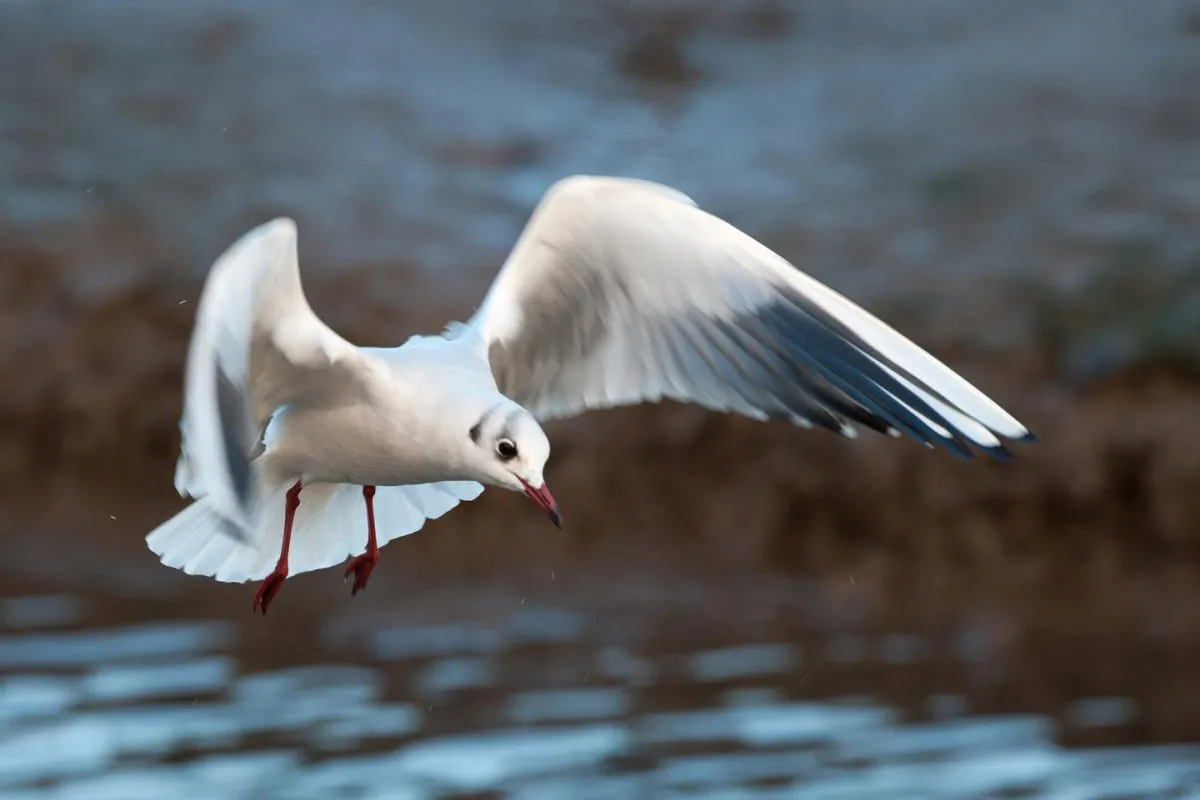
The British Trust for Ornithology (BTO) has put today out a call for volunteers, able to identify our common wintering gull species, as part of an important project to understand and conserve these birds, which are of conservation concern because of their declining breeding populations. In winter, gulls flock together to roost communally on lakes, reservoirs and estuaries across the UK, in groups that can number many hundreds or even thousands of individuals. Understanding where these roosts occur, and the numbers of birds using them, is key to helping us to protect these birds. The Winter Gull Survey is a long-running monitoring programme, which has taken place approximately every 10 years since 1953. However, there has been a gap of nearly 20 years since the last survey so a new survey is much-needed. The project’s overarching aim is to provide robust information on the numbers and distributions of wintering gulls, many of which are of conservation concern and appear on either the Birds of Conservation Concern Red or Amber List. The Winter Gull Survey (WinGS) will run over the winters of 2023/24 and 2024/25 and volunteers are needed to cover survey sites in the UK, the Channel Islands and the Isle of Man. The volunteers will visit roost sites used by wintering gulls, counting all gull species but with particular focus on six key species: Black-headed Gull, Common Gull, Lesser Black-backed Gull, Herring Gull, Mediterranean Gull and Great Black-backed Gull. BTO is seeking volunteer birdwatchers who are confident that they can: count large numbers of birds accurately – roosts can number thousands of individuals and birds gather in late afternoon as the light fades. identify the six most abundant UK gull species: Black-headed Gull, Common Gull, Lesser Black-backed Gull, Herring Gull, Mediterranean Gull and Great Black-backed Gull. Potential volunteers can find out more about the survey, the availability of survey sites near them, and how to sign up by visiting the project webpage /wings Emma Caulfield, the Survey Organiser for WinGS, said, “Information collected in this winter’s survey will start to fill the gaps in our knowledge which have developed since the last survey 20 years ago. This is particularly important given that gulls have been impacted by the ongoing outbreak of highly pathogenic avian influenza (HPAI), and we are still seeking to understand the full implications of this.” Dawn Balmer, BTO Head of Surveys, said, “Many of our gull species are experiencing significant declines in their breeding populations, hence their conservation status, and we urgently need to improve our understanding of where and in what numbers they winter.”
05-12-2023
Young birders fly high
This year's Martin Garner Spurn Young Birders have been been put through their paces, testing their bird identification and general birding skills at the Spurn Migration Festival, and the winners named. Launched in 2015, the Martin Garner Spurn Young Birder awards celebrate and showcase the fantastic skills of young people. Six young birders, who have crafted their skills and knowledge over the years, are selected from the many impressive entries and invited to MigFest, where they are put through their paces via a series of birding challenges. To reach the finals is a huge achievement in itself and the six finalists are split into two categories: a 'junior category' for those ‘13 and under’ and a 'senior category' for those aged 14 to 16. The finalists have to demonstrate their skill, identifying birds in the field and answering questions related to four habitat types; Estuary Watch, Seawatching, Visual Migration and Birding the Bushes. Also part of the assessment is an indoor theory session where they are tested on calls and songs, bird topography and general knowledge questions. From the two categories, the finalists with the most correct answers were awarded the top prize in their age category; Alfie Seastron, aged 13 and William Lambourne, aged 14 became the winners of the junior and senior categories respectively. The remaining junior finalists were Felix Urwin (11), and Milo Dawes (10), and seniors were Toby Middlemist (15) and Sam Glennie (16). Sarah Harris, Spurn Bird Observatory Chair and coordinator for the competition, said, “Every year, we are blown away by the standard of bird identification and general knowledge of these young birders; we assessors know we would have struggled with the questions these finalists sailed through! Well done to everyone who applied to take part in the MGSYB 2023!” Sarah continued, “We hope that this event, among others, will continue to engage young people with the hobby and showcase the skills we need to ensure continued monitoring our birdlife, and in turn, conserve it.” The Martin Garner Spurn Young Birder event is only possible because of the kind sponsorship received. We would like to thank Swaroski for the binoculars won by William, Opticron for the binoculars won by Alfie, and to the other valued sponsors offering memberships and t-shirts (British Birds, Oriental Bird Club, Rare Bird Alert, Yorkshire Coast Nature and of course memberships from the event hosts, BTO and Spurn Bird Observatory). Spurn Bird Observatory has a long standing tradition of supporting young people with a keen interest in birding, ringing, and all things ornithological. Over the years, many birders have spent time at the Obs in their younger days, where they have been encouraged to hone their skills and experience and develop a life-long passion for birds. There's been a Bird Observatory at Spurn since 1946, which occupies a superb location on the tip of the coast of the East Riding of Yorkshire.
01-12-2023
New partnership to make a positive impact for birds
The British Trust for Ornithology (BTO) has announced today that it is forging a long-term partnership with family-run Lincolnshire-based bird-care business Vine House Farm. It is estimated that more than half of all households in the UK engage in feeding birds in their gardens. BTO has long been at the forefront of monitoring and researching the effects of food provision on wild birds. This work has yielded fascinating insights into how the UK public’s bird feeding habits have impacted wild bird populations, and helped to produce best practice guidance for feeding birds safely. The new partnership between BTO and Vine House Farm will provide an opportunity to engage many more people in the enjoyable habit of feeding garden birds and to help them learn how to do this in the best ways for their birds. Vine House Farm is a conservation-award-winning farm, managed with wildlife in mind and environmental responsibility to the fore. The family behind this business has been associated with BTO since 1960, with Nicholas Watts MBE contributing to many BTO surveys and monitoring schemes. Professor Juliet Vickery, BTO Chief Executive Officer, said, “BTO is delighted to be joining Vine House Farm in a partnership that recognises the joy that feeding birds in gardens brings to thousands of people and the need to ensure that this food is high quality and sustainably sourced. Their support of BTO will help us to engage more people in discovering birds and help to conserve and understand them on our doorstep and further afield.” Lucy Taylor, Nicholas’ daughter, and General Manager of Vine House Farm Bird Foods, said, “BTO is a natural partner for Vine House Farm and this partnership will help our customers understand more about the birds they feed and enable us to contribute even more to bird conservation.”
17-11-2023