Throughout the year we send out press and media releases to individuals and organisations who have signed up to receive these. This page holds details of the press releases posted over the past two years. For press and media enquiries, please email press@bto.org.
Young birders take the prize at Spurn Migfest
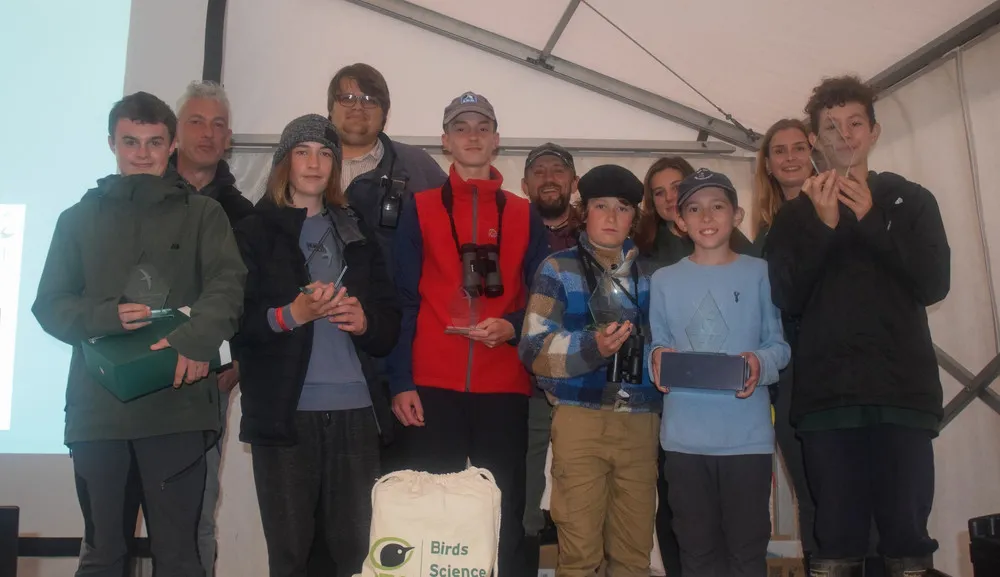
The 2024 Martin Garner Spurn Young Birders have been put through their paces, testing their general birding and identification at the Spurn Migration Festival, and the winners have been named. The Martin Garner Spurn Young Birder (MGSYB) awards celebrate and highlights the remarkable enthusiasm of keen young birdwatchers. Six youngsters, who have crafted their ornithological skills, knowledge and fieldcraft, are selected from the many impressive entries and invited to Migfest, where they set out to impress the judges via a series of challenges. Reaching the finals is in itself a huge achievement, and the six finalists are split into two categories: a 'junior category' for those ‘13 and under’ and a 'senior category' for those aged 14 to 16. The chosen six young birders have to demonstrate their skill, identifying birds in the field and answering questions related to four distinct habitat types: Estuary Watch, Seawatching, Visible Migration and Birding the Bushes. Also, part of the assessment includes an indoor theory session where they are assessed on bird calls and songs, topography, and general knowledge questions. The finalist with the highest score in their respective age category were awarded the top prize. Edgar Jolly, aged 11 was the winner of the junior grouping, while Sam O'Donnell aged 16, was awarded top marks in the senior category. Close behind this outstanding pair were the remaining junior finalists Felix Urwin (12), and Milo Dawes (11), and seniors Hugo (14) and Jac French (14). All participants were presented with an award to recognise their achievement, along with membership packages from sponsors Rare Bird Alert, British Birds and Oriental Bird Club, alongside BTO and Spurn Bird Observatory. The two winners also received a pair of Opticron (junior category) and Swarovski (senior category) binoculars. The competition was initially launched in 2015 by the late Martin Garner, a well-known and highly respected birder. A pioneer in bird identification, Martin was also devoted to helping develop the skills and knowledge of young birders. The competition was renamed the Martin Garner Spurn Young Birder award in honour of his memory, after he passed away in 2016. Sarah Harris, Spurn Bird Observatory Chair, said, “Every year, we are amazed by the incredibly high standard of bird identification and general knowledge of these young birders; the judges often remark how they themselves would have struggled with some of the questions that these finalists sailed through! One thing we noticed at Spurn Migfest this year was the encouraging number of younger people who were present. We hope that this event, among others, will continue to engage young people with birding and showcase the skills we need to ensure continued monitoring of our birdlife, and in turn, how we conserve it. Well done to everyone who applied to take part in the MGSYB 2024 and we’ll look forward to meeting yet more inspiring ‘ornithologists of tomorrow’ at Spurn in 2025!”
10-10-2024
Scotland’s seabird pirates in peril
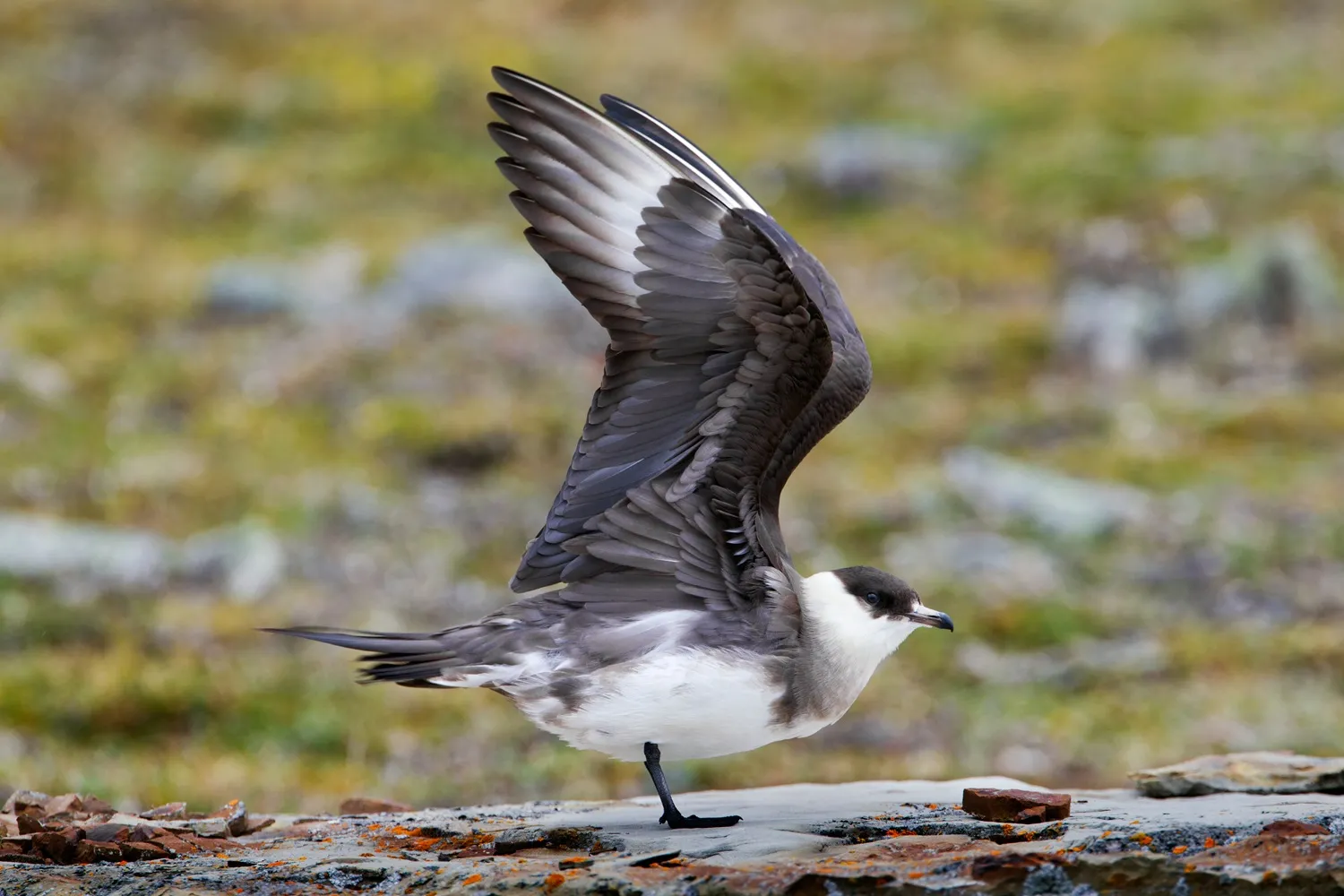
A new study led by the British Trust for Ornithology in Scotland (BTO Scotland) has unveiled the migration routes and wintering grounds of one of Scotland’s rarest and most endangered seabirds – the Arctic Skua. These discoveries are a crucial step towards understanding the threats these seabirds encounter when they are far from Scotland’s shores, and the steps we need to take to conserve them. During summer, Scotland’s coasts and islands provide a haven for breeding seabirds, from Puffins and Guillemots to Kittiwakes and Gannets. While Scotland hosts numerous bustling colonies, many of our seabird species are in decline and often much of our attention is focused on pressures experienced during the breeding season. However, seabirds spend only part of the year at these colonies – as autumn arrives, there is an eerie silence as birds leave and head out to sea. But what dangers do they face once they depart our shores? The key to addressing this question is in understanding where seabirds go outside of the breeding season. Arctic Skuas are attractive and impressive birds. Their preferred way of feeding is by stealing from other seabirds, which they relentlessly harass with remarkable agility and grace. Pursuing smaller species such as Puffins, terns and Kittiwakes, the oceanic pirates do not give up until their chosen victim has either surrendered a beak full of seafood or disgorged the fishy contents of their stomach. Sadly, despite their apparent invincibility, Arctic Skuas are the fastest declining seabirds in the UK and are on the Birds of Conservation Concern Red List. Scientists from BTO Scotland have been trying to better understand their movements and conservation needs through fitting miniature, long-term tracking devices to individuals nesting on Fair Isle in Shetland and Rousay in Orkney. Amazingly, this work revealed that skuas from both Fair Isle and Rousay, which are no further than 90 km apart, wintered thousands of kilometres away from one another. Some migrated to the Canary Current off West Africa, while most travelled further into the Southern Hemisphere, wintering off south-west Africa or south-east South America – covering distances of over 10,000 km. The study also mapped the routes taken by the skuas during their long migrations and pinpointed crucial refuelling areas where birds stopped to rest and feed during their journeys. After departing their breeding colonies in autumn, most Arctic Skuas headed south through the North Sea and English Channel, continuing along the Iberian Peninsula before heading south further still. In contrast, during spring migration, the skuas all converged on an important feeding hotspot in the mid-North Atlantic Ocean, where they could feed up ready for the upcoming breeding season back in Scotland. Dr Nina O’Hanlon, Senior Research Ecologist at BTO Scotland, said, “By identifying where these wide-ranging seabirds spend their time away from Scotland, we can begin to uncover the threats they may face, and how these may impact the skuas’ survival and future breeding success. This knowledge allows us to prioritise future research and conservation actions to protect this charismatic seabird.” BTO research was funded by several generous individual donors. The paper's authors would like to thank everyone who helped with fieldwork and all landowners, including Fair Isle Bird Observatory. Helen and David Aiton, who contributed to work on Rousay, were supported by grants from the Scottish Ornithologists’ Club and British Birds Charitable Trust.
04-09-2024
Cuckoo class of ‘24 makes it safely back to Africa (mostly …)
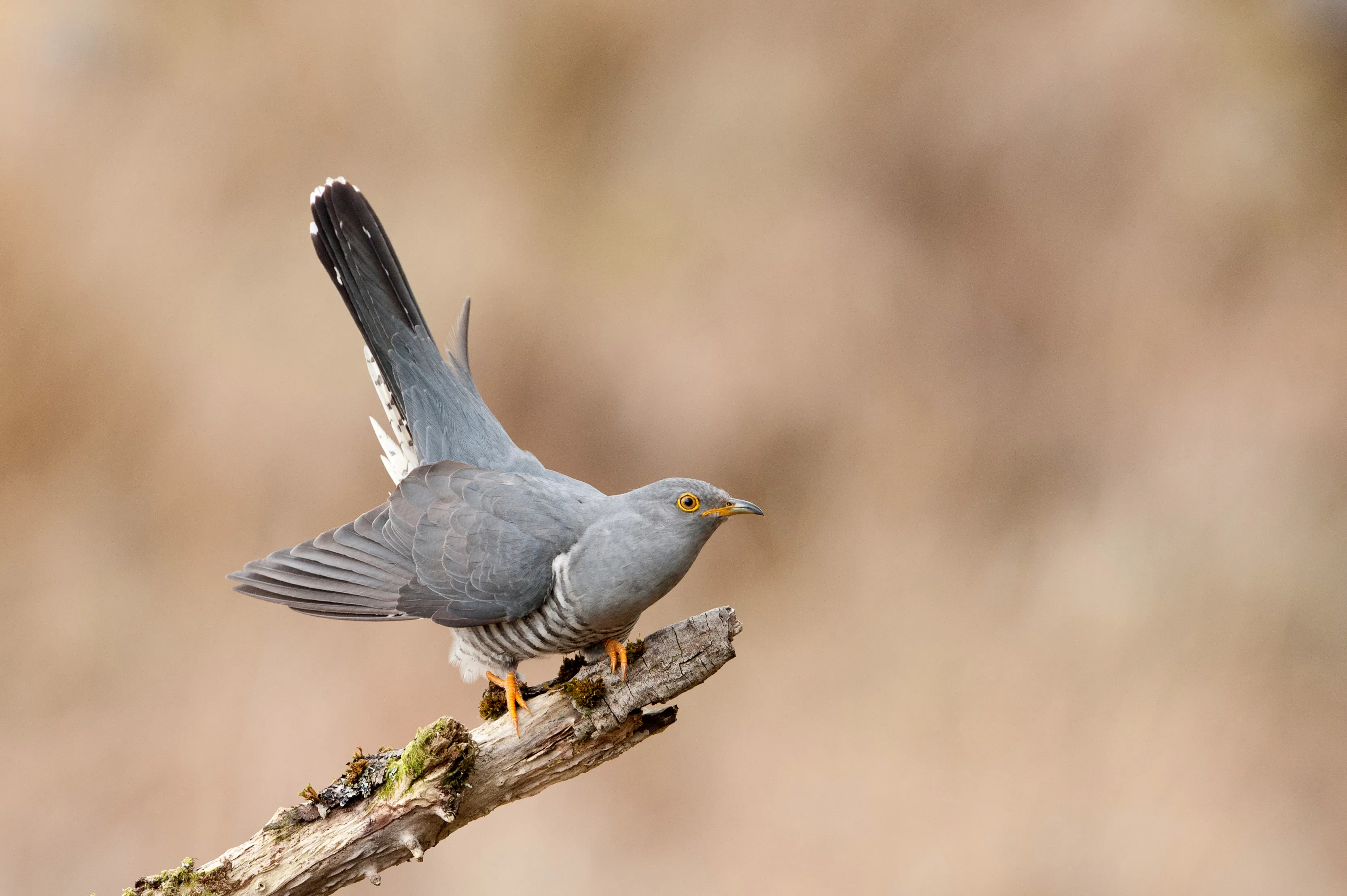
Migrating birds face many perils on their long and arduous journeys, and thanks to ongoing work to track and monitor UK breeding Cuckoos, we are continuing to learn about these incredible feats of nature. A cohort of Cuckoos, fitted with satellite tags by researchers at the British Trust for Ornithology (BTO), have now made their way from UK breeding sites to tropical Africa where they will spend the winter months. Tracked by both the scientists, and thousands of fascinated members of public via an online map depicting their real-time movements, the Cuckoos have provided extraordinary insights into their peripatetic ways. The song of the Cuckoo is amongst the most recognisable of all wild bird sounds and was once a much-anticipated clarion of summer across much of the UK. Sadly, we have seen sharp declines in the number of Cuckoos in recent years, but the reasons why are still not fully understood. Since 2011, BTO has fitted more than 120 individual Cuckoos with state-of-the-art satellite tags to unravel the mysteries of their migrations and help their conservation. BTO scientists studying these enigmatic birds are gaining a clearer understanding of the routes the birds take and how they may respond to the complex array of challenges that they face along the way. With new birds tagged in May and June 2024, the total number of Cuckoos that set off from the UK after the breeding season this year numbered 13, with 12 of those successfully making the mammoth journey south through Europe, across the Mediterranean and then flying over the expansive Sahara Desert to their wintering grounds in the vast African intra-tropical rainforests. Among the many discoveries made from the tagging project so far, is that male Cuckoos spend far less time in the UK than previously thought. Most male birds arrive in Britain towards the end of April or beginning of May and most leave again during June. One of the Cuckoos, originally tagged in Killarney National Park, Ireland in May 2023, returned to the same area in May of this year; a mere 28 days later, he was off, heading south and back toward his wintering grounds once again! The BTO study has also identified that different Cuckoos use distinctly different routes. Interestingly, in parts of the UK where Cuckoos are most clearly declining as breeding birds, they have a tendency to use a westerly migratory route via Spain, while birds summering in regions with less apparent declines are more more likely to migrate to Africa via a more eastern route, through Italy or Greece. With further research, it is hoped that scientists can unravel what is driving the differences in survival that we have seen, and to determine what can be done to alleviate the problems the birds encounter. Comparing survival rates of the tagged birds with the environmental conditions recorded along the two flyways, for birds both breeding in parts of the UK where the population is declining, and those where it is stable or increasing, will help us to further understand the causes of decline. Dr Chris Hewson, lead scientist on the project, said, “Understanding the dangers that many of these birds face as they migrate vast distances, can help us to consider how we might help to protect them. Each satellite-tagged bird provides essential data, uncovering mysteries that we could only have guessed at previously. This ongoing project opens a significant window on the wonders of migration, and our discoveries are helping to shape the way we look at bird migration more widely.” Thanks to the generosity of donors, who have helped fund this research, it is hoped that this work will continue to provide new data and insights that will help conservationists to shape measures that will safeguard these remarkable birds, so that generations may enjoy hearing that distinctive ‘cuck-coo’ for many years to come. Follow the Cuckoos’ progress and learn more about the individual birds at www.bto.org/cuckoos
01-09-2024
Rare breeding birds continue to colonise the UK
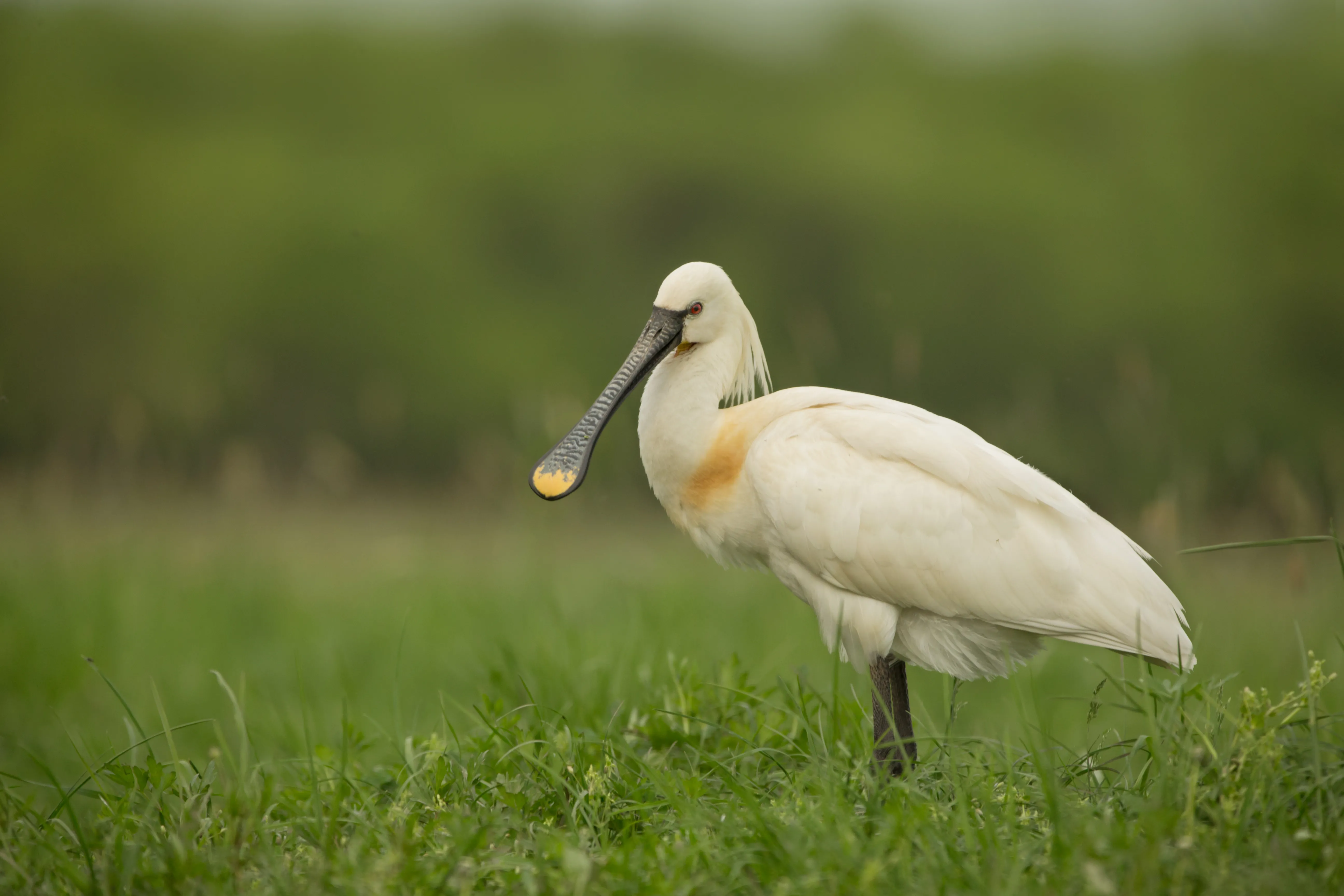
The latest report by the Rare Breeding Birds Panel (RBBP), the independent body that monitors the populations of the UK’s rarest breeding birds, reveals that 108 species and races of rare native birds were reported breeding, or attempting to breed, in the UK in 2022. This is the second-highest total since the Panel began reporting in 1973, and suggests a continuation of the increasing trend in the number of rare breeding bird species in the UK, largely driven by the arrival of colonising species. 2022 saw the first confirmed breeding in the UK by Glossy Ibis, with a pair raising one chick at a wetland site in Cambridgeshire. This elegant wading bird was once only found on Mediterranean coasts in Europe but has been moving northwards in recent decades. As well as this newly arrived species, other recent colonists are prospering. Of the 14 colonists and reintroduced species to have established new populations in the UK since the RBBP began reporting in 1973, five – Mediterranean Gull, White-tailed Eagle, Eurasian Spoonbill, Little Egret and Great White Egret – reached record levels in 2022. Most of these species are expanding their ranges into the UK from the south, and more appear to be on the way. Black-winged Stilts bred for the ninth successive year, with pairs in Norfolk and Yorkshire both rearing four young each. Two pairs of Bee-eaters fledged four young at Trimingham in Norfolk, to the delight of thousands of visiting birdwatchers and wildlife enthusiasts – this was the fourth breeding attempt in the UK by this multi-coloured migrant in the last decade. As well as colonists, a number of species continue to recover from historical depletion, with three raptors being reported in greater numbers than in any previous RBBP report. The number of Northern Goshawk pairs reported leapt by 24% since 2021 (which itself was a record year), Marsh Harriers are increasing in much of their range, as is the Osprey which bred in Dorset and Yorkshire for the first time in centuries. Sadly, the impact of Highly Pathogenic Avian Influenza (HPAI) H5N1 is a concern for our seabirds – at least 90 adult Roseate Terns died from the disease reaching the colony at Coquet Island, Northumberland in 2022, along with an even greater number of chicks. There is evidence that the disease also impacted the productivity of raptors such as White-tailed Eagle and Golden Eagle in 2022. Other rare breeding species are also struggling for a range of reasons, in some cases despite focused conservation efforts. With just 20 pairs found, Slavonian Grebes remained at their lowest level since the start of annual monitoring in 1971 and had extremely poor breeding success in 2022 with only seven young known to have fledged. This species looks increasingly threatened as a UK breeding bird. Numbers of Corn Crakes have declined by 28% in the last 10 years. Although many raptor species are showing welcome recoveries from population lows caused by pesticide use and persecution, Montagu’s Harriers continue to struggle. A displaying male did its best to attract a mate in Wiltshire, but for the third year in a row there was no breeding pair anywhere in the UK. Dr Mark Eaton, RBBP Secretary, said, “The RBBP collates thousands of records of rare breeding birds every year, which allows us to track the populations of the UK’s rarest and often most vulnerable breeding birds in order to aid their conservation. This recording allows us to detect the arrival of new breeding birds, and to celebrate the recovery of threatened species, as well as direct urgent action to those which are struggling.” Dawn Balmer, BTO Head of Surveys and RBBP Chair said, “Birdwatchers play a critical role in our monitoring of rare breeding birds. We thank the network of volunteer County Recorders and the support of Bird Clubs across the UK. We can all help improve the data that are collated by RBBP by submitting our records through BirdTrack, with counts and breeding evidence, which allows the County Recorders to provide county summary data to RBBP.”
01-09-2024
Unusual plumage variation in birds not so black and white
Familiar garden birds with unusual plumage features, such as a Blackbird or sparrow with striking white feathers, will often catch our eye, and the British Trust for Ornithology (BTO) is asking for help in mapping these scarce occurrences. Each year BTO receives multiple calls and messages from members of the public who have spotted something a little out of the ordinary in their garden. These sightings often refer to a common bird, that doesn’t look quite right… a Starling with a white head? A sparrow with white wings? An all-white Magpie? A Robin without its distinctive red breast? Many birds can show unexpected plumage abnormalities, and ornithologists are hoping to unravel some of the mysteries relating to these widespread phenomena. There are numerous types of plumage aberration, ranging from birds with a few random paler or darker feathers, to full albinos, and several other variations in between. Amongst the most common birds that get reported sporting odd plumage features are Blackbirds, and many homeowners across the UK report seeing unusual, pied variants in their gardens. Often, these distinctive birds will have a mixture of the regular black feathering with patches of white here and there. This is known as leucism – which is caused by a lack of the dark pigment melanin, and its absence results in white feathers. This reduction in pigment can also result in weaker feathers, making them more prone to wear and tear. A bird with excessive leucism may find that it is less agile, as well as being more noticeable, and is therefore more likely to fall prey to predators. Also, a lack of pigment can reduce insulation qualities and such birds may suffer excessively in cooler conditions. When melanin is entirely absent, pure albinos can occur, resulting in all-white birds with pink eyes. Sadly, the odds of these rare individuals surviving to adulthood are slim, due to associated issues such as poor eyesight. Occasionally, the amount of melanin can be partially reduced in the feathers and birds can have a washed-out, pale appearance. This is known as dilution. The reverse can also occur, and too much dark pigment can cause a rare condition known as melanism. This results in much darker birds, though this is often less obvious than leucism. Some other rarer forms of pigmentation change include erythrism, where a chestnut-red pigment replaces certain other pigments, and xanthochromism, where there is an excess of yellow pigment, often replacing red feathering. Santiago Cárdenas, Garden BirdWatch Survey Organiser, said, “Since we launched the Abnormal Plumage Survey in 2011, we have received thousands of records. Blackbirds have, so far, been the real stars of the show, with many of the reports relating to this common garden species. However, many other birds, sporting a wide range of plumage abnormalities, have also been spotted. We still have a lot to learn about the distribution of such unusual birds, and we welcome all records from garden birdwatchers across the UK.” If you happen to spot one of these exceptional birds in your garden, BTO would love to hear from you: Report your sighting on the Abnormal Plumage Survey
21-08-2024