Citation
Abstract
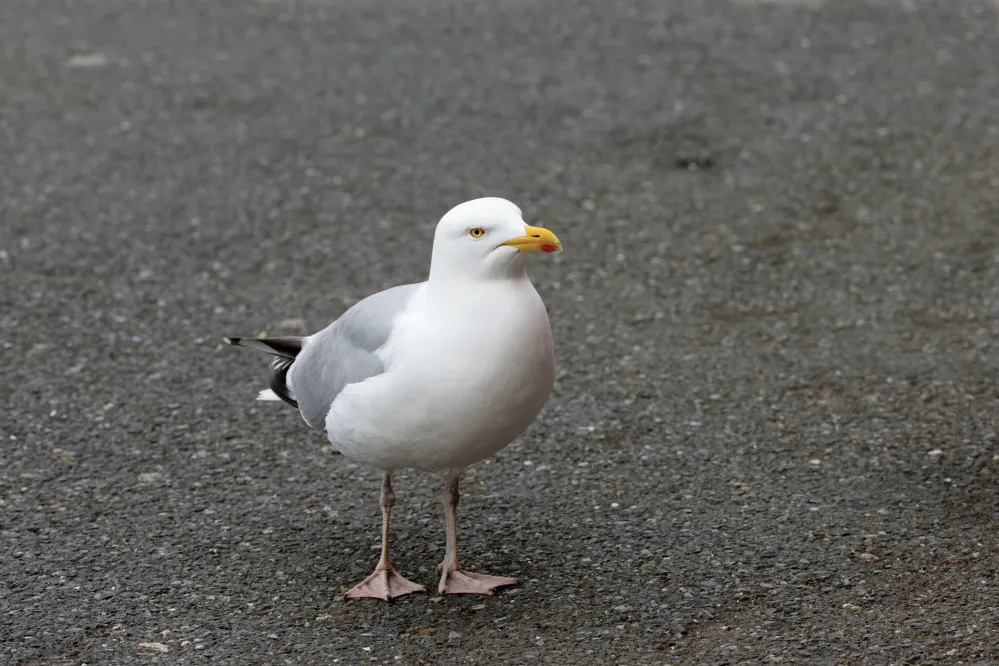
Developing robust strategies for human–wildlife coexistence is hampered by our limited understanding of how humans impact animal space use. It is challenging to measure the relative effects of landscape modification and human mobility on wildlife, since these factors are typically confounded. The extreme change in human mobility levels that occurred during COVID-19 lockdowns provided an opportunity to disentangle these impacts. Many gull species are considered urban adapters, capable of roosting, foraging and breeding near humans in highly modified environments. We predicted that lockdown-induced changes in human mobility would affect gulls’ selection for urban and beach habitats because of altered disturbance levels and food availability. We analysed GPS tracking data from 113 individual gulls over multiple years (2015–2022), across three species in western Europe (herring gull Larus argentatus, lesser black-backed gull L. fuscus and yellow-legged gull L. michahellis). We found that, during lockdowns, selection for urban areas increased in two of ten colonies and selection for beaches increased in one colony and decreased in two others. This heterogeneous pattern likely reflects differences in how gull populations respond to opportunities and challenges presented by human-modified landscapes. Understanding this context dependence is emerging as a priority for coordinated efforts to promote sustainable human–wildlife coexistence.
Staff author(s)





Funding from Galloper Wind Farm Ltd and the Department for Energy Security and Net Zero (DESNZ) Offshore Energy Strategic Environmental Assessment (OESEA) programme and particular thanks go to John Hartley of Hartley Anderson Ltd for his support of the work and management of the contract.