Published today, the latest BTO/JNCC/RSPB Breeding Bird Survey (BBS) report shows encouraging news for Blackbirds, Song Thrushes, and Skylarks in Northern Ireland.
Meanwhile, as is the case in all parts of the UK, Swallow numbers are down in Northern Ireland. But Raven, for so long persecuted across the UK, are now on the up, with a 43% increase in Northern Ireland in the last five years on the back of longer-term increases.
BBS is the main scheme for monitoring the population changes of the UK’s common and widespread breeding birds, producing population trends for 39 species in Northern Ireland.
Blackbirds are flourishing in Northern Ireland, reveals a major new report published today. The latest annual BBS Report shows that Blackbird numbers have increased by 40% in NI over the past 10 years, with a remarkable increase of 30% in just one year.
Much-loved for their familiar strident song, Blackbirds are a familiar sight in gardens, parks, and the wider countryside. The situation in NI contrasts sharply with some other parts of the UK, especially in England, where this familiar species has dropped by 10% over the past decade. The London area has been particularly hard hit with Blackbirds there having been likely impacted by the mosquito-borne Usutu virus in recent years.
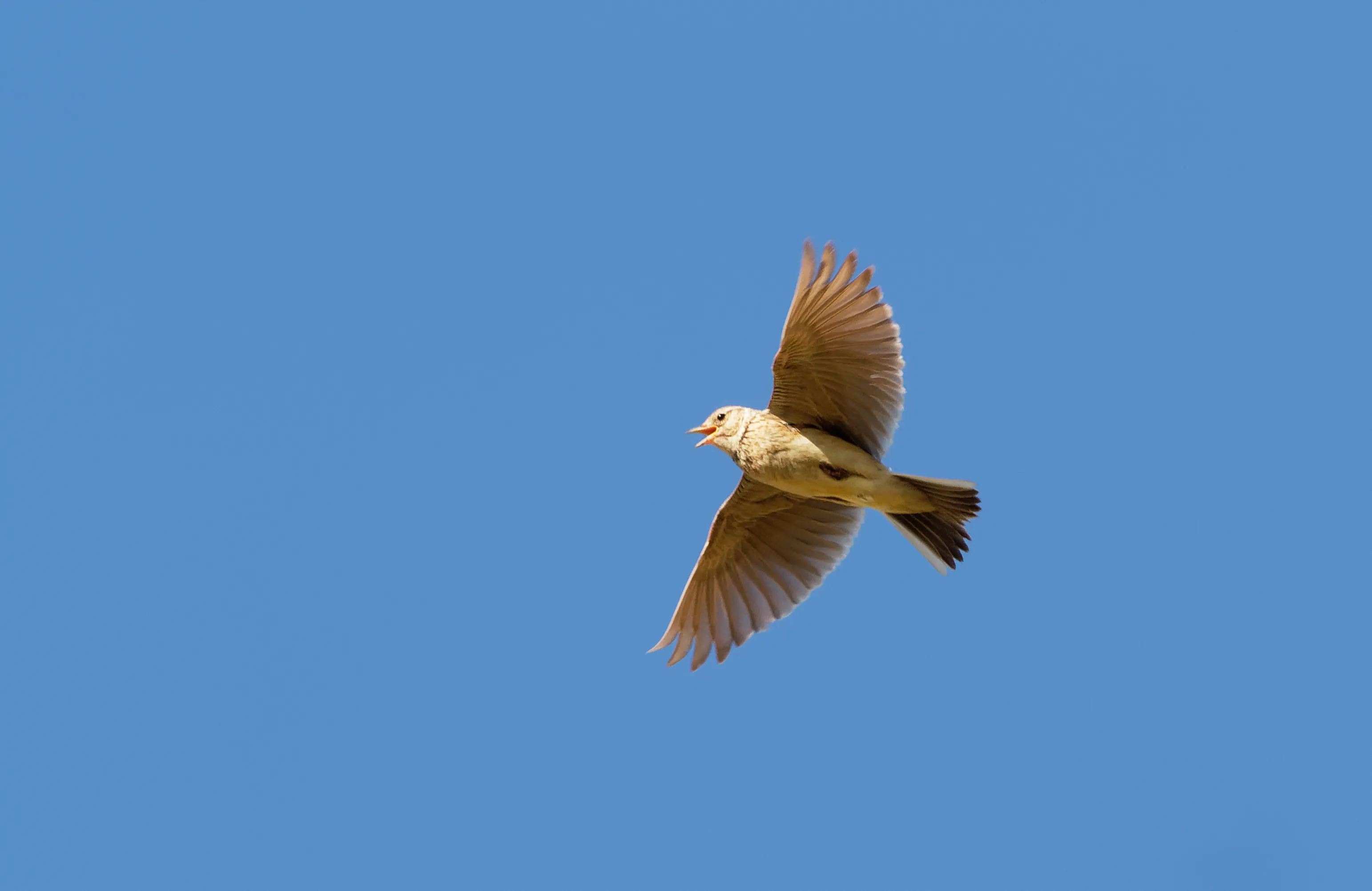
Two other popular songsters, Song Thrush and Skylark are also on the up in NI after years of concerning decline. Song Thrush has undergone a remarkable increase of 68% in just 10 years, while Skylark has enjoyed a rise of 42% in the same period. Raven, the largest member of the crow family, is also prospering in Northern Ireland, this report being the first time it appears among the list of species monitored. It has increased by 43% in the last five years.
Unfortunately, the picture is considerably less rosy for other species. Greenfinch have declined from around 2005 due to the spread of the disease Trichomonosis. Although they now appear to be stabilising, there has still been a decline of over four fifths since 1995, the largest relative decline of any UK country. The Red-listed Redpoll too have declined by a half in the last 10 years, despite an increase in the early part of the survey. Starling, another Red-listed species - although widespread and common, have declined by 20% in the last decade.
BBS produces population trends for 39 common and widespread species of bird in NI. The latest report reveals long-term (28-year) increases for 16 species and long-term decreases for one.
Dr James Heywood, BBS National Organiser, said, “Of all the UK’s constituent nations, Northern Ireland is one of the hardest for volunteers to survey. The levels of access and physical geography, particularly in the west, make it very challenging indeed. The fact we are able to produce trends for as many species as we do is therefore a testament to the effort of volunteers right across Northern Ireland; 2024 was the second best ever year for coverage! One of the strengths of BBS is the fact that it can pick out these regional differences. Understanding why Blackbirds in Northern Ireland are bucking the overall English trend could be really valuable in being able to help reverse the trend across the Irish Sea.”
Dr Paul Woodcock, Joint Nature Conservation Committee, said, “These results highlight both successes and challenges for Northern Irish bird populations. While some species show encouraging recoveries, the concerning declines in others emphasise why ongoing monitoring is essential. These long-term surveys provide the evidence base that underpins effective conservation action, allowing us to identify which species need help, where efforts should be focused, and whether interventions are working. The dedicated work of thousands of volunteer birdwatchers across the country doesn’t just track numbers – it provides the scientific foundation for protecting the future of our birds and their habitats.”
Anne-Marie McDevitt, Head of Species at RSPB NI says, “BBS is a hugely important way of determining how mostly common and widespread birds are faring, enabling us to look at trends for some species as far back as 1995, as well as annual and 10-year trends so we pick up short and long-term changes. The different trends for species in each of the four UK countries show just us how important it is to have data for our individual countries. Of course, many of the BBS squares in NI are covered by volunteers and as always we thank them for their effort and expertise and in many cases the continuity they bring over many years of volunteering. Without them we would not be able to cover enough squares to gather this extremely valuable information.”
- Read the Breeding Bird Survey 2024 report