Cormorant
Introduction
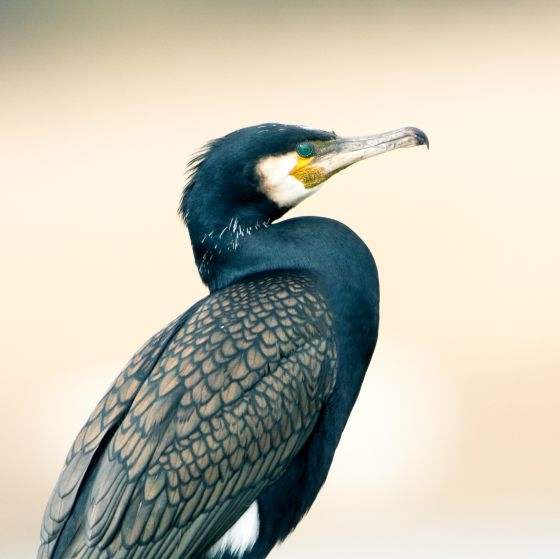
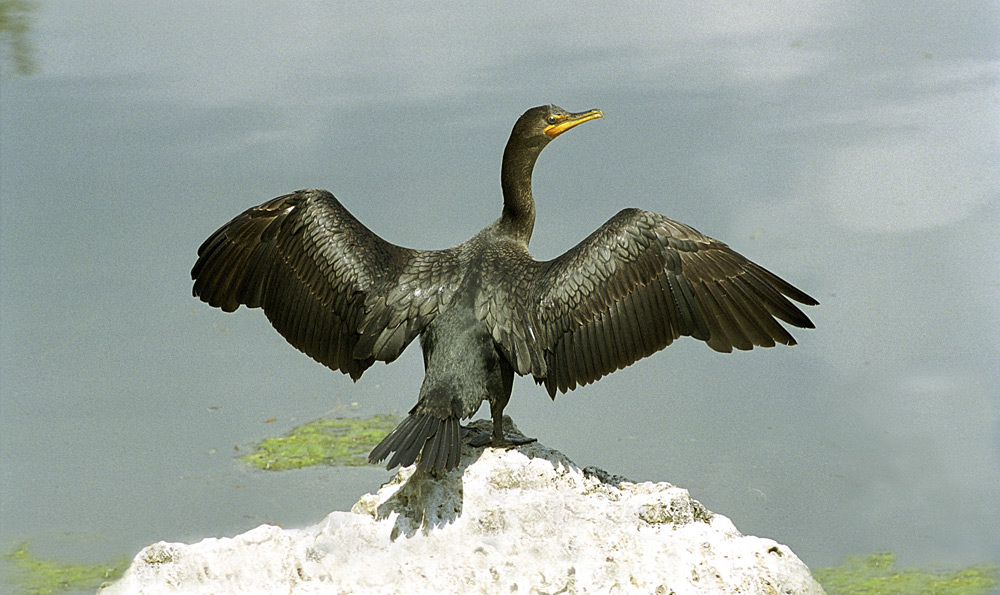
Cormorants were once entirely coastal in habits but we have seen an increasing trend for inland breeding, a behaviour first documented here in the 1950s.
Our population is made up of birds from two different races, one of which – the continental race – is responsible for the colonisation of inland waterbodies. Cormorants make use of regular roosting sites, with some individuals remarkably faithful to these over time.
The expansion inland has brought the Cormorant into conflict with commercial fisheries and anglers, and the presence of these birds has not been welcomed by all.
- Our Trends Explorer gives you the latest insight into how this species' population is changing.
Key Stats








Identification
ID Videos
This section features BTO training videos headlining this species, or featuring it as a potential confusion species.
Cormorant and Shag
Songs and Calls
Song:
Begging call:
Status and Trends
Conservation Status
Population Change
The Cormorant was almost exclusively a coastal breeder in the UK until 1981, but has since established colonies in many inland areas of eastern and central England (Rehfisch et al. 1999; Newson et al. 2006). Breeding had been recorded at 89 inland sites by 2012, and the inland population had risen to about 2,130 pairs by 2005 and 2,362 pairs in 2012 (Newson et al. 2007, 2013). Inland breeding in England is thought to have been sparked by birds of the continental race sinensis from the Netherlands and Denmark, although many nominate carbo from coastal colonies in Wales and England have contributed to its development.
Breeding numbers and productivity at sample colonies have been monitored annually since 1986 by JNCC's Seabird Monitoring Programme. This annual monitoring, which includes inland and coastal breeders, shows periods of temporary increase which have been followed by declines, and numbers are currently similar to those in 1986 (SMP: click here); these changes are accompanied by a long-term decrease in breeding productivity. There was a 10% increase in the UK population between full surveys in 1985-88 and 1998-2002 (JNCC 2015). Trends during 1986-2005 show decreases in Scotland and in northeast and southwest England, but no trend in Wales, and steep increases inland in England and in regions bordering the northern part of the Irish Sea (Mavor et al. 2008). The winter trend in Britain, comprising British and Irish breeders and continental visitors (Frederikson et al. 2018), showed strong increase from the late 1980s, and was stable between around 2002/03 and 2012/13 before increasing again (WeBS: Frost et al. 2020). Although the species is now green listed, both races that occur in the UK qualify for amber listing, for reasons unconnected with the UK trend.
Distribution
Wintering Cormorants are widely distributed throughout Britain & Ireland, with highest densities along the coasts, particularly around major estuaries, and along major lowland river systems. Breeding colonies are widely distributed, including inland in Ireland and eastern England.
Occupied 10-km squares in UK
2007/08–10/11
or view it on Bird Atlas Mapstore.
2008–11
or view it on Bird Atlas Mapstore.
European Distribution Map
Distribution Change
During both winter and the breeding season there have been distribution gains, most often to low-lying inland areas.
Change in occupied 10-km squares in the UK
from 1981–84 to 2007–11
or view it on Bird Atlas Mapstore.
from 1968–72 to 2008–11
or view it on Bird Atlas Mapstore.
Seasonality
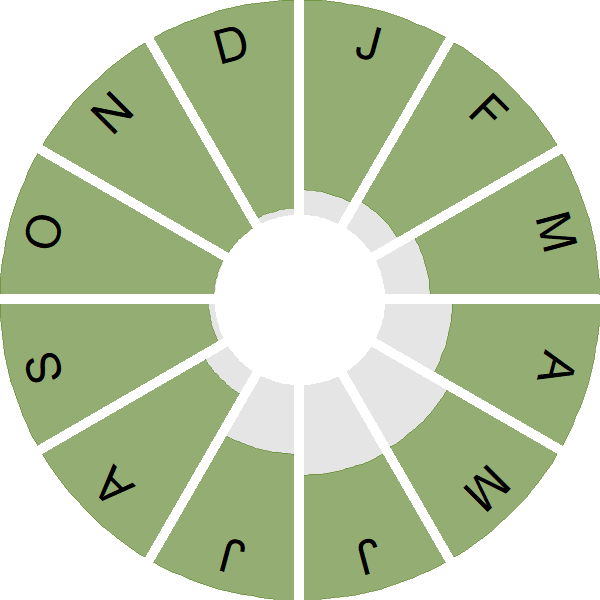
Cormorants are widely reported and present year-round.
Weekly pattern of occurrence
The graph shows when the species is present in the UK, with taller bars indicating a higher likelihood of encountering the species in appropriate regions and habitats.

Habitats
Breeding season habitats
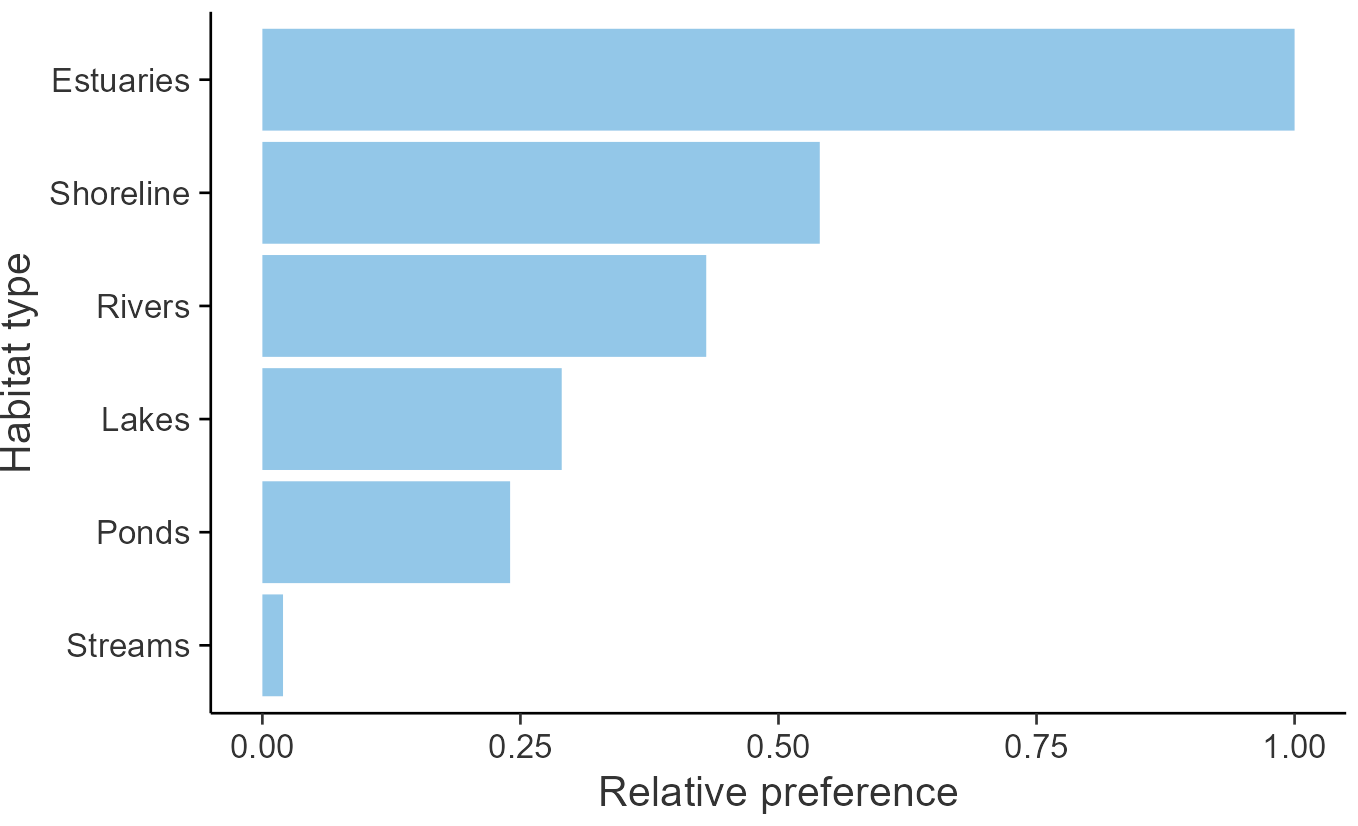
Relative frequency by habitat
The graph shows the habitats occupied in the breeding season, with the most utilised habitats shown at the top. Bars of similar size indicate the species is equally likely to be recorded in those habitats.
Movement
Britain & Ireland movement
Foreign locations of birds ringed or recovered in Britain & Ireland
Dots show the foreign destinations of birds ringed in Britain & Ireland, and the origins of birds ringed overseas that were subsequently recaptured, resighted or found dead in Britain & Ireland. Dot colours indicate the time of year that the species was present at the location.
- Winter (Nov-Feb)
- Spring (Mar-Apr)
- Summer (May-Jul)
- Autumn (Aug-Oct)

European movements
EuroBirdPortal uses birdwatcher's records, such as those logged in BirdTrack to map the flows of birds as they arrive and depart Europe. See maps for this species here.
The Eurasian-African Migration Atlas shows movements of individual birds ringed or recovered in Europe. See maps for this species here.
Biology
Productivity and Nesting
Nesting timing
Egg measurements
Clutch Size
Survival and Longevity
Survival is shown as the proportion of birds surviving from one year to the next and is derived from bird ringing data. It can also be used to estimate how long birds typically live.
View number ringed each year in the Online Ringing Report.
Lifespan
Survival of adults
Survival of juveniles
Biometrics
Wing length and body weights are from live birds (source).
Ring Size
Classification, names and codes
Classification and Codes
- Order: Suliformes
- Family: Phalacrocoracidae
- Scientific name: Phalacrocorax carbo
- Authority: Linnaeus, 1758
- BTO 2-letter code: CA
- BTO 5-letter code: CORMO
- Euring code number: 720
Alternate species names
- Catalan: corb marí gros
- Czech: kormorán velký
- Danish: Skarv
- Dutch: Aalscholver
- Estonian: kormoran e. karbas
- Finnish: merimetso
- French: Grand Cormoran
- Gaelic: Sgarbh
- German: Kormoran
- Hungarian: kárókatona
- Icelandic: Dílaskarfur
- Irish: Broigheall
- Italian: Cormorano
- Latvian: juras krauklis, udenis
- Lithuanian: didysis kormoranas
- Norwegian: Storskarv
- Polish: kormoran (zwyczajny)
- Portuguese: corvo-marinho
- Slovak: kormorán velký
- Slovenian: kormoran
- Spanish: Cormorán grande
- Swedish: storskarv
- Welsh: Mulfran
Research
Causes of Change and Solutions
Causes of change
The drivers of change for this species are unclear.
Further information on causes of change
BBS counts are very largely of immature or other non-breeding birds inland and away from breeding sites and the generally upward, then stable trend adds little to what we know about breeding numbers from the Seabird Monitoring Programme. The population growth has caused increasing conflict with fishing and aquaculture, and led to calls for the population to be controlled. Population models suggest that culling could help stabilise the population in northern Europe, but that this would not necessarily reduce conflict, and action focused on controlling damage rather than on culling would be more cost-effective (Frederiksen et al. 2001). An increase in shooting under licence in the UK since 2004 has had no detectable effect on population trends in the UK (Chamberlain et al. 2013); however the effects of unlicensed shooting are unknown.
Information about conservation actions
This species has declined at coastal colonies but has been increasing at inland colonies where many of the nesting birds are believed to be from the continental race sinensis rather than the British race carbo.
The drivers of these changes and hence potential solutions are unclear, and although the overall population is believed to have experienced recent shallow decreases, ongoing conflicts with angling and aquaculture have occurred, and hence most research relating to this species has not been aimed at conservation of Cormorants but instead has focused on this conflict and on options aimed at managing the economic impacts they cause (Kirby et al. 1996; Behrens et al. 2008). Based on their assessment of the situation in Finland, Nordberg & Salmi (2019) highlight the importance of effective engagement with stakeholders at local levels. Population models in Europe suggest that action focused on controlling damage would be more cost-effective than culling (Frederiksen et al. 2001).
Publications (10)
Northern Ireland Seabird Report 2025
Author:
Published: 2026
This report is the published outcome of the work of the Northern Ireland Seabird Network — a network of volunteers, researchers and organisations — coordinated by the BTO Seabird Coordinator, and funded by NIEA. It contains detailed species accounts for the 22 breeding seabird species in Northern Ireland, as well as articles on a range of topics: Manx Shearwaters nesting on Rathlin Rathlin Island Breeding Seabird Census 2025 Tracking Lesser Black-backed Gulls on Lough Neagh Puffins return to Isle of Muck Outer Ards: 2025 Seabird Nesting Report Strangford Lough: 2025 Seabird Nesting Report Forthcoming seabird research work: ACCLIMATISE project
26.03.26
Reports Northern Ireland Seabird Report

Seabird Population Trends and Causes of Change: 1986–2024
Author:
Published: 2026
The annual report of the Seabird Monitoring Programme View and download the report Read the report online This report presents the latest seabird population trends in breeding abundance and productivity using data from the Seabird Monitoring Programme (SMP). It documents changes in the abundance and productivity of breeding seabird species in Britain and Ireland from 1986 to 2024. This report includes both inland and coastal populations and trends from the Channel Islands, England, Isle of Man, Northern Ireland, Scotland, Wales and the Republic of Ireland, which are presented where sufficient data are available. The results from this report are used more broadly to assess the health of the wider environment, to inform policy and for conservation action.
19.03.26
Reports SMP Report
Desk-based revision of seabird foraging ranges used for HRA screening
Author:
Published: 2019
A key step in understanding the possible impacts of a proposed windfarm development is to identify potential interactions between seabird breeding colonies and the proposed development areas. Such interactions are typically assessed using generic information on foraging ranges, derived from academic studies. This report uses the latest data to provide updated estimates of foraging range, which will help to ensure that the best available information is available when new developments are being considered.
01.12.19
BTO Research Reports
Seabird Population Trends and Causes of Change: 1986–2023
Author:
Published: 2024
This report presents the latest seabird population trends in breeding abundance and productivity using data from the Seabird Monitoring Programme (SMP).The report documents changes in the abundance and productivity of breeding seabird species in Britain and Ireland from 1986 to 2023, and provides a detailed account of the 2021, 2022 and 2023 breeding seasons. This report includes both inland and coastal populations and trends from the Channel Islands, England, Isle of Man, Northern Ireland, Scotland, Wales and the Republic of Ireland, which are presented where sufficient data are available. The results from this report are used more broadly to assess the health of the wider environment, to inform policy and for conservation action.
21.11.24
Reports SMP Report
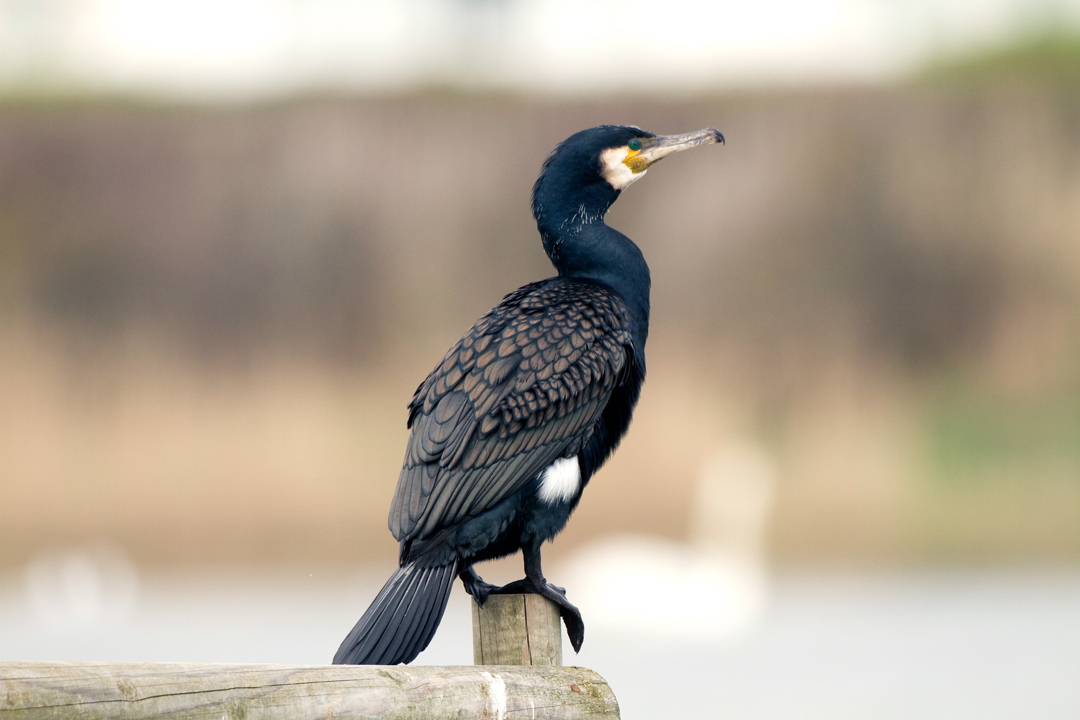
Definition of Favourable Conservation Status for Great Cormorant, Phalacrocorax carbo
Author:
Published: 2022
23.06.22
Papers Other reports
Colonisation and range expansion of inland-breeding Cormorants in England
Author:
Published: 2013
Following the establishment of a tree-nesting colony of Great Cormorants Phalacrocorax carbo at Abberton Reservoir, Essex, in 1981, the inland breeding population in England has increased considerably. Successful breeding has now occurred at 89 inland sites and, while Cormorants have been actively dissuaded from breeding at a number of these, the inland population in England reached about 2,362 breeding pairs at 48 sites in 2012. Increasing numbers of Cormorants on inland waters in England have intensified conflict between Cormorants and fisheries. This resulted in an increase in the number of Cormorants that could be killed under licence to 3,000 per year during the winters of 2004/05 and 2005/06, after which licences for up to 2,000 birds per year have been issued.There is some evidence that the inland breeding population is now stabilising, mainly as a result of declines at some of the older colonies established in the 1980s and early 1990s. New inland colonies continue to be established, however, most notably through expansion of their range into the southwest
01.12.13
Papers
Licensed control does not reduce local Cormorant Phalacrocorax carbo population size in winter
Author:
Published: 2013
The UK Cormorant population has increased in size and range in recent decades, with more birds breeding and wintering inland, leading to potential conflicts with fisheries. Control measures have been introduced in response to this, with licences issued to kill up to 2,000 birds annually since the mid-2000s. New research by the BTO has examined whether this control has been associated with changes in Cormorant numbers on Wetland Bird Survey (WeBS) sites, especially on Special Protection Areas (SPAs) designated to protect particular species under the European Birds Directive. Although there has been a decrease in Cormorant population growth nationally since the mid-2000s, there was no evidence that killing Cormorants one winter affected numbers at local sites the following winter. However, some results indicated that Cormorant population growth was associated with higher intensity control (although this was not seen on SPAs). One explanation for this positive relationship could be that disturbance caused by control increases Cormorant dispersal, leading to apparent population growth at the site level. Alternatively, the results may reflect the fact that control measures are often reactive, with licenses granted in response to local increases in Cormorant numbers. Due to the potential for increased Cormorant movements following control, both at larger scales and between unmonitored and monitored sites, these findings do not provide evidence as to whether control has influenced the national population trend. Further work is needed to better monitor Cormorants outside WeBS sites and to research their population dynamics, movements and behaviour. The key questions of whether Cormorant control has the desired effect of reducing predation at fisheries, and how cost effective it is compared to other measures, remain to be answered.
01.01.13
Papers
Estimating reproductive success of Great Cormorants Phalacrocorax carbo: reliability and limitations of current methodology
Author:
Published: 2003
01.01.03
Papers
Sub-specific differentiation and distribution of Great Cormorants Phalacrocorax carbo in Europe
Author:
Published: 2004
01.01.04
Papers
Breeding performance and timing of breeding of inland and coastal breeding Cormorants Phalacrocorax carbo in England and Wales
Author:
Published: 2005
01.01.05
Papers Bird Study
More Evidence
More evidence from Conservation Evidence.com
Partners




Citing BirdFacts
If you wish to cite particular content in this page (e.g. a specific value) it is best to use the original sources as linked in the page. For a more general citation of the whole page please use: BTO (20XX) BirdFacts Species: profiles of birds occurring in the United Kingdom. BTO, Thetford (www.bto.org/birdfacts, accessed on xx/xx/xxxx).