Put the interests of birds and wildlife first and help everybody to enjoy birding by following the Birders’ Code, leading by example, and sensitively challenging any birders who behave inappropriately.
You should follow the code whenever you are birding, in the UK or elsewhere.
- Please also refer to the broader BTO Code of Conduct when interacting, volunteering or working with us e.g. on a survey, and to the nest recording Code of Conduct for participation in the Nest Record Scheme.
Five things to remember
- Avoid disturbing birds and their habitats – the interests of the birds should always come first.
- Be an ambassador for birding.
- Respect and follow land access rules, rights and laws at all times.
- Know what to consider and do if you find a rare bird or breeding species.
- Record your sightings to help us monitor bird populations and movements.
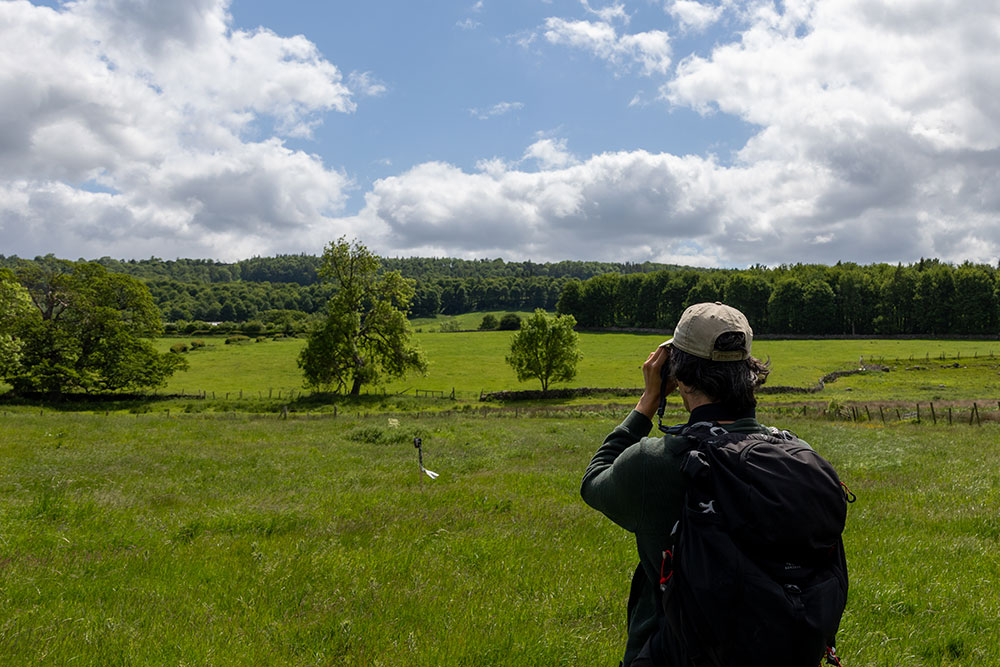
The interests of the birds come first
As with any outdoor pursuit, birding can cause disturbance to birds, their habitats and other wildlife.
If birds are disturbed during the breeding season, they may keep away from their nests, leaving chicks hungry or enabling predators to take their eggs or young. During cold weather, or when migrants have just made a long flight, repeatedly disturbing birds can mean they use up the vital energy that they need for feeding and recovering.
- Intentionally or recklessly disturbing some birds at or near their nest is illegal in Britain.
Whether you are a birder, a photographer, a bird ringer or a sound recorder, remember to put the interests of the birds first and avoid disturbance by following these guidelines.
Avoid disturbing birds
Birds react to people in many ways, depending on the species, location and time of year. Learn to recognise alarm calls and behaviour so you can respond accordingly.
If a bird flies away or makes repeated alarm calls, you’re too close. If it leaves, you won’t get a good view of it anyway! Remember that some species are more sensitive than others. You might disturb a bird even if you are not very close – for example, a flock of wading birds on the foreshore can be disturbed from hundreds of metres away if you stand on the seawall.
Stay on roads and paths where they exist
This will avoid disturbing the habitat used by the birds, as well as other wildlife. Birds nest and build territories at a suitable distance from busy paths and tracks, so going ‘off-piste’ may significantly increase disturbance.
Never use playback during the breeding season
Do not use recordings of songs and calls to attract a species during its breeding season.
Repeatedly playing a recording of bird song or calls to encourage a bird to respond can cause a territorial bird to expend valuable energy defending against the ‘intruder’, and divert from other important duties, such as feeding its young. For some species, using playback during the breeding season can be a criminal offence.
Be mindful of the ’crowd effect’
These guidelines are relevant whenever you are birding, but it is especially important to follow them at sites where large groups of spectators are likely to gather over an extended period of time. Be mindful of this ’crowd effect’ and the cumulative disturbance generated by, for example, lots of normal-volume conservation, phone ringtones, etc, and try to minimise your contribution.
Be an ambassador for birding
Think about your fieldcraft and behaviour, not just so that you can enjoy your birding, but so others can too.
Respond positively to questions from interested passers-by
They may not be particularly interested in birds yet, but a good view of a bird or a helpful answer may ignite a spark of interest. Your enthusiasm could start a lifetime’s interest in birds and a greater appreciation of wildlife and its conservation.
Support local businesses
Consider using local services, such as pubs, restaurants, petrol stations, and public transport. Raising awareness of the benefits to local communities of trade from visiting birders may, ultimately, help the birds themselves.
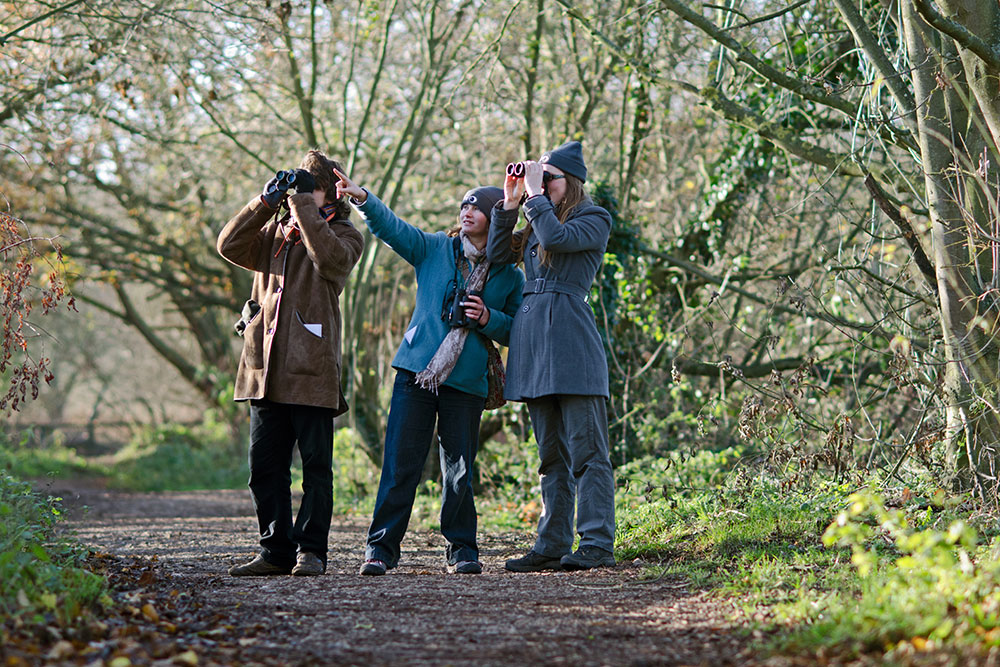
Many people still face substantial barriers to birding. At BTO, we believe it is everybody's responsibility to make birding more inclusive.
- Be welcoming, kind and courteous to others while birding, regardless of their birding experience and background.
- Optics, guides and specialist knowledge do not make a birder; the common ground shared by all birders is finding enjoyment and meaning in engaging with birds.
- Accept and validate other birders' experiences with inclusion and exclusion, even if they are different from your own, and research how to be an ally.
Respect and follow land access rules, rights and laws
Irresponsible behaviour may cause a land manager to deny access to others, including those who need to undertake important bird survey work. It may also disturb the bird or give birding bad coverage in the media. Respect the wishes of local residents and landowners and don’t enter private land without permission, unless it is open for public access on foot.
Legislation provides access for walkers to open country in the UK, and includes measures to protect wildlife. The rules and codes are different in each part of Britain, so plan ahead to make sure you follow the codes on access and the countryside for the place you’re visiting.
- Our guidance for volunteers and surveyors includes more details about access permission in relation to BTO projects.
England and Wales
Land with open access is marked by a special symbol. You can research open access areas before your visit on the Open Access website.
The Countryside Code for England and Wales includes the rules you must follow when you’re enjoying parks, waterways, coast and countryside.
Northern Ireland
Most land in Northern Ireland is private property. Unless there is a public right of way, access to this land is only available with the goodwill and tolerance of the owner. Always respect a landowner’s wishes.
- Learn more about how to respect people, wildlife and the landscape in Northern Ireland.
- Read about public rights of way in Northern Ireland.
Scotland
In Scotland, you can go on most land to enjoy the outdoors, as long as you behave responsibly and follow the Scottish Outdoor Access Code.
NatureScot has also published useful information about protecting wildlife while birdwatching in The Scottish Marine Wildlife Watching Code and A Guide to Best Practice for Watching Marine Wildlife.
Finding and watching rare birds
One of the joys of birding is sharing the experiences with others. With social media and bird forums, it’s possible to share your sightings instantly. However, it’s important to consider the potential impact of spreading the news.
What to do if you find a rare bird
Many rare birds found in the UK are migrants exhausted by a long journey, and are particularly vulnerable to the negative impacts of disturbance. Enjoy the excitement of finding or watching an unusual species while following these guidelines. Additional considerations apply if you find a rare breeding species.
- Document the sighting by taking notes about identification, and take photographs if it’s possible to do so without disturbing the bird.
- Make an effort to inform the landowner (or, on a nature reserve, the warden) first.
- Contact the county bird recorder or another experienced birdwatcher to confirm identification.
- Before you share the news more widely, think about whether the site can cope with a large number of visitors, and whether sensitive species might be at risk, such as breeding terns, flocks of wading birds or rare plants. The landowner, warden, and county bird recorder can often give good advice.
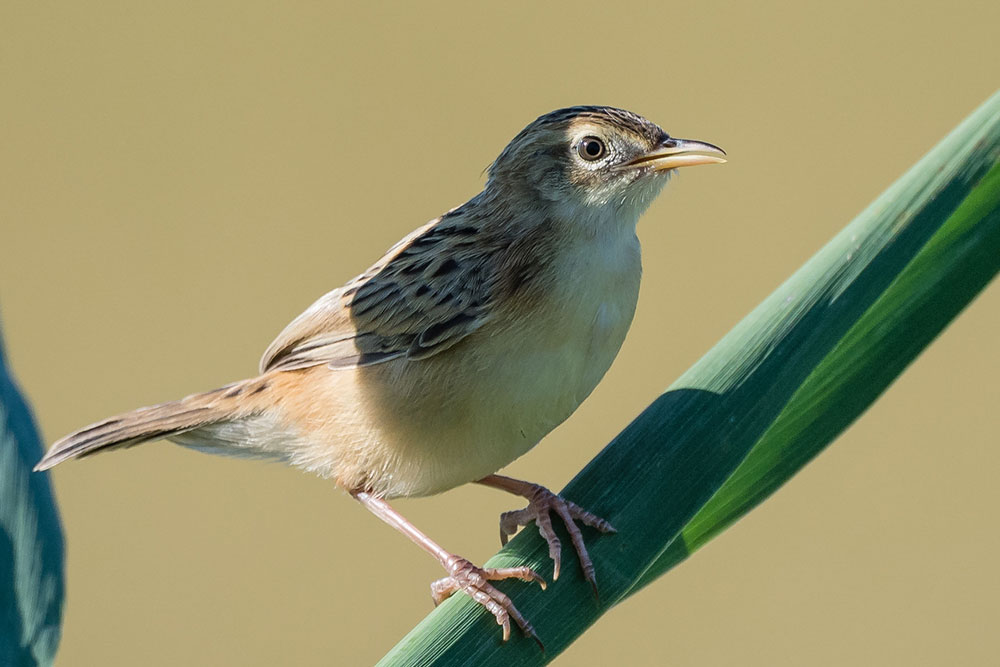
Rare breeding birds
All birds are protected in some form, but some species have additional protection during the breeding season. These are known as Schedule 1 species. Unless you have a specific licence or permit, it is an offence to approach the active nest of a Schedule 1 species or to approach a Schedule 1 adult bird with dependent young.
Sadly, some rare breeding birds are still at risk from egg collectors and persecution, and most will be particularly susceptible to disturbance. The Rare Breeding Bird Panel (RBBP) strongly advise against publicising the location of rare breeding birds unless the bird is breeding at a public and well-protected area such as a wardened nature reserve.
If you discover a rare breeding species, you should still report your sighting to the county bird recorder.
- Visit the RBBP guidance on finding rare breeding birds for more information.
‘Twitching’ rare birds
The term ‘twitching’ refers to the pursuit and observation of rare birds which have already been reported by other birders. If you have the opportunity to see a rare bird, enjoy it, but don’t let your enthusiasm override common sense. In addition to the guidelines above:
- Consider the carbon footprint of a long-distance twitch. ‘Patch birding’ can be just as rewarding as twitching birds and has considerably less impact on the environment.
- If you decide to travel, consider lower-carbon options such as public transport or car-sharing to reach your destination.
- Do not disturb the bird, other birdwatchers, local people or the wider environment: park sensibly, do not enter private areas without permission, be patient if viewing opportunities are limited, talk quietly and give others a chance to see the bird too.
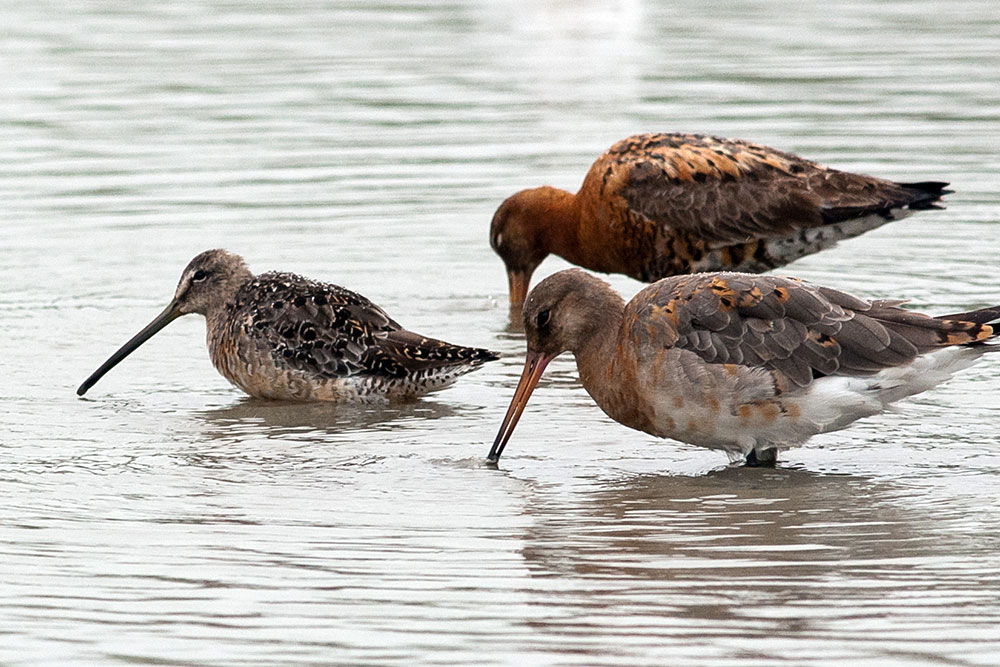
These guidelines are relevant whether you are twitching or birding more generally, but it is especially important to follow them at a twitching site:
- Large groups of spectators are likely to gather over an extended period of time. Be mindful of this ’crowd effect’ and the cumulative disturbance generated by, for example, lots of normal-volume conservation, phone ringtones, etc.
- Many ’twitched’ birds are exhausted long-distance migrants, and need time to feed and recover with minimal disturbance.
Birds and the law
Laws protecting birds and their habitats are the result of hard campaigning by generations of birders. We mustn’t undermine this valuable work by tolerating disregard for these laws.
Schedule 1 species
It is a criminal offence to intentionally or recklessly disturb, at or near the nest, any species listed on Schedule 1 of the Wildlife & Countryside Act 1981. Disturbance can include the playback of songs and calls. In Scotland, disturbing leks of Capercaillie or Ruff is also an offence.
- With a successful prosecution, the courts can impose fines of up to £5,000 and/or a prison sentence of up to six months for each offence.
The Government can, for particular reasons such as scientific study, issue licences to individuals that permit limited disturbance, including monitoring of nests and ringing.
Sites of Special Scientific Interest
It is a criminal offence to destroy or damage, intentionally or recklessly, a special interest feature of a Site of Special Scientific Interest (SSSI) or to disturb the wildlife for which the site was notified.
- In Scotland, the maximum fine on summary conviction is £40,000, or an unlimited fine on conviction or indictment.
- In England, Wales and Northern Ireland, a fine of up to £20,000 may be imposed by a Magistrates’ Court, or an unlimited fine by a Crown Court.
If you witness anyone who you suspect may be illegally disturbing or destroying wildlife or habitat, phone the police immediately and report it to the RSPB. The RSPB has published detailed guidance on how to report wildlife crime.
Make your sightings count
You don't need to take part in structured bird surveys to contribute valuable information to research and conservation. All your observations provide a valuable record which contributes to our understanding of bird breeding, distribution and movements.
Add your sightings to BirdTrack

A quick, easy and free way to make all your bird sightings count is to add them to BirdTrack. This online recording scheme allows you to input and store all of your birding records, which in turn helps to support species and site conservation. You can also forward records to county bird recorders.
- You could also get involved in a UK-wide bird monitoring scheme, such as the Breeding Bird Survey and the Wetland Bird Survey.
Important note about auto-ID tools
We recognise the growing popularity of auto-ID tools that use audio or image inputs to provide species identification, but we currently ask volunteers not to solely rely on these tools when submitting data to us.
Please read our full statement on the use of auto-ID tools for more detail and clarity.
Acknowledgements
The content on this page is adapted from the RSPB publication The Birdwatchers’ Code, which was produced by a partnership of the following organisations:

British Trust for Ornithology



The Association of County Recorders and Editors