Throughout the year we send out press and media releases to individuals and organisations who have signed up to receive these. This page holds details of the press releases posted over the past two years. For press and media enquiries, please email press@bto.org.
BTO to launch bird droppings identification app
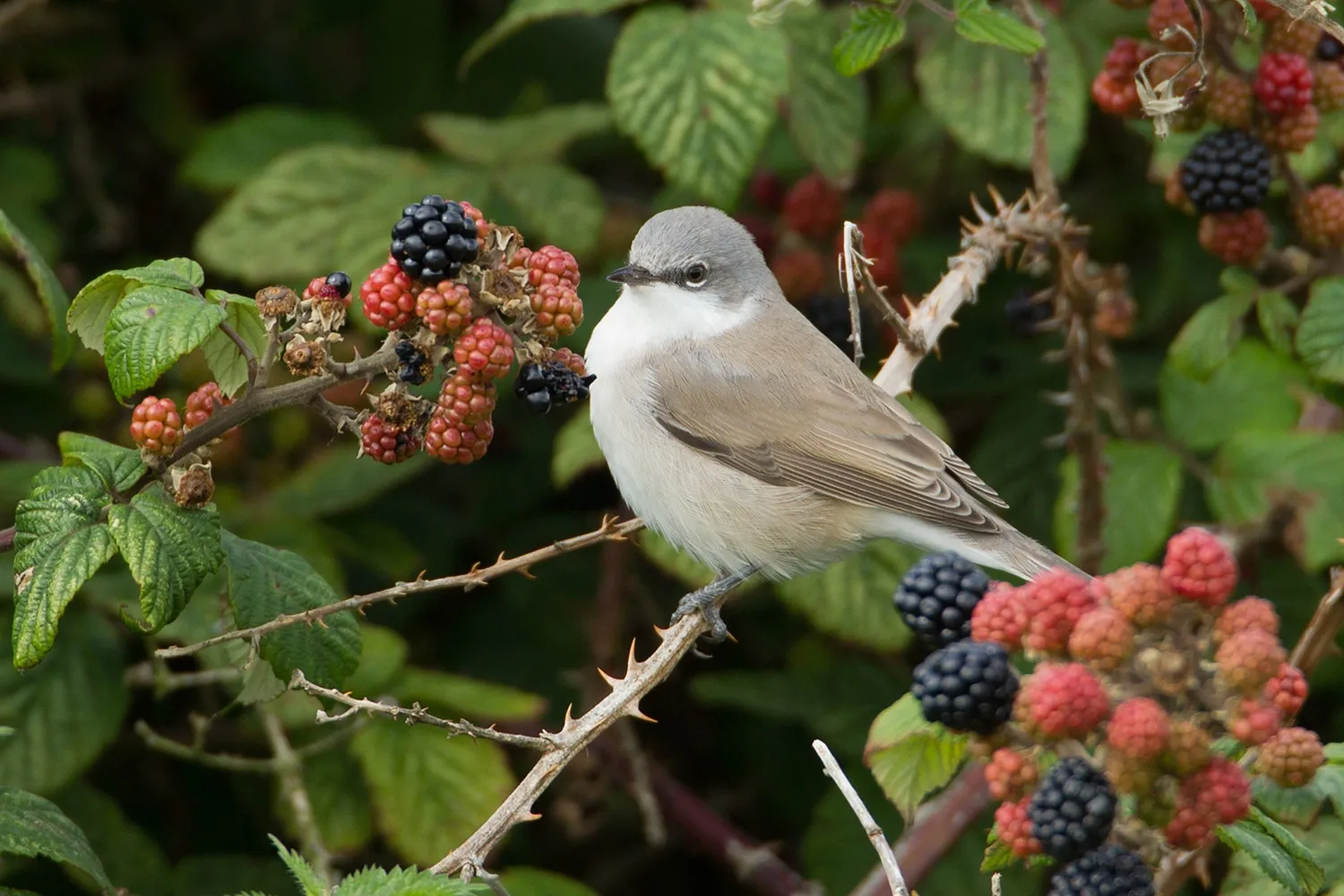
British Trust for Ornithology (BTO) has developed an app that will enable birdwatchers and scientists to delve deeper into species identification by analysing bird droppings. BTO has been involved in the development of Acoustic Pipeline technology for several years. This innovative tech utilises ultrasonic and audible sound recordings in the detection and identification of wildlife, including birds, bats, and even bush-crickets and moths. Building on these developments, scientists at BTO have now created an app, nicknamed ‘The Poopline’ that will allow naturalists to accurately identify bird droppings to species and subspecies level. Using ultrasound DNA sampling, any bird faeces can now be scanned in the field, to confidently reveal the identity of the bird responsible for the deposit. Want to know whether that splatter on your window came from a Herring or Lesser Black-backed Gull? Keen to know which bird has been roosting under your eaves? Trying to determine the exact race of that tricky, pale late-autumn Lesser Whitethroat Previously, the only way to carry out this kind of work was to physically collect a sample and send it the University of Aberdeen for screening. Of course many cryptic species’ identities have been revealed this way (Stejneger’s Stonechat, Eastern Yellow Wagtail, Pale-legged Leaf Warbler, Acadian Flycatcher, etc.) but there are still a number of pitfalls with this methodology. Indeed, currently there is only a 50% chance of successfully generating an ID from a faecal sample. It is hoped that the new app, which is scheduled for launch today (1 April 2024), will help birders and researchers unlock the many mysteries contained within avian evacuations. Prof. S. Platter, Systems Head (Information Technology) at BTO, said, This new technology, with easy-to-use software and machine-learning algorithms, will help take the guess work out of tricky identifications, and will expand our knowledge of vagrancy in birds. With a simple photo, we can gather essential data without having to scrape the bottom of the barrel, branch or fencepost.
27-03-2024
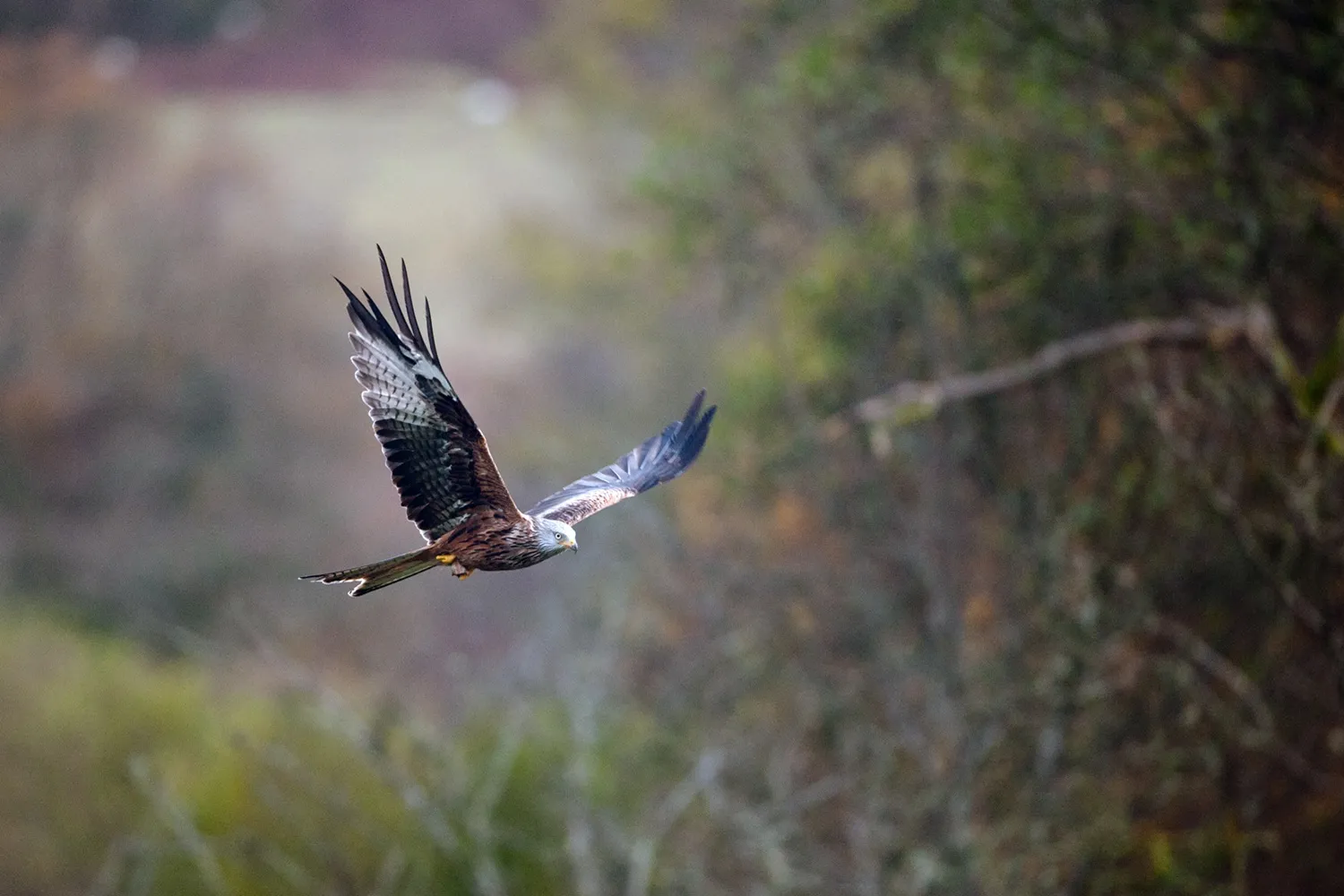
Will turbines signal an ill wind for Welsh Red Kites?
Research undertaken by the British Trust for Ornithology (BTO) predicts that the Red Kite population of Wales is likely to be resilient to the development of future wind farms. It is widely understood that there is a growing need for more renewable energy generation across the UK to mitigate the impacts of climate change. However, the development of renewable energy infrastructure could have consequences for attempts to safeguard habitats and the species they contain. One area of tension has been the potential threats posed to birds by wind turbines. In our need to secure more energy from clean and renewable sources, are we unwittingly in danger of causing irreversible damage to some of our most threatened wildlife? The Red Kite population in Wales has bounced back from near extinction thanks to conservation efforts, but possible threats to their ongoing recovery are of critical concern. This has resulted in understandable caution regarding where new onshore wind farm developments are proposed. To help clarify these considerations, BTO researchers were asked to investigate the extent to which current and future wind farms represent a threat to the Welsh Red Kite population. The research concluded that, whilst commissioning of the suite of wind farm projects currently in development might slow down the growth of the Red Kite population, it is very unlikely to result in an overall population decline. However, local declines are more probable in areas of high turbine density, and this is especially relevant in proximity to the two Special Protection Areas (SPA) which were designated, in part, because of their Red Kite populations – the Berwyn SPA and Elenydd-Mallaen SPA. Ultimately, the study shows that the continued growth of the Red Kite population in Wales is resilient to development of the right renewables in the right places. This work will help to inform planning and decision-making in the Welsh onshore wind energy sector. Callum Macgregor, Senior Research Ecologist with BTO, said “The project highlights the value of a partnership approach to address a serious conservation question – funded by industry, coordinated by BSG Ecology, using BTO’s expertise and nest recording and ringing data provided by Welsh Kite Trust, to deliver robust, independent evidence.” Rob Thomas, Senior Lecturer at Cardiff University School of Biosciences, said “It has been excellent to see the wind power industry taking seriously its potential impacts on wildlife and ecosystems, in this instance by funding independent research led by BTO into potential population-level effects of wind farm construction on Red Kites. The results are illustrative of how such effects can be robustly estimated, and — where necessary — minimised.” Owain Gabb, Director at BSG Ecology, said “It has been a pleasure to see the openness of the renewables industry in Wales to engaging with this project. The study demonstrates that with appropriate consideration at the design stage, wind farms are unlikely to affect Welsh Red Kite populations at the regional or national level, which is a very positive outcome.” Read the full report This project was funded by RenewableUK Cymru, a body representing the renewables sector, and utilised the expertise of ecological consultants from BSG Ecology and academics from Cardiff University.
21-03-2024
Seabird tracking sheds new light on migration
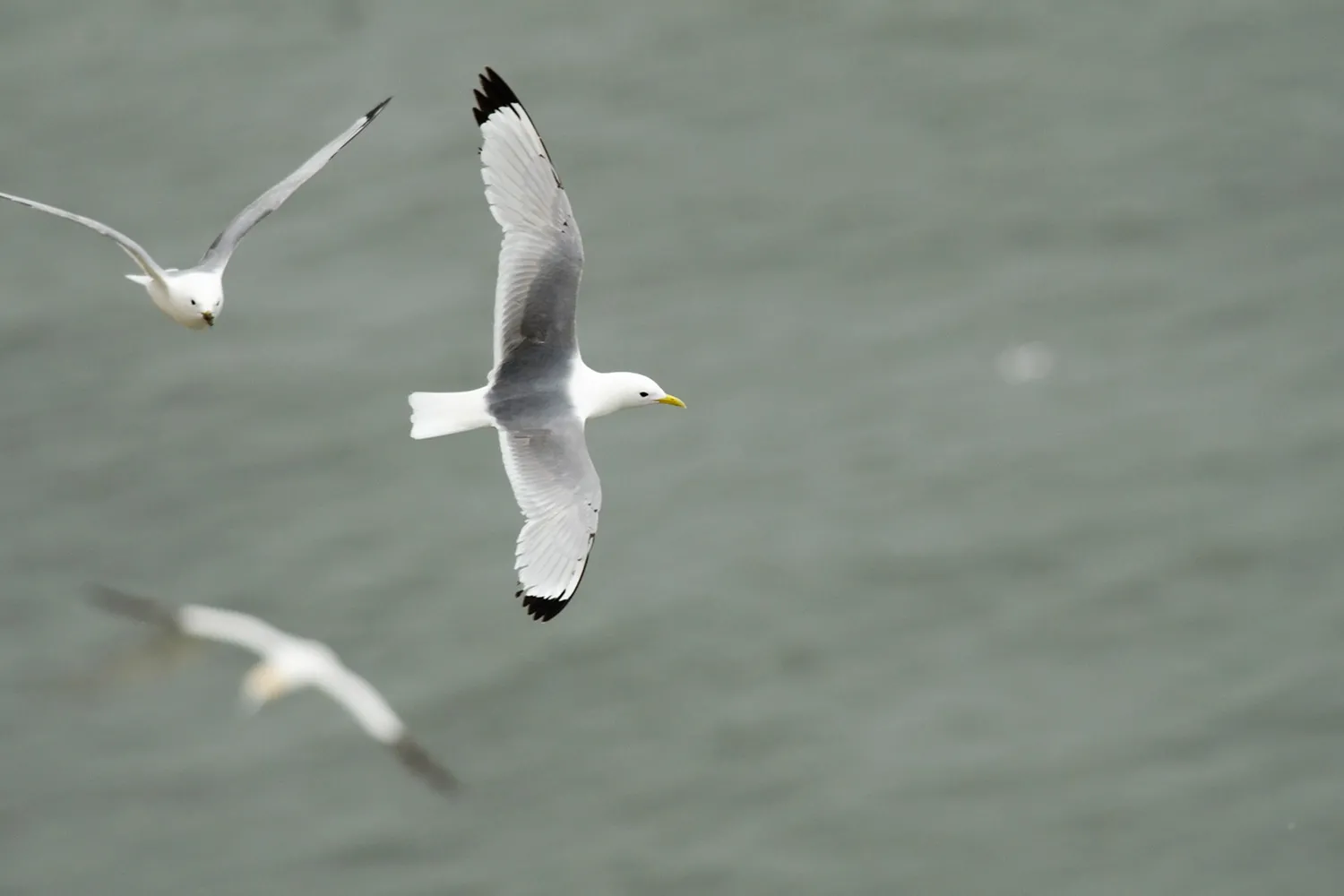
Revealing new research has shown how an endangered seabird is converging on specific stopping off points in the Atlantic Ocean during migration, helping scientists to better understand the bird’s conservation needs. Migrating birds can face a wide range of challenges. Whether they are crossing seemingly endless deserts, flying over towering mountains or traversing vast open seas, these hardy globetrotters often need to navigate more than simply the landscape beneath them. Sudden changes in weather conditions, pressures from hunting and the appearance of human-made infrastructure can all play a part in disorientating, diverting or delaying the long-distance travellers. Migration is not always as straightforward as getting from a starting point to an end destination; the route taken is often every bit as important, as is the availability of suitable stopovers where they can refuel for the next stage of the journey. A new study by the British Trust for Ornithology (BTO), in collaboration with scientists from several other research organisations, has revealed how one species, the highly migratory Arctic Skua, uses predetermined, mid-ocean meeting points while undertaking epic annual journeys. Arctic Skuas are impressive birds. Their preferred way of feeding is by stealing from other seabirds, which they relentlessly harass with astonishing agility. Pursuing Puffins, terns and Kittiwakes, these pirates do not give up until their victim has relinquished its lunch. Sadly, like many other seabirds, these skuas are in serious decline. Arctic Skuas are the fastest declining seabird in the UK and are on the Birds of Conservation Concern Red List. Scientists from BTO have been working to better understand the movements of these global wanderers to identify the continued threats the birds face. By fitting miniature long-term tracking devices to nesting skuas in northern Scotland, Norway, the Faroes and Svalbard, the researchers were able to determine the various routes the skuas took during both spring and autumn migrations. The findings revealed that although the skuas largely nested and wintered in widely separate places, many of the birds headed for, and spent at least some time in, the same specific areas, resting and refuelling while they were travelling between their breeding and wintering grounds. These remote areas of ocean attract migrant seabirds of several species thanks to the rich sources of food found there. These mid-sea service stations provide a convenient stop-off point for tired and hungry avian travellers, as well as other marine wildlife such as whales and dolphins, from all points of the compass. Individual skuas are very site-faithful; year after year they return to the same nesting sites. Similarly, individuals also return to the same far-flung locations to spend consecutive winters. Despite skuas from various nesting areas meeting up at these Atlantic ‘hot spots’ the birds each go off in their own direction, rather than follow the crowd. This means that a bird which nested in the Arctic Circle may spend the non-breeding season off the coast of South America while its partner heads to the shores of South Africa. The following spring, both birds will head back north, once again mixing with other skuas at a mid-ocean meeting point before returning to the same patch of tundra to nest on as they did the previous year. While some of these ‘hot spots’ have Marine Protected Area (MPA) status, other areas are not currently designated and could be worthy of further investigation. Nina O’Hanlon, Senior Research Ecologist at BTO, said, “By identifying the various routes and stopping off points these wide-ranging seabirds use we can start to identify threats they may encounter along the way and further safeguard these areas. By revealing how extensively skuas mix during migration we can also now better understand how their experiences during this period can impact the fate of multiple breeding populations.” Read a summary of the scientific paper This research was fully funded through the generosity of private donors and the full paper can be read here: www.int-res.com/abstracts/meps/v730/p113-129/
07-03-2024
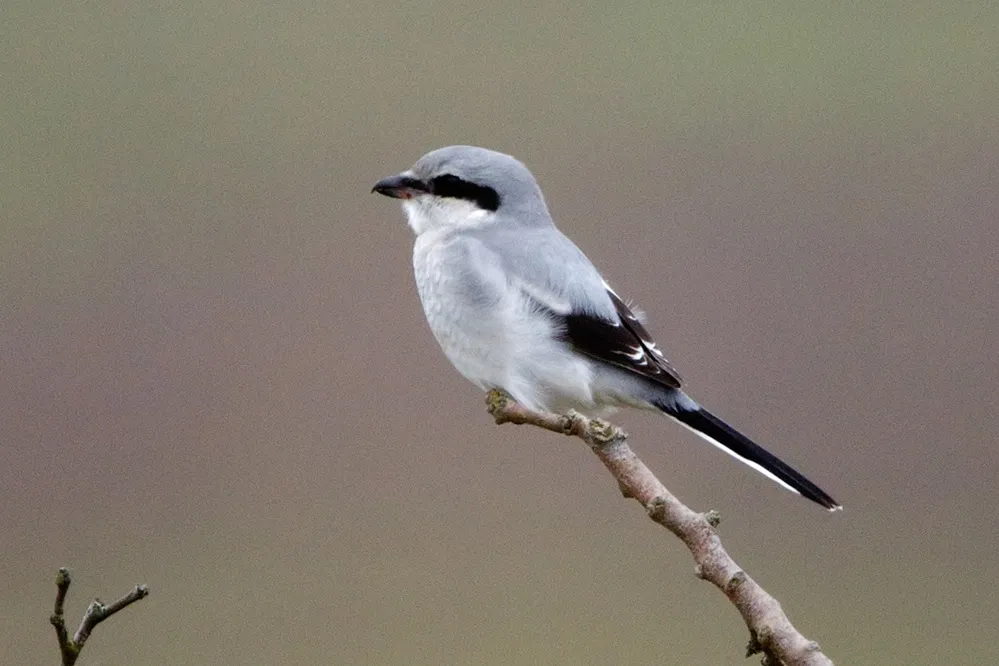
Shrike a light! BB/BTO Best Bird Book of the Year 2023 announced
The British Trust for Ornithology and British Birds are delighted to announce the winner of the award for Best Bird Book of the Year 2023.
05-03-2024
Youth In Nature Summit scales new heights in conservation collaboration
Hundreds of enthusiastic young people gathered at the David Attenborough Building in Cambridge recently to help shape the future of the UK conservation sector. Following on from an inaugural summit in 2022, a second two-day event took place on 17 and 18 February which sought to bring together organisations, speakers and conservation charity leaders from across the environmental sector to be inspired by, and empower young people. The whole event was organised, planned and delivered by a partnership of young volunteers from the British Trust for Ornithology (BTO), the RSPB and World Wide Fund for Nature (WWF). As well as bringing passionate young advocates for nature together to share their own ideas and experiences, the summit served to encourage leaders in the conservation sector to think more inclusively about young people, how to bring them into their governance structures and create more opportunities for meaningful engagement. The summit showcased the work of inspirational young volunteers, and also highlighted some of the challenges and barriers that young people face when engaging with conservation and nature. Speakers at the event included TV presenter and zoologist Megan McCubbin, CEO of Wildlife and Countryside Link Richard Benwell and Youth Engagement Officer from Butterfly Conservation, Emma Dakin. Key figures from the major conservation charities were also involved in facilitating sessions and workshops aimed at empowering youth-led change in the sector. BTO, RSPB and WWF have taken leading roles within the conservation sector in creating a diverse and engaged network of young people who will become tomorrow’s leaders. As the conservationists and policy makers of the future, young nature enthusiasts know that collaboration is fundamental to success and the summit provided an energetic platform for passionate, environmentally aware young people from a wide range of backgrounds to come together, build lasting connections and to have their voices heard. Professor Juliet Vickey, BTO Chief Executive, said, “At the 2022 summit leaders were challenged to act beyond organisational boundaries. The three-way collaboration to deliver the second summit is a sign we listened and acted. The youth voice is ambitious for nature, because that is what nature needs. It’s a voice full of energy and new ideas and it’s getting louder all the time - BTO is determined to hear it! The energy, optimism and determination of the second Youth in Nature Summit was simply extraordinary. It was a huge privilege to be part of it, to see young people connect through a love of nature and leave with new insights, skills and friendship - confident that they really can make a difference for the world they will inherit.” Freddie Emms, 17, member of the RSPB’s Youth Council, said, “The Youth in Nature Summit brought together young people and leaders from across the conservation sector into one room with some phenomenal speakers to foster a tangible atmosphere of shared passion, determination and hope. We inspired collaboration and empowerment in what was an uplifting and hopeful weekend, and hope that the common ground we discovered will ultimately enable us all to come together to achieve some fantastic change in the very near future.” Beccy Speight, RSPB Chief Executive, said, “It was incredibly inspiring to see the passion these young people have for nature and their desire to change things for the better. It is crucial they are given a platform for their voices to be properly heard and that they are at the heart of efforts to tackle the nature and climate crisis. Only by everyone working together can we deliver the change that nature needs.” Read Esther's own take on the Youth in Nature Summit 2024 Images are available for use alongside this News Release. These can be downloaded from this link for which you will need to enter the password 2024-10Youth. Alternatively, please contact press@bto.org quoting reference 2024-10.
22-02-2024