Throughout the year we send out press and media releases to individuals and organisations who have signed up to receive these. This page holds details of the press releases posted over the past two years. For press and media enquiries, please email press@bto.org.
The search is on to find the UK’s most knowledgeable young birders!
Apply now for this year's Martin Garner Spurn Young Birder competition, held at Spurn MigFest in East Yorkshire from 8–10 September. The competition is a test of bird knowledge and identification skills. It's open to all birders aged 16 and under. Are you aged 16 or under and passionate about birds and bird identification? Showcase your skills and enthusiasm by taking part in the Martin Garner Spurn Young Birder (MGSYB) competition at this year’s Spurn Migration Festival (MigFest), which will take place 8–10 September. The competition is run by a friendly and welcoming group of fellow birders who are looking forward to meeting you and chatting about all things birds! MGSYB shares the aims of the late Martin Garner, a knowledgeable birder who was passionate about sharing his expertise to encourage and inspire others to really study birds and push the boundaries of bird identification. To take part, simply fill out the online questionnaire by 3 July 2023. It asks you about your birding experiences, including where you watch birds, how you record them and what motivates you to go birding. There are also a few questions that test your ability to identify birds that regularly occur in the UK. Six finalists will be invited to spend a morning birding with our friendly judges on 9 September at Spurn, East Yorkshire. This will give you the chance to showcase your identification skills at an incredible birding hotspot – including sea watching, looking at waders and wildfowl on the Humber Estuary, and searching through scrub for migrants – before heading back to base to answer a few theory questions. There are two age categories: 13 and under, and 14 to 16. All finalists will win memberships of organisations including BTO and Spurn Bird Observatory Trust (SBOT), and a subscription to British Birds. The winner in the senior age category will take home a pair of Swarovski binoculars while the junior winner will receive a pair of binoculars from Opticron, both along with further bird-related subscriptions. To enter you must be 16 or under on 9 September and able to get to Spurn, East Yorkshire, accompanied by a parent or guardian. The closing date is Sunday 9 July. Josiah Evans, 2022 junior category winner, said: “The Martin Garner Spurn Young Birder competition was an unforgettable experience. It was a time of making new friends, gaining knowledge and birding. I really enjoyed birding with others of a similar age and learning from more experienced people. Winning the junior category in 2022 was a highlight of my year!” Sarah Harris, MGSYB coordinator for SBOT and BTO, said: “It is always a great privilege to meet these enthusiastic and skilled young birders, and it’s fantastic that there are now so many different and varied opportunities for young people who are inspired by birds and wildlife. MGSYB is just one example and we hope it will help young birders to build their confidence and passion, and give them the opportunity to meet like-minded people.” Other MigFest events for young people taking place over the MigFest weekend include walks, talks, ringing demonstrations, a photography competition and lots more! Visit www.spurnmigfest.com for more information.
31-05-2023
Fears grow around new wave of Avian Influenza as disease kills thousands of inland gulls
Avian Influenza is killing large numbers of Black-headed Gulls at inland and coastal breeding colonies across central and northern England, prompting fears among scientists that a new wave of the disease could be building. Researchers from the British Trust for Ornithology (BTO) want members of the public to help track the spread of Avian Influenza by reporting all dead birds through both the BirdTrack app and to Defra. In Northern Ireland, dead birds should be reported both through BirdTrack and DAERA. More than 1,500 Black-headed Gulls are thought to have been killed by Avian Influenza at Marsh Lane Nature Reserve near Coventry, while around 800 are feared to have died at RSPB St Aidans, near Leeds, and around 250 at Rutland Water. The majority of sick or dying Black-headed Gulls confirmed to have Avian Influenza have been reported from sites between Buckinghamshire and Yorkshire, with cases also reported in Surrey and Montgomeryshire. Although only a relatively small number of dead birds are tested for Avian Influenza, current sampling suggests very large numbers of Black-headed Gulls are already affected. All dead and sick birds of any species should be reported to BirdTrack, which allows researchers to follow the disease’s geographical spread and rapidly assess potential impacts on populations, and to Defra, so that if needed, dead birds can be collected for testing. These sources indicate that more than 4,000 Black-headed Gulls have died in just the past few weeks, and that the mortality rate is increasing. This figure suggests that over 1% of the 140,000 pairs of Black-headed Gull thought to breed in the UK each year have died in the last few weeks - this in a normally long-lived species with a typical lifespan of 11 years is concerning. Worryingly, the breeding population has already been in decline for a number of years, and the species was placed on the Amber List of Birds of Conservation Concern in 2021. The impact Avian Influenza will have on this already struggling species remains unclear, but if the current rate of mortality continues it has the potential to have a large impact on this familiar and charismatic species. Black-headed Gulls nest alongside other species, such as Common Tern, Sandwich Tern and Avocet: there are concerns that these too might be affected. Similar mortalities among Black-headed Gulls were reported in France earlier this year, followed by birds in the Low Countries, Italy and Germany. Data from bird ringing show that Black-headed Gulls that breed in the UK often spend the winter in western continental Europe before migrating north, indicating a possible route of transmission. Large numbers of dead birds are now also being reported at breeding colonies in Belgium, the Netherlands, Germany, Denmark and Poland. Such widespread impacts across Europe would be likely to significantly reduce the number of wintering birds that return to the UK next autumn and winter. Members of the public are reminded not to touch dead or sick birds and to keep dogs on leads to prevent them from scavenging on carcasses. Professor James Pearce-Higgins, BTO Director of Science, said, “Last year saw Avian Influenza kill tens of thousands of seabirds at the UK’s internationally important coastal breeding colonies. The latest news about Black-headed Gulls shows that the virus is now impacting inland colonies, too. Black-headed Gulls breed at a wide range of inland water bodies, which makes them much more obvious to members of the public. Everyone can help us to understand more about the ongoing outbreak of this very worrying disease by reporting any dead birds they do see via BirdTrack and to Defra’s online portal.” Professor Phil Atkinson, BTO Head of International Research said, “The first reports of large mortalities started in the last week of March with, for example, dozens of dead birds being reported at Rutland Water and Marsh Lane Nature Reserve. Since then, the numbers of sick and dead birds has increased rapidly with reports coming in from across central England. By late April and early May, BirdTrack received the first reports of coastal sites being affected and the spread is likely to increase to other parts of the UK.”
16-05-2023

73 million birds gone since 1970 – but which have vanished near you?
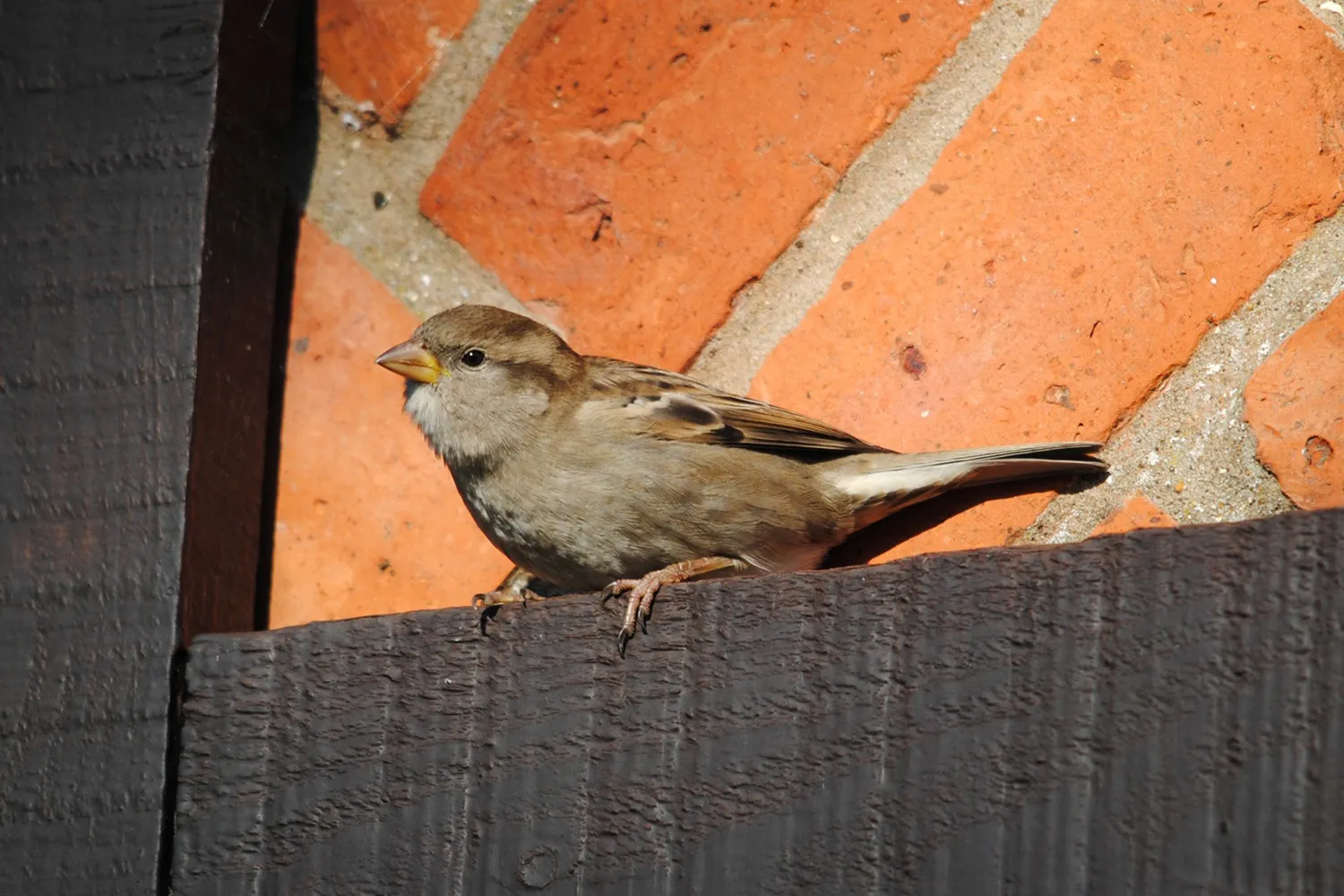
The UK is home to 73 million fewer birds today than it was in 1970, according to research from the British Trust for Ornithology (BTO) published today, International Dawn Chorus Day. This staggering number – a decline of almost a third – is almost impossible to comprehend, but many older people will be aware of the disappearance of certain species, such as Cuckoo and Turtle Dove, from their local area. Alongside this headline figure, BTO has created a website so that anyone can discover which species would once have been on their doorstep but are now a distant memory, simply by entering their postcode. Almost 30 million House Sparrows, 20 million Starlings, 4 million Skylarks, 2 million Blackbirds and 1 million Chaffinches have vanished from the UK since 1970, scientists found by comparing the results of BTO-led surveys from across a 50 year period. The results paint a shocking picture of loss, with familiar birds as well as rarer species disappearing from our towns and countryside at an unprecedented rate. The estimated losses actually total 114 million individuals (or 57 million breeding pairs). The losses are masked in part by increases in certain other species, including some familiar residents (e.g. Wren, Woodpigeon and Blackcap), and new arrivals (e.g. Little Egret and Cetti’s Warbler). The growing numbers of these species, which result in gains of c. 41 million individuals, do not compensate for the extraordinary losses overall, resulting in a net loss of 73 million individuals. Head to Birds on Your Doorstep to find out which species have been lost where you live. Professor Juliet Vickery, BTO Chief Executive, says, “BTO’s wealth of data means we can confidently report this alarming drop in the UK’s breeding bird population. Presenting these results at the local level, so that anyone can see the changes that have happened on their doorstep simply by entering their postcode, delivers a powerful message that the UK’s birds are in trouble, and that we all need to do more. In the last 50 years, my own area of Cambridgeshire farmland has experienced some of the highest declines of species in Britain and Ireland. I can no longer hope to hear Nightingales singing or enjoy House Martins quite literally sharing my home. Future generations may well not hear or see Song Thrushes, Cuckoos or Kestrels in the area either. We must all do more to reverse these relentless declines and we need to do it urgently.” Dr Rob Robinson, BTO Associate Director of Science, who led on the project, says, “Some detective work was required to assemble different sources of information, particularly as recording was more fragmented back in 1970. Counting birds on such a large scale isn’t easy and some numbers are difficult to ascertain. However, we’re lucky to have the help of thousands of highly skilled volunteers who have seen for themselves the way that birds have disappeared from UK landscapes.”
11-05-2023
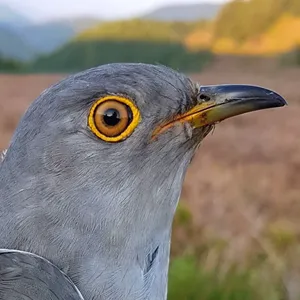
He's back! First tracked Cuckoo of the 2023 makes landfall in the UK
The first Cuckoo from the British Trust for Ornithology (BTO) Cuckoo Tracking Project to arrive back in the UK reached his breeding grounds in Wales over the weekend, researchers revealed today. The bird, named JAC, arrived near the Welsh town of Llangollen, marking the end of an extraordinary 12,000 km round trip between the UK and the rainforests of central Africa, where JAC and the other BTO Cuckoos spent the winter. JAC is one of more than 100 Cuckoos to have been fitted with a lightweight satellite tag by BTO scientists investigating the behaviour of these remarkable birds. The project, now in its 12th year, has revealed the different routes the species takes on migration and a range of factors that may be responsible for its decline in the UK. We’ve lost more than a third of our Cuckoos since the mid-1990s, putting this once ubiquitous bird and its mesmerising song at risk of disappearing from the UK altogether. After spending the winter in the Democratic Republic of Congo, JAC began his long journey back to the UK on 22 February. First he flew almost 2,000 km north-west to Nigeria and then another 1,400 km west to Guinea, where he spent a month feeding up in preparation for the arduous Sahara crossing ahead. JAC’s non-stop flight over the world’s largest desert came at the end of March, after which he arrived in his next staging area, the mountains of southern Spain. JAC was tagged in June 2021 close to where he is right now (Cuckoos return to the same area each year to breed). He is named in loving memory of Professor Jenny Clack, a palaeontologist widely acknowledged as the leading authority on the evolution of land vertebrates from fish. The name was chosen by Jenny’s husband Rob, who said: ‘It seemed appropriate I should contribute to this important scientific study of Cuckoos in memory of a top-class scientist, whom I adored.’ Dr Chris Hewson, BTO Cuckoo Tracking Project lead, says, It’s great to see JAC back at his breeding site, blazing the trail for the other tagged cuckoos following in his wake. Forthcoming results from this project examine what determines when the Cuckoos arrive back to the UK, and highlights some of the stresses that these birds are under trying to keep pace with climate change and the need to arrive back in time for ever-earlier springs. Every migration we track adds to our growing knowledge of these birds’ lives and helps us to understand how we can best help them to adapt to our rapidly changing world. Dr Ieuan Evans, BTO Director of Engagement, says, The return of the first BTO Cuckoo each year is always cause for celebration. But, like many long-distance migrants, this species is in steep decline in the UK. We urgently need to learn more about the challenges Cuckoos face here and elsewhere in their range. Through this project we have revealed the wintering grounds of UK Cuckoos and the routes they take to get there and back. Our scientific research has shown that a Cuckoo’s chances of survival are strongly impacted by the route it takes between the UK and Africa. With improved information we stand a much better chance of conserving this magical species. Follow all the BTO Cuckoos and learn more about the migration tracking project.
28-04-2023
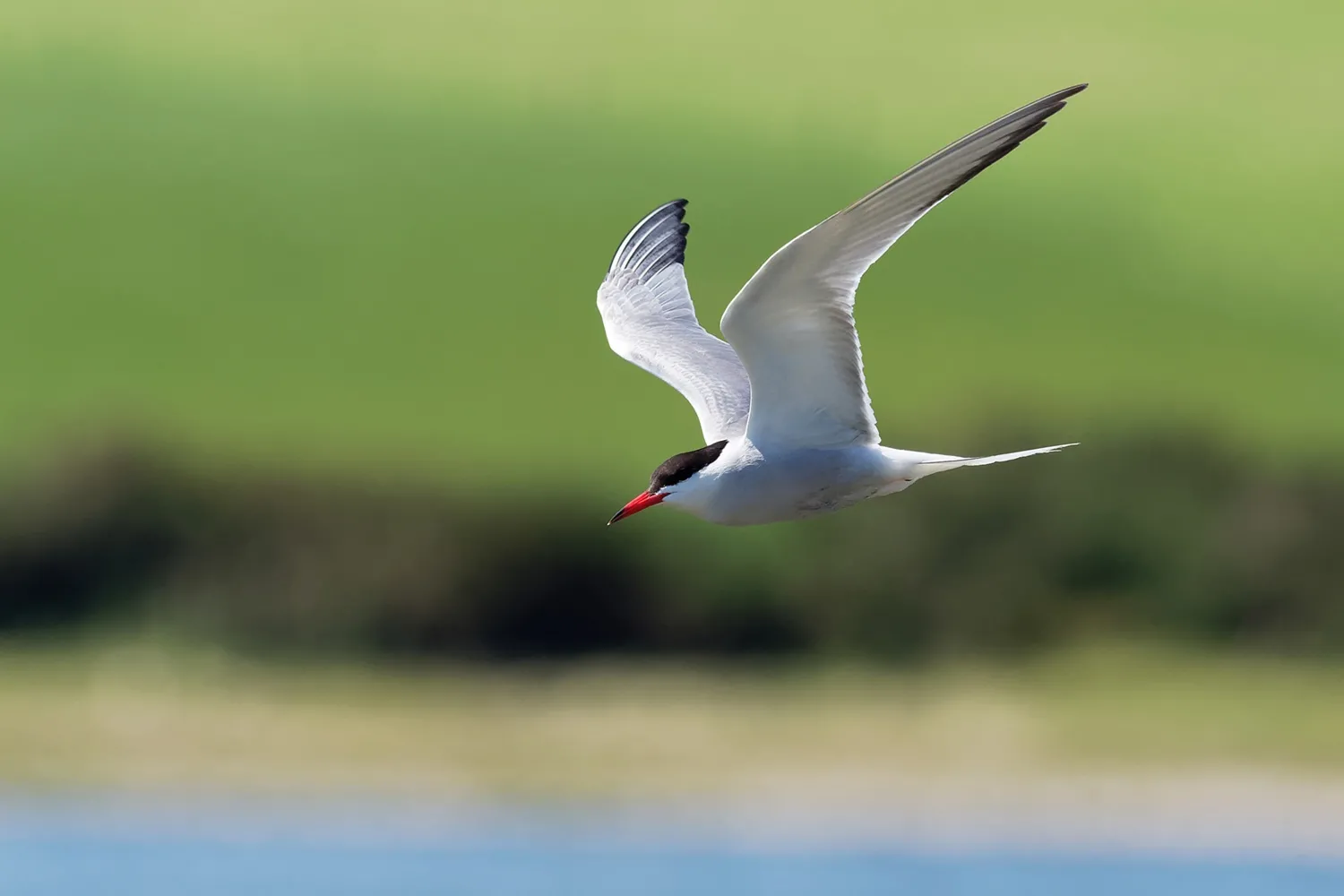
New report paints a mixed picture for Northern Ireland’s internationally important seabirds
The tenth annual Northern Ireland Seabird Report has been published today by the British Trust for Ornithology (BTO). It shows very different results for two species classified by the IUCN as Vulnerable at the European level, Fulmar and Kittiwake, as well as reporting concerning information on the breeding success of Common Terns. All but one of the 22 species covered are on the Red or Amber lists of Birds of Conservation Concern in the UK, something partly explained by the long-term declines charted in the report. The report is a comprehensive analysis of the numbers of seabirds that bred in Northern Irish colonies in 2022. It draws on data collected by a dedicated and highly skilled network, led by BTO, of volunteers and staff of National Trust, Ulster Wildlife and RSPB on behalf of the Northern Ireland Environment Agency (NIEA). 2022 was the first year in which monitoring of seabird colonies was expected to return to ‘normal’ following restrictions due to Covid-19. However, access was greatly reduced from late June, when Highly Pathogenic Avian Influenza (HPAI) made landfall. Luckily, the disease reached Northern Ireland later in the breeding season than elsewhere in the UK, where it devastated seabird colonies and halted fieldwork. Kittiwake numbers were found to have increased since 2021 at almost all surveyed sites, with an increase of 18% at Portrush and the highest total on Muck Island since 1987. This is in contrast to the species’ status in the UK as a whole, where numbers have halved since the late 1980s. Although Fulmars remain widespread breeding birds in Northern Ireland, their numbers are at a low ebb. The declines are particularly alarming in County Londonderry, where the species has all but vanished from a number of sites. Northern Ireland’s Common Tern colonies appear to have recovered from a bad breeding year in 2020, with 44% more nesting birds in Strangford Lough than in 2021. However, surveys found evidence of very low and declining breeding success, with an average of 0.23 chicks fledged per nest. For some colonies in Strangford Lough, this dropped to just 0.09 chicks per nest, due to a combination of flooding and predation by American Mink. The report notes that volunteers managed exceptionally high coverage during surveys of Black Guillemot, an iconic Northern Irish species. This is just one remarkable example of the dedication and passion of the volunteers who work tirelessly to help us understand how to and preserve the region's seabirds. Dr Katherine Booth Jones, BTO Senior Research Ecologist and Northern Ireland Seabird Report Editor, said, This report would not exist without the Northern Ireland Seabird Network, a special collaboration between volunteer seabird surveyors, the BTO, NIEA, RSPB, the National Trust and Ulster Wildlife. The monitoring work, which revealed both winners and losers in 2022, allows scientists to better understand how Northern Ireland’s internationally important seabird populations are responding to their changing environment.
17-03-2023