Throughout the year we send out press and media releases to individuals and organisations who have signed up to receive these. This page holds details of the press releases posted over the past two years. For press and media enquiries, please email press@bto.org.
Youth In Nature Summit scales new heights in conservation collaboration
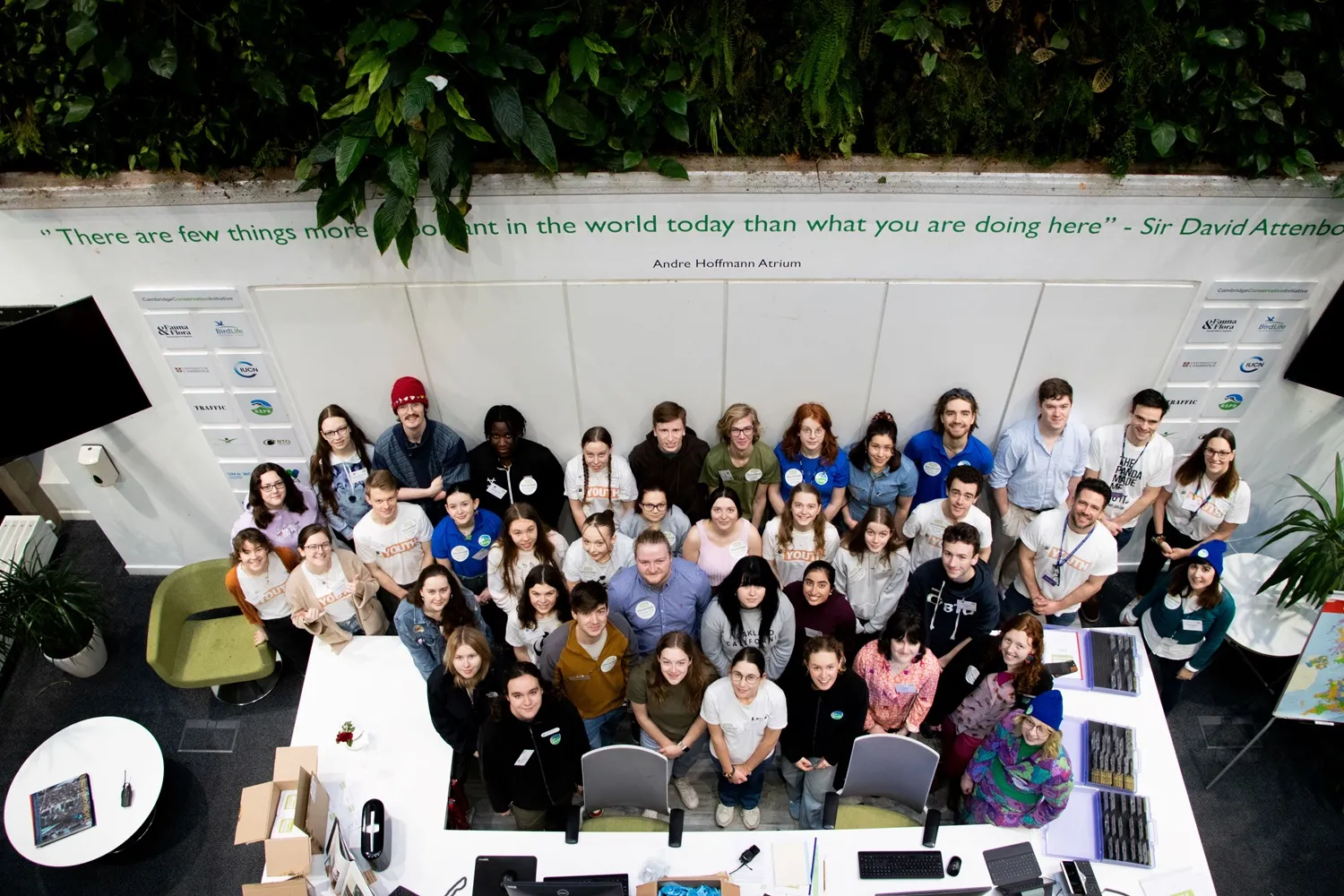
Hundreds of enthusiastic young people gathered at the David Attenborough Building in Cambridge recently to help shape the future of the UK conservation sector. Following on from an inaugural summit in 2022, a second two-day event took place on 17 and 18 February which sought to bring together organisations, speakers and conservation charity leaders from across the environmental sector to be inspired by, and empower young people. The whole event was organised, planned and delivered by a partnership of young volunteers from the British Trust for Ornithology (BTO), the RSPB and World Wide Fund for Nature (WWF). As well as bringing passionate young advocates for nature together to share their own ideas and experiences, the summit served to encourage leaders in the conservation sector to think more inclusively about young people, how to bring them into their governance structures and create more opportunities for meaningful engagement. The summit showcased the work of inspirational young volunteers, and also highlighted some of the challenges and barriers that young people face when engaging with conservation and nature. Speakers at the event included TV presenter and zoologist Megan McCubbin, CEO of Wildlife and Countryside Link Richard Benwell and Youth Engagement Officer from Butterfly Conservation, Emma Dakin. Key figures from the major conservation charities were also involved in facilitating sessions and workshops aimed at empowering youth-led change in the sector. BTO, RSPB and WWF have taken leading roles within the conservation sector in creating a diverse and engaged network of young people who will become tomorrow’s leaders. As the conservationists and policy makers of the future, young nature enthusiasts know that collaboration is fundamental to success and the summit provided an energetic platform for passionate, environmentally aware young people from a wide range of backgrounds to come together, build lasting connections and to have their voices heard. Professor Juliet Vickey, BTO Chief Executive, said, “At the 2022 summit leaders were challenged to act beyond organisational boundaries. The three-way collaboration to deliver the second summit is a sign we listened and acted. The youth voice is ambitious for nature, because that is what nature needs. It’s a voice full of energy and new ideas and it’s getting louder all the time - BTO is determined to hear it! The energy, optimism and determination of the second Youth in Nature Summit was simply extraordinary. It was a huge privilege to be part of it, to see young people connect through a love of nature and leave with new insights, skills and friendship - confident that they really can make a difference for the world they will inherit.” Freddie Emms, 17, member of the RSPB’s Youth Council, said, “The Youth in Nature Summit brought together young people and leaders from across the conservation sector into one room with some phenomenal speakers to foster a tangible atmosphere of shared passion, determination and hope. We inspired collaboration and empowerment in what was an uplifting and hopeful weekend, and hope that the common ground we discovered will ultimately enable us all to come together to achieve some fantastic change in the very near future.” Beccy Speight, RSPB Chief Executive, said, “It was incredibly inspiring to see the passion these young people have for nature and their desire to change things for the better. It is crucial they are given a platform for their voices to be properly heard and that they are at the heart of efforts to tackle the nature and climate crisis. Only by everyone working together can we deliver the change that nature needs.” Read Esther's own take on the Youth in Nature Summit 2024 Images are available for use alongside this News Release. These can be downloaded from this link for which you will need to enter the password 2024-10Youth. Alternatively, please contact press@bto.org quoting reference 2024-10.
22-02-2024
Love birds welcome National Nest Box Week
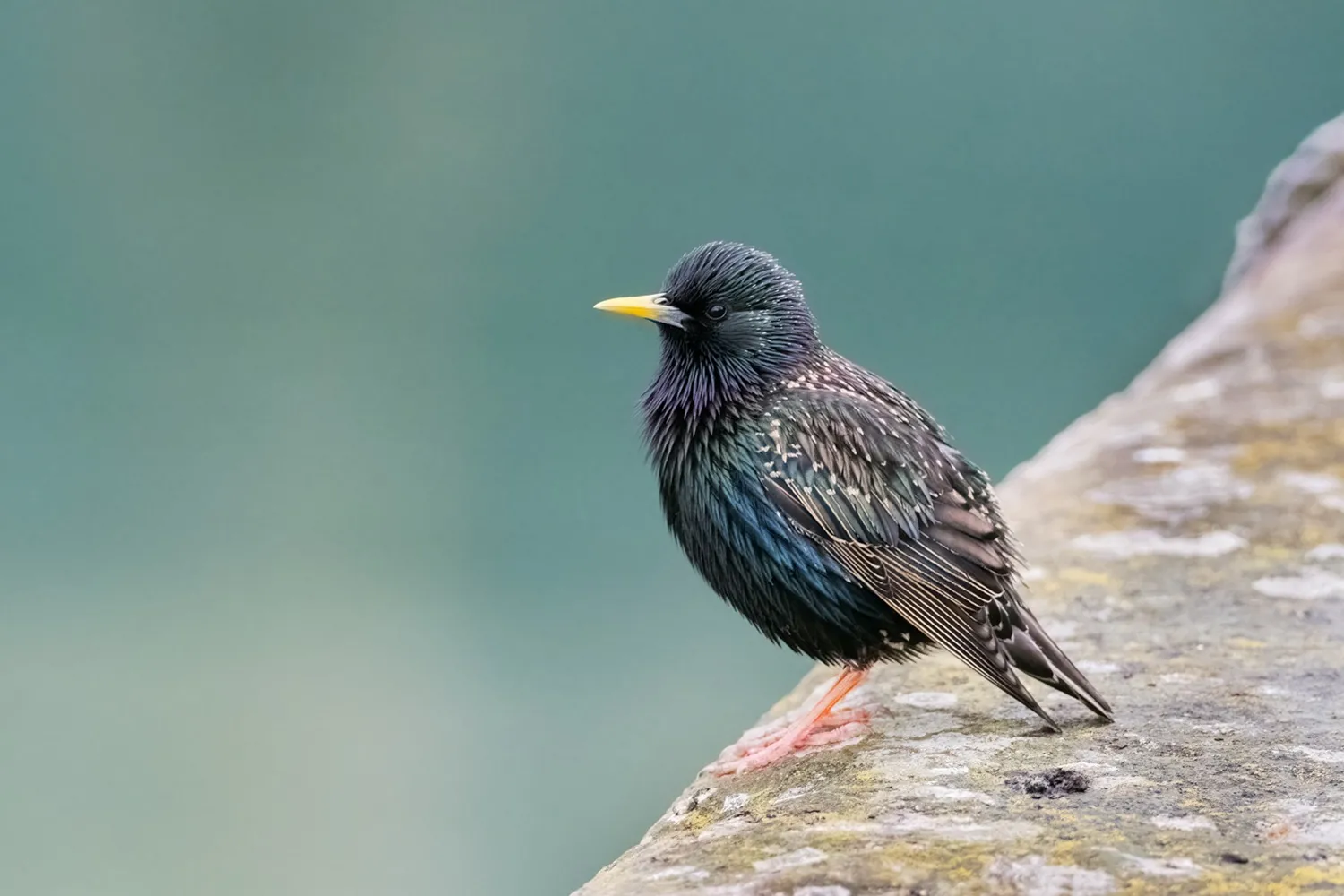
As the days start to lengthen and the breeding season approaches, it’s time to think about how we can provide a safe home for our favourite garden visitors. Each year, Valentine’s Day marks the start of National Nest Box Week. Mid February is when many birds will start to pair up and seek out territories for the breeding season ahead so now is a great time to put up new nest boxes, says the British Trust for Ornithology (BTO). Loss of suitable habitat, changes in land-use and other factors have impacted negatively on many of the UK’s breeding bird species, resulting in many well-known species, such as House Sparrow and Starling, being placed on the Birds of Conservation Concern Red List. As a consequence, gardens and public green spaces are ever more vital for declining birds. It is increasingly important that these feathered neighbours find a safe place to raise their broods. By providing nest boxes near our homes, we can help many of our garden visitors thrive. There is a staggeringly wide variety of boxes, each designed to suit different species. Some birds are secretive and like to nest away from others while others choose to form small colonies. Also, access to the box will determine which birds may use it. Robins, Wrens and Spotted Flycatchers for example, prefer open-fronted boxes while sparrows and tits will use ones with holes. Whether you build your nest box or buy one ready-made, consider which birds you hope to attract. The box should be located where the entrance is sheltered from prevailing wind, rain and strong sunlight. A bird that also takes readily to artificial nesting sites is the Swift. These astonishing aerial acrobats have suffered major population declines in recent decades and many homeowners are now providing special boxes for these dynamic travellers, whose distinctive screaming calls were once a familiar summer sound in our cities and towns. With a fondness for nesting on tall buildings and under house eaves, Swifts have suffered as a result of widespread home improvements and the restoration and repurposing of old industrial buildings. These incredible birds spend most of their lives on the wing, only landing when they come to nest with us. Now, thanks to the popularity of Swift nest boxes, people all around the UK are creating new homes for these birds with considerable success. The BTO website has a dedicated nest box page providing information and advice on the building, buying and positioning of nest boxes and the different birds that can be attracted. For details visit: bto.org/how-you-can-help/providing-birds/putting-nest-boxes-birds As well as providing an invaluable home for our garden birds, nest boxes can also help supply important data. The BTO’s nest monitoring schemes offer a way for people to monitor the health of our nesting bird populations by sending in their records, contributing vital information to the understanding of birds’ breeding success. To find out more, go to: bto.org/how-you-can-help/providing-birds/putting-nest-boxes-birds/monitoring-nests BTO’s Nesting Neighbours survey organiser Hazel McCambridge, said, “It really benefits our garden birds to put up boxes to provide them spaces to nest, particularly in urban and suburban areas where nest sites are very limited; by collecting information on nesting attempts we are able to keep track of how successful bird breeding is each year and how this is affecting populations. This provides an important puzzle piece in understanding how habitat and climate change is impacting Britain's birds.”
13-02-2024
British gulls contribute to plastic pollution in European wetlands
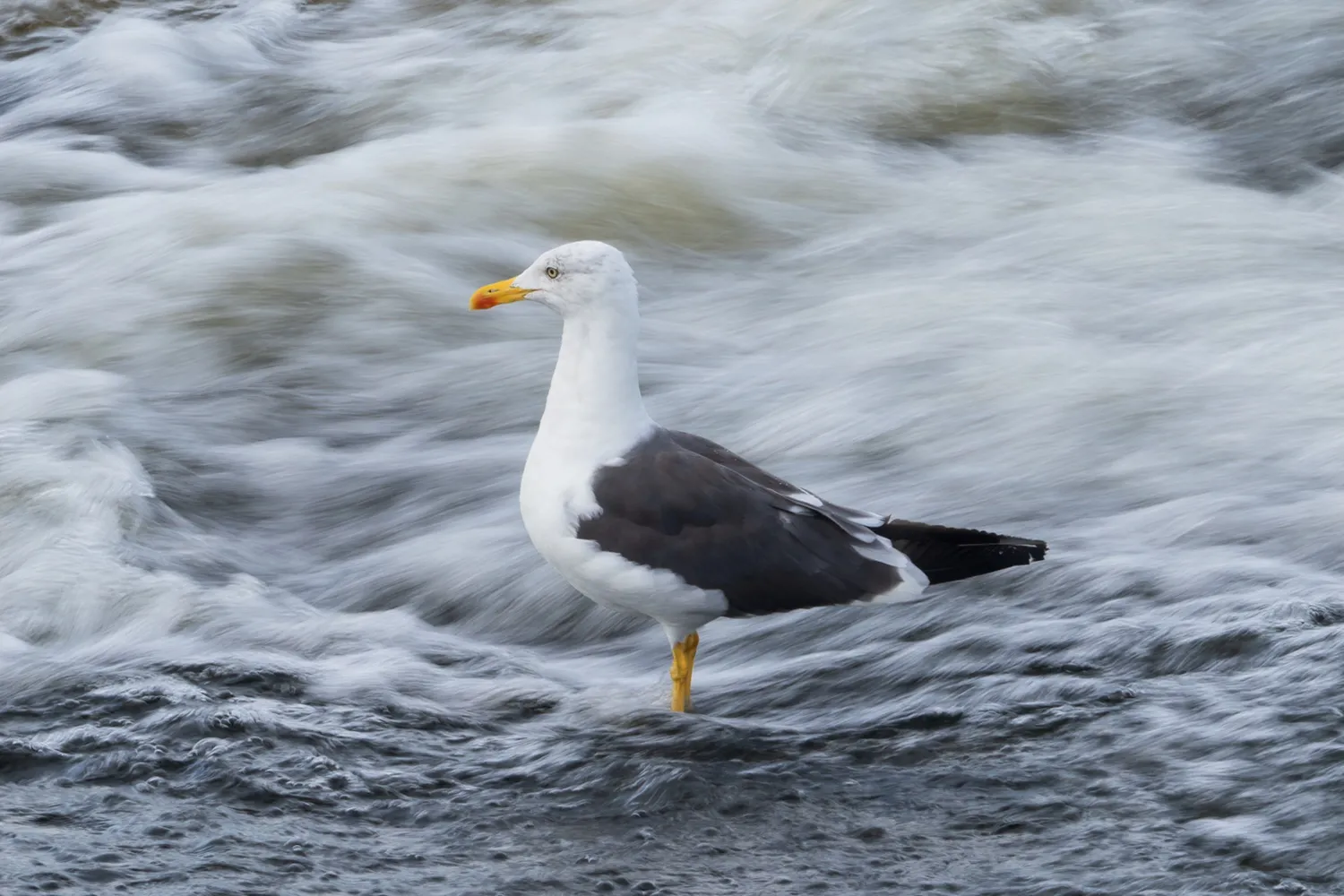
Researchers in Spain have discovered that gulls visiting from Britain are transporting significant amounts of plastic waste from landfill sites to key wetland areas. The threats posed by plastic pollution to marine environments have long been understood but this study sheds new light on the potential problems faced by freshwater sites. A paper recently published by the Doñana Biological Station, of the Spanish Science Council (CSIC), and in collaboration with the British Trust for Ornithology (BTO), shows how birds feeding on landfill sites ingest significant amounts of plastic and other debris then later deposit these indigestible fragments while roosting at natural wetlands. Gulls, like birds of prey and owls, regurgitate pellets often containing fish bones, feathers and other non-edible items. However, those birds feeding on open landfills often ingest plastic, glass and textiles along with human food waste. And while we know that eating these pollutants can cause serious direct harm to birds’ health, this research shows that the problems could have far greater ecological impact than previously expected. The study focused on Lesser Black-backed Gulls, a common wintering bird in Andalusia, south-west Spain. The birds, which had been fitted with GPS tags at breeding sites in the UK including colonies in Cumbria and Pembrokeshire, were monitored as they fed at the landfills and moved to roost and bathe at the internationally important Fuente de Piedra lake nature reserve in Malaga. Pellets disgorged by the gulls were collected at the lake and 86% of these were found to contain plastics. Researchers revealed that around 400 kg of plastic is deposited by gulls into the lake, famous for its colony of Flamingos, each winter. Once in the lake, these plastics have nowhere to go and will eventually break down in microplastics, causing possible long-term threats to other wildlife and the wider environment. Senior author on this research study, Professor Andy Green said, “When we throw plastics away, some of them are likely to end up on being carried by birds into wetlands. It’s another reason we need to reduce the amount of plastic waste we generate.” Throughout Europe, gulls feed widely on landfills and other waste sites, before heading to roost at wetlands, lakes and other freshwater locations. Dr Chris Thaxter, Senior Research Ecologist with the BTO said, “This study suggests that the translocation of harmful plastics could be more widespread and problematic than we’d assumed. Gulls are highly mobile and act as highly efficient biovectors, transporting these pollutants considerable distances, posing yet more threats to important wetland habitats across the globe.” Publication details Read the full research paper on Science Direct
07-02-2024
Mixed fortunes for UK’s herons and egrets
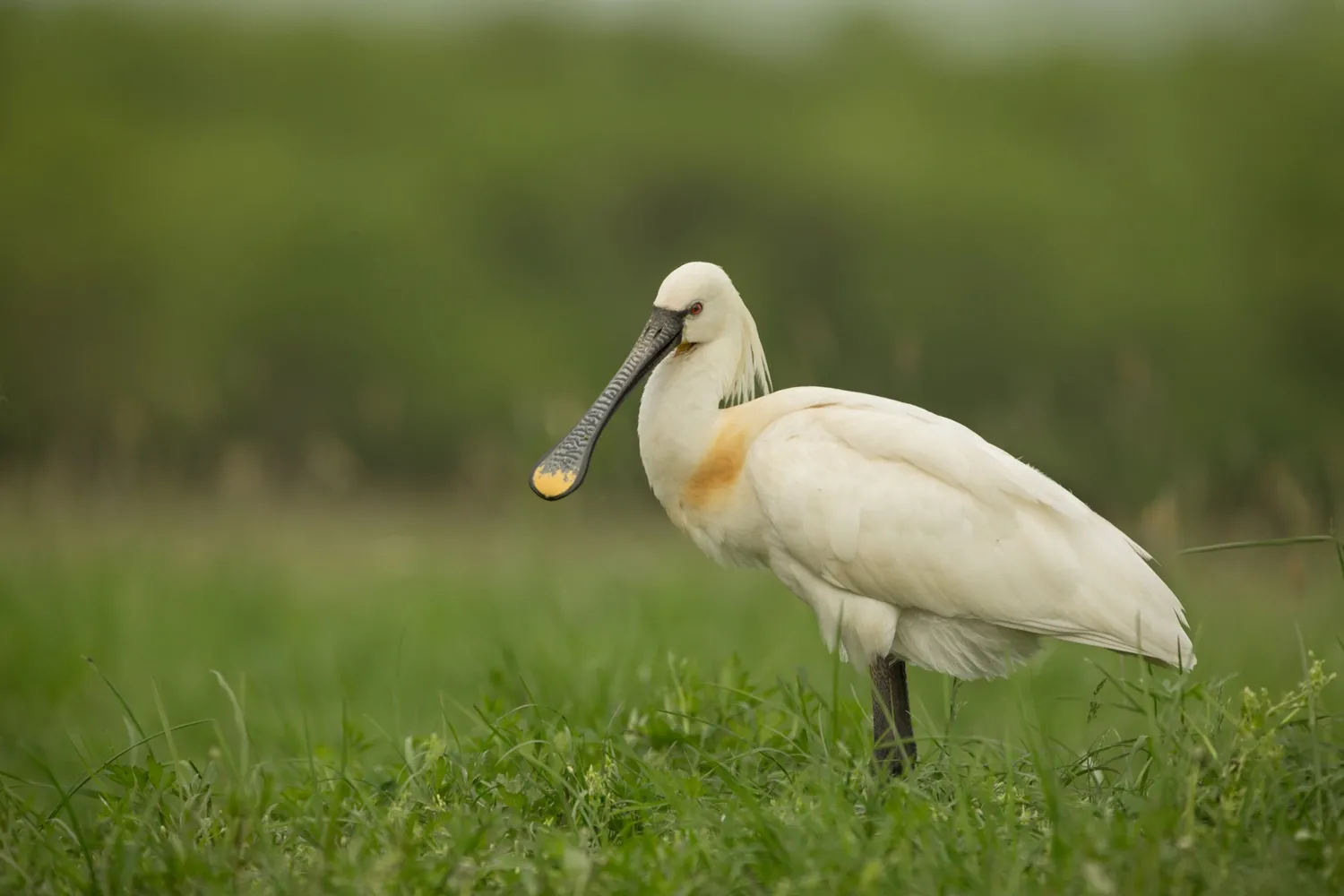
Surveys show colonising egrets and Spoonbills continuing to increase in many parts of the UK, while breeding Grey Herons seem slow in bouncing back following recent declines. The British Trust for Ornithology (BTO) is marking World Wetlands Day (2 February) with the latest findings from its long-running Heronries Census. First launched back in 1928, the study set out to monitor and estimate the numbers of Grey Herons nesting in Britain. In recent years, the species covered in the census has grown as egrets and other waterbirds formerly restricted to the continent have colonised the UK’s wetlands, considered by many to be a direct result of climate change. Little Egrets first nested in the UK in 1996 and over the past couple of decades they have been joined by Great White Egrets, Cattle Egrets and Spoonbills. Another bird covered by the census is the Cormorant, which has seen a change in nesting behaviour, with some birds now breeding inland in trees as opposed to on traditional coastal cliffs. Grey Herons have shown ‘boom and bust’ population rises and dips since the census began almost a century ago, with temporary declines often associated with severe winters. However, the current reduction in breeding numbers is showing little sign of recovery and researchers are concerned that this familiar bird may be heading for the Birds of Conservation Concern Amber List. Ian Woodward, Research Ecologist at the BTO said, “This ongoing survey helps us monitor the overall well-being of nesting heron species across the UK. Thanks to the wealth of information gathered by our dedicated volunteers we can see just how these birds are responding both positively and negatively to changes in the environment. It also goes to show just how important the UK’s wetlands are as essential habitats for many of our resident species as well as those already colonising from the continent, such as Spoonbills, and those showing signs of doing so, such as Glossy Ibis.” The Heronries Census is a valuable tool in the BTO’s research into the changes occurring within populations of wetland birds and more volunteers are being sought to help fill in some of the missing gaps. Ian added, “Many birdwatchers may be aware of new or small nesting colonies that haven’t yet been recorded by the census, and these could be vital in our understanding of how these species are adapting to change, or colonising new areas. The more information we can gather, the better we will understand just how our nesting herons and egrets are faring in an ever-changing landscape.” More about the BTO Heronries Census
02-02-2024
Travel far, breed hard, die young! The surprising lifestyle choices of Short-eared Owls
'Travel far, breed hard, die young' – while this might sound like a hedonistic rock-and-roll lifestyle, a new study by researchers at the British Trust for Ornithology (BTO), with collaborators in Iceland and Spain, reveals this is how Short-eared Owls live their lives. Describing the incredible and surprising movements of Short-eared Owls across Europe and south into Africa, these new results underline a need to plan conservation action for this species at larger scales than previously considered. The Short-eared Owl, whose appearance and disappearance from regions has fascinated birdwatchers and ecologists for decades, was a bird for which we lacked key information on movements and the degree of connectivity between populations. A new study by BTO researchers, along with the University of Iceland and the Spanish National Research Council (CSIC), just published in the journal Ibis, fills this important knowledge gap and provides new evidence that will enable us to better protect and conserve this enigmatic species. The Short-eared Owl has an extensive, but declining, distribution, across which it is predominantly a specialist predator of small mammals. The abundance of its favoured vole prey can vary markedly, both in time and space, making these rodents an unpredictable food resource. While Short-eared Owls can switch to other prey when voles are not available, their more common response is to move to other areas, resulting in irruptive or nomadic movements. Studying these movements has proved challenging, but advances in tracking technologies have enabled BTO Senior Research Ecologist John Calladine and colleagues to collect new information. The movements of 47 Short-eared Owls, from multiple European locations (Iceland, Scotland, and Spain), were tracked with GPS devices. The study reveals an unexpectedly large degree of movement in the tracked individuals, with some of the birds tagged in Scotland and Spain travelling widely across Europe and North Africa, and one bird tagged in Iceland travelling to Britain. Nine individuals of these 47 were monitored while nesting over two seasons, and the distances between nest sites used by the same individuals in sequential years ranged from 41 to 4,216 km. As far as we are aware, these represent some of the longest known distances between nest sites by any bird. Of two females tagged while nesting just 2 km apart on the Isle of Arran (Scotland) in 2021, one went on to breed in northern Norway in 2022 and the other to the Pechora Delta in Arctic Russia. Incredibly, another female tagged at its nest in Scotland in 2017 – bred twice in 2018, once in Scotland and again in Norway. However, travelling so widely to find places where there is sufficient prey where large broods can be reared does have its consequences – less than half the adult birds survive from one year to the next. So, rather than leading a hedonistic lifestyle, these birds are actually behaving selflessly. Their extensive travel to find enough voles to rear the next generation of owls has a knock-on effect on the condition of the individual and its chances of surviving for another year. Out of 18 successful breeding attempts by 14 tagged females, in all but two instances the females departed before the youngest chick was fully independent, leaving the male to finish rearing the brood. Again, this is new information that was not even suspected before this study. The types of movements recorded in this study, and the scale of these, implies that there are not distinctly separate populations of Short-eared Owls across much of Europe. Rather, there is a single potentially integrated population across most of the range, albeit with some comparatively more – but not completely – isolated populations (such as that in Iceland). John Calladine, BTO and lead author on the research paper, said, This new knowledge has significant implications for attempts to protect and conserve this species, and underlines a need to collect information on Short-eared Owl populations from sufficiently wide geographic scales and/or over the long term. Importantly, conservation action for the birds will need to be on a similarly wide scale. This study was only possible because of the generosity of those individuals and organisations who provided the funding necessary to purchase and deploy the tracking devices fitted to these amazing birds. Neil Morrison, of the Tay Ringing Group and who has been key to the study right from its conception, said, I've been studying these owls for decades and thought I knew what they did. How wrong could I have been! To think that owls breeding in 'my glens' could then go on to breed in the Arctic or try and cross the Sahara –, who would have thought that! It's been a real privilege to be able to follow these birds in such detail. Now we have the knowledge to help ensure they continue to amaze us into the future.
16-01-2024
