The latest BBS report includes an annual update of population trends, specifically along waterways, for 28 species with the strongest association with that habitat type. These trends are repeated in the table below. Trends are derived from the entire WBBS data sets, and date back to 1999.
Explore the latest results
The Breeding Bird Survey Report and WBBS population trends
 The latest BBS report includes an annual update of population trends, specifically along waterways, for 28 species with the strongest association with that habitat type. Trends are derived from the entire WBBS data sets, and date back to 1999.
- A full summary of the 2025 WBBS season and the latest WBBS population trends can be found in the WBBS pages of the Breeding Bird Survey Report.
- The 2025 trends are also available to download in spreadsheet format.
Please note: the table shows the percentage changes in bird populations during the specified periods. Trends for species in brackets are reported with caveats: Cormorant, Grey Heron and Common Tern are reported with the caveat that counts may contain a high proportion of birds away from breeding sites.
In the 2025 report
The report shows that, of the 28 species for which we produce waterway-specific trends, 17 are declining either over 25 years or 10 years. On the other hand, Greylag Goose, Mandarin Duck, Goosander, Little Egret, Cetti’s Warbler and Sand Martin have shown signs of increase over either of those time periods.
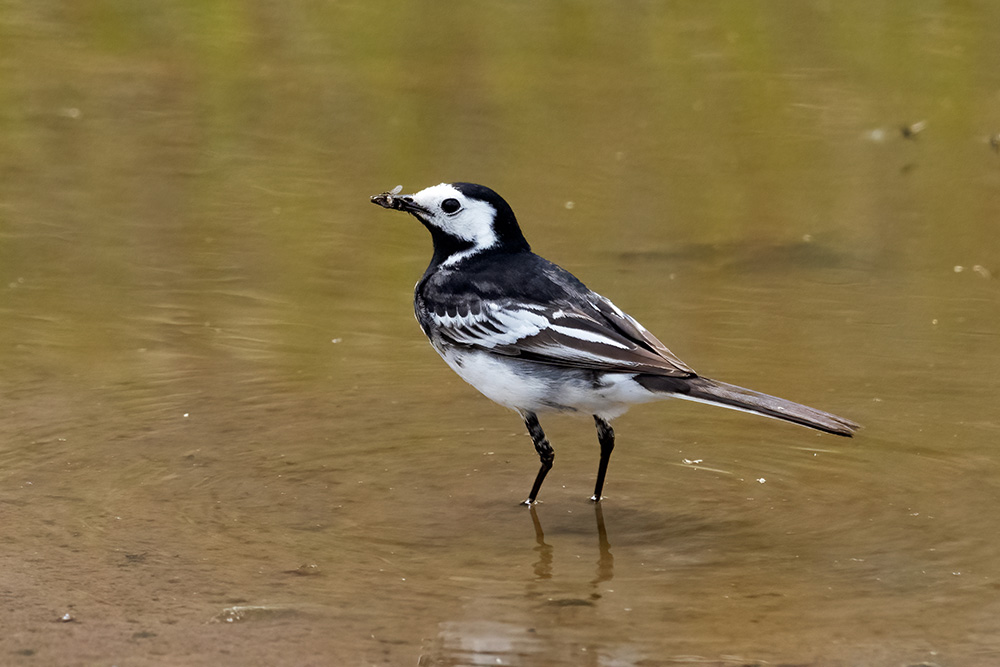
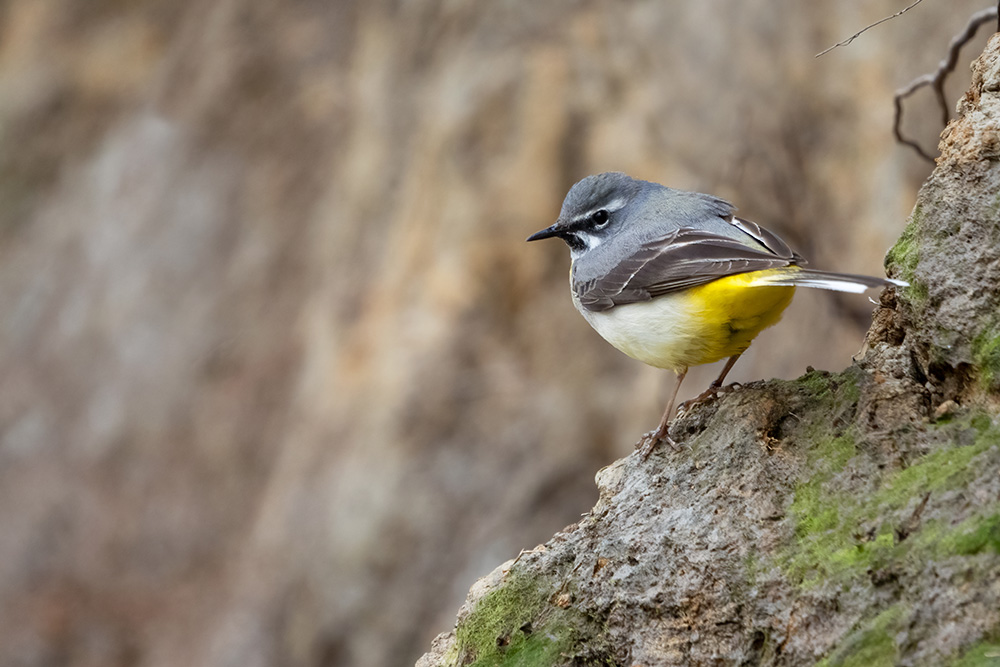
The report also focuses on the declines seen in the UK’s three wagtail species. Pied Wagtails are declining in all habitat types, as measured by BBS, but also specifically along waterways as detected by WBBS. When combined with data from the predecessor of the WBBS, the Waterways Bird Survey (WBS), it is estimated that Pied Wagtails have declined by 73% on waterways and adjacent habitats since 1975. Meanwhile, Grey Wagtails have declined by 47% alongside waterways over the same time period.
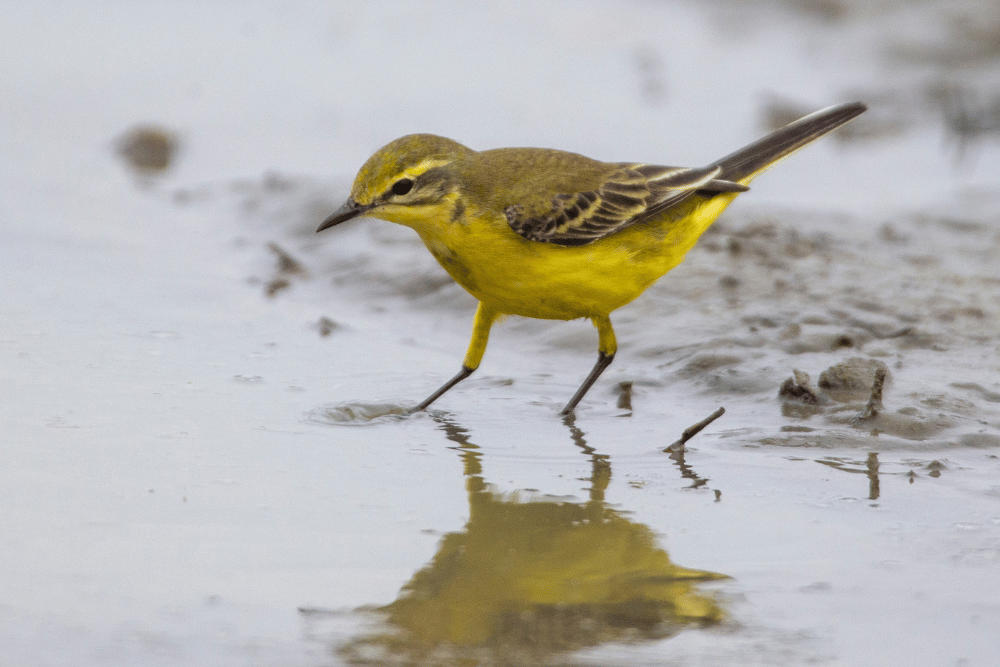
Yellow Wagtails, which are not recorded along enough WBBS stretches for trends to be estimated, have declined by 55% in the UK’s wider countryside. Whilst Yellow Wagtails are commonly associated with arable farmland, they are also a species found in wet grassland. The loss of this habitat, which is usually associated with waterways, has contributed to the long-term decline of the Yellow Wagtail.
BirdTrends and WBBS
BirdTrends contains information on methodology details and a discussion of each species - for which we produce WBBS trends - in a broader context.