How you can help
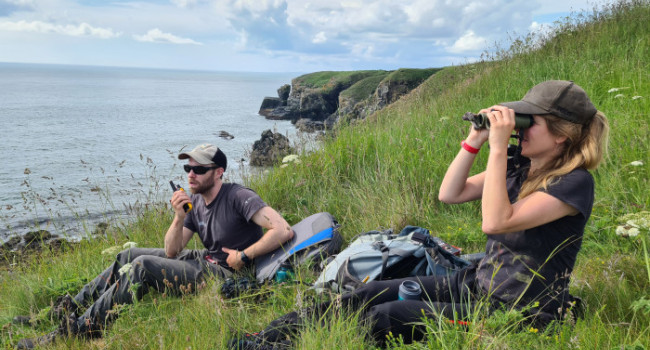
There are lots of ways you can help
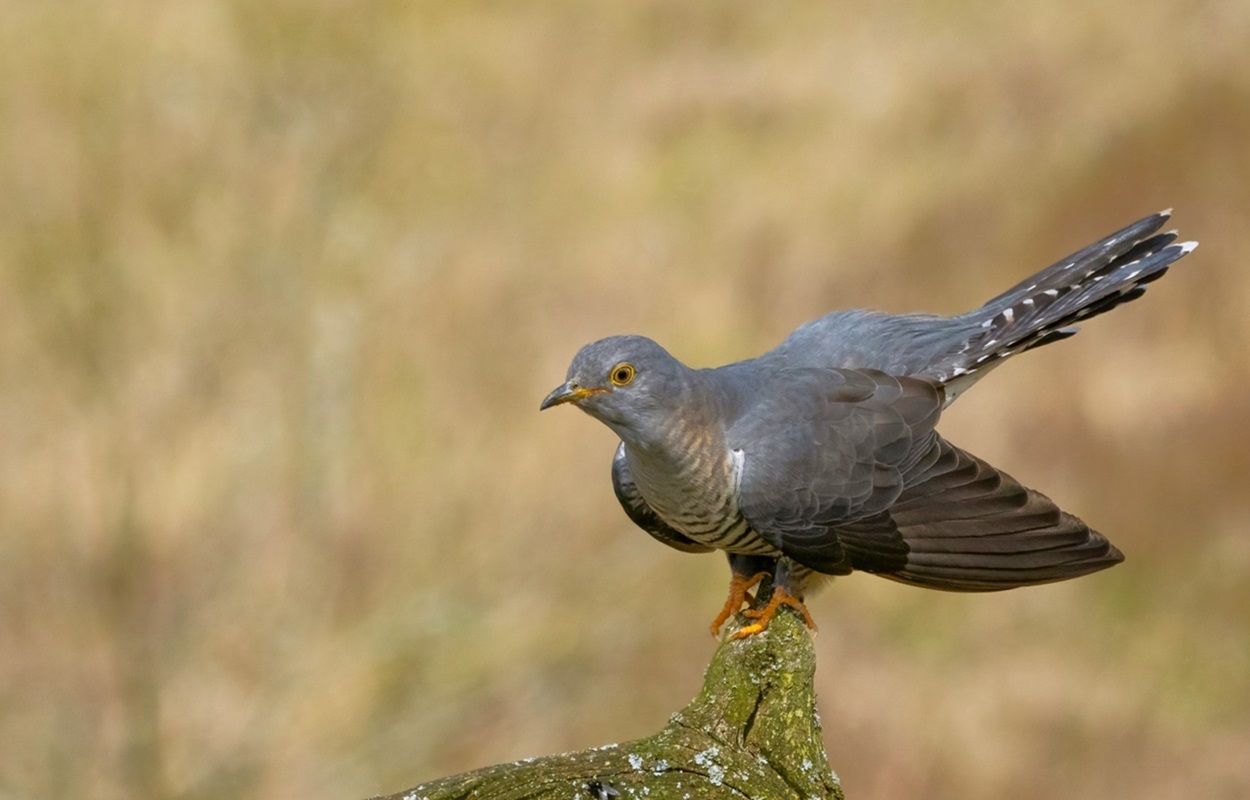
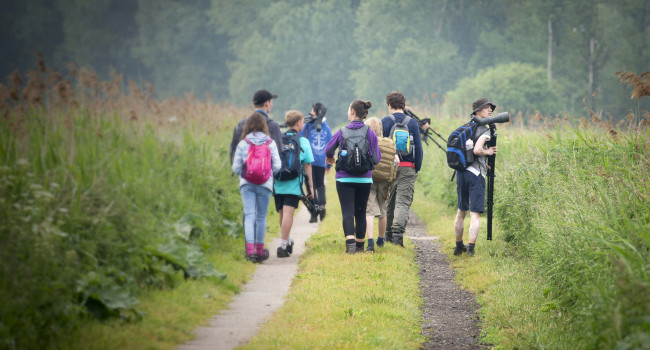
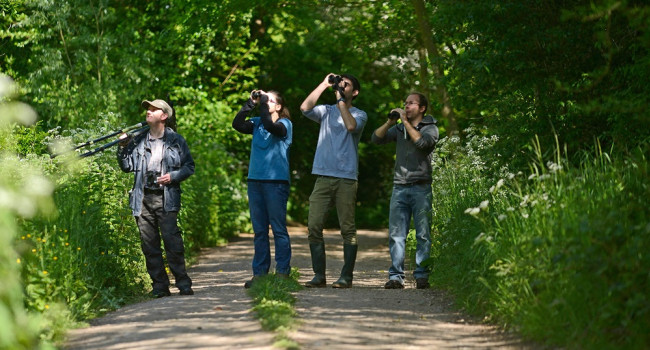
Join as a member, volunteer for a survey, be a Regional Rep, help at an event, donate, or even name and sponsor a Cuckoo.
However you choose to support us – thank you.
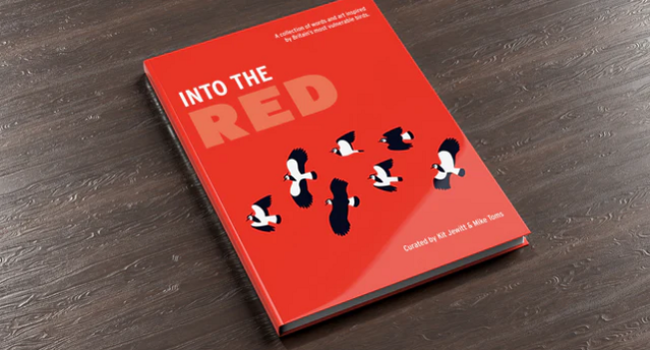
Leave a legacy to inspire action for a wildlife-rich world
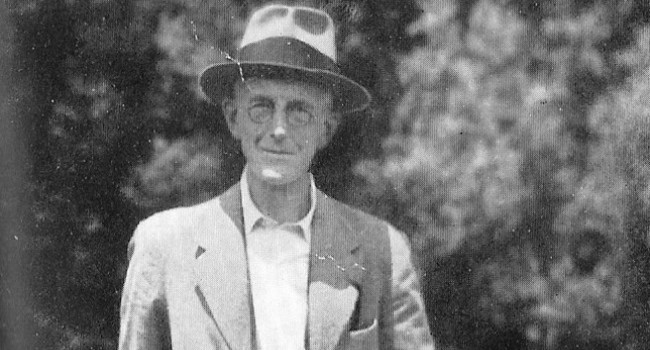
BTO relies on gifts in wills from supporters like you who are passionate about birds and the environment. Such gifts are vital to BTO continuing its research and informing positive conservation outcomes.
Learn more about leaving a gift in your Will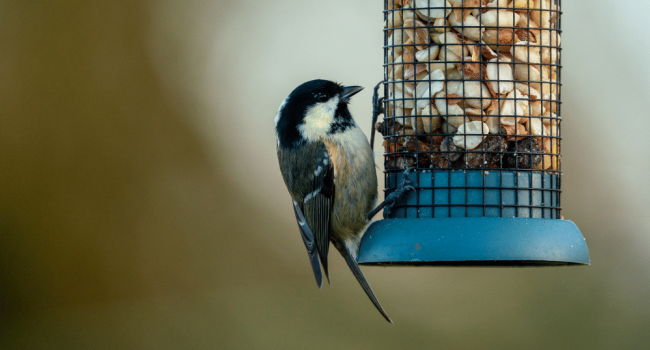

Share this page