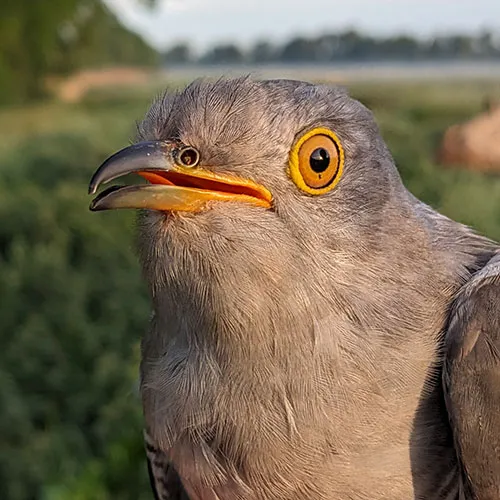
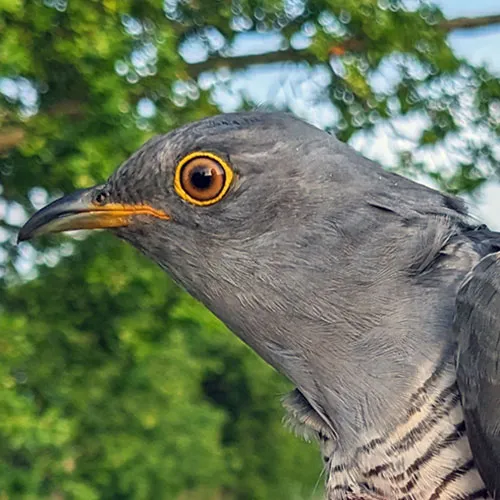
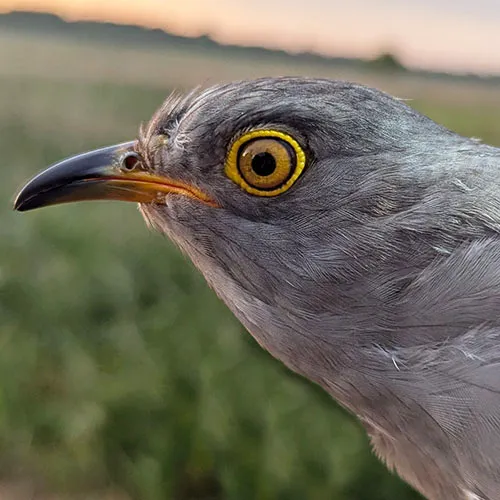
Help us track Cuckoos and watch the current cohort's epic migration on our Cuckoo migration map. Read the latest updates on how our cuckoos are managing their amazing migration from Britain and Ireland to Africa and back again.

Time, skill and support
Spend as much time as you like following each Cuckoo's migration and reading the updates about their movements.
No technical skills are required to support the Cuckoo Tracking project - just a love of Cuckoos.
Learn more on our Cuckoo BirdFacts page and how to identify them and their call in our Cuckoo ID video.
About the project
We’ve been satellite-tracking Cuckoos since 2011. We’ve learned lots of vital information, such as how the different migration routes are linked to declines, and some of the pressures Cuckoos face whilst on migration, but there is still much more to discover.
- We have been able to share our expertise around tracking Cuckoos with other international studies, such as the Beijing Cuckoo Project.
- Read more about our Cuckoo Tracking Project.
- Explore the Cuckoo BirdFacts page to learn more about this iconic species.
An important aspect of this project is how it helps us improve our understanding of why Cuckoos are in decline:
- Since 1995, the number of Cuckoos has decreased by over 30%.
- The Cuckoo is currently Red-listed as a Bird of Conservation Concern in the UK.
What’s next
We now need to look more closely at how dependent Cuckoos are on, and how much their migration is linked to, the drought-busting rains of the weather frontal system known as the Inter Tropical Convergence Zone (ITCZ) as they move out of the Congo rainforest and begin to head back to the UK via West Africa.
Learn more
- What have the Cuckoos taught us? (2022)
- Cuckoo's clocks can't adjust to climate change - now we know why (2023)
- Our Cuckoo tracking journey (2024)
- Learn more about Cuckoos (facts, figures, trends)
- Learn how to identify them and their call in our Cuckoo ID video
- More about bird tracking technology (GPS, PTTs, Geolocators)
Support the project
- Help us continue our vital research by sponsoring a Cuckoo.
Cuckoo migration map
Each Cuckoo’s tag sends us location data approximately every day, so we can follow them and learn more about their migration.
Cuckoo movements from 1st May 2026 to 25th June 2026
Latest updates
Thomas J's east coast adventure
Thomas J was tagged in Kintail on 20 May, and by early June, he had headed east across the Cairngorms, and into Aberdeenshire before heading determinedly south. He cut across the Firth of Forth between Arbroath and St Abbs before making his way past Newcastle, down to the Humber and onto north Lincolnshire. He lingered here for a few days before moving on again, this time making his way across the Wash and into Norfolk. His latest signal shows that he is currently around the WWT Welney area.
Rob's rogue route
Tagged at Morvich, Kintail, in the Northwest Highlands in May, Rob has now left Scotland and taken an interesting route.
After heading east, he took off from Aberdeen on Saturday morning and crossed the North Sea, covering around 700 km (435 miles) of open water. He arrived on the shores of Denmark, in the Wadden Sea National Park that same evening! From here he redirected south and is now close to the northern German city of Oldenburg.
Frederic flees to France
Frederic set off from Thetford on Friday and is now around 75 km (46 miles) south of Paris. He took a short sea crossing, flying from Dover to Boulogne-sur-Mer. Continuing south, he arrived on the banks of the River Yonne, a tributary of the Seine.
Current Cuckoos
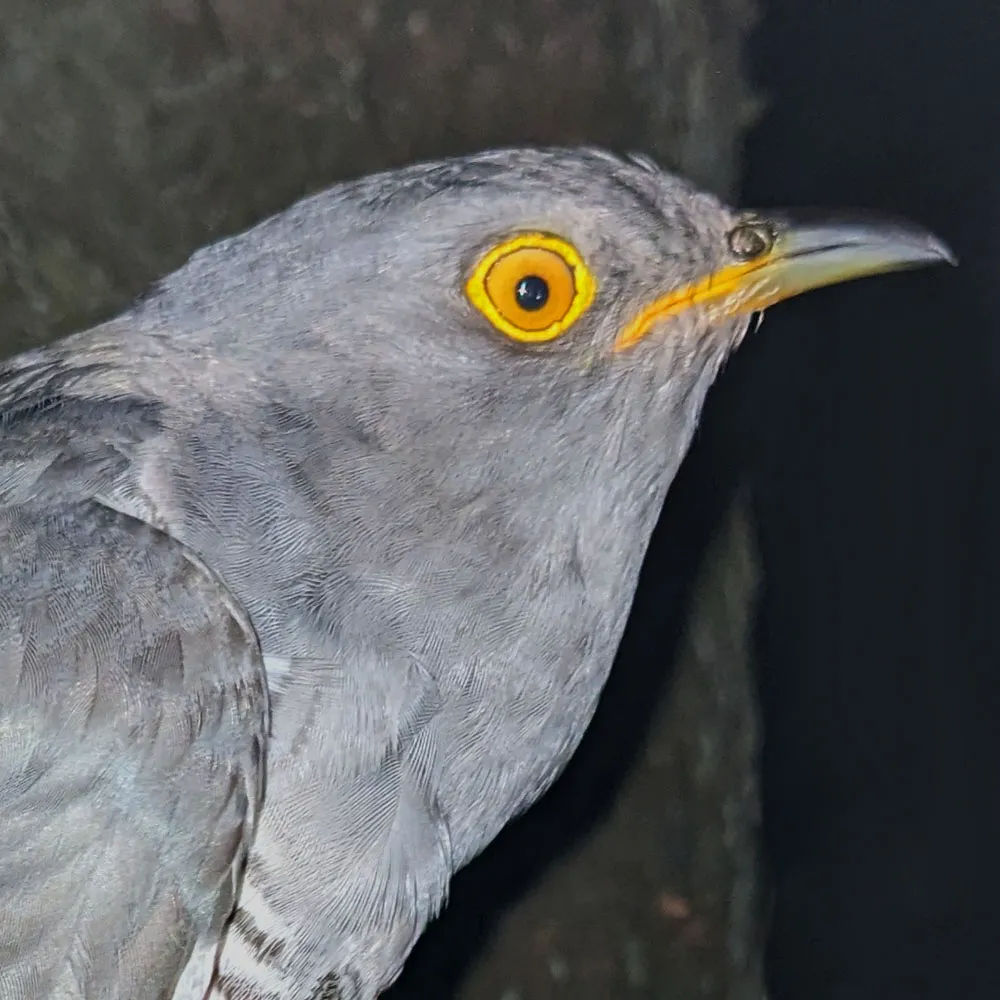
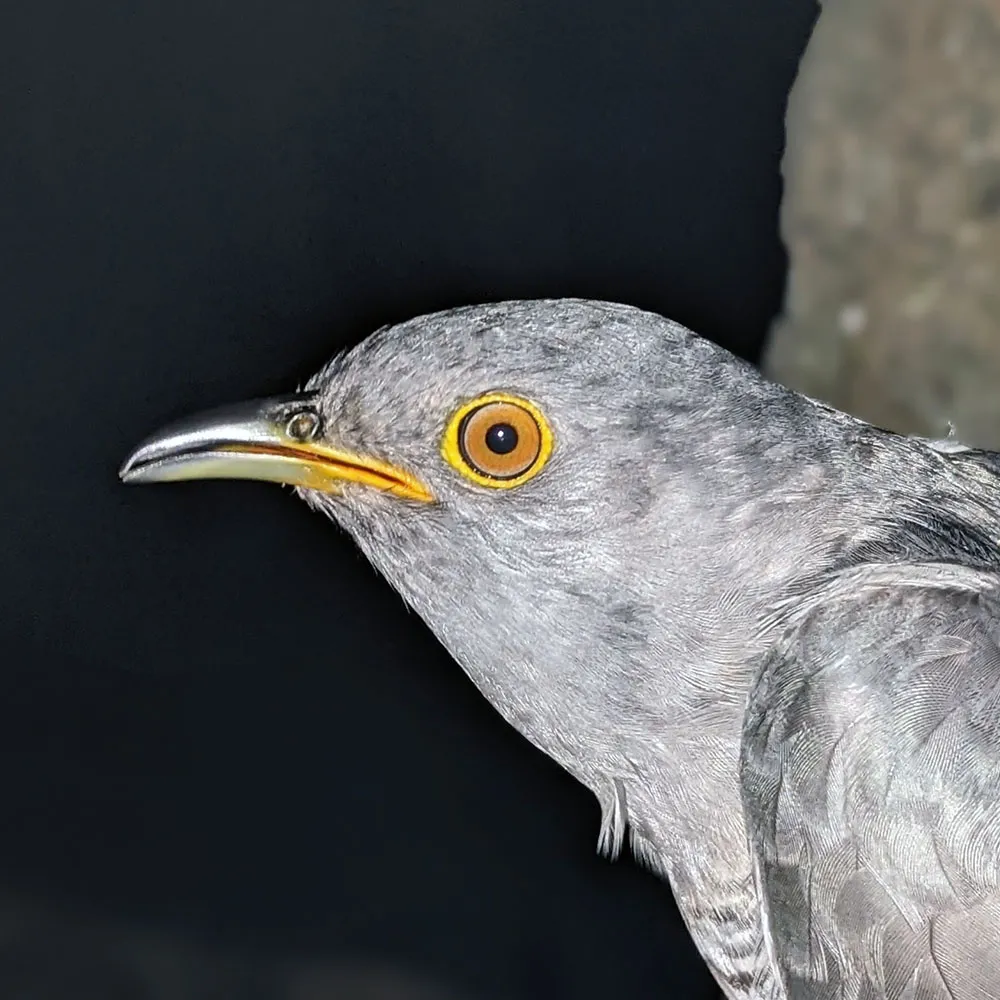
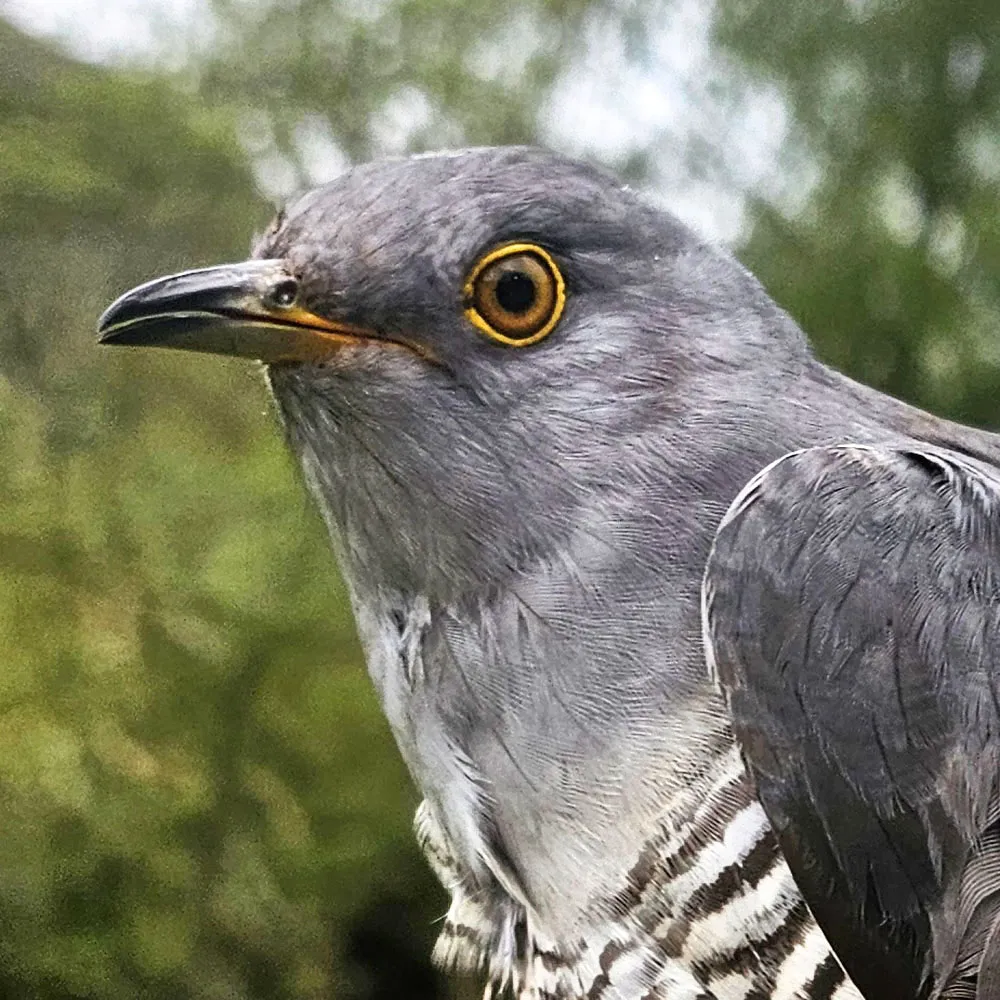
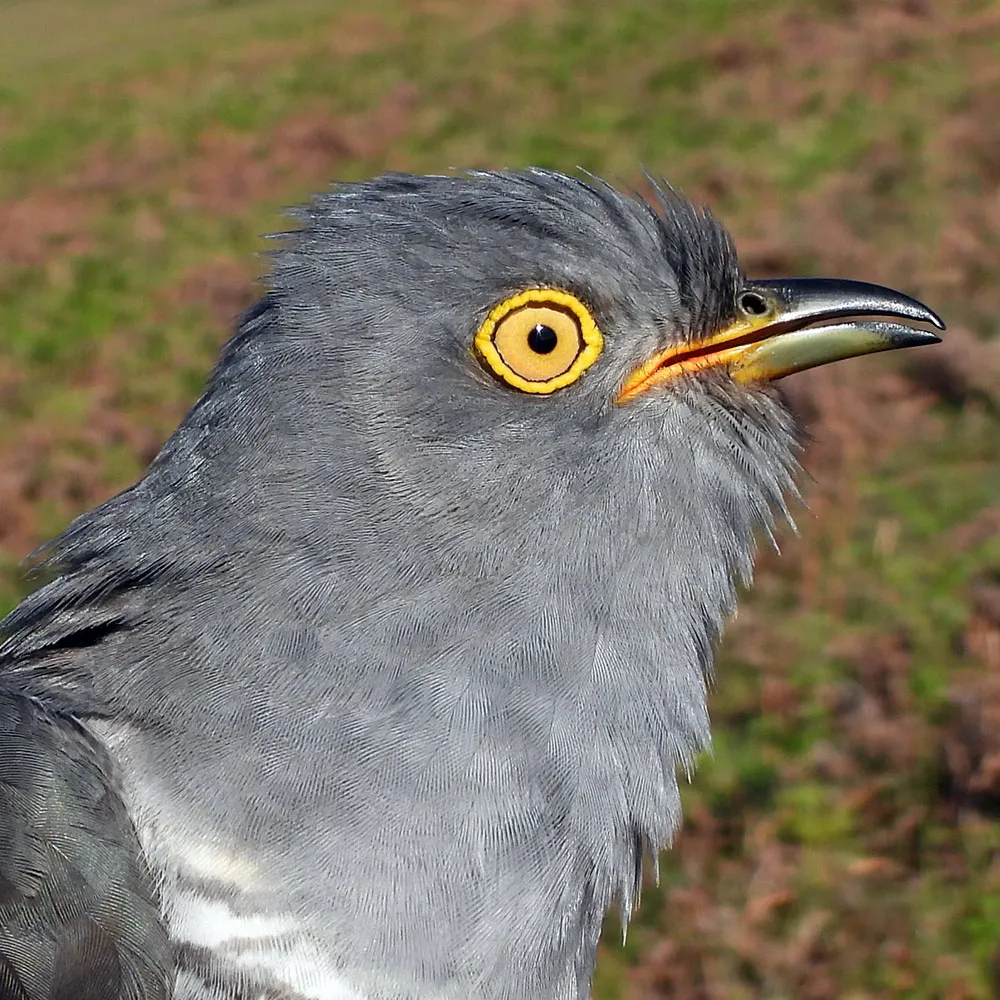
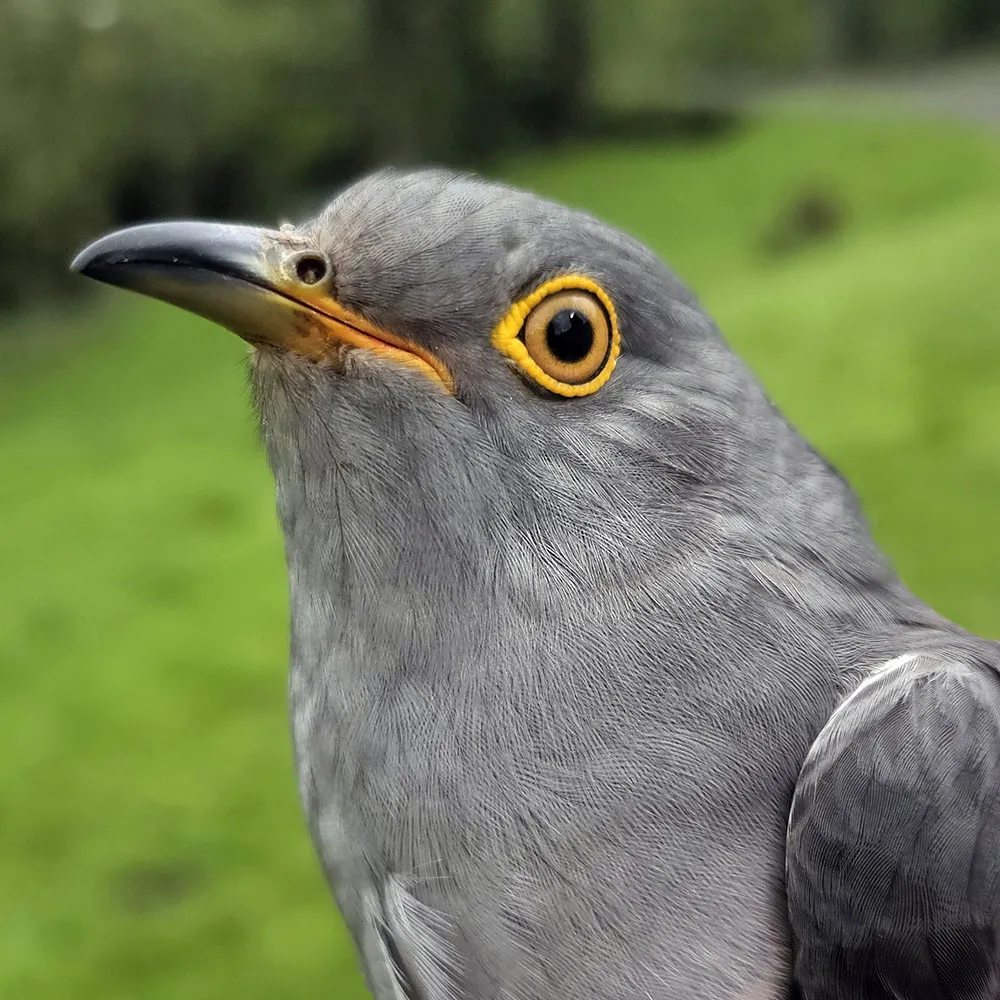
Each year, we follow a cohort of newly tagged Cuckoos as they migrate along the Afro-Palearctic flyway. We also watch Cuckoos tagged in previous years, if their tag is still transmitting data to us. Together, these are our 'Current Cuckoos'.
The 2026 Cuckoo cohort
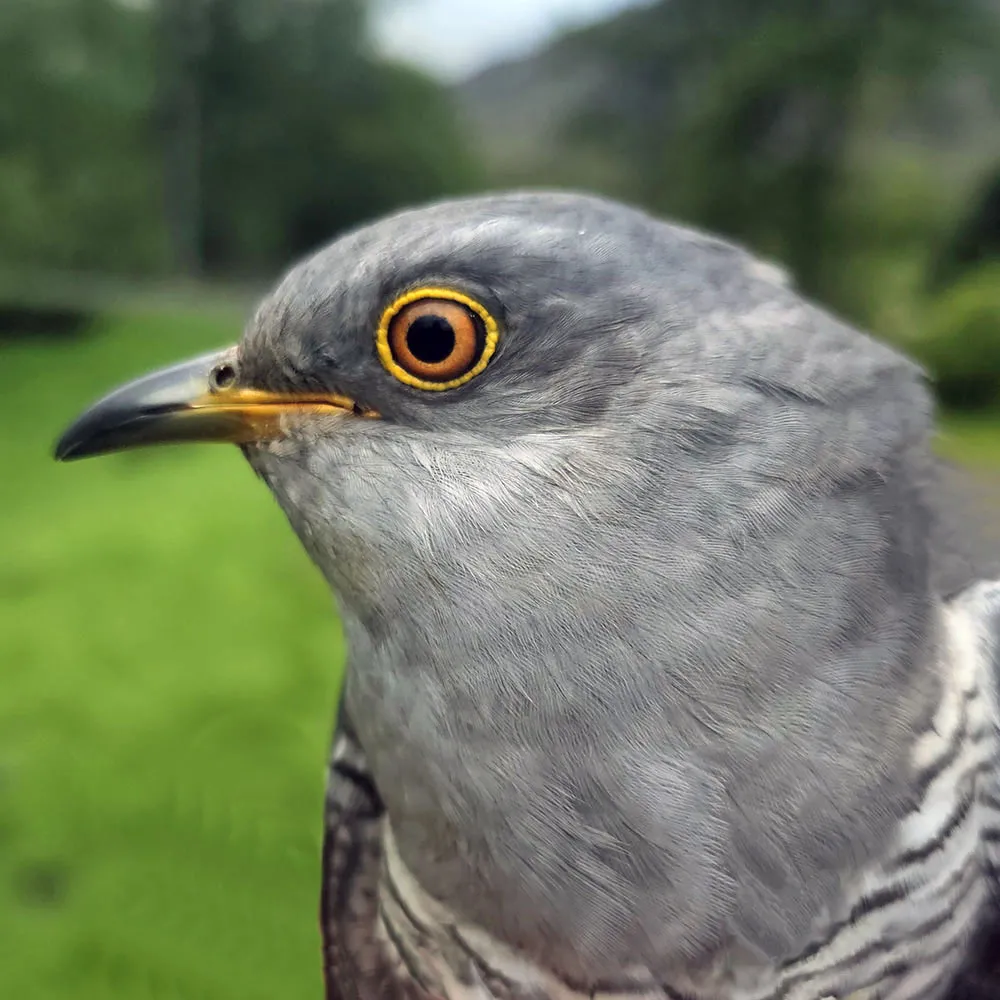
Current Cuckoos tagged in previous years