
Barn Owl Monitoring Programme (BOMP)

The Barn Owl Monitoring Programme (BOMP) was a survey designed to determine site occupancy rate and breeding success of Barn Owls by having licensed volunteers visit and monitor potential nest sites during the breeding season. It ran from 2000 to 2009.
Read the final report: The BTO Barn Owl Monitoring Programme 2000–2009
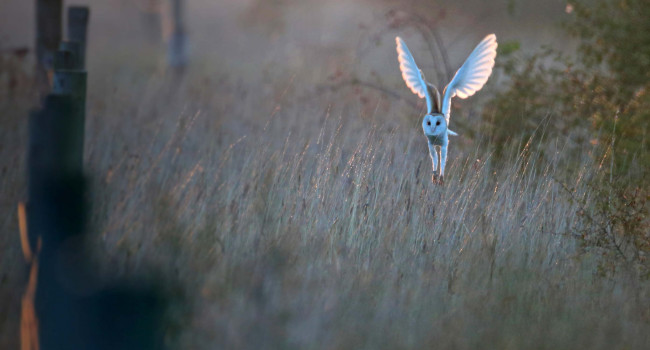
The Barn Owl is a very special species, a much-loved icon of the struggle between wildlife and agricultural changes in the UK. Numbers have plummeted since the 1930s, but in recent years, many people in the countryside—landowners, farmers, conservationists and birdwatchers—have invested a great deal of money, time and energy in an attempt to reverse this population decline.
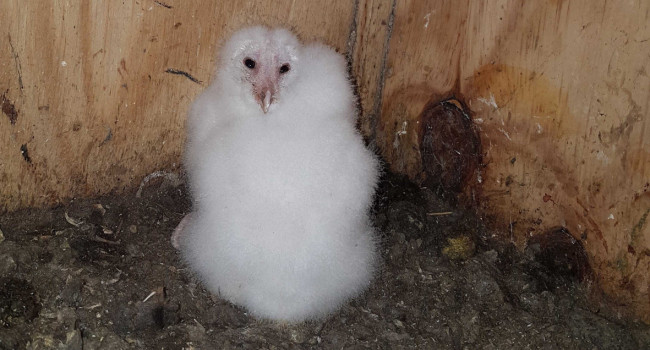
Fortunately, Barn Owls take very readily to nestboxes in the UK. As a result, the number of nestboxes put up for them has mushroomed. Following the Barn Owl declines noted during the Hawk Trust national survey in 1982-85, the number of nestboxes has risen from around 6,000 to approximately 25,000 in the mid-1990s. Barn Owl groups have been established throughout the UK, many as part of the Barn Owl Conservation Network, which aims to increase Barn Owl numbers from 4,000 to 6,000 pairs by 2012.
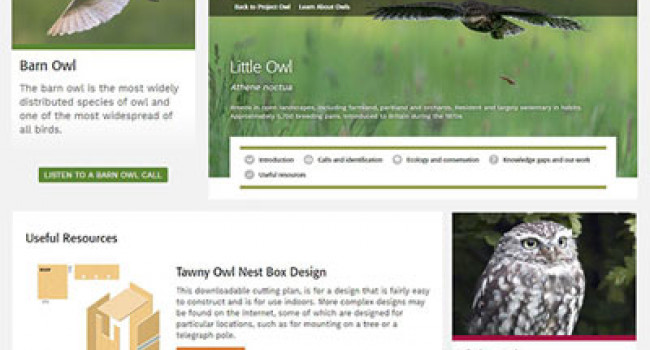
Project Barn Owl
BOMP aimed to plug this gap. Over the 10 years the survey ran, it gathered additional information about Barn Owl breeding activity and enabled us to find out more about Barn Owl population dynamics.
More about the survey
Reports, papers and other publications generated from the survey may be found on the BOMP results pages, including a final report.
You can also read an overview of the BOMP methodology and more about the interesting history of Barn Owl monitoring in the UK.

Share this page