Home > BTO in your area > BTO Scotland


BTO Scotland

Building Bird Monitoring in Scotland logo
British Trust for Ornithology, Scottish Ornithologists Club and Scottish Natural Heritage logos
 

The Building Bird Monitoring in Scotland project aims to encourage volunteers of all skill and experience levels to take part in bird recording schemes.  The project is a partnership between the British Trust for Ornithology Scotland, The Scottish Ornithologists’ Club, Scottish Natural Heritage and The Gillman Trusts.   Increasing the numbers of  volunteers involved in bird recording will greatly benefit our understanding of birds in Scotland and will ultimately make a real difference for bird conservation. Find out more about the project, including details of free local bird survey ‘taster’ days.

 
Monitoring birds


Garden Birdwatch in Scotland

Long-tailed tit on feeder. Photo by John HardingThe Garden Birdwatch project is flourishing in Scotland but we are always looking for new volunteers. To find out more about how your efforts can help us to discover more about the birds that visit our gardens click here.


The BIG Project (Biodiversity in Glasgow)

People in Glasgow are enjoying the task of surveying birds and butterflies through the Biodiversity in Glasgow (BIG) Project. The project is a partnership between the British Trust for Ornithology, Scotland and Butterfly Conservation Scotland. The information collected by volunteers in Glasgow will be used to inform the management of the city’s green spaces in order to enhance urban biodiversity. In addition, records of the birds and butterflies from Garden Birdwatch and the Breeding Bird Survey will help us learn more about wildlife in other Scottish towns and cities.

You don’t have to be an expert in birds or butterflies to take part in the BIG project and we are now recruiting volunteers to survey in 2008. If you would like to find out more, then please click here.

Robin. Photo by John Harding Binghams Pond. Photo by Glasgow City Council Swallows. Photo by Jill Pakenham Common Blue. Photo by Butterfly Conservation

Scotland – its birds and birdwatchers

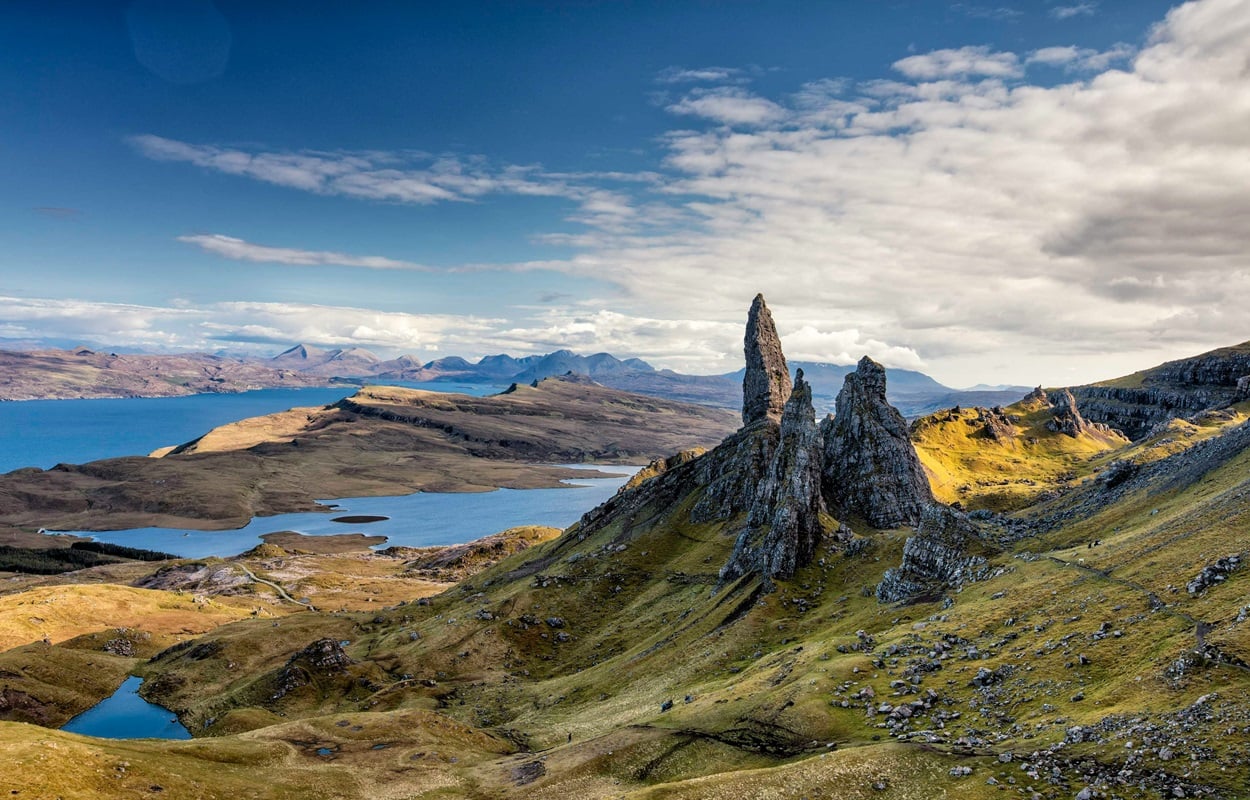
Photo-Crested TitScotland's bird life is quite different from that of the rest of the UK, characterised by birds typical of northern climes, some of them found in internationally important numbers. Its upland areas are rich in breeding waders and birds of prey. Its coasts and seas are home to spectacular seabird colonies. Its straths and glens retain ancient pine with Capercaillie, Crested Tits and Scottish Crossbill. There are birch and oak woods that hold Wood Warblers, Pied Flycatchers and Redstarts.  Scotland holds all or most of the UK population of Sea Eagles and Corncrakes and is the key area in the UK for 23 of the 175 species listed on the EU Birds Directive. In winter Scotland provides refuge for waders and wildfowl on its wetlands, seaducks, divers and grebes on its coast and lowland farmland still supports wintering finches and buntings albeit in reducing numbers.

To survey these important birds in an area comprising 32% of the UK, there is only 9% of the UK’s human population. Most of these people are concentrated in a few large conurbations in the central lowlands. There are huge areas that are relatively under-watched, particularly the uplands, the north and west coasts, all of which are scarcely populated, remote, and often inaccessible.

Photo-River DeeBirdwatchers in Scotland while relatively few, are very active and display a level of activity that belies their relatively small numbers. Numbers of birds ringed, coverage of surveys, numbers of nest record cards - almost any measure of participation in BTO work that you care to name - are well above the 9% that one would expect on the basis of population alone.

The BTO Scotland Initiative

BTO Scotland started operation on 28 February 2000. Its main functions are to promote the work of the BTO in Scotland, to develop wider coverage for surveys in Scotland, by encouraging greater participation in BTO survey work by Scottish birdwatchers, and to develop contract research income within Scotland. BTO Scotland ensures that the work the Trust does is not just related to the priorities of the UK as a whole but is also focused on the priorities of Scotland, with a landscape and wildlife so different from the rest of the UK.

The BTO Scotland Office does not take the place of the Regional Representatives in Scotland; it provides a point of contact closer to home. It provides support and encouragement them, to help them do their jobs better and further improve the work of BTO as a whole.

BTO Scotland is also building partnerships with universities, government agencies, voluntary bodies and amateur ornithologists. The work that these partnerships will achieve will allow conservationists and policy makers within Scotland to make sound decisions on policy and management for Scotland’s birds.

Of course, to underpin our projects we have to find funds. Funding that originates in Scotland, is likely to be easier to obtain from the office of BTO Scotland than from the headquarters office in England.

BTO Scotland and The SOC

One of the main partnerships is with The SOC. The SOC has a membership of 2000 and are key partners in Scottish-wide bird surveys. For the first two years, the BTO Scotland office was at the SOC's Edinburgh headquarters, relocating to the grounds of Stirling University Campus when the SOC moved in Spring 2002. The BTO and SOC hold annual joint one day conferences each spring to promote survey work and amateur birdwatching.

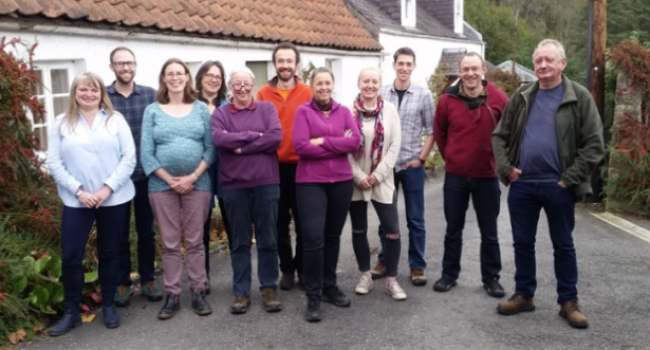
BTO Scotland staff

There are nine members of staff in BTO Scotland.

Senior Research Ecologist Dr Chris Wernham
Principal Secretary Rebecca Cranston
Secretary Anne Cotton
Research Officer John Calladine
Research Ecologist Dr Liz Humphreys
Development Coordinator Mandy Cook
Development & Administration Officer Robin Anderson
Fieldwork Coordinator Martin Moss
Research Ecologist Staffan Roos

Chris Wernham is Senior Research Ecologist, with a wide breadth of expertise and experience in running some major BTO projects. John Calladine, Liz Humphreys and Staffan Roos are Research Ecologists working on a range of projects. Rebecca Cranston and Anne Cotton ensure the smooth running of the Scottish office administration and research support. Mandy Cook is responsible for development tasks and the promotion of the trust in Scotland. Robin Anderson assists in both development and administration tasks. Martin Moss is a Field Ornithologist and is responsible for the coordination of fieldwork.  He also works as a trainer for BTO Scotland.

Funding the Initiative

Funding to launch the Initiative came from Scottish Natural Heritage, the Esmee Fairbairn Foundation and the BTO.

How can you help?

If you are a birdwatcher living in Scotland or visit regularly and would like to help with BTO surveys then contact BTO Scotland for more information. For details of surveys requiring volunteers click here.
For a map showing the areas covered by Scotland's Regional Representatives, and their contact details click here.

Contacting BTO Scotland

BTO Scotland
School of Biological and Environmental Sciences
Cottrell Building, University of Stirling, Stirling FK9 4LA Scotland
Tel: 01786 466560 Fax 01786 466 561 Email:  

Back to BTO in your area