Want to help to conserve Britain's wildlife? The British Trust for Ornithology's volunteer surveyors and members work in partnership with BTO scientists to provide unbiased information about birds and their habitats. Join or volunteer today and make birds count!

Robin. Photo: George Higginbotham

Interested in garden birds? Take a look at Garden BirdWatch

 facts & figures

Oystercatcher. Photo: Jill Packenham

BirdFacts
Find information about British & Irish bird species

Dunnock eggs.  Photo: Christopher Rowe

Bird Trends
Trends in numbers & breeding performance for UK birds

FIND US on

Follow us on Facebook

Follow us on Twitter

BIRD OF THE DAY

Click for bird of the Day

Order from the
BTO SHOP ONLINE


Or request
OUR CATALOGUE

MEMBERSHIP OFFER

Where to Watch Birds in Britain

Join the BTO today and get the revised 2nd edition of "Where to Watch Birds in Britain" FREE!
Or Enquire
about membership.

SUPPORT US

Wood Warbler. Photo: Jez Blackburn

Read about our current appeals: Out of Africa and BTO in Wales.


Coloured bird rings

Report a ringed bird


Breeding Bird Survey 2009 coverKestrel down, Hobby up

The latest results from the Breeding Bird Survey show that Kestrel declined by 20% since the survey began, whilst Hobby has increased by 23%.

For the trends of over 100 British breeding birds see the full report here.


Are Cuckoo’s clocks running slow?

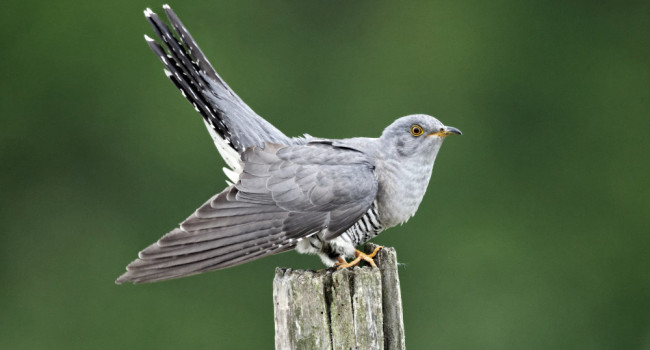
Cuckoo.  Photo by Edmund FellowesNot seen this issue of BTO News? If you are not a member, then you will have missed this fascinating article about Cuckoos. Their numbers are declining, and we don’t know why – perhaps they are affected by the numbers of their nesting hosts?

Find out more here.


Your monthly round-upJuly e-newsletter

This month's BTO e-newsletter is now available: find out how the breeding season went last year as the Breeding Bird Survey publishes its 2009 report, read about colour-dyed Manx Shearwaters, how the lack of rain is affecting ground-feeding birds, the peculiar behaviour known as 'Anting' and the Garden BirdWatch Ambassador network.

If you don't receive the e-newsletter already then why not sign up!

Ground-breaking news Juvenille Starling. Photo: Jill Pakenham.

Many parts of the UK have experienced prolonged periods of dry weather this summer and the ground is rock-hard. Ground-foraging birds, such as Song Thrush and Starling, could struggle to find soil-dwelling invertebrates to eat during these arid times and numbers of these declining species might falter. The food that you provide in gardens could help these birds to survive the summer months.
See our top feeding tips
.

BirdTrack animated map for Green Sandpiper over recent weeks

BirdTrack animated map for Green Sandpiper.Records of Green Sandpiper increased throughout the month. Previous years' BirdTrack data indicate that peak numbers can be expected between now and September. Ringing studies suggest that the first birds to arrive are adults, most likely females, as they often leave the breeding areas early, leaving the males to care for the young.

To view maps for other species, visit the Reports by Species page, select your species from the animated map drop-down menu then choose which month(s) you want to view.

Don’t forget to record your own sightings.

Other recent news

Garden BirdWatch Ambassador network complete

Guarantee yourself a place at the Brighton Marathon

Nightingale migration tracked for the first time ever

More recent news